
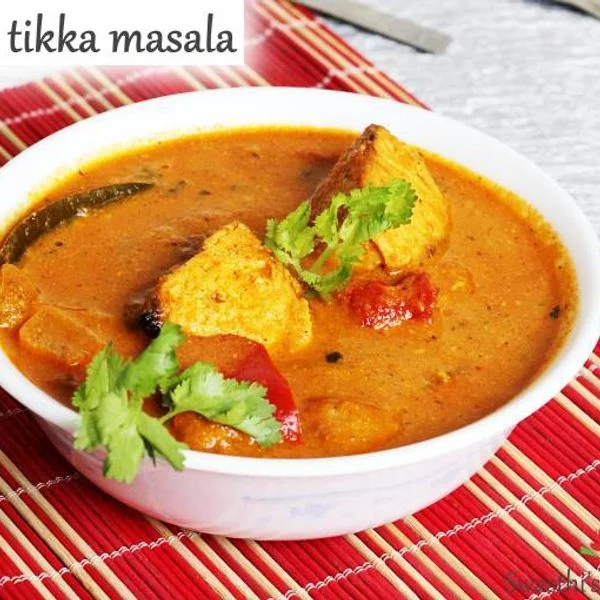

Fish Tikka Masala is a beloved dish that exemplifies the rich tapestry of Indian cuisine. While the exact origins are debated, it’s widely believed to have originated in the Indian diaspora, likely in the UK, where chefs adapted traditional Indian cooking methods to suit local tastes and ingredients. The result is a harmonious blend of smoky, marinated fish in a creamy, tomato-based sauce infused with aromatic spices.
The beauty of Fish Tikka Masala lies in its versatility. You can adjust the spice levels to your preference, making it a dish that caters to a wide range of palates. The key is to use fresh, high-quality ingredients and to follow the steps carefully. This recipe focuses on an authentic approach, ensuring you capture the true essence of this classic dish.
The Fish: The choice of fish is crucial. Traditionally, firm, white-fleshed fish is preferred, as it holds its shape well during cooking and absorbs the flavors of the marinade and sauce beautifully. Popular choices include cod, haddock, or halibut. Ensure the fish is fresh and of good quality. Avoid fish that has a strong fishy odor.
- Yogurt: Plain, full-fat yogurt is preferred. It helps tenderize the fish and adds a creamy texture.
- Ginger and Garlic: Freshly grated ginger and garlic are essential for adding depth and complexity.
- Spices: Turmeric, garam masala, chili powder (adjust to your spice preference), cumin, and coriander are the building blocks of the marinade’s flavor.
- Lemon Juice: Adds a touch of acidity to brighten the flavors.
- Tomatoes: Fresh tomatoes or high-quality canned tomatoes are the base of the sauce.
- Onions: Onions provide a savory foundation.
- Cream: Heavy cream or a combination of cream and coconut milk adds richness and creaminess.
- Spices: The same spices used in the marinade are often incorporated into the sauce for a consistent flavor profile. Additional spices, such as kasuri methi (dried fenugreek leaves), can elevate the flavor.
Additional Ingredients: You’ll also need vegetable oil for cooking, fresh cilantro for garnish, and potentially some green chilies for an extra kick.
Now that you have a good understanding of the ingredients, let’s move on to the step-by-step recipe. This recipe is designed to guide you through the process, ensuring a successful and delicious outcome. Remember to take your time and enjoy the cooking process!
Step 1: Marinating the Fish: This is arguably the most important step. In a bowl, combine the yogurt, grated ginger, grated garlic, turmeric, garam masala, chili powder, cumin, coriander, and lemon juice. Mix well until a smooth paste forms.
Add the fish to the marinade and gently toss to ensure each piece is evenly coated. Cover the bowl with plastic wrap and refrigerate for at least 30 minutes, or ideally, for several hours or even overnight. This allows the flavors to penetrate the fish deeply.
Step 2: Cooking the Fish (Tikka): There are a few ways to cook the fish. The traditional method involves using a tandoor oven, but you can achieve excellent results using a grill, a broiler, or a skillet.
If using a grill or broiler, preheat to medium-high heat. Thread the marinated fish onto skewers (if using) and grill or broil for 3-4 minutes per side, or until the fish is cooked through and slightly charred. If using a skillet, heat a little oil and pan-fry the fish until cooked through.
Step 3: Preparing the Sauce: While the fish is marinating and cooking, prepare the sauce. Heat vegetable oil in a pan over medium heat. Add finely chopped onions and sauté until golden brown and softened.
Add the grated ginger and garlic and sauté for another minute until fragrant. Stir in the ground spices (turmeric, garam masala, chili powder, cumin, and coriander) and cook for another minute, allowing the spices to bloom and release their aromas.
Add the chopped tomatoes or canned tomatoes and cook for 5-7 minutes, until the tomatoes have softened and slightly broken down. If using canned tomatoes, you might want to blend the sauce for a smoother texture.
Step 4: Adding the Cream and Finishing the Sauce: Reduce the heat to low. Stir in the heavy cream or coconut milk (or a combination). Season with salt to taste. Gently simmer the sauce for a few minutes to allow the flavors to meld.
Gently add the cooked fish to the sauce. Simmer for another 2-3 minutes, allowing the fish to absorb the flavors of the sauce. Be careful not to overcook the fish, as it can become dry.
Step 5: Garnishing and Serving: Garnish the Fish Tikka Masala with fresh cilantro leaves. Serve hot with basmati rice, naan bread, or roti. A side of raita (yogurt with cucumber and spices) complements the dish perfectly.
- Don’t Overcook the Fish: Overcooked fish will be dry and tough. Monitor the cooking time carefully.
- Use Fresh Spices: Freshly ground spices offer the most intense and vibrant flavors.
- Adjust the Spice Level: Tailor the amount of chili powder to your preference.
- Marinate for Longer: The longer the fish marinates, the more flavorful it will be.
- Use High-Quality Ingredients: The better the ingredients, the better the final dish.
- Vegetarian Version: Substitute the fish with paneer (Indian cheese) or tofu.
- Different Fish: Try using other firm-fleshed fish, such as salmon or swordfish.
- Add Vegetables: Include bell peppers or other vegetables in the sauce.
- Spice it Up: Add a pinch of cayenne pepper or a chopped green chili for extra heat.
- Dry Fish: Reduce the cooking time. Ensure the fish is not overcooked.
- Bland Sauce: Add more spices, salt, and lemon juice.
- Thin Sauce: Simmer the sauce for a longer time to allow it to thicken.
- Fish Sticking to the Pan: Ensure the pan is properly preheated and use a non-stick skillet.
- Basmati Rice: Fluffy and fragrant basmati rice is a classic pairing.
- Naan Bread: Use naan to scoop up the delicious sauce.
- Raita: A refreshing yogurt dip with cucumber and spices.
- Mango Chutney: Adds a touch of sweetness and acidity.
- Papadums: Crispy lentil crackers.
The History of Indian Cuisine: Indian cuisine is a vast and diverse culinary tradition, with roots that go back thousands of years. It’s characterized by its use of aromatic spices, fresh ingredients, and a wide array of cooking techniques. Fish Tikka Masala is just one example of the delicious and complex dishes that make Indian food so popular worldwide.
The Importance of Spices: Spices are the heart and soul of Indian cooking. They not only add flavor but also have medicinal properties. The blend of spices used in Fish Tikka Masala is carefully chosen to create a balanced and complex flavor profile.
The Art of Balancing Flavors: Indian cuisine is all about balancing flavors – sweet, sour, salty, bitter, and umami. The ingredients and spices are carefully combined to achieve a harmonious taste experience.
The Social Aspect of Food: Food plays a significant role in Indian culture. Meals are often shared with family and friends, and they are a time for gathering and celebration.
Beyond the Recipe: Exploring Indian Culture: Cooking Resep Fish Tikka Masala is more than just following a recipe; it’s an opportunity to connect with Indian culture and traditions. Consider exploring Indian music, art, and literature to deepen your understanding and appreciation of this rich heritage.
Where to Find Ingredients: Most of the ingredients for Fish Tikka Masala are readily available at your local grocery store. However, you may need to visit an Indian grocery store for specific spices or fresh ingredients.
Enjoying the Process: Cooking should be a joyful experience. Take your time, enjoy the aromas, and savor the process of creating this delicious dish. Don’t be afraid to experiment and adjust the recipe to your liking.
Conclusion: Your Fish Tikka Masala Journey Begins Now! You now have the knowledge and tools to create an authentic Resep Fish Tikka Masala. Embrace the flavors, experiment with variations, and share this culinary masterpiece with your loved ones. Happy cooking!
This recipe provides a solid foundation for making delicious and authentic Fish Tikka Masala. Remember that the key to success is using fresh, high-quality ingredients, following the steps carefully, and enjoying the process. Bon appétit!
We hope this comprehensive guide has inspired you to embark on your own culinary adventure. Happy cooking, and may your Fish Tikka Masala be a resounding success!
Remember to always prioritize food safety when handling raw fish. Ensure your cooking surfaces are clean and that the fish is cooked to an internal temperature of 145°F (63°C).
Feel free to adjust the spice levels to your preference. If you like a spicier dish, add more chili powder or some chopped green chilies to the sauce.
Consider serving the Fish Tikka Masala with a side of cooling cucumber raita to balance the richness of the dish.
If you want to add a smoky flavor to your dish, you can briefly smoke the fish tikka before adding it to the sauce.
Don’t be afraid to experiment with different types of fish. Salmon, cod, and halibut all work well, but the flavor will vary slightly depending on the fish you use.
If you don’t have a grill or broiler, you can pan-fry the fish in a skillet. Just make sure to cook it over medium-high heat and don’t overcrowd the pan.
For a richer sauce, you can add a tablespoon of tomato paste along with the chopped tomatoes.
If you’re using canned tomatoes, choose a good quality brand. Fire-roasted tomatoes can add a smoky depth of flavor.
Always taste the sauce and adjust the seasoning as needed. You may need to add more salt or spices to suit your taste.
The dried fenugreek leaves (kasuri methi) add a unique and complex flavor to the dish. If you can’t find them, you can omit them, but it’s worth seeking them out.
Enjoy the process of creating this flavorful dish and savor the results!