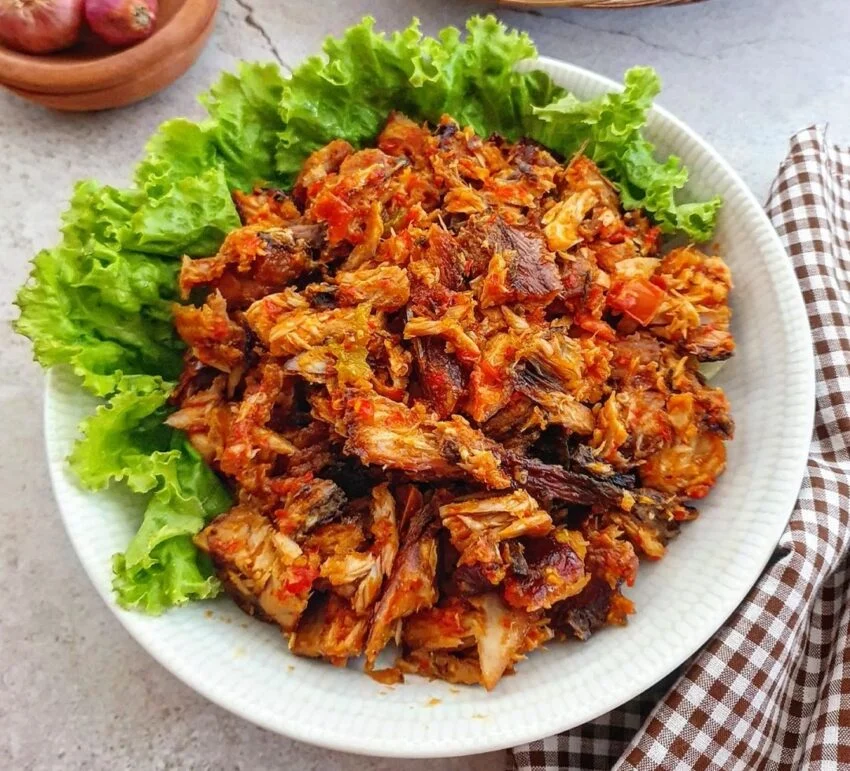

The allure of Cakalang Fufu Asap lies in its unique smoky flavor, tender texture, and versatility. It can be enjoyed on its own, paired with rice, or incorporated into a variety of other dishes, adding a distinctive Minahasan flair. Whether you’re a seasoned chef or a curious home cook, mastering the art of preparing Cakalang Fufu Asap is a rewarding culinary journey that will transport your taste buds to the heart of North Sulawesi.
- Salt: For seasoning and preservation.
- Spices: A blend of local spices such as chili, garlic, ginger, turmeric, and lemongrass. The specific blend will depend on your preferred level of spice and flavor complexity.
- Lime or Lemon: For adding a touch of acidity and brightness.
- Banana leaves (optional): For wrapping the fish during the smoking process, adding a subtle aroma and preventing it from drying out.
- Coconut husks or wood chips: For creating the smoke.
The preparation of the skipjack tuna is a crucial step that directly impacts the final product. Start by thoroughly cleaning the fish, removing the scales, gills, and internal organs. Next, butterfly the fish by slicing it open along the belly, leaving the two halves connected at the back. This allows for even smoking and easier handling. Season the fish generously with salt and your chosen spice blend, ensuring that the flavors penetrate deeply into the flesh. A squeeze of lime or lemon juice will further enhance the taste and help to tenderize the fish.
The smoking process is where the magic happens, transforming the raw skipjack tuna into the flavorful Cakalang Fufu Asap. Traditionally, this is done using a bamboo smoking rack placed over a fire fueled by coconut husks or wood chips. The key is to maintain a low and consistent heat, allowing the smoke to slowly infuse the fish. The smoking time can vary depending on the size of the fish and the intensity of the smoke, but typically ranges from 4 to 6 hours. The fish should be turned regularly to ensure even smoking on both sides.
For those without access to a traditional smoking setup, there are alternative methods that can be used. A charcoal grill with a lid can be adapted for smoking by placing wood chips or coconut husks on the coals. Alternatively, an electric smoker or even a stovetop smoker can be used, following the manufacturer’s instructions. Regardless of the method used, it’s important to monitor the temperature and smoke levels closely to achieve the desired result.
Once the fish is smoked to perfection, it should have a deep golden-brown color and a firm, slightly dry texture. The aroma should be intensely smoky and inviting. Allow the fish to cool slightly before serving or storing.
- Cakalang Fufu Asap Rica: A spicy stir-fry with chili peppers, onions, and tomatoes.
- Cakalang Fufu Asap Woku: Cooked in a rich and fragrant coconut milk-based sauce.
- Cakalang Fufu Asap Sambal Roa: Served with a fiery chili sauce made from smoked roa fish.
No matter how you choose to enjoy it, Cakalang Fufu Asap is sure to be a culinary delight.
To ensure the longevity and quality of your Cakalang Fufu Asap, proper storage is essential. Once cooled, the fish can be wrapped tightly in plastic wrap or placed in an airtight container and stored in the refrigerator for up to a week. For longer storage, it can be frozen for up to a month. Before serving, allow the fish to thaw completely in the refrigerator.
- Use fresh, high-quality skipjack tuna.
- Don’t be afraid to experiment with different spice blends to find your preferred flavor profile.
- Maintain a low and consistent heat during the smoking process.
- Turn the fish regularly to ensure even smoking.
- Allow the fish to cool completely before storing.
Cakalang Fufu Asap is more than just a delicious dish; it’s a cultural treasure that reflects the rich heritage of Minahasa. By learning to prepare this iconic dish, you’re not only expanding your culinary repertoire but also connecting with a vibrant and fascinating culture. So, gather your ingredients, fire up your smoker, and embark on a culinary adventure that will tantalize your taste buds and leave you with a newfound appreciation for the flavors of Minahasa.
Now, let’s dive deeper into the nuances of the smoking process, which is arguably the most critical aspect of creating authentic Cakalang Fufu Asap. The type of wood or fuel used for smoking significantly impacts the final flavor profile. Coconut husks are the traditional choice in Minahasa, imparting a subtle sweetness and nutty aroma that complements the fish beautifully. However, other types of wood chips, such as applewood, hickory, or mesquite, can also be used to create different flavor nuances.
The key is to avoid using woods that are too strong or resinous, as they can impart a bitter or unpleasant taste to the fish. Experiment with different combinations of wood chips to find your preferred flavor blend. Soaking the wood chips in water for about 30 minutes before using them can help to create a more consistent and flavorful smoke.
Maintaining the correct temperature during the smoking process is crucial for achieving the desired texture and flavor. The ideal temperature range for smoking Cakalang Fufu Asap is between 175°F and 225°F (80°C and 107°C). This low and slow cooking method allows the smoke to penetrate the fish evenly without drying it out. Using a meat thermometer to monitor the internal temperature of the fish can help you to ensure that it is cooked through without being overcooked. The fish is done when it reaches an internal temperature of 145°F (63°C).
The art of seasoning Cakalang Fufu Asap is a matter of personal preference. While the traditional Minahasan spice blend typically includes chili, garlic, ginger, turmeric, and lemongrass, you can adjust the proportions of these spices to suit your own taste. For a spicier dish, add more chili peppers. For a more aromatic dish, increase the amount of ginger and lemongrass. You can also experiment with other spices, such as coriander, cumin, or cloves, to create your own unique flavor profile. Remember to season the fish generously, both inside and out, to ensure that the flavors penetrate deeply into the flesh.
In addition to the spices, the use of lime or lemon juice plays a crucial role in enhancing the flavor and tenderizing the fish. The acidity of the citrus juice helps to break down the proteins in the fish, resulting in a more tender and flavorful product. It also adds a touch of brightness that balances the richness of the smoked fish and the spiciness of the spices. Squeeze the lime or lemon juice over the fish after seasoning it with the spices, making sure to coat it evenly.
While Cakalang Fufu Asap is delicious on its own, it can also be used as an ingredient in a variety of other dishes. Its smoky flavor adds a unique depth and complexity to soups, stews, stir-fries, and even salads. In Minahasa, Cakalang Fufu Asap is often used in dishes such as Cakalang Fufu Asap Rica, a spicy stir-fry with chili peppers, onions, and tomatoes; Cakalang Fufu Asap Woku, cooked in a rich and fragrant coconut milk-based sauce; and Cakalang Fufu Asap Sambal Roa, served with a fiery chili sauce made from smoked roa fish. Get creative and experiment with using Cakalang Fufu Asap in your own favorite recipes.
To truly appreciate the culinary artistry of Cakalang Fufu Asap, it’s essential to understand its cultural significance. In Minahasa, Cakalang Fufu Asap is more than just a food; it’s a symbol of community, tradition, and resourcefulness. The process of preparing Cakalang Fufu Asap is often a communal activity, with families and neighbors gathering together to clean, season, and smoke the fish. This shared experience strengthens social bonds and preserves cultural traditions. Cakalang Fufu Asap is also a popular dish during festivals and celebrations, representing the abundance and prosperity of the region.
The art of making Cakalang Fufu Asap has been passed down through generations, with each family having its own unique recipe and techniques. By learning to prepare this iconic dish, you’re not only expanding your culinary skills but also connecting with a rich cultural heritage. So, take the time to research and understand the history and traditions behind Cakalang Fufu Asap, and you’ll gain a deeper appreciation for this culinary masterpiece.
Mastering the art of cooking Cakalang Fufu Asap is a journey that requires patience, practice, and a willingness to experiment. Don’t be discouraged if your first attempt doesn’t turn out perfectly. Keep practicing and refining your techniques, and you’ll eventually create a Cakalang Fufu Asap that is worthy of the Minahasan culinary tradition. Remember to focus on using fresh, high-quality ingredients, maintaining the correct temperature during the smoking process, and seasoning the fish generously. With a little bit of effort and attention to detail, you can unlock the authentic flavors of Minahasa and create a truly unforgettable culinary experience.
/photo/2023/05/19/whatsapp-image-2023-05-19-at-15-20230519034956.jpeg "Unlocking the Flavors of Minahasa: A Comprehensive Guide to Cooking Authentic Cakalang Fufu Asap")