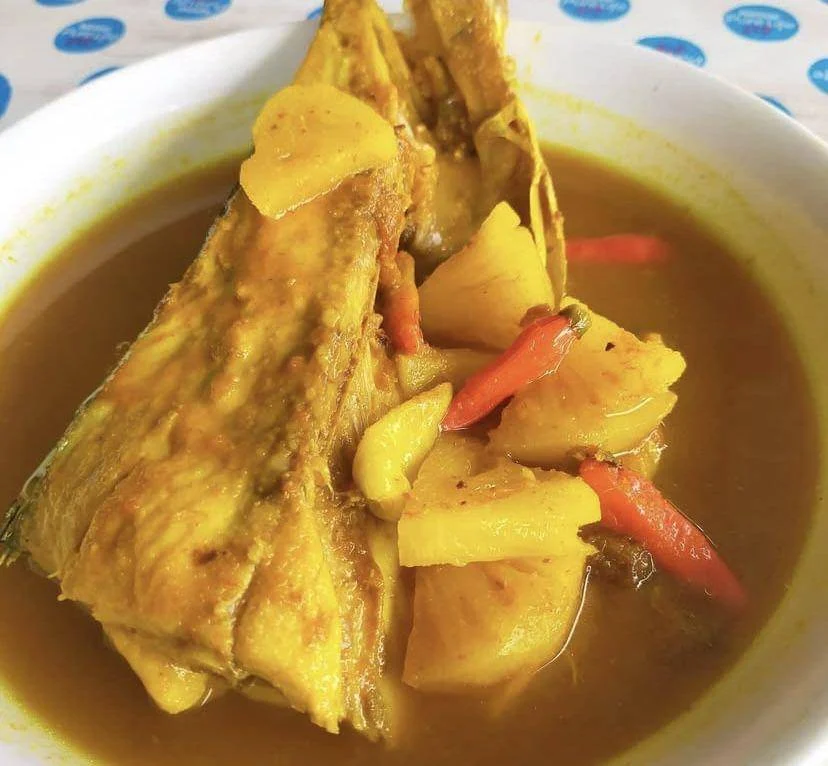

Lempah Kuning, in general, is a type of Indonesian fish stew that is popular in several regions, particularly in Sumatra and its surrounding islands. The ‘kuning’ refers to the use of turmeric, which imparts the distinctive yellow color and a warm, earthy flavor to the dish. While various types of fish can be used, ikan gabus is a preferred choice in Bangka due to its firm texture and subtle sweetness, which complements the bold spices of the stew. In this comprehensive guide, we will delve into the intricacies of Resep Seafood Lempah Kuning Ikan Gabus Bangka, providing a detailed recipe, historical context, and helpful tips to recreate this authentic dish in your own kitchen.
The Origins of Lempah Kuning: A Culinary Journey Through Bangka
To truly appreciate Lempah Kuning Ikan Gabus, it’s essential to understand its historical and cultural roots. Bangka’s culinary traditions have been shaped by its geographical location, diverse immigrant populations (including Chinese and Malay), and the availability of local ingredients. Lempah Kuning is believed to have originated as a simple, rustic dish prepared by fishermen using freshly caught fish and readily available spices. Over time, the recipe evolved, incorporating influences from different cultures and becoming a beloved staple in Bangka’s households and restaurants.
The use of turmeric, a key ingredient in Lempah Kuning, highlights the influence of Indian cuisine on Indonesian food. Turmeric has been used for centuries in traditional medicine and cooking for its anti-inflammatory properties and vibrant color. Other spices commonly used in Lempah Kuning, such as galangal, ginger, and chili peppers, also reflect the rich spice trade that has historically passed through the Indonesian archipelago.
The choice of ikan gabus as the primary protein source is also significant. Snakehead fish is a freshwater fish that is widely available in Bangka’s rivers and swamps. It is prized for its firm, meaty texture and its ability to retain its shape during cooking. In addition to its culinary appeal, ikan gabus is also believed to have medicinal properties, particularly in promoting wound healing and post-operative recovery.
Essential Ingredients for Authentic Lempah Kuning Ikan Gabus
- Ikan Gabus (Snakehead Fish): Approximately 500 grams, cleaned and cut into serving pieces. Ensure the fish is fresh for the best flavor. You can substitute with other firm white fish like snapper or grouper if snakehead fish is unavailable.
- Turmeric: 3-4 cm piece, peeled and roughly chopped. Turmeric is essential for the characteristic yellow color and earthy flavor.
- Galangal: 2-3 cm piece, peeled and roughly chopped. Galangal adds a citrusy, slightly peppery note.
- Ginger: 2-3 cm piece, peeled and roughly chopped. Ginger provides warmth and a subtle spiciness.
- Red Chilies: 5-7, adjust to your spice preference. Use a mix of large red chilies and bird’s eye chilies for a complex heat.
- Shallots: 6-8, peeled and roughly chopped. Shallots contribute a sweet and savory flavor base.
- Garlic: 3-4 cloves, peeled and roughly chopped. Garlic adds pungent aroma and depth of flavor.
- Candlenuts (Kemiri): 3-4, roasted briefly. Candlenuts act as a natural thickener and add a creamy texture to the sauce.
- Shrimp Paste (Terasi): 1 teaspoon, roasted briefly. Shrimp paste provides umami and a salty, savory flavor.
- Pineapple: 100 grams, cut into small chunks. Pineapple adds a touch of sweetness and acidity that balances the richness of the stew. Unripe pineapple is preferred for its tartness.
- Long Beans: 100 grams, cut into 2-inch pieces. Long beans add a crunchy texture and a mild, vegetal flavor.
- Lime Leaves: 2-3, bruised. Lime leaves impart a fragrant citrus aroma.
- Lemongrass: 1 stalk, bruised. Lemongrass adds a lemony, floral note.
- Tamarind Pulp (Asam Jawa): 1 tablespoon, soaked in 1/4 cup of warm water and strained. Tamarind provides a sourness that complements the other flavors.
- Sugar: 1 teaspoon, or to taste. Sugar balances the spiciness and sourness.
- Salt: To taste. Salt enhances the overall flavor.
- Water: Approximately 4-5 cups. Water is used to create the stew broth.
- Cooking Oil: 2 tablespoons. Cooking oil is used for sautéing the spice paste.
Step-by-Step Guide to Preparing Lempah Kuning Ikan Gabus
Step 1: Preparing the Spice Paste
In a blender or food processor, combine the turmeric, galangal, ginger, red chilies, shallots, garlic, candlenuts, and shrimp paste. Blend until you achieve a smooth and consistent paste. If you don’t have a blender, you can use a mortar and pestle to grind the spices into a fine paste. This method requires more effort but yields a richer, more aromatic flavor.
Step 2: Sautéing the Spice Paste
Heat the cooking oil in a large pot or Dutch oven over medium heat. Add the spice paste and sauté for 5-7 minutes, or until fragrant and the oil begins to separate from the paste. Stir frequently to prevent burning. Sautéing the spice paste is crucial for developing its flavor and removing any raw taste.
Step 3: Adding Aromatics and Liquids
Add the bruised lime leaves and lemongrass to the pot. Stir for a minute to release their aroma. Pour in the water and bring to a boil. Once boiling, reduce the heat to a simmer.
Step 4: Simmering the Vegetables
Add the long beans and pineapple chunks to the simmering broth. Cook for 5-7 minutes, or until the long beans are tender-crisp. The pineapple will soften and release its sweetness and acidity into the broth.
Step 5: Adding the Fish
Gently add the ikan gabus pieces to the pot. Be careful not to overcrowd the pot, as this can lower the temperature and affect the cooking time. Simmer for 8-10 minutes, or until the fish is cooked through and flakes easily with a fork. Avoid overcooking the fish, as it can become dry and tough.
Step 6: Seasoning and Adjusting Flavors
Stir in the tamarind water, sugar, and salt. Taste and adjust the seasoning as needed. You may want to add more sugar if you prefer a sweeter taste, or more tamarind water if you prefer a more sour taste. The goal is to achieve a balance of spicy, savory, sweet, and sour flavors.
Step 7: Simmering and Serving
Continue to simmer the Lempah Kuning Ikan Gabus for another 5-10 minutes to allow the flavors to meld together. Remove from heat and serve hot with steamed rice. Garnish with fresh herbs, such as cilantro or basil, if desired.
Tips and Variations for Perfecting Your Lempah Kuning
- Spice Level: Adjust the number of chilies to control the spiciness of the dish. For a milder flavor, remove the seeds from the chilies before blending.
- Fish Options: If ikan gabus is unavailable, you can substitute with other firm white fish, such as snapper, grouper, or barramundi. Adjust the cooking time accordingly.
- Vegetable Variations: Feel free to experiment with other vegetables, such as eggplant, okra, or green tomatoes. Add them to the pot along with the long beans and pineapple.
- Coconut Milk: For a richer and creamier Lempah Kuning, add 1/2 cup of coconut milk to the pot along with the water.
- Fermented Durian (Tempoyak): In some regions of Sumatra, tempoyak is added to Lempah Kuning for a unique, pungent flavor. Use sparingly, as tempoyak has a very strong taste.
- Make Ahead: Lempah Kuning tastes even better the next day, as the flavors have had time to meld together. You can prepare the stew ahead of time and reheat it before serving.
Serving Suggestions and Accompaniments
- Sambal: Serve with a side of sambal, such as sambal terasi or sambal bawang, for an extra kick of spice.
- Kerupuk: Crispy Indonesian crackers, such as kerupuk udang (shrimp crackers) or emping (melinjo crackers), add a delightful crunch.
- Fresh Vegetables: A simple salad of fresh vegetables, such as cucumber and tomato, provides a refreshing contrast to the richness of the stew.
- Tofu and Tempeh: Fried tofu and tempeh are popular side dishes in Indonesia and complement the flavors of Lempah Kuning.
- Acar: Indonesian pickles, known as acar, add a tangy and refreshing element to the meal.
The Health Benefits of Lempah Kuning Ikan Gabus
- Ikan Gabus: Snakehead fish is a good source of protein, which is essential for building and repairing tissues. It also contains omega-3 fatty acids, which are beneficial for heart health and brain function.
- Turmeric: Turmeric contains curcumin, a powerful antioxidant and anti-inflammatory compound. Curcumin has been linked to various health benefits, including reducing the risk of heart disease, cancer, and Alzheimer’s disease.
- Ginger and Galangal: Ginger and galangal have anti-inflammatory and digestive properties. They can help relieve nausea, bloating, and other digestive issues.
- Chilies: Chilies contain capsaicin, a compound that has been shown to boost metabolism, reduce pain, and improve cardiovascular health.
- Pineapple: Pineapple is a good source of vitamin C, which is an antioxidant that supports the immune system. It also contains bromelain, an enzyme that has anti-inflammatory properties.
Conclusion: Embracing the Flavors of Bangka
Resep Seafood Lempah Kuning Ikan Gabus Bangka is more than just a recipe; it’s a culinary journey into the heart of Bangka’s rich cultural heritage. This flavorful and comforting stew captures the essence of the island’s coastal cuisine, blending spicy, savory, sweet, and sour notes into a harmonious symphony of flavors. By following this comprehensive guide, you can recreate this authentic dish in your own kitchen and experience the taste of Bangka firsthand. So, gather your ingredients, put on your apron, and embark on a culinary adventure that will tantalize your taste buds and transport you to the beautiful island of Bangka.
Enjoy the process of cooking and savor the delicious flavors of Lempah Kuning Ikan Gabus. This dish is not only a treat for your palate but also a celebration of Bangka’s culinary traditions and the vibrant flavors of Indonesia.