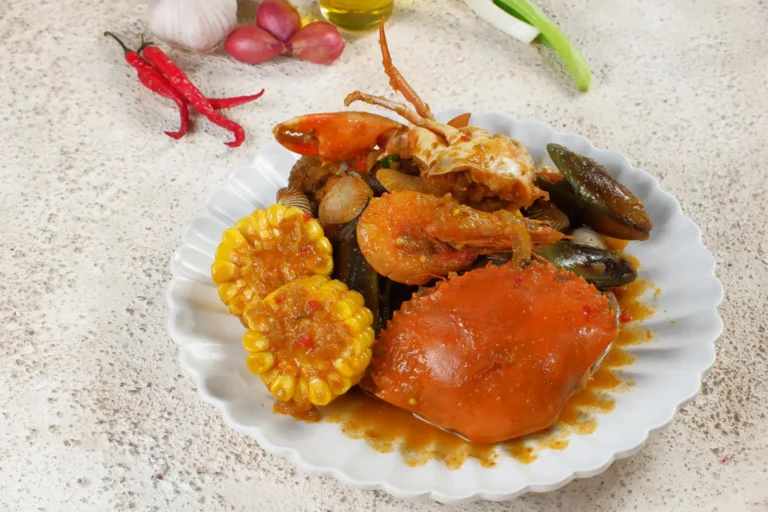
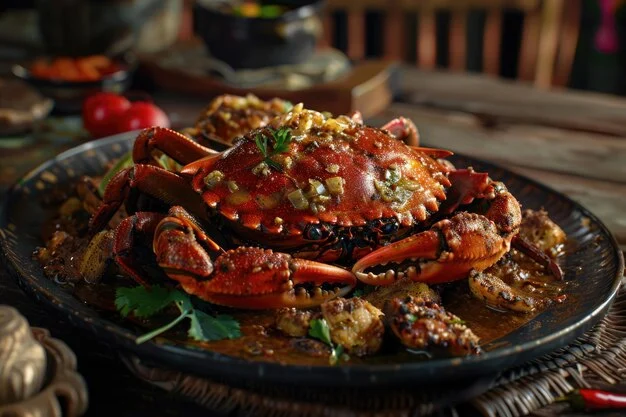

The beauty of Kepiting Saus Padang is its adaptability. While the core ingredients remain consistent, slight variations in the spice blend can create unique flavor profiles. This recipe aims for a classic, crowd-pleasing version, emphasizing the balance of heat, sweetness, and umami that defines authentic Padang cuisine.
Before we dive into the recipe, let’s appreciate the star ingredient: the crab. Choose fresh, high-quality crabs for the best results. Look for crabs that are lively and have a firm shell. Mud crabs and blue crabs are popular choices, but any crab variety can be used, depending on your preference and availability.
This recipe requires a good amount of preparation, mainly because of the spice paste. Don’t be intimidated! The effort is well worth the incredible flavors that await.
Ingredients: The Foundation of Flavor
Here’s a detailed list of the ingredients you’ll need to create your Kepiting Saus Padang masterpiece. Remember, the quality of your ingredients directly impacts the final taste, so source the best you can find.
For the Crab:
-
2-3 live crabs (about 1-1.5 kg total), cleaned and prepared (see preparation instructions below)
-
2 tablespoons cooking oil
-
100 ml water
For the Spice Paste (Bumbu Halus):
-
10-15 red chilies, seeded and roughly chopped (adjust to your spice preference)
-
5-7 bird’s eye chilies (optional, for extra heat)
-
8-10 shallots, peeled
-
4 cloves garlic, peeled
-
2-inch ginger, peeled and roughly chopped
-
2-inch galangal (laos), peeled and roughly chopped
-
1-inch turmeric (kunyit), peeled and roughly chopped (or 1 teaspoon turmeric powder)
-
1 teaspoon shrimp paste (terasi), toasted (optional, for depth of flavor)
-
1 tablespoon candlenuts (kemiri), toasted
-
1 teaspoon ground coriander
-
1/2 teaspoon ground cumin
-
1/4 teaspoon white pepper
For the Sauce:
-
2 stalks lemongrass, bruised
-
3-4 bay leaves
-
2-3 lime leaves (daun jeruk)
-
1 tablespoon tomato paste
-
2 tablespoons sweet soy sauce (kecap manis)
-
1 tablespoon oyster sauce
-
1 tablespoon fish sauce (optional, for added umami)
-
1 teaspoon sugar (or to taste)
-
Salt to taste
-
Water or crab stock (approximately 200-300 ml, adjust as needed)
-
Chopped scallions (for garnish)
-
Chopped cilantro (for garnish)
Crab Preparation: A Crucial First Step
-
Cleaning: Rinse the live crabs thoroughly under cold running water. Use a brush to scrub the shells, removing any dirt or debris.
-
Dispatching (Humane Method): The most humane way to dispatch a crab is to place it in the freezer for about 30 minutes. This will render it unconscious. Alternatively, you can quickly and decisively pierce the crab’s central nervous system (located at the bottom of the crab’s body) with a sharp knife.
-
Removing the Gills: Lift the flap on the crab’s underside (the apron) and remove the gills. The gills are located on the sides of the crab’s body and are inedible. You can use your fingers or a small knife to pull them out.
-
Cutting (Optional): Some cooks prefer to cut the crab in half or into smaller pieces to allow the sauce to penetrate better. If you choose to do this, use a heavy cleaver or knife and work on a sturdy surface. Be careful!
-
Rinsing Again: Rinse the prepared crab pieces one last time.
Making the Spice Paste (Bumbu Halus): The Heart of the Flavor
-
Blend the Ingredients: Combine all the ingredients for the spice paste (chilies, shallots, garlic, ginger, galangal, turmeric, shrimp paste, candlenuts, coriander, cumin, and white pepper) in a blender or food processor.
-
Add Liquid (If Needed): Add a small amount of water or cooking oil to help the blending process. You want a smooth, thick paste.
-
Blend Until Smooth: Blend until you achieve a smooth, homogenous paste. If using a mortar and pestle, grind the ingredients until you achieve the same consistency.
-
Taste and Adjust: Taste the paste (carefully, as it will be spicy!). Adjust the chilies or other spices according to your preference.
Cooking Instructions: Bringing it All Together
-
Sauté the Spice Paste: Heat the cooking oil in a large wok or deep pan over medium heat. Add the spice paste and sauté, stirring constantly, until fragrant and the oil separates (about 5-7 minutes). This step is crucial for developing the flavors.
-
Add Aromatics: Add the lemongrass, bay leaves, and lime leaves to the wok. Stir to combine and continue to sauté for another minute to release their aromas.
-
Add the Crab: Add the prepared crab to the wok. Stir-fry the crab for a few minutes until it starts to change color.
-
Add the Sauce Ingredients: Add the tomato paste, sweet soy sauce, oyster sauce, fish sauce (if using), sugar, and salt to the wok. Stir well to combine.
-
Add Liquid: Pour in the water or crab stock. The liquid should partially submerge the crab. Bring the mixture to a simmer.
-
Simmer and Cook: Cover the wok and let the crab simmer for 15-20 minutes, or until the crab is cooked through and the sauce has thickened. The cooking time will depend on the size of the crab. Check the crab’s doneness by pulling on a leg; it should come off easily.
-
Adjust Seasoning: Taste the sauce and adjust the seasoning as needed. You might need to add more salt, sugar, or a touch more sweet soy sauce.
-
Thicken the Sauce (Optional): If you want a thicker sauce, you can remove the crab and boil the sauce for a few more minutes to reduce it. Alternatively, you can mix a teaspoon of cornstarch with a little water and add it to the sauce to thicken it.
-
Garnish and Serve: Garnish the Kepiting Saus Padang with chopped scallions and cilantro. Serve immediately with steamed rice and enjoy!
Tips for Success: Elevating Your Dish
-
Freshness is Key: Use the freshest crabs you can find. The quality of the crab is paramount to the overall flavor of the dish.
-
Spice Level: Adjust the number of chilies to your desired spice level. Remember that the heat can vary depending on the type of chili.
-
Don’t Overcook: Overcooked crab becomes tough. Keep a close eye on the cooking time and remove the crab as soon as it’s cooked through.
-
Balance the Flavors: Pay attention to the balance of flavors. The sauce should be a harmonious blend of spicy, sweet, savory, and slightly tangy.
-
Use Quality Ingredients: Don’t skimp on the ingredients. Using high-quality spices and sauces will make a noticeable difference in the final taste.
-
Experiment with Variations: Feel free to experiment with different types of chilies, herbs, and spices to create your own unique version of Kepiting Saus Padang.
-
Crab Stock: If you have it, using crab stock instead of water will significantly enhance the flavor.
-
Serving Suggestions: Serve your Kepiting Saus Padang with plenty of steamed rice to soak up the delicious sauce. Other great accompaniments include fresh vegetables, such as cucumber and tomatoes, and a refreshing Indonesian drink like es teh manis (sweet iced tea).
Troubleshooting: Common Challenges and Solutions
-
The Sauce is Too Thin: Reduce the sauce by simmering it uncovered for a few minutes. Alternatively, add a cornstarch slurry (1 teaspoon cornstarch mixed with 1 tablespoon water).
-
The Sauce is Too Spicy: Add a little more sweet soy sauce or sugar to balance the heat. You can also add a dollop of coconut milk.
-
The Crab is Tough: Overcooked crab is tough. Make sure you don’t overcook the crab. If the crab is already tough, it’s difficult to fix.
-
The Sauce is Not Flavorful Enough: Ensure you’ve sautéed the spice paste long enough to develop its flavors. You might also need to add more salt, sugar, or other seasonings.
-
The Sauce is Too Salty: Add a little more sugar or a squeeze of lime juice to balance the saltiness.
Beyond the Basics: Enhancing Your Culinary Adventure
-
Add Vegetables: Include vegetables like onions, bell peppers, or mushrooms to add texture and flavor to the dish. Add them during the simmering stage.
-
Add Coconut Milk: For a richer, creamier sauce, add a can of coconut milk towards the end of the cooking process.
-
Use Different Types of Chilies: Experiment with different types of chilies to adjust the heat and flavor profile. Consider using a mix of red chilies, bird’s eye chilies, and even dried chilies.
-
Add Herbs: Fresh herbs like Thai basil or cilantro can add a fresh, aromatic element to the dish. Add them towards the end of cooking.
-
Make it a Seafood Medley: Combine crab with other seafood like shrimp, mussels, or squid for a more diverse and flavorful dish.
Kepiting Saus Padang is more than just a dish; it’s a reflection of Indonesian culinary heritage. The use of bold spices and fresh ingredients is a hallmark of Indonesian cuisine, and this dish exemplifies that perfectly. It is a dish often enjoyed during special occasions, family gatherings, and celebrations. Sharing a plate of Kepiting Saus Padang is a communal experience, fostering connection and creating lasting memories.
The dish’s popularity extends beyond Indonesia’s borders, with many restaurants around the world serving their versions of Kepiting Saus Padang. However, the authenticity of the dish lies in the meticulous preparation of the spice paste and the use of fresh, high-quality ingredients. It is a testament to the power of food to bring people together and celebrate cultural diversity.
Where to Find Ingredients: A Guide for Success
-
Crab: Fresh seafood markets, local fishmongers, and well-stocked supermarkets often carry live crabs.
-
Chilies and Spices: Asian grocery stores are your best bet for finding fresh chilies, galangal, turmeric, candlenuts, and shrimp paste. Some supermarkets also carry these ingredients in the produce or international aisle.
-
Sauces: Sweet soy sauce (kecap manis), oyster sauce, and fish sauce are readily available in most supermarkets or Asian grocery stores.
-
Lemongrass, Lime Leaves, and Other Herbs: These ingredients are often available in the produce section of supermarkets or at farmers’ markets.
Cooking Kepiting Saus Padang is a rewarding experience. The process, from preparing the spice paste to simmering the crab in the flavorful sauce, is a sensory delight. The aroma that fills your kitchen as the spices sizzle and the crab cooks is simply irresistible. And the moment you take your first bite, you’ll be transported to a world of bold, exciting flavors.
Don’t be afraid to experiment and adjust the recipe to your taste. The most important thing is to enjoy the process and savor the delicious results. This dish is a true celebration of Indonesian cuisine, and it’s a culinary adventure that you’ll want to experience again and again.
Conclusion: Your Kepiting Saus Padang Journey Begins Now!
With this comprehensive guide, you’re now equipped with the knowledge and skills to create your own authentic Kepiting Saus Padang. Embrace the flavors, enjoy the process, and share this culinary masterpiece with your loved ones. Selamat mencoba! (Happy cooking!)