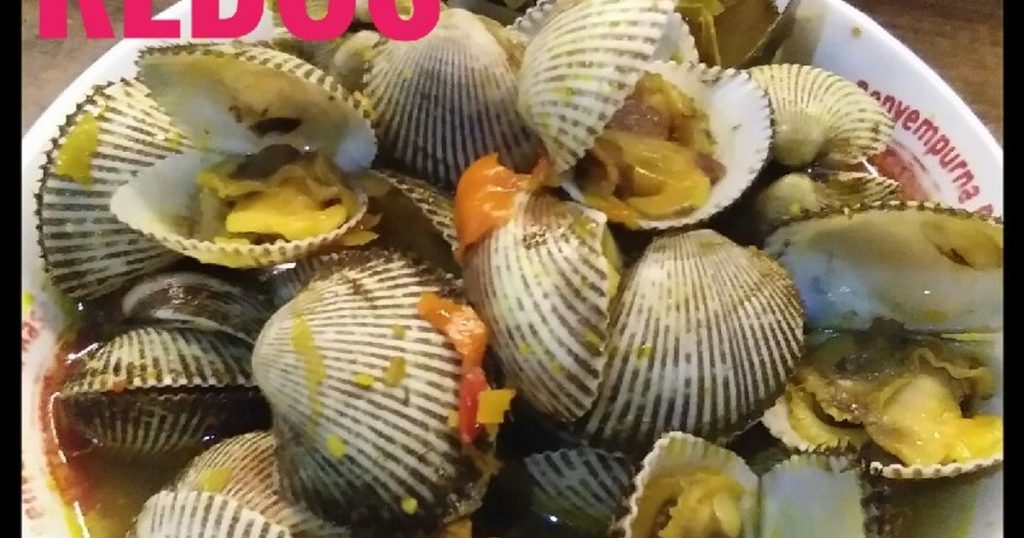

This comprehensive guide will unravel the secrets behind crafting this exquisite dish, providing you with step-by-step instructions, ingredient insights, and helpful tips to ensure your ‘Kerang Rebus Bumbu Kuning’ is a resounding success. Get ready to impress your family and friends with a dish that’s both flavorful and incredibly easy to prepare.
The beauty of ‘Resep Kerang Rebus Bumbu Kuning’ lies in its simplicity. The core ingredients are readily available, and the cooking process is straightforward. However, the true magic resides in the ‘bumbu kuning’ – the vibrant yellow spice paste that infuses the clams with its signature aroma and taste. This paste is a blend of aromatic spices, creating a complex flavor profile that is both comforting and exhilarating.
Before diving into the recipe, let’s explore the essential components that make this dish so special. Firstly, the star of the show: the clams. Fresh, high-quality clams are crucial for a truly authentic and delicious experience. Secondly, the ‘bumbu kuning’, the heart and soul of the dish. And finally, a few supporting ingredients that enhance the overall flavor and texture.
Selecting the Freshest Clams: The Foundation of Flavor
Appearance: Look for clams with tightly closed shells. Avoid any that are open or cracked, as these may be dead.
Smell: Fresh clams should have a clean, briny smell, reminiscent of the ocean. Avoid any that have a strong, unpleasant odor.
Feel: When you tap a live clam, it should close its shell. This indicates that it’s still alive and fresh.
Source: Purchase your clams from a reputable seafood market or vendor. Ensure they are stored properly, preferably on ice.
Once you’ve selected your clams, it’s time to give them a thorough cleaning. Rinse them under cold running water, scrubbing the shells with a brush to remove any sand or debris. This step is crucial for preventing a gritty texture in your final dish.
Crafting the Aromatic ‘Bumbu Kuning’: The Flavor Catalyst
Turmeric (Kunyit): This is the star ingredient, providing the vibrant yellow color and earthy flavor. Use fresh turmeric root for the best results, but turmeric powder can be substituted.
Shallots (Bawang Merah): These add a sweet and savory depth to the paste.
Garlic (Bawang Putih): Garlic contributes a pungent aroma and adds another layer of flavor.
Candlenuts (Kemiri): Candlenuts are essential for thickening the paste and providing a rich, nutty flavor. If candlenuts are unavailable, you can substitute with macadamia nuts.
Galangal (Lengkuas): This rhizome adds a unique citrusy and earthy note.
Ginger (Jahe): Ginger adds warmth and a subtle spiciness.
Lemongrass (Sereh): Lemongrass provides a refreshing, citrusy aroma and flavor.
Kencur (Kaempferia galanga): Kencur adds a unique, slightly peppery flavor that is characteristic of many Indonesian dishes. This can be omitted if unavailable, but it does contribute significantly to the authentic taste.
Chili Peppers (Cabe Rawit or Chili Padi): These add heat to the paste. Adjust the quantity according to your spice preference.
Salt and Sugar: These balance the flavors and enhance the overall taste.
In a food processor or blender, combine all the ingredients for the ‘bumbu kuning’. Add a small amount of water to help the ingredients blend smoothly.
Process the ingredients until you achieve a smooth paste. The consistency should be slightly thick.
If you’re using fresh turmeric, ginger, and galangal, you may need to chop them roughly before adding them to the food processor to ensure they blend properly.
The Complete ‘Resep Kerang Rebus Bumbu Kuning’ Recipe
1 kg fresh clams, cleaned
4 tablespoons ‘bumbu kuning’ paste (recipe above)
200 ml water
1-2 stalks lemongrass, bruised (optional, for added aroma)
Salt to taste
Sugar to taste (optional)
Fresh coriander leaves, chopped (for garnish)
Lime wedges (for serving)
In a large pot or steamer, combine the cleaned clams, ‘bumbu kuning’ paste, water, and bruised lemongrass (if using).
Bring the mixture to a boil over medium-high heat. Stir gently to ensure the ‘bumbu kuning’ is evenly distributed.
Reduce the heat to medium and cover the pot. Steam the clams for 5-7 minutes, or until they have opened. Discard any clams that do not open.
Season with salt and sugar to taste. Adjust the seasoning as needed.
Remove the pot from the heat.
Garnish with chopped fresh coriander leaves.
Serve immediately with lime wedges.
Tips for Success: Elevating Your ‘Kerang Rebus Bumbu Kuning’
Don’t Overcook the Clams: Overcooked clams become tough and rubbery. Cook them just until they open.
Adjust the Spice Level: Control the heat by adjusting the number of chili peppers in the ‘bumbu kuning’.
Freshness is Key: Use the freshest ingredients possible for the best flavor.
Experiment with Variations: Feel free to add other ingredients to the ‘bumbu kuning’, such as shrimp paste (terasi) for added umami.
Serve Immediately: ‘Kerang Rebus Bumbu Kuning’ is best enjoyed immediately after cooking.
Consider the Cooking Vessel: A steamer is ideal, but a large pot with a lid will also work. Ensure the clams are in a single layer if possible, or stir frequently.
Taste and Adjust: Always taste the broth and adjust the seasonings (salt, sugar) to your preference.
Serving Suggestions: Complementing the Flavors
As a Main Course: Serve the clams with steamed rice and a side of fresh vegetables for a complete meal.
As an Appetizer: Offer the clams as a flavorful appetizer for your guests.
With Sambal: Serve with a side of your favorite sambal (chili paste) for an extra kick.
With Lime: The lime wedges are essential for adding a burst of freshness and acidity, balancing the richness of the dish.
With Fried Tofu or Tempeh: These are popular accompaniments in Indonesian cuisine, providing a contrasting texture and flavor.
Beyond the Recipe: Exploring Indonesian Culinary Culture
‘Resep Kerang Rebus Bumbu Kuning’ is more than just a recipe; it’s a gateway to understanding Indonesian culinary culture. The use of fresh, aromatic spices, the emphasis on balance of flavors, and the communal aspect of sharing food are all integral parts of Indonesian cuisine.
Indonesia’s diverse archipelago boasts a rich culinary heritage, with regional variations and unique flavor profiles. Exploring dishes like ‘Kerang Rebus Bumbu Kuning’ allows you to appreciate the artistry and passion behind Indonesian cooking.
Gado-Gado: A vibrant salad with peanut sauce.
Nasi Goreng: Indonesian fried rice.
Sate: Grilled skewers of marinated meat.
Rendang: Slow-cooked beef in coconut milk and spices.
Soto Ayam: Chicken soup with rice vermicelli.
Troubleshooting: Common Challenges and Solutions
Clams Didn’t Open: This usually indicates the clams were dead before cooking. Discard any clams that don’t open after steaming.
Dish is Too Bland: Add more salt, sugar, or ‘bumbu kuning’ paste to enhance the flavor.
Dish is Too Spicy: Reduce the amount of chili peppers in the ‘bumbu kuning’ or serve with plain rice and lime to dilute the heat.
Dish is Too Gritty: Ensure you thoroughly clean the clams before cooking.
Conclusion: Savoring the Flavor of Indonesia
‘Resep Kerang Rebus Bumbu Kuning Yang Gurih Segar’ is a culinary adventure that brings the vibrant flavors of Indonesia to your table. From the selection of fresh clams to the preparation of the aromatic ‘bumbu kuning’, every step is a testament to the art of Indonesian cooking.
By following this guide, you can confidently create a dish that is both flavorful and memorable. So, gather your ingredients, embrace the process, and prepare to savor the deliciousness of ‘Kerang Rebus Bumbu Kuning’. Selamat menikmati (Enjoy)!
This recipe is a celebration of Indonesian cuisine, a journey through its flavors, and an invitation to explore the culinary wonders of the archipelago. Embrace the opportunity to learn, create, and share this delightful dish with loved ones. Happy cooking!
The beauty of this recipe also lies in its adaptability. Feel free to adjust the spice levels to your preference, add other vegetables like sliced tomatoes or green onions to the broth for added texture and flavor, or even incorporate other seafood like mussels or shrimp. The possibilities are truly endless, allowing you to tailor the dish to your personal tastes and preferences.
Don’t be afraid to experiment with different types of clams, too. While this recipe is traditionally made with local Indonesian clams, you can also use other varieties, such as Manila clams or littleneck clams, depending on what’s available in your area. The key is to ensure the clams are fresh and of good quality.
Finally, remember that cooking should be a joyful experience. Take your time, enjoy the process, and don’t be afraid to make mistakes. Each attempt is an opportunity to learn and refine your skills. With a little practice, you’ll be able to master the art of ‘Resep Kerang Rebus Bumbu Kuning’ and create a dish that will impress and delight everyone who tries it.
So, gather your ingredients, put on some Indonesian music, and let the aromas of the ‘bumbu kuning’ fill your kitchen. It’s time to embark on a culinary adventure that will transport your senses to the heart of Indonesia. Selamat memasak dan selamat menikmati!
Consider pairing your ‘Kerang Rebus Bumbu Kuning’ with a cold Bintang beer, a popular Indonesian beverage, for the ultimate dining experience. The refreshing beer complements the rich flavors of the dish perfectly.
For a vegetarian twist, you can adapt the ‘bumbu kuning’ to create a delicious vegetable stew. Simply use the ‘bumbu kuning’ as a base and add your favorite vegetables, such as carrots, potatoes, and green beans. This will provide a similar flavor profile and aromatic experience without the clams.