
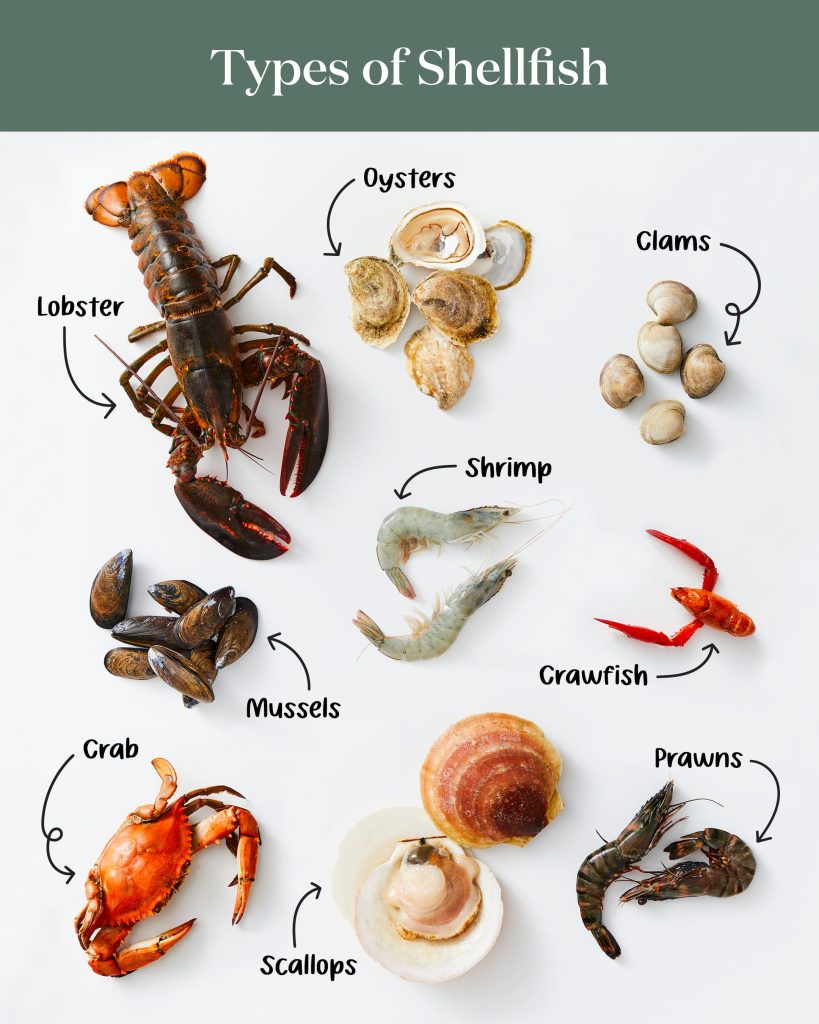

Whether you’re a seasoned chef or a home cook eager to expand your seafood repertoire, mastering these techniques will elevate your culinary skills and transform your approach to preparing shellfish. We’ll explore various methods tailored to different types of shellfish, from the familiar clams and mussels to the more exotic oysters and scallops.
Before we dive into the specific techniques, let’s address the importance of proper preparation. Freshness is paramount when it comes to shellfish. Always source your shellfish from a reputable supplier and ensure they are alive and vibrant before cooking. Live shellfish will have tightly closed shells or, in the case of oysters and scallops, will close their shells when tapped.
Give the shellfish a thorough rinse under cold running water to remove any sand or debris. Discard any shellfish that have open shells that don’t close when tapped, as they may be dead and unsafe to consume. For mussels and clams, consider soaking them in cold, salted water for about 20 minutes to help them purge any remaining sand.
Let’s begin with the most common types of shellfish and the techniques best suited for them. We’ll start with the humble yet versatile clam.
Opening Clams: Clams are often the gateway shellfish, and opening them can be surprisingly easy with the right approach. The key is to locate the hinge, the point where the two shells connect.
Method 1: The Knife Method: This is the most widely used technique and requires a clam knife or a sturdy, short-bladed knife. Insert the knife’s tip into the hinge, applying gentle pressure while wiggling the knife back and forth. Once you feel the hinge loosen, twist the knife to pry the shell open. Slide the knife along the inside of the top shell to sever the adductor muscles (the muscles that hold the shell closed). Repeat for the bottom shell, and then carefully detach the clam from the shell.
Method 2: The Steaming Method: Steaming clams is another simple and effective method. Place the clams in a pot with a small amount of liquid (water, wine, or broth) and steam them over medium-high heat until the shells open. This usually takes about 5-7 minutes. Once opened, the clams are ready to eat. Be careful not to overcook them, as they will become tough.
Method 3: The Microwave Method (For Quick Cooking): Place a few clams in a microwave-safe bowl with a splash of water. Cover with a lid or plastic wrap and microwave on high for 1-2 minutes, or until the shells open. This method is quick but can sometimes result in tougher clams. Monitor closely to prevent overcooking.
Opening Mussels: Mussels, with their distinctive shape and rich flavor, are another popular choice. Opening mussels is generally easier than opening clams.
Method 1: The Knife Method: Similar to clams, use a knife to pry open the mussel. Locate the narrow end of the mussel, where the shell tapers to a point. Insert the knife tip into this end and twist to separate the shells. Slide the knife along the inside of the shell to sever the adductor muscles.
Method 2: The Steaming Method: Steaming is the preferred method for mussels. Place the mussels in a pot with a small amount of liquid (water, wine, or broth) and steam them over medium-high heat until the shells open. Discard any mussels that do not open after steaming. This usually takes around 5-7 minutes.
Method 3: Cooking Directly: Mussels can be directly cooked in sauces or stews. As they cook, the shells will naturally open, releasing their flavorful juices. Ensure the mussels are cooked through and discard any that remain closed.
Opening Oysters: Oysters, with their complex flavor profiles, are a true delicacy. Opening oysters requires a bit more skill and a specialized tool: an oyster knife.
Method 2: The Oven Method: Place oysters on a baking sheet and bake in a preheated oven at 400°F (200°C) for 5-7 minutes, or until the shells slightly open. This method makes the opening process easier, but it can slightly alter the oyster’s texture. Use tongs to remove the oysters from the oven, and then use an oyster knife to pry them open completely.
Opening Scallops: Scallops, with their delicate sweetness, are a treat. While bay scallops are often sold shucked, sea scallops require some finesse to open.
Method 1: The Knife Method: Hold the scallop flat-side down on a stable surface. Insert the tip of a thin, flexible knife (a clam knife or a small paring knife works well) into the small opening along the side of the scallop. Gently slide the knife along the inside of the shell to sever the adductor muscle that holds the two shells together. Open the shell and detach the scallop.
Method 2: Cooking Directly (for Sea Scallops): Sea scallops are often cooked in their shells. Simply sear them in a hot pan with a little oil or butter until the muscle releases and the shell opens slightly. Then, use a knife to detach the scallop from the shell.
- Clam Knife: A short, sturdy knife with a blunt tip, designed for prying open clam shells.
- Oyster Knife: A short, sturdy knife with a thick, sharp blade and a guard to protect your hand.
- Kitchen Knife: A small paring knife or a thin, flexible knife can be used for scallops.
- Oyster Glove or Thick Towel: To protect your hand while opening oysters.
- Tongs: For handling hot shellfish.
- Cutting Board: A stable surface for opening shellfish.
- Practice Makes Perfect: Don’t be discouraged if you don’t succeed on your first try. Practice makes perfect.
- Use Fresh Shellfish: Fresh shellfish are easier to open and taste better.
- Work Over a Bowl: Catch any juices that escape to avoid losing flavor.
- Be Patient: Don’t rush the process. Take your time and be careful.
- Clean Up: Discard empty shells and clean your work surface thoroughly.
- Shells are Difficult to Open: The shellfish may not be fresh, or your knife may not be sharp enough. Try a different knife or try steaming the shellfish for a short time to loosen the shells.
- Damaged Meat: Use a gentle touch and avoid forcing the knife. Practice makes it easier to slide the knife along the shell without damaging the meat.
- Shell Fragments: Rinse the opened shellfish thoroughly to remove any shell fragments.
- Brining: Soak shellfish in saltwater for a short time to enhance their flavor.
- Marinating: Marinate shellfish in herbs, spices, and citrus juices before cooking.
- Cooking Methods: Experiment with different cooking methods, such as grilling, baking, frying, or adding the shellfish to various sauces and stews.
- Buy from a Reputable Source: Ensure the shellfish are fresh and sourced from a reliable supplier.
- Store Properly: Store live shellfish in the refrigerator, covered with a damp cloth, and consume them within a day or two.
- Cook Thoroughly: Always cook shellfish to an internal temperature of 145°F (63°C) to kill any harmful bacteria.
- Discard Unopened Shellfish: Discard any shellfish that do not open during cooking.
- Be Mindful of Allergies: If you are allergic to shellfish, avoid consuming them.
The Culinary Rewards: Opening shellfish might seem like a chore, but the rewards are well worth the effort. The delicate flavors and textures of freshly opened shellfish are a culinary delight. From the briny sweetness of oysters to the tender succulence of clams, shellfish offers a diverse range of flavors and textures that can elevate any meal.
Expanding Your Culinary Horizons: With these techniques in hand, you’re ready to explore the vast world of shellfish cookery. Experiment with different recipes, cooking methods, and flavor combinations. Don’t be afraid to try new things and let your culinary creativity flow.
Conclusion: Opening shellfish with precision and ease is a skill that any seafood enthusiast can master. By following these techniques and tips, you can unlock the ocean’s bounty and enjoy the freshest, most flavorful shellfish dishes imaginable. So, grab your knife, embrace the challenge, and embark on a culinary adventure that will tantalize your taste buds and impress your guests.
Beyond the Basics: Sustainability and Ethical Considerations: As you enjoy the fruits of the sea, it’s essential to consider the environmental impact of your choices. Choosing sustainably sourced shellfish helps ensure that these delicacies remain available for future generations.
- Look for Certifications: Look for certifications from organizations like the Marine Stewardship Council (MSC) to ensure the shellfish are sustainably harvested.
- Consider the Origin: Research the origin of your shellfish and choose suppliers that practice responsible fishing or aquaculture methods.
- Support Local Fisheries: Support local fisheries and businesses that prioritize sustainability.
- Serve on Ice: Arrange opened shellfish on a bed of crushed ice to keep them chilled and visually appealing.
- Garnish with Fresh Herbs: Garnish your dishes with fresh herbs like parsley, chives, or dill to add color and flavor.
- Offer Accompaniments: Provide classic accompaniments like lemon wedges, mignonette sauce, or cocktail sauce.
- Use Attractive Serving Dishes: Use attractive serving dishes to enhance the presentation.
Final Thoughts: Opening shellfish is a culinary skill that opens doors to a world of flavors and culinary creativity. With practice, patience, and the right techniques, you can master this art and enjoy the freshest, most delicious shellfish dishes. Happy shucking!
- Cookbooks: Explore cookbooks dedicated to seafood and shellfish.
- Online Resources: Watch online tutorials and read articles about shellfish preparation.
- Cooking Classes: Take a cooking class to learn from experienced chefs.