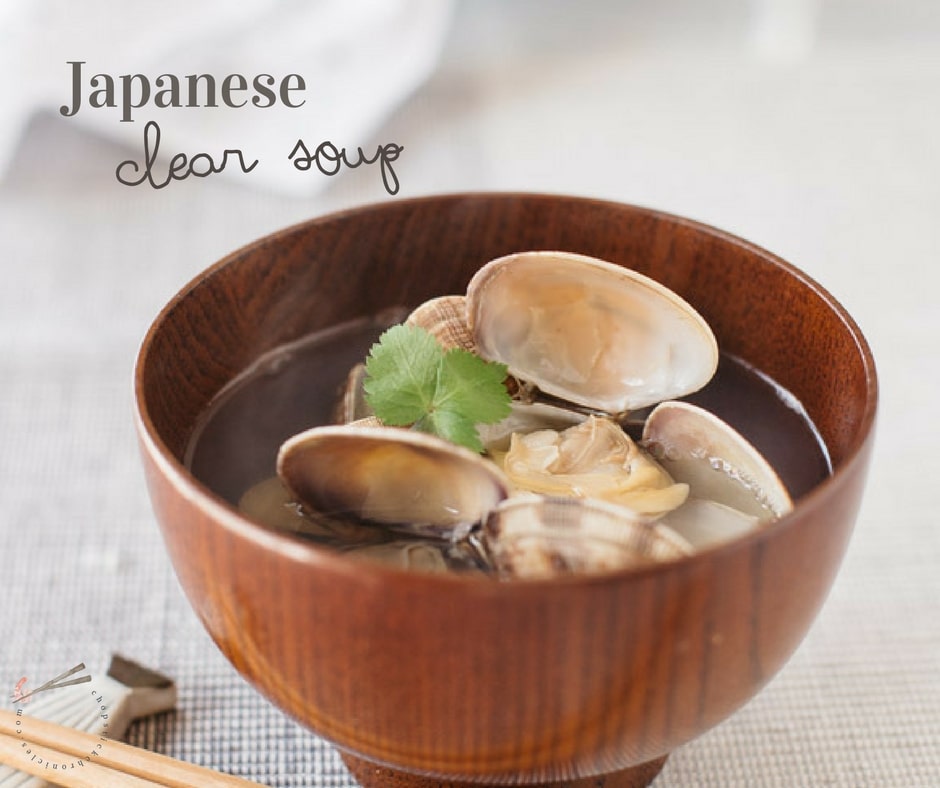
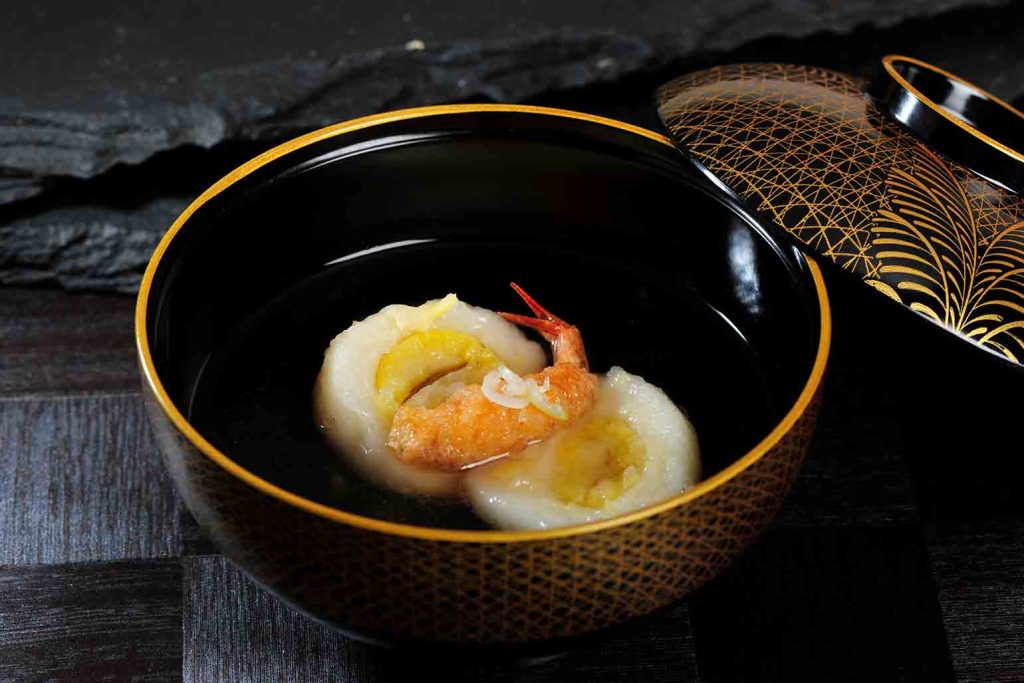

What is Suimono?
Suimono is a clear broth soup, typically seasoned with soy sauce, sake, and a touch of salt. Its defining characteristic is its clarity – the broth should be translucent, allowing the delicate flavors of the ingredients to shine through. Unlike heavier soups, Suimono is light and refreshing, designed to cleanse the palate and stimulate the appetite. It often features seasonal ingredients, reflecting the Japanese appreciation for the freshest produce available.
The Essence of a Great Seafood Clear Soup: Dashi
The foundation of any excellent Suimono is the dashi, a flavorful Japanese soup stock. While there are various types of dashi, the most common for seafood clear soup is kombu (kelp) dashi or a combination of kombu and katsuobushi (dried bonito flakes).
Kombu Dashi: This vegetarian dashi is made by simmering dried kombu in water. It provides a subtle umami flavor that forms the base of the soup.
Kombu and Katsuobushi Dashi: This dashi combines the umami of kombu with the smoky flavor of katsuobushi. It adds depth and complexity to the broth.
Ingredients for Seafood Clear Soup (Serves 4)
- 4 cups water
- 4-inch piece of kombu (dried kelp)
- 1 cup katsuobushi (dried bonito flakes) (optional)
- 8 oz mixed seafood (shrimp, scallops, white fish, clams, mussels – choose your favorites)
- 4 shiitake mushrooms, thinly sliced
- 1/4 cup thinly sliced green onions
- 1 tablespoon soy sauce
- 1 tablespoon sake
- 1/2 teaspoon salt (or to taste)
- Pinch of white pepper
- Optional garnishes: Mitsuba (Japanese parsley), yuzu zest, or a few drops of sesame oil
Step-by-Step Instructions: Crafting the Perfect Broth
-
Wipe the kombu with a damp cloth to remove any surface impurities. Do not wash it, as this will remove the umami-rich compounds.
-
Place the kombu in a pot with 4 cups of water. Let it soak for at least 30 minutes, or preferably overnight, to allow the kombu to release its flavor.
-
Place the pot over medium heat and bring it to a simmer. Do not boil. Remove the kombu just before the water boils, as boiling can make the dashi bitter.
-
Follow steps 1-3 for making kombu dashi.
-
Once the kombu is removed, bring the dashi to a boil.
-
Add the katsuobushi and immediately remove the pot from the heat.
-
Let the katsuobushi steep for 2-3 minutes, then strain the dashi through a fine-mesh sieve lined with cheesecloth. Discard the katsuobushi.
Preparing the Seafood and Other Ingredients
-
Prepare the seafood: Ensure your seafood is fresh and properly cleaned. Cut larger pieces of fish into bite-sized portions. If using clams or mussels, scrub them thoroughly to remove any sand or grit.
-
Slice the shiitake mushrooms thinly. You can also score the caps in a decorative pattern for visual appeal.
-
Thinly slice the green onions. Reserve some for garnish.
Assembling the Seafood Clear Soup
-
In a clean pot, bring the dashi to a gentle simmer.
-
Add the shiitake mushrooms and simmer for 2-3 minutes to release their flavor.
-
Add the seafood to the pot. Simmer gently until the seafood is cooked through. Be careful not to overcook the seafood, as it will become tough.
-
Season the soup with soy sauce, sake, salt, and white pepper. Adjust the seasoning to your taste.
-
Stir in the sliced green onions.
Serving the Suimono
-
Ladle the soup into individual bowls.
-
Garnish with mitsuba, yuzu zest, or a few drops of sesame oil, if desired.
-
Serve immediately and enjoy the delicate flavors of your homemade Seafood Clear Soup.
Tips for a Crystal-Clear Broth
- Use High-Quality Ingredients: The better the ingredients, the better the flavor of your soup.
- Don’t Boil the Dashi: Boiling the kombu or katsuobushi can make the dashi bitter.
- Strain the Dashi Carefully: Use a fine-mesh sieve lined with cheesecloth to remove any impurities.
- Skim the Surface: As the soup simmers, skim off any foam or impurities that rise to the surface.
- Don’t Overcook the Seafood: Overcooked seafood will be tough and rubbery.
Variations on Seafood Clear Soup
Clam Suimono (Hamaguri Suimono): This classic variation features fresh clams as the star ingredient. The clams impart a briny sweetness to the broth.
Shrimp Suimono (Ebi Suimono): Use shrimp as the main seafood component. Add a few shrimp heads to the dashi while simmering to enhance the shrimp flavor.
Tofu and Wakame Suimono: For a vegetarian option, replace the seafood with silken tofu and wakame seaweed. The tofu adds a delicate texture, while the wakame provides a subtle oceanic flavor.
Matsutake Mushroom Suimono: If you can get your hands on matsutake mushrooms (a prized seasonal delicacy), add them to your Suimono for an incredibly aromatic and flavorful experience.
Yuzu Suimono: Add a generous amount of yuzu zest and juice to the soup for a bright and citrusy flavor.
Health Benefits of Seafood Clear Soup
Low in Calories: Suimono is a light and refreshing soup, making it a great option for those watching their calorie intake.
Rich in Nutrients: Seafood is a good source of protein, omega-3 fatty acids, and various vitamins and minerals.
Hydrating: The broth helps to keep you hydrated.
Easy to Digest: The light and clear broth is easy on the digestive system.
Serving Suggestions
An appetizer: To stimulate the appetite before a meal.
A palate cleanser: Between courses to refresh the palate.
A light meal: On its own for a light and healthy lunch or dinner.
Part of a traditional Japanese meal: Alongside other dishes such as sushi, sashimi, or tempura.
The Art of Presentation
Use beautiful bowls: Choose bowls that complement the color and texture of the soup.
Arrange the ingredients artfully: Place the seafood and other ingredients in an attractive arrangement.
Garnish with fresh herbs: A sprig of mitsuba or a sliver of yuzu zest can add a touch of elegance.
Advanced Techniques: Elevating Your Suimono Game
Infusing the Dashi: Experiment with infusing the dashi with other ingredients, such as ginger, lemongrass, or chili peppers, to add unique flavors.
Using Different Types of Dashi: Explore different types of dashi, such as shiitake dashi or iriko (dried sardine) dashi, to create different flavor profiles.
Creating Decorative Garnishes: Learn how to create decorative garnishes, such as carrot flowers or cucumber ribbons, to enhance the visual appeal of the soup.
Mastering the Art of Cutting: Practice your knife skills to create beautifully cut ingredients that will elevate the presentation of your Suimono.
Conclusion: A Taste of Japan in Every Bowl
Seafood Clear Soup, or Suimono, is a testament to the beauty of simplicity in Japanese cuisine. By mastering the art of crafting a flavorful dashi and carefully selecting fresh, high-quality ingredients, you can create a soup that is both delicious and visually stunning. Whether you’re a seasoned cook or a beginner in the kitchen, this recipe offers a rewarding culinary experience that will transport you to the heart of Japan with every spoonful. So, gather your ingredients, sharpen your knives, and embark on a journey to create the perfect bowl of Seafood Clear Soup. Itadakimasu! (Let’s eat!)
Frequently Asked Questions (FAQ)
Q: Can I use dried shrimp to make the dashi?
A: Yes, you can use dried shrimp (ebi) to make dashi. It will impart a strong shrimp flavor to the broth. Soak the dried shrimp in water for about 30 minutes before simmering to soften them and release their flavor.
Q: Can I use chicken broth instead of dashi?
A: While chicken broth can be used in a pinch, it will significantly alter the flavor profile of the soup. Dashi provides a unique umami flavor that is essential to authentic Suimono. If you must substitute, use a light, low-sodium chicken broth.
Q: How long can I store leftover Suimono?
A: Leftover Suimono can be stored in an airtight container in the refrigerator for up to 2 days. Reheat gently before serving. Be aware that the seafood may become slightly tougher upon reheating.
Q: Can I freeze Suimono?
A: Freezing Suimono is not recommended, as the texture of the seafood and other ingredients can be affected. The broth may also become cloudy.
Q: Where can I find kombu and katsuobushi?
A: Kombu and katsuobushi can be found at most Asian grocery stores or online retailers specializing in Japanese ingredients.
Q: What is mitsuba?
A: Mitsuba is a Japanese parsley with a delicate, slightly bitter flavor. It is often used as a garnish in Japanese soups and other dishes. If you cannot find mitsuba, you can substitute it with cilantro or flat-leaf parsley.
Q: What is yuzu?
A: Yuzu is a Japanese citrus fruit with a unique aroma and flavor that is a cross between a lemon, grapefruit, and mandarin orange. The zest and juice are used in various Japanese dishes. If you cannot find yuzu, you can substitute it with a combination of lemon and grapefruit zest and juice.
Q: How do I prevent the seafood from overcooking?
A: The key to preventing overcooked seafood is to add it to the soup at the very end and simmer it gently until just cooked through. The cooking time will vary depending on the type and size of the seafood. Watch it carefully and remove it from the heat as soon as it is cooked.
Q: Can I add noodles to Suimono?
A: While Suimono is traditionally a clear soup without noodles, you can add a small amount of thin Japanese noodles, such as somen or udon, to make it a more substantial meal. Cook the noodles separately and add them to the soup just before serving.