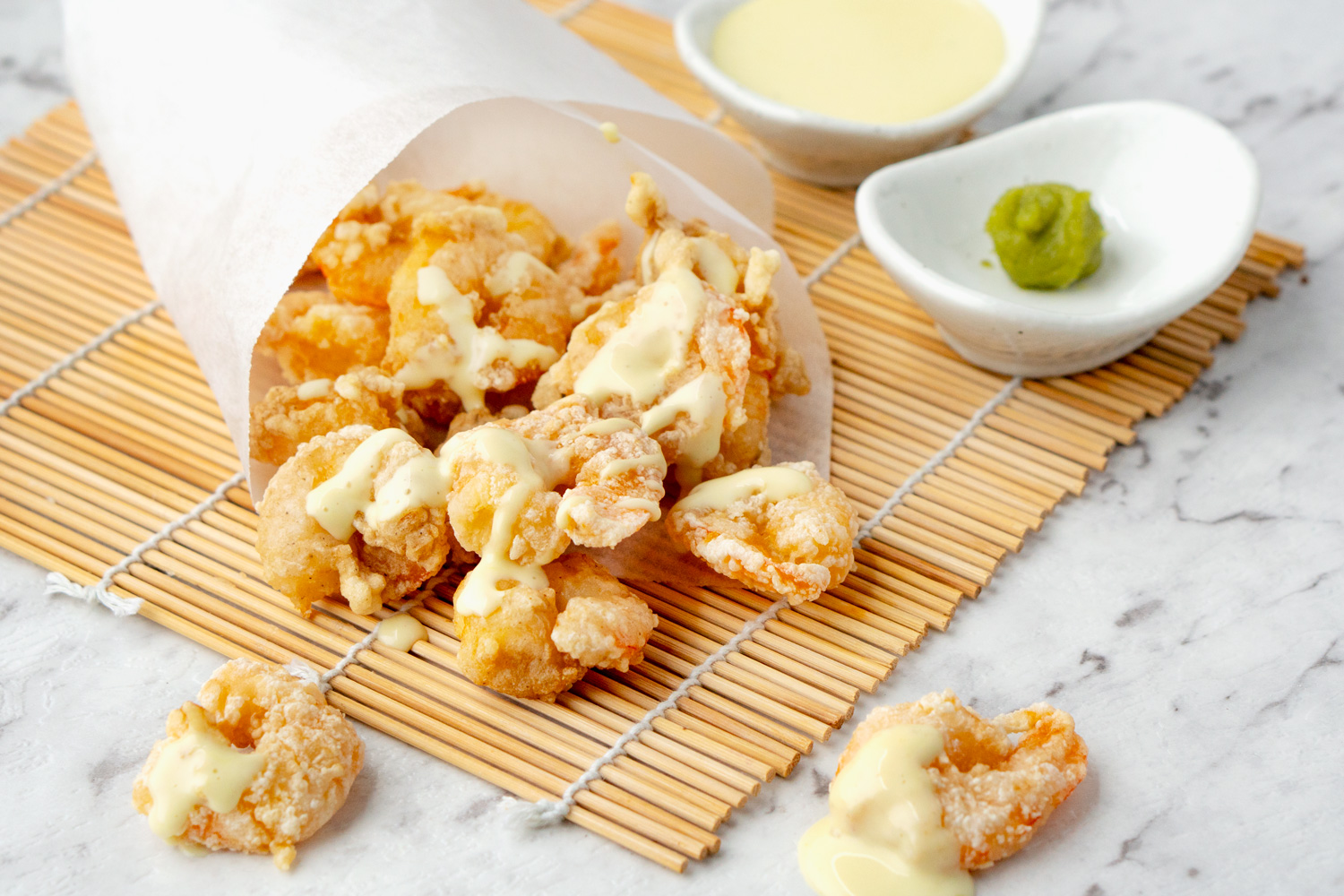
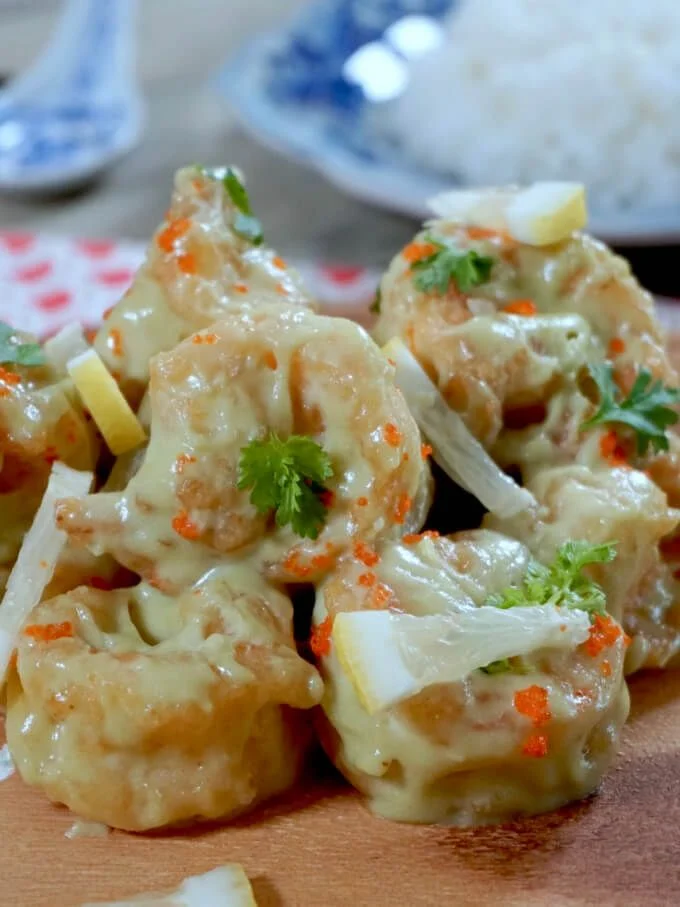

The genius of this dish lies in its balance. On one hand, you have the crispy, deep-fried prawns, which provide a satisfying crunch and a savory base. On the other hand, you have the sauce—a velvety mixture of mayonnaise, condensed milk, and wasabi paste. The result is a flavor profile that oscillates between sweet, savory, creamy, and pungent. Unlike traditional spicy dishes that burn the tongue, wasabi offers a unique kind of heat that stimulates the senses without overwhelming the delicate taste of the prawn itself. This article will serve as your definitive guide to creating this masterpiece, breaking down every component from ingredient selection to the final garnish.
Understanding the Key Ingredients
The second most critical component is the mayonnaise. While any mayonnaise can technically work, purists and chefs alike recommend using Japanese Kewpie mayonnaise. Unlike its Western counterparts, which are often made with whole eggs and distilled vinegar, Kewpie mayo is made using only egg yolks and rice vinegar or apple cider vinegar. This results in a richer, creamier texture and a slightly sweeter, more umami-forward flavor profile that binds perfectly with the sharp wasabi.
Speaking of wasabi, the type you choose will dictate the intensity of the dish. Freshly grated wasabi root is a rare luxury and offers a floral, herbal heat. However, for most home cooks, high-quality wasabi paste from a tube or a powder mixed with water is the standard. When selecting a paste, look for one that lists distinct horseradish content. The goal is to introduce a kick that cuts through the fat of the mayonnaise and the fried batter, cleansing the palate with every bite.
The Science of the Batter
A soggy prawn is a culinary tragedy. The hallmark of an excellent Wasabi Prawn dish is a crust that remains crispy even after being tossed in the creamy sauce. This requires a specific approach to battering. Standard flour alone will not suffice. Instead, a mixture of cornstarch (corn flour) and potato starch is often employed. Potato starch, in particular, is prized in Asian frying techniques (like Karaage) because it creates a lighter, airier, and crispier coating that resists absorbing moisture.
Before battering, it is crucial to marinate the prawns. A simple marinade of salt, white pepper, and a splash of Shaoxing wine or sesame oil helps to season the meat from within. Some chefs also add an egg white to the marinade. The protein in the egg white creates a sticky surface for the starch to adhere to, ensuring the coating doesn’t slide off during the frying process. It also creates a protective barrier that keeps the prawn juicy.
The Double-Frying Technique
If you have ever wondered why restaurant fried foods stay crispy longer than homemade versions, the secret is often the double-fry method. This technique involves frying the food twice at different temperatures. The first fry is done at a lower temperature (around 320°F or 160°C) to cook the prawn through without burning the exterior. The prawns are then removed and allowed to rest, during which time the residual heat finishes cooking the interior and moisture migrates to the surface.
The second fry is a flash-fry at a higher temperature (around 375°F or 190°C). This final dip lasts only for a minute or less—just enough to drive off surface moisture and harden the starch crust into a golden, shattering shell. This step is non-negotiable if you want your Wasabi Prawns to maintain their texture once coated in the sauce.
Crafting the Perfect Wasabi Sauce
The sauce is where the magic happens, and it is also where personal preference plays a significant role. The base ratio usually involves three parts mayonnaise to one part condensed milk, with wasabi added to taste. The condensed milk provides a milky sweetness that counteracts the harshness of the wasabi and the acidity of the mayonnaise. If you prefer a less sweet sauce, you can substitute honey or simply reduce the amount of condensed milk, adding a squeeze of lemon juice for brightness.
Pro Tip: Do not heat the sauce. Mayonnaise is an emulsion of oil and egg yolk; heating it directly in a pan can cause it to split, resulting in a greasy, separated mess. Instead, the sauce should be mixed in a large bowl at room temperature. The hot, freshly fried prawns are then tossed into the bowl, allowing the residual heat from the seafood to warm the sauce slightly without breaking the emulsion.
Step-by-Step Recipe: Seafood Wasabi Prawns
Ingredients:
- 500g Large Prawns (shelled and deveined, tail left on for presentation)
- 1/2 tsp Salt
- 1/2 tsp White Pepper powder
- 1 tsp Sesame Oil
- 1 Egg White
- 1 cup Potato Starch or Cornstarch (for coating)
- Oil for deep frying
For the Sauce:
- 4 tbsp Japanese Mayonnaise (Kewpie)
- 1-2 tbsp Sweetened Condensed Milk (adjust to taste)
- 1-2 tsp Wasabi Paste (adjust based on heat preference)
- 1 tsp Lemon Juice (optional)
Garnishes:
- Diced Mango or Watermelon (adds freshness)
- Tobiko (flying fish roe)
- Toasted Black Sesame Seeds
- Chopped Spring Onions
1. Prepare the Prawns: clean the prawns thoroughly. Make a shallow cut along the back to devein them; this also helps the prawn ‘butterfly’ or curl beautifully when cooked. Pat them completely dry with paper towels. Excess moisture is the enemy of crispiness.
2. Marinate: In a bowl, combine the prawns with salt, white pepper, sesame oil, and the egg white. Mix well and let it sit in the refrigerator for about 15 to 20 minutes.
3. Coat: Place the potato starch in a separate shallow dish. Coat each prawn individually, pressing the starch into the flesh to ensure full coverage. Shake off any excess powder. Let the coated prawns sit for 2-3 minutes; this allows the starch to hydrate slightly, preventing it from falling off in the oil.
4. The First Fry: Heat your oil in a wok or deep fryer to 160°C. Fry the prawns in batches to avoid overcrowding the pan, which lowers the oil temperature. Fry until they are pale yellow and cooked through (about 2-3 minutes). Remove and drain on a wire rack.
5. The Second Fry: Increase the oil heat to 190°C. Return the prawns to the oil for a quick 30-60 second flash fry until they are golden brown and crispy. Drain well to remove excess oil.
6. Make the Sauce: While the prawns are draining, whisk together the mayonnaise, condensed milk, wasabi paste, and lemon juice in a large mixing bowl. Taste and adjust—it should be creamy, sweet, and have a distinct spicy kick.
7. Combine: While the prawns are still hot, place them into the bowl with the sauce. Toss gently but quickly to coat every piece evenly. Do not let them sit in the sauce for too long before serving.
8. Plating: Arrange the prawns on a serving platter. If you are using fruits like diced mango or watermelon, scatter them around or mix them in gently (the fruit adds a burst of juice that cuts through the creaminess). Top with a sprinkle of toasted sesame seeds or a spoonful of vibrant orange Tobiko for a pop of color and texture.
Serving Suggestions and Pairings
Wasabi Prawns are a rich dish, so they pair best with sides that offer contrast. Steamed jasmine rice is a standard accompaniment, acting as a neutral canvas for the bold flavors. For a vegetable side, consider stir-fried garlic broccoli, chilled cucumber salad, or blanched asparagus. The freshness of the vegetables helps balance the heaviness of the fried and creamy elements.
In terms of beverages, the heat of the wasabi and the richness of the mayo call for something crisp and refreshing. An iced green tea (Sencha) is an excellent traditional choice. For something stronger, a cold lager beer or a dry Riesling works wonders. The carbonation and acidity in these drinks help cleanse the palate between bites.
Common Mistakes to Avoid
Another pitfall is undercooking or overcooking the prawns. Prawns cook very fast. Overcooked prawns become rubbery and tough, ruining the luxurious experience. Watch the color closely; once they turn pink and opaque, they are done. The carry-over cooking heat will finish the job.
Finally, avoid using low-fat ingredients. This is an indulgent dish. Low-fat mayonnaise often contains thickeners and stabilizers that alter the texture and flavor, leading to a sauce that feels synthetic rather than creamy. Stick to full-fat ingredients for the authentic experience.
Healthier Variations
For those conscious of their oil intake, this recipe can be adapted for an Air Fryer. While the texture won’t be identical to deep-frying, it is a viable alternative. To air fry, coat the marinated prawns in panko breadcrumbs instead of potato starch for better crunch. Spray them generously with oil and cook at 200°C for 8-10 minutes, shaking the basket halfway through. The sauce remains the same, though you can substitute half the mayonnaise for Greek yogurt for a lighter, tangier version.
Conclusion
The Resep Seafood Wasabi Prawns is more than just a recipe; it is a lesson in balancing flavors and textures. It brings together the precision of Japanese ingredients with the hearty satisfaction of Chinese cooking techniques. By following the steps outlined in this guide—focusing on the quality of your prawns, the temperature of your oil, and the balance of your sauce—you can recreate this high-end restaurant favorite in your own kitchen.
Whether served as an elegant appetizer for a dinner party or a special main course for the family, Wasabi Prawns are sure to impress. The initial crunch, followed by the sweet creaminess and the final exhilarating rush of wasabi, creates a gastronomic experience that is truly unforgettable. So, gather your ingredients, heat up your wok, and prepare to enjoy one of the finest fusion dishes the culinary world has to offer.