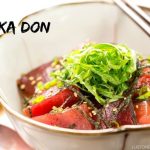

If you are searching for the ultimate Resep Seafood Spicy Tuna Don (Spicy Tuna Donburi Recipe), you have arrived at the right place. This article is not merely a list of ingredients; it is a deep dive into the technique, sourcing, and preparation required to replicate high-end sushi bar quality in your own kitchen. Whether you are a seasoned home cook or a beginner, mastering this dish is surprisingly accessible and incredibly rewarding.
The concept of Donburi is simple yet profound. It consists of a bowl of oversized rice topped with various ingredients, ranging from simmered beef (Gyudon) to tempura (Tendon). The Spicy Tuna Don, however, brings a modern twist, often influenced by the fusion of Japanese traditions and Western palate preferences for richer, spicier profiles. It relies heavily on the freshness of the seafood and the umami-packed punch of the sauce.
One of the primary reasons to make this dish at home is cost-efficiency. Ordering a Spicy Tuna Don at a premium Japanese restaurant can be expensive, often due to the markup on raw fish. By sourcing your own ingredients, you can prepare generous portions for a fraction of the price, without compromising on quality. Furthermore, making it yourself allows you to control the spice levels and sodium content to suit your dietary needs.
Understanding the Star Ingredient: The Tuna
The most critical component of this recipe is, naturally, the tuna. When consuming raw fish, safety is paramount. You must look for tuna labeled as ‘sashimi-grade’ or ‘sushi-grade.’ It is important to note that these terms are not federally regulated in many countries, but they generally indicate that the fish has been flash-frozen at extremely low temperatures to destroy any potential parasites.
When selecting your fish, visit a reputable fishmonger or a Japanese grocery store. The flesh should be firm to the touch, vibrant in color (usually a deep red or pink, depending on the cut), and free from any strong, fishy odors. Fresh tuna should smell like the ocean—clean and saline. If you cannot find fresh sashimi-grade tuna, there are high-quality frozen options available online that are specifically processed for raw consumption.
There are different cuts of tuna you might encounter. Akami is the lean, red meat from the back of the fish, which is most common for spicy tuna bowls because its firm texture holds up well against the creamy sauce. Chutoro (medium fatty tuna) and Otoro (fatty tuna) are generally too expensive and delicate to be masked by spicy mayonnaise; they are best enjoyed on their own as nigiri.
The Foundation: Perfect Sushi Rice
A great Donburi is nothing without excellent rice. Using standard long-grain rice will not yield the right texture. You need Japanese short-grain rice (often labeled as sushi rice), which contains a higher starch content, resulting in the sticky, chewy texture that characterizes Japanese cuisine.
Preparation of the rice begins with washing. You must rinse the rice under cold water repeatedly until the water runs clear. This removes excess surface starch. If you skip this step, your rice will become gummy and mushy rather than distinct and sticky. Once washed, let the rice drain for at least 15 minutes before cooking.
While plain steamed rice is acceptable, seasoning it to become ‘Sumeshi’ (vinegared rice) elevates the dish significantly. The slight acidity and sweetness of the sushi vinegar cut through the richness of the spicy tuna, cleansing the palate with every bite. You can make your own sushi vinegar by dissolving sugar and salt in rice vinegar, or purchase a pre-made bottle for convenience.
The Secret Sauce
The defining element of a ‘Resep Seafood Spicy Tuna Don’ is the sauce. It is the binding agent that transforms simple diced fish into a cohesive, flavorful topping. The base is almost always Japanese mayonnaise, specifically Kewpie mayo. Unlike American mayonnaise, Kewpie is made with egg yolks and rice vinegar, giving it a richer, custard-like texture and a distinct savory flavor.
To create the heat, Sriracha is the standard addition. However, to add depth, many chefs include a dash of Rayu (Japanese chili oil) or a sprinkle of Shichimi Togarashi (Japanese seven-spice blend). For an umami boost, a small amount of soy sauce and a drop of toasted sesame oil are often whisked into the mixture.
Texture and Contrast
A bowl of soft rice and soft tuna can be texturally monotonous. To create a truly engaging eating experience, you need to introduce contrasting textures. Crisp cucumbers, diced into small cubes, add a refreshing crunch. Avocado provides a different kind of creaminess that complements the fish fats.
Another popular addition is Tenkasu, or tempura scraps. These crunchy bits of fried batter add a delightful crispiness that contrasts beautifully with the tender fish. If you cannot find Tenkasu, crushed fried onions or even sesame seeds can serve a similar purpose, adding both flavor and texture.
Step-by-Step Preparation: The Tuna
To prepare the tuna, ensure it is kept cold until the very last moment. Using a sharp knife, slice the tuna block into strips, and then dice those strips into cubes. The size of the cubes is a matter of preference; some prefer a chunky texture (about 1cm cubes), while others prefer a ‘tartare’ style where the fish is minced almost into a paste.
Once the tuna is diced, place it in a chilled bowl. Pour your prepared spicy sauce over the tuna. Fold the sauce into the fish gently; do not mix vigorously, as you want to maintain the integrity of the cubes. The fish should be coated generously but not swimming in a pool of mayonnaise.
Assembly: The Art of Donburi
Assembly is where the visual appeal comes into play. Start with a base of warm (not hot) sushi rice. If the rice is piping hot, it will begin to cook the raw fish, which is undesirable. The contrast between warm rice and cold fish is one of the pleasures of this dish.
Heap the spicy tuna mixture in the center of the bowl. Arrange your toppings artistically around the tuna. Fan out slices of avocado on one side, place the diced cucumbers on another, and perhaps add a small mound of pickled ginger (gari) to act as a palate cleanser.
Garnishing for Impact
The final touches are crucial for both flavor and aesthetics. A generous sprinkling of toasted sesame seeds adds nuttiness. Finely chopped green onions (scallions) provide a sharp, fresh bite that cuts through the creaminess. Shredded Nori (seaweed) adds an oceanic minerality that ties the seafood theme together.
Variation: The ‘Cooked’ Spicy Tuna Don
Not everyone is comfortable eating raw fish, or perhaps you cannot source sashimi-grade tuna. You can still enjoy this flavor profile using canned tuna. Choose high-quality chunk light or albacore tuna packed in water. Drain it thoroughly, flake it, and mix it with the same spicy mayo sauce. While the texture is different, the flavor profile remains delicious and makes for a quick, budget-friendly lunch.
Variation: Seared Tuna (Tataki)
For a middle ground between raw and cooked, consider searing the tuna. Season a block of tuna with salt and pepper, then sear it in a smoking hot pan for just 30 seconds on each side. Slice it thinly and drizzle the spicy sauce over the top rather than mixing it in. This adds a smoky flavor while keeping the center rare.
Dietary Adjustments
This recipe is highly adaptable. For a gluten-free version, ensure you are using Tamari instead of regular soy sauce and check the labels on your chili sauce. For a low-carb or keto-friendly version, swap the sushi rice for cauliflower rice or a bed of mixed greens to turn it into a Spicy Tuna Salad.
Serving Suggestions
A Spicy Tuna Don is a meal in itself, but it pairs wonderfully with traditional Japanese sides. A warm bowl of Miso Soup is the classic accompaniment, providing a savory broth to sip between bites. Edamame (steamed soybeans) with sea salt is another excellent side dish that adds protein and fiber.
Beverage Pairings
To wash down the richness of the spicy mayo, crisp and refreshing drinks are best. An iced green tea (Sencha) is traditional and cleanses the palate. If you prefer alcohol, a cold dry Sake or a crisp Japanese lager complements the spiciness perfectly without overpowering the delicate fish.
Safety and Storage
It is imperative to consume raw spicy tuna immediately after preparation. Raw fish has a very short window of freshness once thawed and cut. Do not attempt to store leftovers of the mixed raw tuna for the next day, as the texture will degrade and the risk of bacterial growth increases. Rice, however, can be stored and reheated.
Knife Skills and Equipment
You do not need an expensive sushi knife to make this, but a sharp knife is non-negotiable. A dull knife will crush the fish fibers rather than slicing them, resulting in a mushy texture. Ensure your cutting board is clean and sanitized before placing the raw fish on it.
The Role of Temperature
Pay attention to the temperature of your ingredients. The mayonnaise and Sriracha should be cold, the fish should be ice-cold, and the rice should be body temperature or slightly warm. This thermal contrast excites the sensory receptors in the mouth, making the dish taste fresher and more dynamic.
Sourcing Ingredients for the Sauce
If you cannot find Kewpie mayonnaise, you can modify regular mayonnaise by adding a splash of rice vinegar and a pinch of sugar. However, the MSG naturally present in Kewpie (or added separately) is a significant factor in the authentic taste of Japanese diner food.
Common Mistakes to Avoid
One common mistake is over-saucing. It is tempting to add a lot of spicy mayo, but too much sauce will mask the flavor of the tuna. You want to taste the fish, not just the condiment. Start with less sauce than you think you need and add more to taste.
Another mistake is pressing the rice into the bowl. Donburi rice should be fluffy and airy. When scooping rice into the bowl, use a rice paddle to gently place it, rather than packing it down. This allows the sauce from the tuna to seep down into the rice slightly, flavoring the grains below.
Nutritional Benefits
Despite the mayonnaise, Spicy Tuna Don can be a healthy meal. Tuna is an excellent source of lean protein and Omega-3 fatty acids, which are beneficial for heart health. Avocado adds healthy monounsaturated fats. By controlling the amount of rice and sauce, you can fit this meal into various nutritional goals.
The Cultural Context
While ‘Spicy Tuna’ is often associated with the ‘Spicy Tuna Roll’ invented in Los Angeles in the 1980s, the application of these flavors to a Donburi is a natural evolution in modern Japanese dining. It represents the global nature of cuisine today—respecting traditional techniques (rice preparation, fish handling) while embracing bold, new flavors.
Conclusion
Creating a Resep Seafood Spicy Tuna Don at home is an achievable culinary adventure that yields delicious results. It teaches respect for ingredients, the importance of texture and temperature, and the joy of assembling a beautiful bowl of food.
So, gather your ingredients, sharpen your knife, and prepare to impress yourself and your family. Once you master the basics of the rice and the sauce, you can experiment with endless toppings and variations, making this dish a regular favorite in your home cooking rotation. Enjoy the process and the exquisite flavors of your homemade Japanese feast.
:max_bytes(150000):strip_icc()/spicy-tuna-donburi-rice-bowl-2031317-Step_06-824d0501a7224a24bcfa4e6ed97fd2f8.jpg "The Ultimate Guide to Resep Seafood Spicy Tuna Don: Mastering the Japanese Rice Bowl")