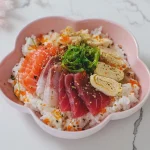


In the vast and intricate world of Japanese cuisine, few dishes capture the essence of the ocean quite like Kaisen Don. Translating literally to ‘seafood rice bowl,’ this dish is often referred to as the ‘jewel box of the sea.’ It consists of a bowl of perfectly seasoned sushi rice topped with an artistic arrangement of fresh, raw seafood (sashimi). Unlike sushi rolls which hide ingredients inside, Kaisen Don displays them proudly, making it a feast for both the eyes and the palate.
Originating from the northern island of Hokkaido, Kaisen Don was initially a meal for fishermen who would slice up their fresh catch and eat it over rice. Over time, it has evolved from a humble fisherman’s meal into a gourmet delicacy served in high-end restaurants across the globe. However, with the right knowledge and ingredients, creating a restaurant-quality Kaisen Don at home is entirely achievable.
This guide, or ‘Panduan Membuat Seafood Kaisen Don,’ serves as a comprehensive manual for home cooks and culinary enthusiasts. We will delve deep into the selection of ingredients, the precise preparation of sushi rice, knife skills for slicing fish, and the aesthetic principles of plating that elevate this dish from a simple bowl of rice to a culinary masterpiece.
Part 1: The Foundation – Sushi Rice (Shari)
Many beginners make the mistake of assuming that the seafood is the only component that matters. However, any sushi chef will tell you that the soul of Kaisen Don lies in the rice, known as shari. You cannot simply use plain steamed rice; it must be seasoned sushi rice to provide the necessary acidic balance to the rich, fatty fish.
The process begins with selecting the right grain. You must use short-grain Japanese rice (Japonica). Long-grain varieties like Jasmine or Basmati lack the starch content required to hold the grains together and provide that signature chewy yet firm texture. Brands such as Koshihikari or Sasanishiki are excellent choices for premium results.
Washing the rice is a critical step that should not be rushed. The goal is to remove excess surface starch which can make the rice gummy. Wash the rice in a bowl with cold water, swirling it gently with your hand, and drain. Repeat this process 3 to 5 times until the water runs relatively clear. Let the rice drain in a colander for at least 30 minutes before cooking to allow the grains to absorb residual moisture.
Once cooked, the rice must be seasoned immediately while it is still hot. The seasoning mixture, or sushi-su, is a blend of rice vinegar, sugar, and salt. While you can buy pre-mixed sushi vinegar, making it from scratch allows you to control the balance of sweetness and acidity. A standard ratio is 5 parts rice vinegar, 2 parts sugar, and 1 part salt.
Transfer the hot rice to a hangiri (a wide, wooden sushi tub) or a large baking sheet. Pour the vinegar mixture over a rice paddle to distribute it evenly. Using a slicing motion with the paddle, mix the vinegar into the rice without mashing the grains. Simultaneously, fan the rice to cool it down quickly. This fanning process gives the rice a glossy sheen and stops the cooking process, ensuring the texture remains perfect.
Part 2: The Star – Selecting Seafood (Neta)
- Maguro (Tuna): The king of sushi toppings. You can choose Akami (lean red meat) for a clean, iron-rich flavor, or Chutoro/Otoro (fatty belly) for a melt-in-your-mouth experience.
- Sake (Salmon): Rich in healthy fats and vibrant orange in color. Farmed Atlantic salmon is typically safer for raw consumption than wild freshwater salmon due to parasite risks.
- Hamachi (Yellowtail): Known for its buttery texture and slightly sweet flavor. It is a favorite in Kaisen Don for its richness.
- Hotate (Scallops): Hokkaido scallops are prized for their size and sweetness. They should be firm, translucent, and smell like the fresh ocean, not fishy.
To truly elevate your Kaisen Don, consider adding Uni (sea urchin) and Ikura (salmon roe). Uni offers a creamy, custard-like texture with a briny sweetness that is unmatched. Ikura adds a pop of texture and a burst of salty, oceanic juice that acts as a natural sauce for the rice.
Part 3: Preparation and Knife Skills
Handling raw fish requires hygiene and precision. Ensure your cutting board is sterilized, and keep the fish cold until the very moment you are ready to slice. If your hands are warm, dip them in ice water before handling the fish to prevent transferring heat to the delicate flesh.
You will need a sharp knife, preferably a Yanagiba (sashimi knife), which has a long, single-beveled blade designed to slice through fish in one single pull. Sawing back and forth damages the cell structure of the fish, leading to a mushy texture and loss of flavor.
1. Hirazukuri (Rectangular Slice): This is the standard cut for tuna and salmon. Position your knife at a 90-degree angle to the fillet and pull the knife towards you, creating slices about 1/4 inch thick. Cut against the grain to ensure tenderness.
2. Sogigiri (Angle Slice): Used for firmer white fish like snapper or bream. Hold the knife at a 45-degree angle and slice thin, wide pieces. This increases the surface area and creates a delicate mouthfeel.
For items like scallops, you can slice them horizontally into discs (coins) to cover more surface area or leave them whole if they are small. Shrimp, specifically Amaebi (sweet shrimp), are usually served whole after being peeled and deveined.
Part 4: Garnishes and Condiments
A Kaisen Don is not complete without the supporting cast. Shiso leaves (perilla) are essential not just for color, but for their refreshing, mint-basil flavor that cleanses the palate. Cucumber slices or shredded daikon radish add a necessary crunch to contrast the soft textures of the rice and fish.
Fresh wasabi is vastly superior to the powdered version. If you can source real wasabi root and a sharkskin grater, the floral heat will transform the dish. If using paste, opt for high-quality tubes that contain real wasabi stems.
Soy sauce is the final seasoning. Use a high-quality brewed soy sauce. Some chefs recommend a dash of ‘sashimi soy sauce’ or tamari, which is thicker and richer than standard soy sauce, clinging better to the fish without soaking into the rice immediately.
Part 5: Assembly and Plating
Now comes the artistic phase. Choose a bowl that is deep enough to hold the rice but wide enough to display the fish. Fill the bowl about halfway with the sushi rice. The rice should be at room temperature or slightly warm—never hot (which cooks the fish) and never fridge-cold (which ruins the texture).
Sprinkle a layer of shredded nori (seaweed) or sesame seeds over the rice. This adds flavor and prevents the fish from sliding around. Now, begin arranging the fish. Think of the bowl as a canvas. Alternate colors—place the red tuna next to the white scallop, and the orange salmon next to the translucent white fish.
Create height in the center. You can pile the diced fish remnants or place the most premium ingredient, like the Uni or a mound of Ikura, right in the middle as the focal point. Tuck a Shiso leaf behind the central mound for a splash of green.
Place a small mound of wasabi on the side of the bowl or atop a slice of cucumber, rather than mixing it directly into the soy sauce. Pickled ginger (gari) should also be placed on the side as a palate cleanser.
Part 6: Variations and Pro-Tips
The ‘Zuke’ Variation: If you want a deeper flavor, try making Zuke Kaisen Don. This involves marinating the slices of tuna or salmon in a mixture of soy sauce, mirin, and sake for 10-15 minutes before plating. This technique dates back to the Edo period as a preservation method but is now loved for the savory depth it adds to the fish.
The Spicy Variation: For a modern twist, mix diced seafood scraps with spicy mayonnaise (Japanese mayo + sriracha) and chopped scallions. This ‘spicy tartare’ can be a delicious, creamy addition to the bowl.
- Overfilling the bowl: Balance is key. A massive amount of rice with little fish is disappointing, while too much fish can be overwhelming. Aim for a 1:1 ratio of rice to topping volume.
- Drowning in Soy Sauce: Do not pour soy sauce blindly over the bowl. It will pool at the bottom and make the rice salty and soggy. Instead, mix wasabi with soy sauce in a small side dish and pour it gently over the fish just before eating, or dip individual pieces.
- Using Warm Fish: We cannot stress this enough—keep the fish cold until it hits the rice. The contrast between the cool fish and the room-temperature rice is part of the sensory experience.
Conclusion
Making Seafood Kaisen Don at home is a rewarding experience that bridges the gap between cooking and art. It requires respect for ingredients, patience in preparation, and an eye for beauty. By following this guide, you move beyond simply assembling food to creating a dish that honors the traditions of Japanese cuisine.
Whether you are preparing a solo lunch or hosting a dinner party, a well-executed Kaisen Don is impressive, healthy, and undeniably delicious. Visit your local fishmonger, sharpen your knife, and enjoy the process of bringing the jewel box of the sea to your dining table.