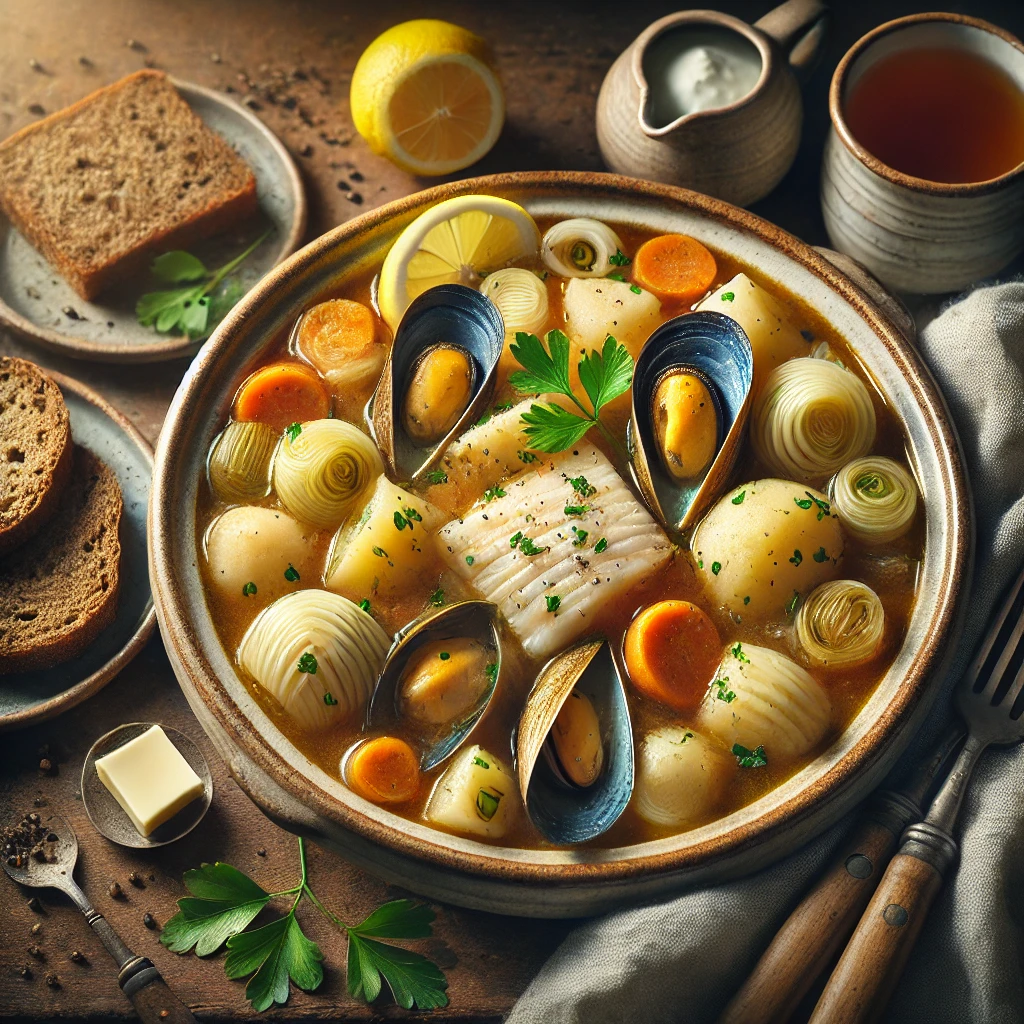

While many might immediately think of Irish Stew made with lamb or beef, the fish variant holds an equally cherished place in the hearts of those who appreciate Ireland’s culinary traditions. Historically, coastal communities relied heavily on the bounty of the Atlantic, making fish stews a staple that provided sustenance and warmth during colder months. It’s a dish that embodies simplicity, resilience, and the comforting essence of home-cooked food.
This comprehensive guide aims to demystify the art of making an authentic Irish Fish Stew, empowering you to recreate this beloved classic in your own kitchen. We’ll delve into everything from selecting the freshest ingredients to mastering the cooking techniques, ensuring your stew is not just edible, but truly memorable. Prepare to embark on a culinary journey that celebrates tradition, flavor, and the undeniable charm of Irish cooking.
At its core, an Irish Fish Stew is characterized by its wholesome ingredients and straightforward preparation. The key components typically include:
- Fresh White Fish: Cod, haddock, pollock, or hake are common choices, prized for their delicate flavor and flaky texture.
- Root Vegetables: Potatoes (a non-negotiable in Irish cooking), carrots, celery, and onions form the hearty base.
- Aromatics: Leeks and fresh herbs like parsley and thyme add depth.
- Liquid Base: Fish stock, milk, or cream often create a rich, comforting broth.
The beauty lies in the quality of these components working in harmony.
The historical context of Irish Fish Stew is deeply rooted in the country’s geography and economic realities. With its extensive coastline, Ireland has always had ready access to a variety of fresh fish. Stews, by nature, are economical and efficient, allowing cooks to make the most of available ingredients. This dish reflects a tradition of making hearty, nourishing meals from what was readily at hand, a practice that continues to resonate today.
Before we dive into the cooking process, let’s discuss the essential tools you’ll need. Fortunately, making a great fish stew doesn’t require specialized equipment. A sturdy, heavy-bottomed pot or Dutch oven is paramount, as it ensures even heat distribution and prevents scorching. You’ll also need a sharp knife and a cutting board for preparing vegetables, along with a wooden spoon or spatula for stirring. A ladle will be helpful for serving.
Choosing the right fish is perhaps the most critical step for an outstanding fish stew. Opt for firm, white, flaky fish with a mild flavor. Excellent choices include:
- Cod: A classic choice, known for its mild flavor and large, flaky texture.
- Haddock: Similar to cod but often slightly sweeter.
- Pollock: A more economical but equally delicious alternative, with a firm texture.
- Hake: Popular in European cuisine, offering a delicate flavor and tender flesh.
- Salmon: While not traditional for a ‘white’ fish stew, it can be used for a richer, oilier variation.
Always prioritize freshness; look for clear eyes, bright red gills, and a clean, oceanic smell.
When selecting your fish, consider whether you want skin-on or skin-off fillets. For stew, skin-off is generally preferred as the skin can become rubbery. Ensure the fish is boneless, or carefully remove any pin bones before cooking. If using frozen fish, thaw it completely in the refrigerator and pat it dry thoroughly with paper towels to remove excess moisture, which can dilute the stew’s flavor.
Potatoes are the undisputed king of Irish cuisine, and their role in fish stew is no exception. For stews, a waxy or all-purpose potato is often preferred as it holds its shape better during simmering, preventing the stew from becoming overly starchy and mushy. Varieties like Yukon Gold, red potatoes, or small new potatoes work wonderfully. Cut them into uniform, bite-sized pieces to ensure even cooking.
Beyond potatoes, a medley of root vegetables contributes to the stew’s depth and nutritional value.
- Carrots: Add sweetness and vibrant color.
- Celery: Provides a subtle savory note and aromatic complexity.
- Onions: The foundation of flavor, providing sweetness and pungency when sautéed.
- Leeks: Offer a milder, sweeter onion flavor, particularly lovely with fish. Ensure they are thoroughly cleaned to remove any grit.
Dice these vegetables relatively uniformly to ensure they cook through at roughly the same rate.
The liquid base is where the stew truly comes alive.
- Fish Stock: The ideal choice for enhancing fish flavor. Homemade is best, but a good quality store-bought stock works.
- Vegetable Stock: A versatile alternative if fish stock isn’t available or for a lighter flavor.
- Milk or Cream: Whole milk, half-and-half, or heavy cream are added towards the end to create a rich, velvety texture. Heavy cream will yield the most luxurious result.
- Dry White Wine (Optional): A splash of white wine, like Sauvignon Blanc or Pinot Grigio, can add a layer of acidity and complexity, deglazing the pot and enhancing other flavors.
Fresh herbs are crucial for brightening the stew’s flavor. Fresh parsley, chopped and stirred in at the end, adds a fresh, herbaceous finish. Fresh thyme or a bay leaf can be added earlier in the cooking process to infuse the broth with earthy notes. Dill is another herb that pairs exceptionally well with fish and can be a lovely addition for a slightly different aromatic profile. Don’t forget salt and freshly ground black pepper to taste.
Let’s begin the cooking process. Step 1: Prepare Your Ingredients. Start by dicing your onions, carrots, celery, and leeks. Peel and cube your potatoes. Cut your fish fillets into large, chunky pieces, about 1.5-2 inches, and pat them dry. Having everything prepped and ready before you start cooking, known as ‘mise en place,’ will make the entire process smoother and more enjoyable.
Step 2: Sauté the Aromatics. In your heavy-bottomed pot or Dutch oven, heat a tablespoon or two of olive oil or butter over medium heat. Add the diced onions, carrots, celery, and leeks. Sauté gently for 8-10 minutes, stirring occasionally, until the vegetables have softened and the onions are translucent but not browned. This step builds the foundational flavor of your stew.
Step 3: Build the Broth. If using, pour in about half a cup of dry white wine and let it simmer for 2-3 minutes, scraping up any browned bits from the bottom of the pot. Then, add your fish stock (or vegetable stock) and the cubed potatoes. Bring the mixture to a gentle boil, then reduce the heat to a simmer, cover, and cook for about 10-15 minutes, or until the potatoes are almost tender.
Step 4: Introduce the Fish and Dairy. Once the potatoes are nearly cooked, carefully add the fish pieces to the pot. Pour in the milk or cream. Stir gently to combine. Increase the heat slightly to bring the stew back to a very gentle simmer. Do not boil vigorously, as this can break up the fish and curdle the dairy. Cook uncovered for another 5-8 minutes, or until the fish is opaque and flakes easily with a fork.
Step 5: Finish and Serve. Remove the pot from the heat. Stir in a generous handful of freshly chopped parsley. Taste and adjust seasoning with salt and freshly ground black pepper as needed. If you desire a thicker stew, you can create a slurry with a tablespoon of cornstarch mixed with cold water and stir it into the simmering stew, cooking for another minute until thickened. Serve immediately.
While the classic recipe is wonderful, there’s always room for personalization. For a richer flavor profile, consider adding a few strips of diced bacon or pancetta at the very beginning, rendering the fat before sautéing the vegetables. This adds a smoky, savory depth that complements the fish beautifully. Ensure you drain off excess fat before proceeding with the vegetables.
For those who enjoy a bit of heat, a pinch of red pepper flakes or a dash of hot sauce can be incorporated. If you’re looking to make the stew heartier, consider adding other seafood like shrimp, mussels, or scallops in the final minutes of cooking. Just be mindful not to overcrowd the pot and to cook each type of seafood only until just done to prevent rubberiness.
A dairy-free version can be achieved by using a plant-based milk alternative (like unsweetened almond or soy milk) or by simply omitting the milk/cream and relying on a well-flavored fish or vegetable stock for the broth. For thickening, a roux (flour and fat cooked together) can be made before adding the liquid, or a cornstarch slurry can be used at the end.
Serving Irish Fish Stew is an experience in itself. It’s best enjoyed piping hot, perhaps with a sprinkle of extra fresh parsley for garnish. A crusty loaf of bread, such as traditional Irish soda bread or a good quality artisanal sourdough, is the perfect accompaniment for soaking up every last drop of the delicious broth. Alternatively, a side of simple steamed greens can provide a lovely contrast.
Leftover fish stew can be stored in an airtight container in the refrigerator for up to 2-3 days. Reheat gently on the stovetop over low heat, stirring occasionally. Be careful not to boil, as this can cause the fish to break apart and the dairy to curdle. Add a splash of milk or stock if it has thickened too much during refrigeration. Freezing is generally not recommended for creamy fish stews, as the texture of the fish and dairy can change upon thawing, becoming somewhat grainy.
Even experienced cooks can make mistakes. One common pitfall is overcooking the fish. Fish cooks very quickly, and overcooked fish becomes dry and tough. Add it at the very end and cook only until it’s opaque and flakes easily. Another mistake is undercooking the potatoes; ensure they are tender before adding the fish, as they take longer to cook.
Failure to properly season the stew throughout the cooking process can result in a bland dish. Remember to taste and adjust at various stages, not just at the end. Also, be mindful of the consistency; if the stew is too thin, a cornstarch slurry can fix it. If it’s too thick, simply add a little more stock or milk until it reaches your desired consistency.
Beyond its comforting taste, Irish Fish Stew offers significant health benefits. Fish, particularly white fish, is an excellent source of lean protein and essential omega-3 fatty acids, which are vital for heart and brain health. The abundance of root vegetables provides dietary fiber, vitamins (like Vitamin A from carrots), and minerals. It’s a wholesome meal that nourishes the body as well as the soul.
The tradition of stew-making in Ireland speaks to a deep appreciation for communal meals and resourcefulness. It’s a dish often prepared for family gatherings, offering warmth and sustenance. The simplicity of its ingredients belies the complexity of the comfort it delivers, making it a beloved part of Irish culinary identity, much like its lamb and beef counterparts. It’s a dish that invites you to slow down, savor, and appreciate the simple pleasures of good food.
In conclusion, crafting an authentic Irish Fish Stew is a rewarding culinary endeavor that offers a taste of Ireland’s rich heritage. By focusing on fresh, quality ingredients and following these detailed steps and tips, you can create a dish that is both deeply comforting and incredibly flavorful. Whether you’re seeking a hearty meal for a chilly evening or simply want to explore traditional Irish cooking, this fish stew is an excellent choice.
We encourage you to experiment with the variations suggested, tailoring the recipe to your personal preferences. The beauty of a stew lies in its adaptability, allowing you to make it truly your own while still honoring its traditional roots. So gather your ingredients, fire up your stove, and prepare to delight your senses with a truly magnificent Irish Fish Stew. Sláinte! (Cheers!)