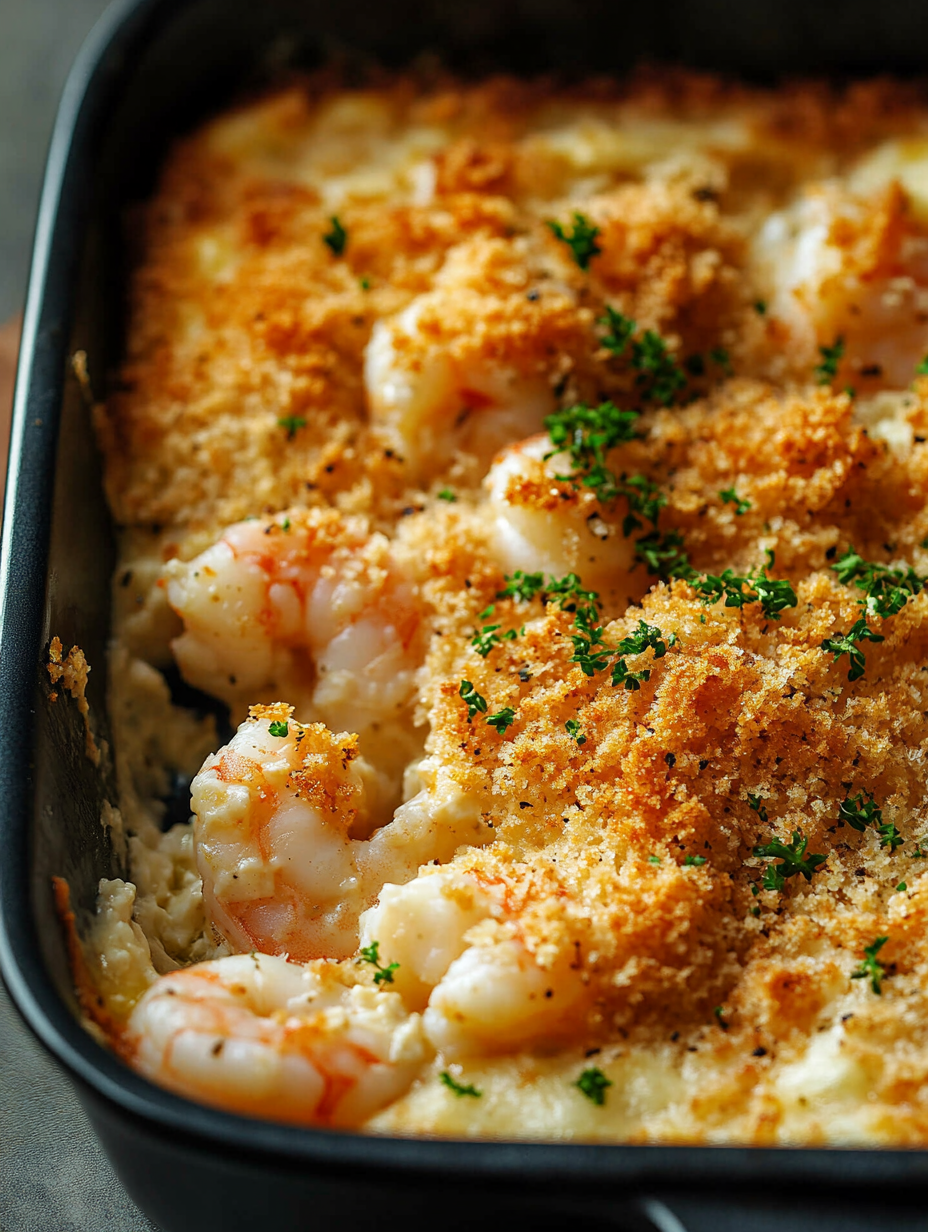
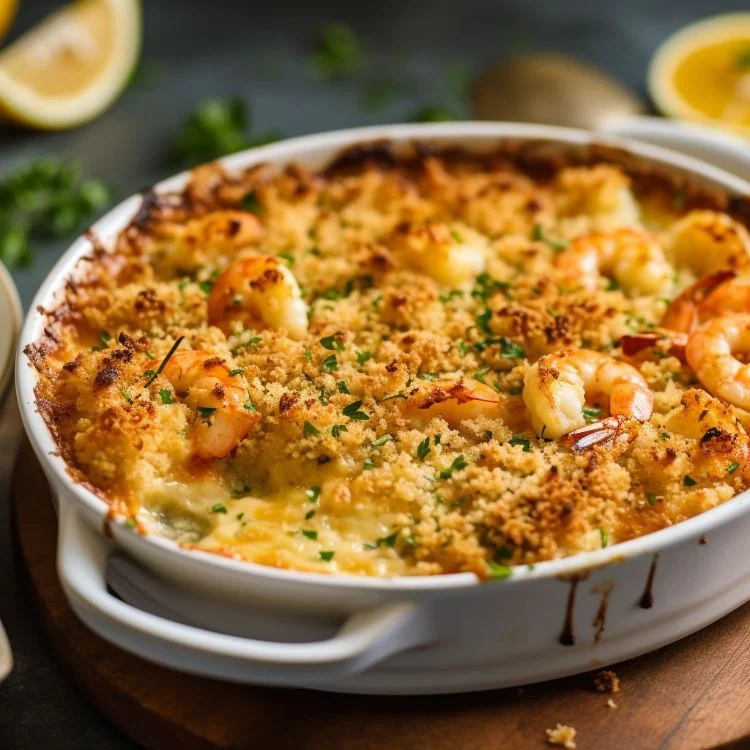

Imagine a bubbling dish, golden-brown on top, revealing tender chunks of succulent seafood enveloped in a velvety, herb-infused sauce. This isn’t just a meal; it’s an experience, a celebration of flavors and textures that can grace any dinner table, from a casual family gathering to an elegant dinner party. Its versatility allows for endless customization, making it a favorite for countless home cooks.
Why choose a baked seafood casserole over other preparations? Its inherent appeal lies in its simplicity and capacity to deliver profound flavors. Baking allows the ingredients to meld harmoniously, creating a depth of taste often unmatched by quick pan-searing or steaming. Furthermore, it’s a fantastic way to utilize a variety of seafood, ensuring every bite offers a delightful surprise.
One of the primary benefits of a casserole is its ability to be prepared ahead of time, a true lifesaver for busy weeknights or when entertaining guests. Assemble it hours before, or even the day before, and simply pop it into the oven when you’re ready to serve. This convenience, combined with its hearty and satisfying nature, makes it an indispensable recipe in any culinary repertoire.
The foundation of any great seafood casserole begins with the quality of its ingredients, especially the star of the show: the seafood itself. Opt for the freshest available, whether from a local fishmonger or a reputable supermarket. While fresh is always preferred, high-quality frozen seafood can be an excellent alternative, provided it’s thawed properly to maintain its texture and flavor.
When selecting your seafood, aim for a delightful mix of textures and flavors. Shrimp and scallops are classic choices, offering sweetness and a tender bite. Firm white fish such as cod, haddock, or halibut provide flaky, mild notes, while a touch of salmon can add richness and a beautiful color contrast. For an extra touch of luxury, consider adding crab meat or lobster.
A good rule of thumb is to choose seafood that cooks at a similar rate. If using a variety, cut larger pieces into smaller, uniform sizes to ensure even cooking. Avoid delicate fish that might disintegrate during baking. The goal is a harmonious blend where each piece retains its integrity and contributes to the overall symphony of taste.
Beyond the seafood, the creamy sauce forms the heart and soul of the casserole. A classic béchamel base, enriched with aromatics and seasonings, provides the perfect canvas. Begin with a traditional roux, a mixture of melted butter and flour, cooked briefly to remove any raw flour taste. This foundational step is crucial for achieving a smooth, lump-free sauce.
Gradually whisk in milk or cream, or a combination of both, to achieve the desired richness. For an added layer of flavor, incorporate a good quality fish or vegetable broth. The slow addition and constant whisking prevent lumps and ensure a silky-smooth consistency, which is paramount for a truly luxurious casserole experience.
Aromatics are key to building depth. Finely minced onions, garlic, and perhaps a touch of celery, sautéed until translucent, lay a savory groundwork. These humble ingredients release their fragrant oils, infusing the sauce with an irresistible aroma and taste that complements the seafood beautifully.
Seasoning is where the magic happens. Beyond salt and freshly ground black pepper, consider incorporating fresh or dried herbs. Dill and parsley are natural partners for seafood, offering brightness and a herbaceous lift. A hint of thyme or chives can also add complexity without overpowering the delicate seafood flavors. A squeeze of lemon juice at the end can brighten everything up.
Vegetables can be a welcome addition, enhancing both nutrition and texture. Frozen peas, corn, or blanched asparagus tips can be folded into the sauce. Sautéed mushrooms or wilted spinach also work wonderfully, adding earthy notes and vibrant color. Ensure vegetables are cooked al dente or slightly undercooked, as they will continue to cook in the oven.
No casserole is complete without a tempting topping. A sprinkle of grated cheese, such as sharp cheddar, Gruyere, or Parmesan, creates a golden, bubbly crust. For added texture, combine the cheese with panko breadcrumbs or crushed crackers (like Ritz crackers) mixed with a little melted butter. This creates an irresistible crunch that contrasts beautifully with the creamy interior.
Step 1: Prepare Your Ingredients
Thaw any frozen seafood completely and pat it dry. Cut larger pieces of fish into 1-inch chunks. Chop your aromatics (onion, garlic, celery) finely. Measure out your milk, broth, flour, and seasonings. Grate your cheese.
Step 2: Sauté the Aromatics
In a large, heavy-bottomed pot or Dutch oven, melt 4 tablespoons of unsalted butter over medium heat. Add the chopped onions and celery, sautéing until softened and translucent, about 5-7 minutes. Stir in the minced garlic and cook for another minute until fragrant, being careful not to burn it.
Step 3: Make the Roux
Sprinkle 4 tablespoons of all-purpose flour over the sautéed aromatics. Cook, stirring constantly, for 1-2 minutes to create a smooth roux. This step helps cook out the raw flour taste and will thicken your sauce.
Step 4: Build the Creamy Sauce
Gradually whisk in 2 cups of milk (whole milk or half-and-half for richness) and 1 cup of fish or vegetable broth. Continue whisking constantly to prevent lumps, bringing the mixture to a gentle simmer. Cook until the sauce thickens to your desired consistency, usually 5-8 minutes. It should be thick enough to coat the back of a spoon.
Step 5: Season and Enhance the Sauce
Remove the pot from the heat. Stir in 1/2 teaspoon of salt, 1/4 teaspoon of black pepper, and 1/4 cup of fresh chopped dill and parsley. If using, add any cooked vegetables (peas, corn, spinach) at this stage. Taste and adjust seasoning as needed. A touch of cayenne pepper or a dash of hot sauce can add a subtle kick.
Step 6: Gently Fold in the Seafood
Add your prepared seafood (shrimp, scallops, fish chunks) to the sauce. Gently fold to combine, ensuring the seafood is evenly coated. Be careful not to break up the fish too much. Remember, the seafood will continue to cook in the oven, so avoid overmixing.
Step 7: Assemble the Casserole
Lightly grease a 9×13-inch baking dish. Pour the seafood and sauce mixture into the prepared dish, spreading it evenly. In a small bowl, combine 1 cup of grated cheese (e.g., cheddar, Gruyere) with 1/2 cup of panko breadcrumbs and 2 tablespoons of melted butter. Sprinkle this topping evenly over the casserole.
Step 8: Bake to Perfection
Preheat your oven to 375°F (190°C). Bake the casserole for 20-30 minutes, or until the topping is golden brown and bubbly, and the seafood is cooked through and opaque. If the top browns too quickly, you can loosely tent it with aluminum foil. The internal temperature of the seafood should reach 145°F (63°C).
Step 9: Rest and Serve
Once baked, remove the casserole from the oven and let it rest for 5-10 minutes before serving. This allows the sauce to set and prevents it from being too runny. Resting also ensures the flavors fully meld and the dish is easier to portion.
To achieve casserole perfection, several key tips can elevate your dish. Firstly, avoid overcooking the seafood. Seafood cooks quickly, and prolonged baking can result in a rubbery texture. Ensure it’s just cooked through for optimal tenderness.
Secondly, pay attention to your sauce consistency. A sauce that’s too thin will lead to a watery casserole, while one that’s too thick can make it dry. Adjust with more liquid or a cornstarch slurry if needed before adding the seafood.
Thirdly, don’t skimp on the topping. A generous, crunchy topping provides a delightful textural contrast to the creamy interior. Experiment with different cheeses and breadcrumbs for varied results.
Fourthly, consider covering the casserole for the initial baking phase. This helps the seafood cook gently and keeps the sauce moist. Uncover it for the last 10-15 minutes to allow the topping to crisp and brown beautifully.
This recipe is incredibly versatile, inviting countless creative variations. For a Mediterranean twist, add crumbled feta cheese, Kalamata olives, and sun-dried tomatoes to the sauce. A pinch of oregano can enhance the flavor profile.
If you enjoy a bit of heat, introduce a spicy kick with a dash of cayenne pepper, red pepper flakes, or a splash of your favorite hot sauce. Cajun seasoning can also provide a vibrant, zesty flavor.
Explore different herb combinations. While dill and parsley are classic, consider fresh tarragon for an anise-like note, or chives for a mild oniony flavor. Rosemary and thyme can also complement certain types of fish.
For a richer casserole, swap some of the milk for heavy cream or add a dollop of cream cheese to the sauce. This creates an even more decadent and luxurious texture that’s incredibly satisfying.
To make it gluten-free, substitute the all-purpose flour in the roux with a gluten-free flour blend or use cornstarch (mixed with a little cold water) to thicken the sauce. Ensure all other ingredients are also gluten-free.
For those avoiding dairy, a dairy-free version can be made using plant-based milk (like unsweetened almond or oat milk) and a dairy-free butter alternative. Nutritional yeast can provide a cheesy flavor, or use a plant-based cheese alternative.
Baked seafood casserole pairs wonderfully with a variety of side dishes. A simple green salad with a light vinaigrette provides a refreshing counterpoint. Steamed rice or crusty bread are excellent for soaking up every last drop of the delicious sauce.
Roasted asparagus, green beans, or broccoli florets can add a healthy and colorful element to your plate. For wine pairings, a crisp Sauvignon Blanc, a dry Pinot Grigio, or a light Chardonnay will beautifully complement the seafood flavors.
Beyond its delightful taste, seafood casserole offers significant nutritional benefits. Seafood is an excellent source of lean protein, essential for muscle repair and growth. Many types, especially salmon and tuna, are rich in Omega-3 fatty acids, known for their heart-healthy and anti-inflammatory properties.
Seafood also provides vital vitamins and minerals, including Vitamin D, B vitamins, iodine, and selenium, which contribute to overall well-being, bone health, and thyroid function. Incorporating seafood into your diet regularly is a delicious way to boost your nutrient intake.
Leftover seafood casserole can be stored in an airtight container in the refrigerator for up to 2-3 days. To reheat, cover the dish with foil and warm it in a preheated oven at 300°F (150°C) until heated through, about 15-20 minutes. Avoid microwaving, as it can make the seafood rubbery.
Should you encounter a watery casserole, it typically means the sauce wasn’t thickened enough or the seafood released too much moisture. To prevent this, ensure your roux is cooked well and your sauce is adequately thick before adding seafood. If it happens, you can try to simmer the sauce down a bit before adding seafood, or stir in a cornstarch slurry to leftovers when reheating on the stovetop.
If your seafood turns out rubbery, it’s a clear sign of overcooking. Seafood has a very short cooking window. To avoid this, fold it into the sauce last, and bake only until it’s opaque. Remember, residual heat will continue to cook it even after it’s out of the oven.
The baked seafood casserole is more than just a recipe; it’s an invitation to explore, to create, and to share a truly satisfying meal. With its comforting warmth, rich flavors, and endless possibilities for customization, it promises to be a cherished dish in your culinary repertoire. Embrace the process, experiment with ingredients, and savor every exquisite bite of your homemade masterpiece.
Whether you’re a novice cook or an experienced chef, the beauty of a baked seafood casserole lies in its forgiving nature and its ability to consistently deliver a meal that feels both special and deeply comforting. Gather your ingredients, unleash your creativity, and prepare to delight your senses with this timeless classic.