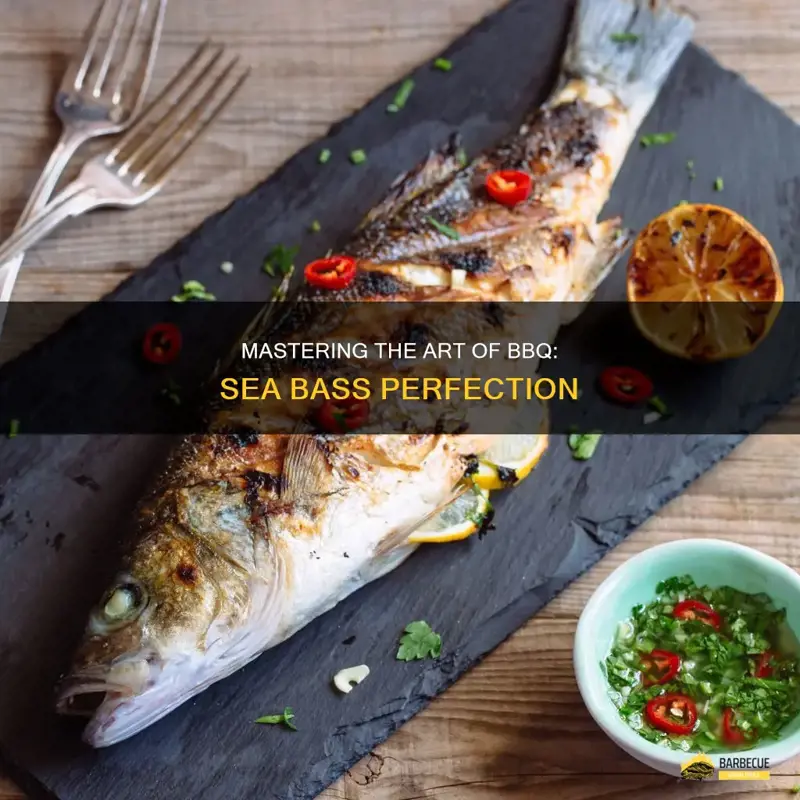

Sea bass, particularly European sea bass (often labeled Branzino) and the popular Chilean sea bass (Patagonian toothfish), has earned its place as a favorite among gourmands worldwide. Its mild, slightly sweet flavor profile is complemented by a succulent, flaky white flesh that holds up beautifully to a variety of cooking methods and seasonings. This makes it an ideal canvas for exploring different culinary traditions.
Before diving into cooking, it’s helpful to understand the different types you might encounter. European sea bass, or Branzino, is typically smaller, with a mild, sweet flavor and tender flesh, often served whole. Chilean sea bass, while not a true sea bass but a Patagonian toothfish, boasts a richer, buttery flavor and a thicker, flakier texture due to its high fat content. Black sea bass, native to the Atlantic, offers a distinct, robust flavor.
The foundation of any great dish begins with quality ingredients. When selecting sea bass at your local fishmonger, always prioritize freshness. Look for fillets or whole fish with clear, bright eyes (if whole), vibrant, moist skin, and firm flesh that springs back when gently pressed. Avoid any fish with a strong, ‘fishy’ odor; fresh sea bass should smell clean, like the ocean.
If purchasing a whole fish, ensure it has been properly scaled and gutted. Many fishmongers will do this for you. For fillets, check for any remaining pin bones by running your fingers along the flesh; these can be easily removed with a pair of fish tweezers. Patting the fish thoroughly dry with paper towels before cooking is a crucial step often overlooked, as moisture can hinder proper searing and crisping.
Having the right tools can make all the difference. For pan-searing, a good quality non-stick or cast-iron skillet is essential. A reliable meat thermometer ensures perfect doneness, while fish spatulas are invaluable for flipping delicate fillets without breaking them. Parchment paper, baking sheets, and a grilling basket will also come in handy depending on your chosen method.
Mastering the Pan-Sear: Crispy Skin, Flaky Flesh
Pan-searing is arguably the most popular and rewarding method for cooking sea bass, especially when you want that coveted crispy skin. It creates a beautiful golden crust while keeping the interior moist and tender. This technique is particularly effective for skin-on fillets.
Step 1: Preparation is Key. Begin by ensuring your sea bass fillets are completely dry. Use paper towels to blot away any excess moisture from both sides, especially the skin. This step is non-negotiable for achieving truly crispy skin.
Step 2: Season Generously. Season both sides of the fillets with salt and freshly ground black pepper. For added flavor, consider a light dusting of garlic powder, a pinch of paprika, or a sprinkle of your favorite herbs like thyme or dill. A squeeze of lemon juice just before cooking also enhances the flavor.
Step 3: Heat the Pan. Place a heavy-bottomed skillet (cast iron or stainless steel works best) over medium-high heat. Add a high-smoke-point oil, such as avocado oil, grapeseed oil, or clarified butter, ensuring it’s hot but not smoking. A good indication is when the oil shimmers slightly.
Step 4: Skin-Side Down First. Carefully place the sea bass fillets, skin-side down, into the hot pan. Press gently with a spatula for the first 30 seconds to ensure even contact with the pan and prevent the skin from curling. This helps achieve uniform crispiness.
Step 5: Cook Until Golden. Cook for approximately 4-6 minutes on the skin side, depending on the thickness of the fillet. You’ll notice the flesh starting to turn opaque from the bottom up. Once the skin is deeply golden brown and crispy, flip the fillets gently.
Step 6: Finish Cooking. Cook for another 2-4 minutes on the flesh side, or until the fish is opaque throughout and flakes easily with a fork. The internal temperature should reach 145°F (63°C). A pat of butter or a sprig of rosemary can be added to the pan during the last minute for extra flavor.
Expert Pan-Searing Tips: Don’t overcrowd the pan; cook in batches if necessary to maintain consistent heat. Resist the urge to move the fish too much once it’s in the pan; let it develop that beautiful crust. Serve immediately with a squeeze of fresh lemon.
Baking and Roasting Sea Bass: Effortless Elegance
Baking or roasting offers a hands-off approach to cooking sea bass, perfect for when you want minimal fuss but maximum flavor. This method is excellent for whole fish or thicker fillets, allowing for even cooking and tender results.
Step 1: Preheat and Prep. Preheat your oven to 400°F (200°C). Line a baking sheet with parchment paper or foil for easy cleanup. This prevents sticking and ensures your fish cooks evenly.
Step 2: Season and Add Aromatics. Lightly oil the sea bass fillets or whole fish. Season generously with salt, pepper, and your choice of herbs (dill, parsley, thyme) or spices. Place lemon slices, garlic cloves, or cherry tomatoes around and over the fish for added moisture and flavor during roasting.
Step 3: Baking Time. Bake for 12-18 minutes, depending on the thickness of the fish. A general rule of thumb is 10 minutes per inch of thickness. The fish is done when it flakes easily with a fork and its internal temperature reaches 145°F (63°C).
Expert Baking Tips: For a lovely crust, consider finishing under the broiler for 1-2 minutes, watching carefully to prevent burning. Wrapping the fish loosely in foil during the first part of baking can help retain moisture, then uncover for the last few minutes to brown.
Grilling Sea Bass: Smoky Flavors of Summer
Grilling imparts a wonderful smoky char to sea bass, making it a fantastic choice for outdoor cooking. This method works well for both fillets and whole fish, providing a delightful texture and flavor contrast.
Step 1: Prepare the Grill. Preheat your grill to medium-high heat. Clean the grates thoroughly with a wire brush and then oil them generously to prevent the fish from sticking. This is critical for easy flipping and intact fillets.
Step 2: Season and Oil the Fish. Lightly brush the sea bass with olive oil on both sides, then season with salt, pepper, and any desired spices or marinades. The oil helps prevent sticking and promotes even cooking.
Step 3: Grilling Time. Place the sea bass directly on the oiled grill grates, or use a fish grilling basket for easier handling, especially with delicate fillets. Grill for 3-5 minutes per side, depending on thickness, until grill marks appear and the fish is cooked through.
Expert Grilling Tips: Don’t move the fish too soon; let it develop a good sear before attempting to flip. If grilling whole fish, make a few shallow slits on the thicker parts to ensure even cooking. Serve with a fresh salsa or a vibrant chimichurri sauce.
Steaming Sea Bass: Light and Healthy
Steaming is an incredibly healthy cooking method that preserves the natural moisture and delicate flavor of sea bass. It’s perfect for those seeking a light meal, often paired with Asian-inspired flavors.
Place seasoned fillets in a steamer basket over simmering water, ensuring the water doesn’t touch the fish. Cover and steam for 8-12 minutes, or until the fish is opaque and flaky. A drizzle of soy sauce, ginger, and scallions after steaming enhances the dish beautifully.
Poaching Sea Bass: Gentle and Flavorful
Poaching involves cooking the fish gently in a flavorful liquid, resulting in incredibly tender and moist flesh. This method is ideal for delicate fillets and works wonderfully with a light broth or court bouillon.
Simmer sea bass fillets in a shallow pan with vegetable broth, white wine, or water infused with herbs and lemon slices. Cook for 8-10 minutes, just below a boil, until the fish is cooked through. Poached sea bass is excellent served with a light cream sauce or simply with its poaching liquid.
En Papillote (Baking in Parchment): A Culinary Surprise
Cooking en papillote, or in parchment paper, is a fantastic way to infuse sea bass with aromatic flavors while keeping it incredibly moist. It’s also a dramatic presentation when opened at the table.
Place a sea bass fillet on a large piece of parchment paper. Surround it with vegetables (asparagus, cherry tomatoes, thin potato slices), herbs, a splash of white wine or broth, and a pat of butter. Fold the parchment paper into a tightly sealed packet and bake at 400°F (200°C) for 15-20 minutes. The steam trapped inside cooks the fish and vegetables perfectly.
Flavor Pairings and Seasonings: Unleash Your Creativity
Sea bass’s mild flavor makes it incredibly adaptable to a wide array of seasonings and flavor profiles. Classic combinations include lemon, butter, garlic, and fresh herbs like dill, parsley, thyme, and rosemary. These simple additions enhance without overpowering the fish.
For a Mediterranean touch, consider olives, capers, sun-dried tomatoes, and oregano. Asian-inspired flavors, such as ginger, soy sauce, sesame oil, and cilantro, also pair beautifully with sea bass. Don’t be afraid to experiment with spice rubs or marinades for a bolder taste.
What to Serve With Sea Bass: Perfect Accompaniments
Choosing the right side dishes elevates your sea bass meal. Light, fresh accompaniments work best. Think roasted or steamed vegetables like asparagus, green beans, or broccoli. A simple mixed green salad with a vinaigrette dressing is always a refreshing choice.
For something more substantial, consider a lemon-herb risotto, couscous, quinoa, or roasted potatoes. The key is to select sides that complement the delicate nature of the fish without competing for attention.
Common Mistakes to Avoid for Sea Bass Success
Even experienced cooks can make mistakes. The most common error when cooking sea bass is overcooking. Overcooked fish becomes dry, tough, and loses its delicate texture. Always monitor cooking times closely and use a thermometer if unsure. Remember, fish continues to cook slightly after being removed from the heat.
Another frequent oversight is under-seasoning. While sea bass has a great natural flavor, a good amount of salt and pepper, along with other aromatics, is essential to bring out its best. Lastly, not properly drying the fish before pan-searing will result in a steamed, rather than crispy, skin.
The Health Benefits of Sea Bass: A Smart Choice
Beyond its delicious taste, sea bass is a nutritional powerhouse. It’s an excellent source of lean protein, essential for muscle repair and growth. It’s also rich in omega-3 fatty acids, which are beneficial for heart health, brain function, and reducing inflammation.
Sea bass provides important vitamins and minerals, including Vitamin D, Vitamin B12, selenium, and phosphorus. Incorporating this fish into your diet regularly can contribute to a well-balanced and healthy lifestyle.
Sustainability Matters: Making Responsible Choices
As with all seafood, considering sustainability is important. When purchasing sea bass, look for certifications from organizations like the Marine Stewardship Council (MSC) or consult guides from Monterey Bay Aquarium Seafood Watch to make environmentally responsible choices. Opting for sustainably sourced fish helps protect our oceans for future generations.
Cooking sea bass doesn’t have to be intimidating. With the right techniques and a little practice, you can consistently achieve restaurant-quality results in your own kitchen. Embrace the versatility of this incredible fish, experiment with flavors, and most importantly, enjoy the process of creating delicious, healthy meals.
From the satisfying crunch of pan-seared skin to the delicate flakiness of a baked fillet, sea bass offers a world of culinary possibilities. We hope this comprehensive guide inspires you to explore new recipes and confidently make sea bass a regular star on your dinner table. Happy cooking!