
Collagen, often referred to as the ‘glue’ that holds our bodies together, is the most abundant protein in mammals. It plays a crucial role in the structure of our skin, bones, tendons, ligaments, and cartilage. As we age, our natural collagen production declines, leading to visible signs of aging and potential joint discomfort. Incorporating collagen-rich foods into our diet, such as those found in a well-prepared shabu-shabu broth, can help support our body’s collagen levels.
This article delves into the art of creating a delectable Seafood Shabu-Shabu with a rich Collagen Broth. We will explore the essential components, from selecting the freshest seafood to crafting a flavorful and nourishing broth that will leave you feeling revitalized.
The foundation of any great shabu-shabu is its broth. For our collagen-rich version, we aim for a broth that is not only flavorful but also subtly infused with the goodness of collagen. This can be achieved through several methods, including simmering bones (like chicken or pork feet), using collagen-rich seafood shells (like shrimp heads and crab shells), or even incorporating pre-made collagen peptides for a convenient boost.
A classic shabu-shabu broth base often includes dashi, a fundamental Japanese stock made from kombu (kelp) and katsuobushi (dried bonito flakes). This provides a savory umami depth that complements the delicate flavors of seafood beautifully. To enhance the collagen content, we can simmer kombu and katsuobushi alongside other collagen-rich ingredients.
For those seeking a more intensive collagen infusion, consider using chicken feet or pork trotters. These cuts are exceptionally high in collagen. Simmering them for an extended period, along with aromatics like ginger, garlic, and scallions, will extract their gelatinous goodness, creating a naturally thickened and nutrient-dense broth.
Alternatively, the shells and heads of crustaceans like shrimp and crabs are surprisingly rich in collagen. Roasting these parts before simmering them in water with aromatics can unlock their flavor and collagen potential, adding a delightful oceanic sweetness to the broth.
For a quicker and more direct approach, high-quality collagen peptide powders can be dissolved into the broth. Ensure you choose unflavored, reputable brands to maintain the integrity of the shabu-shabu’s taste profile. This method is ideal for those with dietary restrictions or time constraints.
The selection of seafood is paramount to a successful shabu-shabu experience. Aim for a variety of textures and flavors to create a dynamic and engaging meal. Freshness is key; opt for seafood that is glistening, firm to the touch, and smells of the sea, not of ammonia.
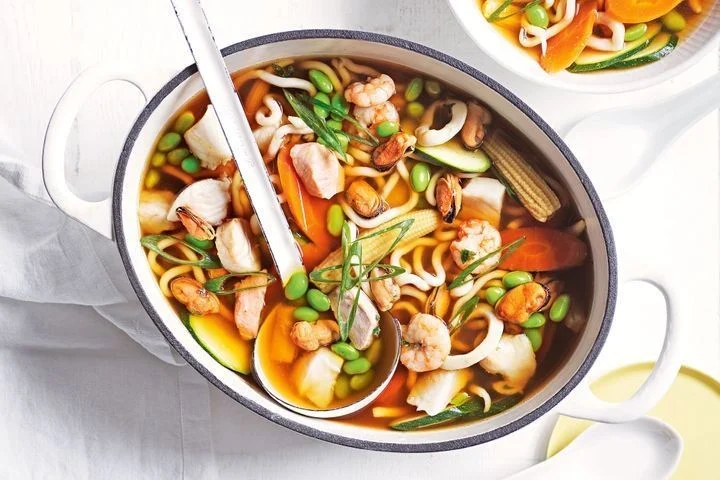
Popular choices for seafood shabu-shabu include succulent shrimp, plump scallops, delicate white fish fillets (such as cod, snapper, or tilapia), tender squid, and flavorful mussels or clams. Each brings its unique character to the pot.
Thinly sliced fish, like sea bass or flounder, cook in mere seconds, offering a melt-in-your-mouth sensation. Shrimp, with their satisfying chew, are a crowd-pleaser. Scallops, when cooked briefly, achieve a beautiful sweetness and tender texture.
For a touch of luxury, consider adding crab legs or lobster. Their rich, sweet meat provides an indulgent element to the shabu-shabu. Mussels and clams, when cooked, open up, releasing their briny liquor into the broth, further enhancing its complexity.
Beyond seafood, a variety of fresh vegetables are essential for balancing the meal and adding vibrant colors and textures. These vegetables not only contribute nutrients but also absorb the flavorful broth, becoming delicious morsels in their own right.
Common shabu-shabu vegetables include napa cabbage, bok choy, shiitake mushrooms, enoki mushrooms, carrots, daikon radish, and spinach. Each offers a distinct flavor profile and cooking time.
Napa cabbage and bok choy become tender and slightly sweet when blanched. Shiitake mushrooms provide an earthy, umami punch, while enoki mushrooms offer a delicate crunch. Thinly sliced carrots add a touch of sweetness and color, and daikon radish becomes soft and slightly peppery.
Spinach wilts almost instantly, absorbing the broth’s essence. It’s advisable to add more delicate greens towards the end of the cooking process to prevent them from becoming overcooked.
Noodles are another integral part of the shabu-shabu experience, serving as a satisfying vehicle for the broth and other ingredients. Udon noodles, with their chewy texture, are a popular choice. Glass noodles (vermicelli) offer a lighter, more delicate option.
Some variations also include ramen noodles or even thin rice noodles, depending on personal preference and the desired flavor profile of the broth. The noodles are typically added towards the end of the meal, after most of the seafood and vegetables have been enjoyed.
The dipping sauces are where the diner’s personal touch truly shines. Shabu-shabu is traditionally served with two main dipping sauces: ponzu and goma dare (sesame sauce). These sauces provide a flavorful counterpoint to the rich broth and fresh ingredients.
Ponzu sauce, a citrus-based soy sauce, offers a bright, tangy, and slightly salty flavor. It’s typically made with soy sauce, citrus juice (like yuzu or lemon), mirin, and dashi. Its acidity cuts through the richness of the broth and seafood beautifully.
Goma dare, a creamy sesame sauce, provides a nutty, rich, and slightly sweet flavor. It’s usually made with ground sesame seeds, soy sauce, mirin, sugar, and sometimes peanut butter or tahini for added creaminess. This sauce offers a comforting and decadent contrast to the ponzu.
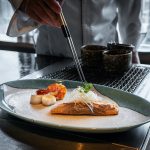
To prepare your shabu-shabu, you’ll need a portable heat source, such as a portable induction cooktop or a tabletop burner, and a suitable pot. A wide, shallow pot is ideal for easy access to all the ingredients.
Set up the pot in the center of the table, allowing everyone to gather around. Arrange the prepared ingredients – seafood, vegetables, and noodles – on platters around the heat source. Each diner will have their own set of chopsticks and a small bowl for their dipping sauce.
To cook, diners dip their chosen ingredients into the simmering broth using chopsticks. Seafood and thinly sliced vegetables cook very quickly, often in less than a minute. Once cooked, dip the ingredients into your preferred sauce and enjoy.
The beauty of shabu-shabu lies in its flexibility. You can customize the ingredients to your liking, experiment with different broth variations, and adjust the dipping sauces to suit your palate. The collagen broth adds an extra layer of nourishment, making it a guilt-free indulgence.
For the collagen broth, begin by simmering your chosen collagen-rich base (e.g., chicken feet, shrimp shells) in water with aromatics like ginger, garlic, and scallions for at least 2-3 hours, or until the liquid becomes slightly thickened and gelatinous. Strain the broth to remove solids and set aside.
In a separate pot, combine the strained collagen broth with dashi stock (or water if using a very flavorful collagen base). Bring to a gentle simmer. Season with a touch of salt and white pepper to taste. Avoid over-seasoning, as the dipping sauces will provide much of the saltiness.
Prepare your seafood by washing and patting dry. Slice fish thinly, peel and devein shrimp, and ensure scallops are clean. Wash and chop all vegetables into bite-sized pieces. Arrange all ingredients attractively on platters.
Serve the simmering broth in the center of the table with the platters of raw ingredients, noodles, and dipping sauces. Instruct your guests on the cooking process: dip, cook briefly, dip in sauce, and enjoy.
The experience is as much about the communal aspect as it is about the food. Sharing the cooking process and the delicious results fosters a sense of connection and enjoyment.
After enjoying the main ingredients, the remaining broth is often used to cook the noodles, creating a final, flavorful soup. This ‘second stage’ of the meal is a delicious way to savor every last drop of the collagen-rich broth.
Beyond the immediate pleasure of the meal, the collagen broth offers potential long-term benefits. Regular consumption of collagen-rich foods is associated with improved skin elasticity, stronger hair and nails, and healthier joints. It’s a delicious way to invest in your well-being.
Consider adding a variety of mushrooms to your shabu-shabu. Beyond shiitake and enoki, king oyster mushrooms and maitake mushrooms offer unique textures and flavors that hold up well in the broth.
For a vegetarian or vegan adaptation, focus on a rich vegetable broth base and incorporate ingredients like tofu, tempeh, and a wide array of mushrooms. While the collagen aspect would be absent, the shabu-shabu experience itself remains highly enjoyable and customizable.
To enhance the umami of your collagen broth, consider adding a piece of kombu to the simmering liquid for the last 30 minutes of cooking. Remove the kombu before serving to prevent bitterness.
Don’t be afraid to experiment with your dipping sauces. Add a touch of chili oil to your ponzu for a spicy kick, or incorporate a dollop of sriracha into your goma dare for added heat.
The act of cooking your food at the table is inherently engaging. It encourages mindful eating and allows for a personalized dining experience, ensuring every bite is cooked to perfection.
The collagen broth shabu-shabu is more than just a meal; it’s an experience. It’s a celebration of fresh ingredients, a communal gathering, and a delicious way to nourish your body from the inside out. Whether you’re a seasoned shabu-shabu enthusiast or new to the world of Japanese hot pot, this collagen-infused variation is sure to impress.
Embrace the interactive nature of shabu-shabu. Encourage conversation and shared enjoyment as you cook and savor each delicious piece. The gentle simmer of the broth creates a warm and inviting atmosphere.
The versatility of this dish means it’s perfect for a cozy family dinner, an intimate gathering with friends, or even a healthy and impressive meal for guests. The collagen broth adds a sophisticated and health-conscious element that appeals to a wide audience.
Ultimately, the ‘Resep Seafood Shabu-Shabu Dengan Kuah Collagen’ is an invitation to explore the harmonious blend of flavor, texture, and health. It’s a testament to how simple, fresh ingredients, when prepared with care, can create something truly extraordinary.