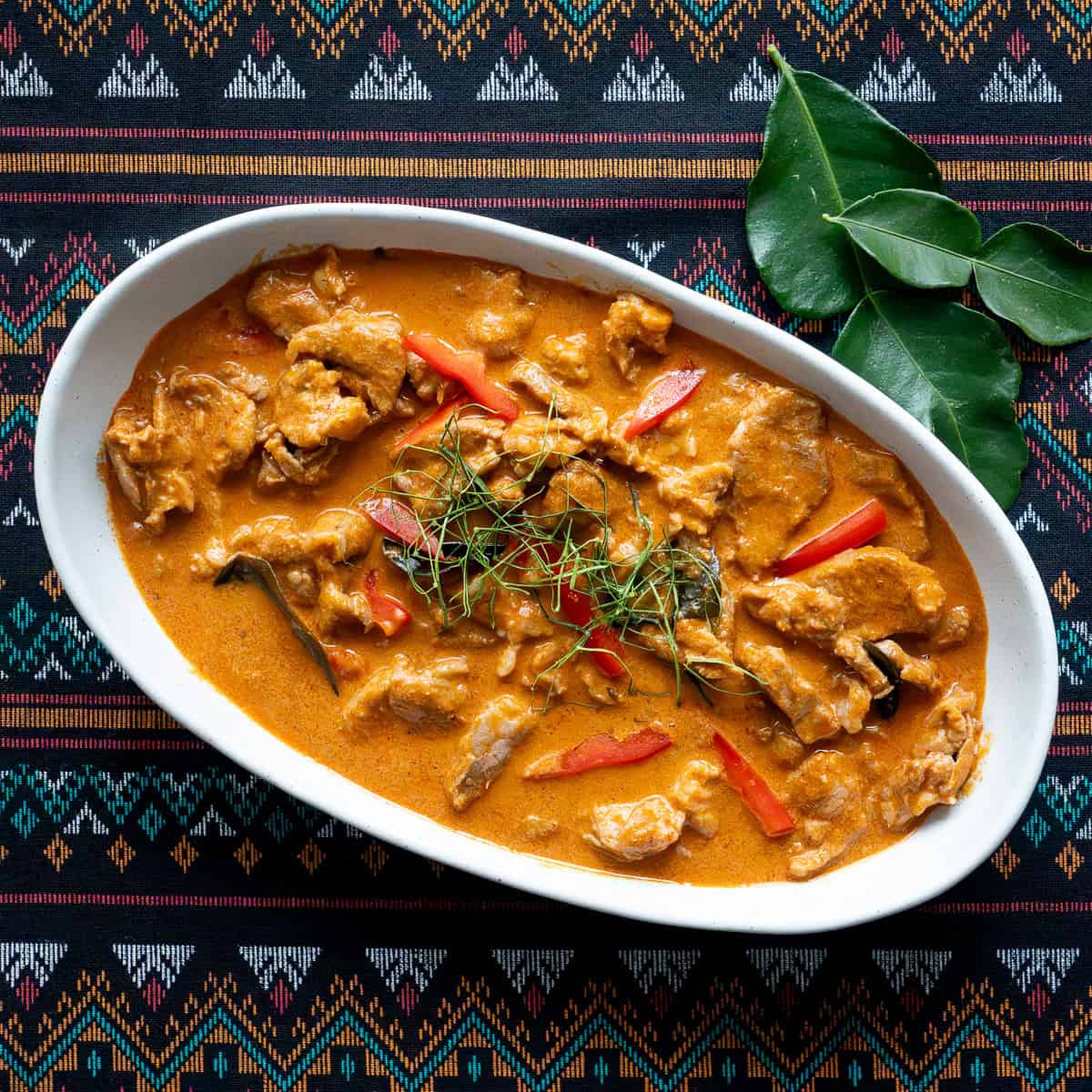
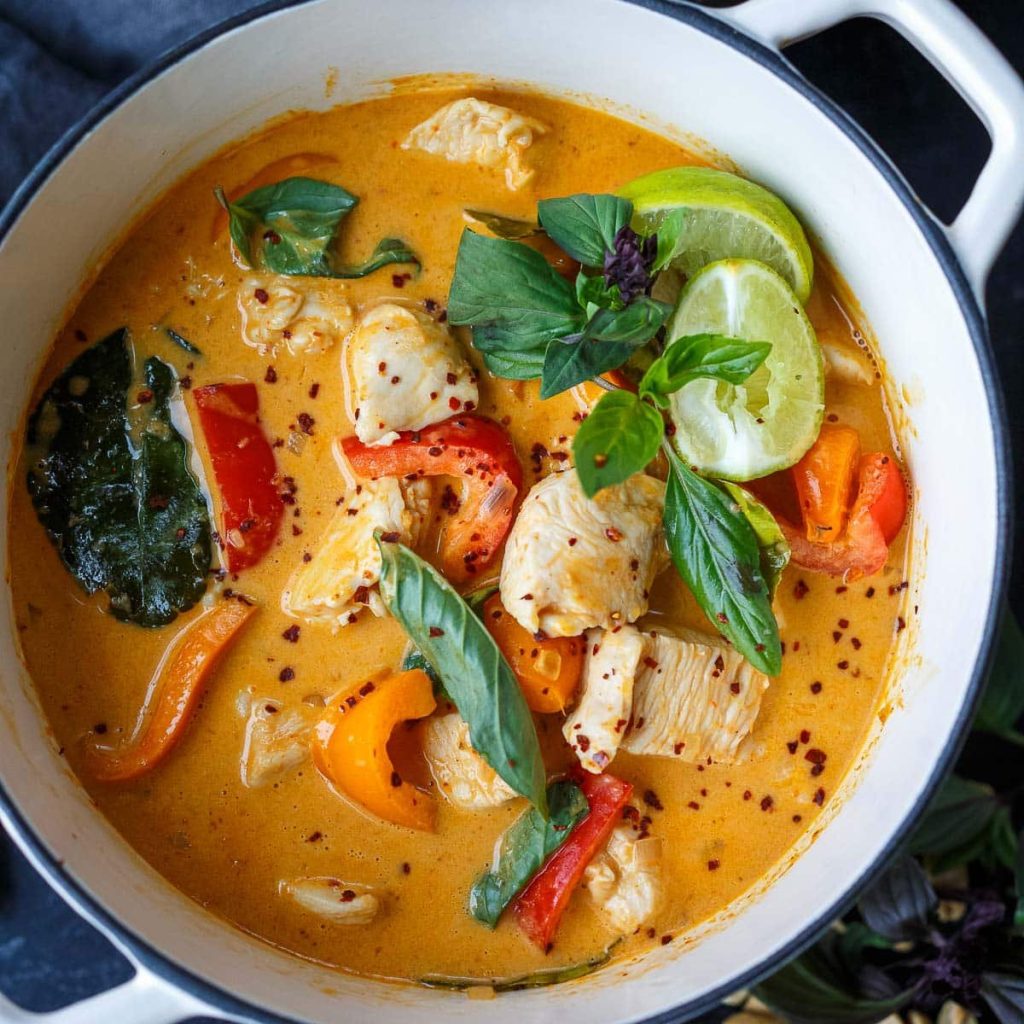

This particular curry is distinguished by its profound depth of flavor, primarily derived from its complex and meticulously prepared spice paste, known locally as rempah. Unlike some other regional curries, Penang seafood curry strikes a delicate balance between fiery heat, tangy notes, subtle sweetness, and a creamy richness, making it incredibly addictive and immensely satisfying.
The heart and soul of any great Penang curry lie within its rempah. This intricate blend of fresh and dried spices, ground to perfection, is what gives the curry its characteristic aroma, color, and unparalleled taste. Mastering the rempah is the first, and arguably most crucial, step towards creating an authentic Penang seafood curry that truly sings.
Tracing the origins of Penang’s cuisine reveals a fascinating tapestry woven from centuries of trade and migration. Influences from Malay, Chinese, Indian, and Nyonya (Peranakan) cultures have converged, creating a unique culinary identity. The curry, in particular, showcases the Indian influence in its spice usage, combined with local ingredients and cooking techniques.
The island’s strategic location as a former trading port meant a constant influx of diverse communities, each contributing their culinary traditions. This melting pot of cultures led to the evolution of dishes like Penang curry, which beautifully encapsulates the fusion of flavors and techniques from across Southeast Asia and beyond.
Seafood, being abundant in a coastal region like Penang, naturally became a star ingredient in many local dishes. Its delicate texture and ability to absorb robust flavors make it an ideal companion for the potent and aromatic curry paste, creating a harmonious blend that is both hearty and refreshing.
The choice of seafood is paramount to the success of this dish. Freshness is non-negotiable. High-quality, freshly caught seafood will elevate your curry from good to extraordinary, ensuring tender textures and a clean, oceanic flavor that complements the spices.
A variety of seafood can be used, offering flexibility and catering to different preferences. Common choices include succulent prawns, firm white fish fillets (such as snapper, mackerel, or cod), tender squid rings, and sometimes even mussels or clams. Combining a few types can add interesting textures and layers of flavor.
To begin our journey into crafting this magnificent dish, let’s delve into the essential ingredients for the revered rempah. This paste is not merely a collection of spices; it’s a carefully balanced symphony, each component playing a vital role in the overall harmony.
The foundational aromatics for the rempah typically include a generous amount of shallots, which provide a sweet and pungent base, along with garlic and ginger for their sharp, warming notes. These fresh ingredients are the backbone, lending a vibrant freshness to the paste.
Further enhancing the aromatic profile are galangal, a cousin to ginger with a more piney, citrusy aroma, and lemongrass, offering a bright, lemony fragrance. Turmeric, either fresh or powdered, contributes its earthy notes and the curry’s signature golden-yellow hue. Dried red chilies are crucial for the characteristic heat and depth of color.
The dry spices complete the rempah, adding layers of warmth and complexity. Cumin seeds and coriander seeds, often toasted to release their full potential, provide earthy, citrusy undertones. Fennel seeds contribute a subtle sweetness and anise-like flavor, while candlenuts (kemiri) are used to thicken the paste and add a creamy richness.
Preparing the dried chilies correctly is vital. They should be soaked in hot water until softened, then deseeded if you prefer a milder curry. The seeds hold most of the heat, so removing them allows you to control the spice level while retaining the chilies’ fruity notes and vibrant color.
Traditionally, the rempah would be painstakingly ground using a mortar and pestle, a process that releases the essential oils and develops a deeper flavor. While a food processor or blender offers convenience, a fine, smooth paste is the goal. For best results, add a little oil or water to aid in blending.
The consistency of your blended rempah should be smooth and uniform, without any large chunks of spice. This fine texture ensures that the flavors are evenly distributed throughout the curry and contributes to the overall lusciousness of the sauce. Don’t rush this step; it’s fundamental.
Beyond the rempah, other essential aromatics and flavor enhancers are incorporated during the cooking process. Curry leaves, with their distinct pungent aroma, are often fried briefly to release their fragrance. Tamarind paste (asam jawa) is another crucial component, providing the characteristic tangy counterpoint that cuts through the richness of the curry.
Coconut milk is the creamy backbone of many Southeast Asian curries, and Penang Seafood Curry is no exception. It mellows the spices, adds a luxurious texture, and brings a subtle sweetness that balances the heat and tang. Use good quality full-fat coconut milk for the best results.
Proper preparation of the seafood is key. Prawns should be deveined and shelled, leaving tails on for presentation if desired. Fish fillets should be cut into bite-sized pieces. Squid should be cleaned thoroughly and scored, then cut into rings or bite-sized chunks. Ensure all seafood is patted dry before adding to the curry.
The cooking process begins by sautéing the prepared rempah in a generous amount of oil over medium heat. This step, known as ‘breaking oil’ or pecah minyak, is critical. You must cook the paste until the oil separates and rises to the surface, and the paste darkens slightly and becomes incredibly fragrant.
This ‘breaking oil’ stage typically takes 10-15 minutes, sometimes even longer, and indicates that the spices have been thoroughly cooked and their flavors fully developed. Rushing this step will result in a raw, less flavorful curry. Stir constantly to prevent burning.
Once the rempah has reached perfection, add the curry leaves and sauté for another minute until fragrant. Then, dissolve the tamarind paste in a small amount of hot water and add it to the pot, along with an additional splash of water or vegetable stock to create the initial sauce base.
Stir well and bring the mixture to a gentle simmer. At this point, you can add some vegetables if desired, such as okra or eggplant, allowing them to soften slightly before the seafood is introduced. This helps them absorb the rich curry flavors.
Now, it’s time to incorporate the coconut milk. Pour it in slowly, stirring continuously to prevent it from curdling. Bring the curry back to a gentle simmer, but avoid boiling vigorously, as this can cause the coconut milk to separate and lose its creamy texture.
Season the curry with salt and a touch of sugar to balance the flavors. Some recipes also call for a small amount of fish sauce (nam pla) to add an extra layer of umami. Taste and adjust as needed, striving for that perfect harmony of spicy, sour, sweet, and savory.
The timing for adding the seafood is crucial. Seafood cooks very quickly, and overcooking will result in tough, rubbery textures. Add the firmest seafood first (e.g., fish), followed by prawns and squid. If using mussels or clams, add them last.
Gently fold the seafood into the simmering curry. Allow it to cook for just a few minutes, typically 3-5 minutes for prawns and fish, or until the seafood is opaque and cooked through. The residual heat will continue to cook it even after you turn off the stove.
As soon as the seafood is cooked, remove the curry from the heat. This prevents any further cooking and ensures your seafood remains tender and succulent. A final garnish of fresh coriander leaves or sliced red chilies adds a burst of color and freshness.
Penang Seafood Curry is traditionally served hot, often with fluffy steamed white rice, which acts as a perfect canvas for the rich sauce. It can also be enjoyed with warm roti canai, naan bread, or even crusty French bread, perfect for soaking up every last drop of the exquisite gravy.
When selecting fresh seafood, always trust your senses. Fish should have clear, bright eyes, firm flesh, and a mild, fresh scent of the ocean, not a strong ‘fishy’ odor. Prawns should be firm and translucent, without any black spots or discoloration.
Mastering the spice balance is an art. If your curry is too spicy, a little extra coconut milk or a squeeze of lime juice can help. If it’s too bland, a pinch more salt, sugar, or a dash of fish sauce can often revive the flavors. Don’t be afraid to taste and adjust frequently.
For those who enjoy adding vegetables, okra (ladies’ fingers), eggplant, or even bell peppers can be wonderful additions. They absorb the curry flavors beautifully and add textural variety. Just be mindful of their cooking times.
The recipe can also be adapted for vegetarian or vegan diets. Firm tofu, tempeh, or a medley of mushrooms and hearty vegetables like potatoes and cauliflower can substitute the seafood, absorbing the rich spice paste wonderfully. Ensure to use vegetable stock instead of water.
Beyond its incredible taste, the spices used in Penang curry offer potential health benefits. Turmeric is known for its anti-inflammatory properties, while ginger and garlic are powerful antioxidants. Enjoying this flavorful dish can be both a culinary delight and a boost to well-being.
Sharing a pot of Penang Seafood Curry with family and friends is a cherished tradition. It’s a dish that brings people together, fostering conversation and creating lasting memories around the dining table. The vibrant colors and intoxicating aromas alone are enough to spark joy.
Troubleshooting common issues: If your curry is too watery, simmer it uncovered for a few extra minutes to reduce. If it’s too thick, add a little water or stock. If the coconut milk curdles, it might be due to boiling too vigorously; next time, keep it at a gentle simmer.
Leftover Penang Seafood Curry can be stored in an airtight container in the refrigerator for up to 2-3 days. Reheat gently on the stovetop over low heat, adding a splash of water or coconut milk if it has thickened too much. Avoid re-boiling the seafood excessively.
To complement the rich and spicy flavors, consider pairing your curry with cooling beverages such as iced lime juice, chilled coconut water, or a light lager. These drinks provide a refreshing contrast and help cleanse the palate.
While striving for authenticity is commendable, don’t hesitate to adjust the recipe to suit your personal taste preferences. Whether you prefer it spicier, tangier, or creamier, the beauty of home cooking lies in making it your own.
Crafting an authentic Penang Seafood Curry is a rewarding culinary adventure. From the meticulous preparation of the rempah to the careful timing of adding the seafood, each step contributes to a dish that is truly a masterpiece of Southeast Asian cuisine. Embark on this journey, and savor the rich, aromatic flavors that define the essence of Penang.