
To truly appreciate the lobster roll, one must first understand its humble origins. While lobster is now considered a luxury ingredient, it was once so abundant in colonial America that it was deemed ‘poverty food.’ However, the lobster roll as we know it is a relatively modern invention. Culinary historians generally trace its birth to the 1920s at a restaurant named Perry’s in Milford, Connecticut. Unlike the cold, mayonnaise-dressed version that became famous later, the original was served warm, bathed in melted butter. It was a straightforward celebration of the seafood itself, unadorned and unapologetic.
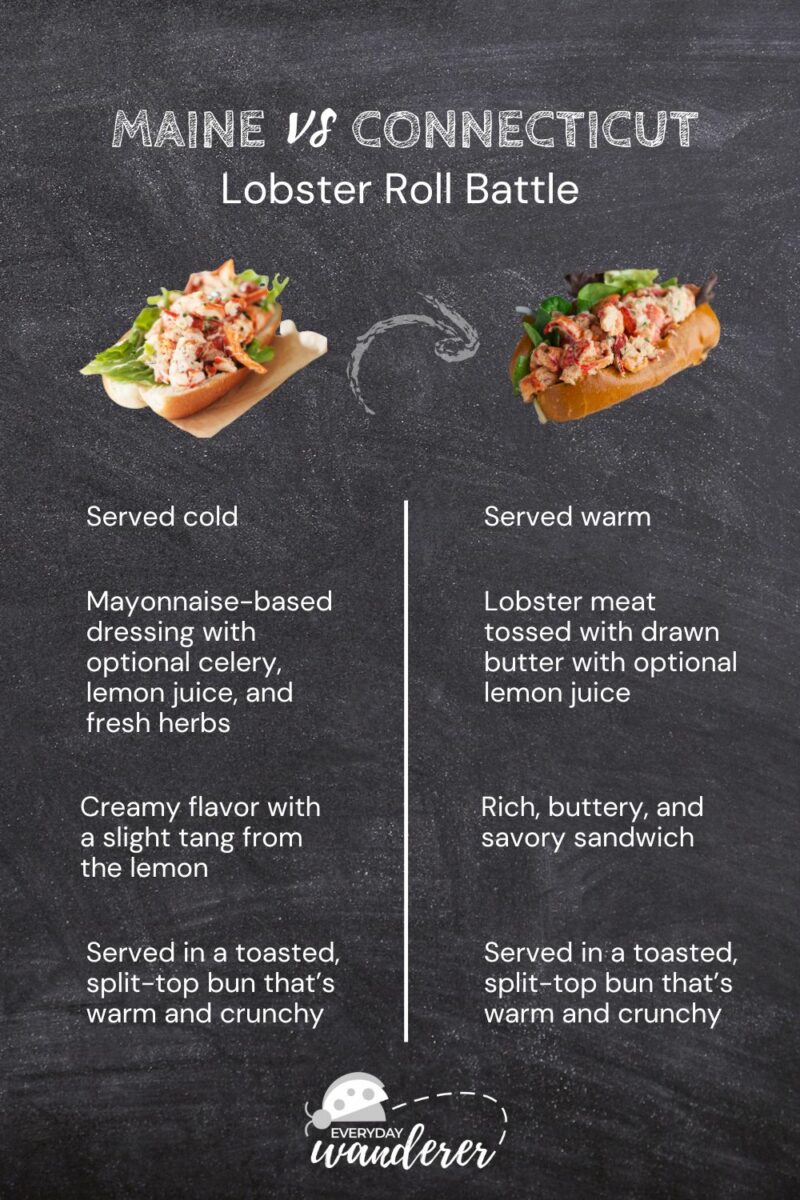
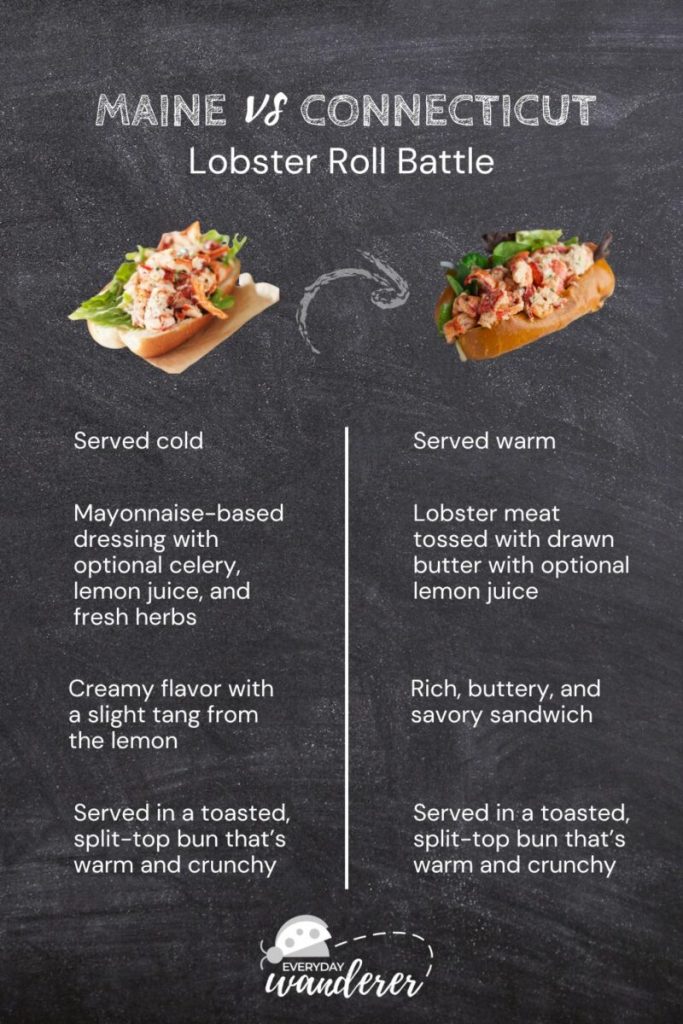
Over the decades, the sandwich migrated north, evolving as it reached the rocky shores of Maine. It was here that the ‘Maine Style’ was born, characterized by chilled lobster meat lightly tossed in mayonnaise, often with celery or chives, served in a split-top bun. Today, these two styles represent the great divide in lobster roll culture. The Connecticut style emphasizes the savory, rich warmth of butter, akin to dipping a whole lobster tail at a steakhouse, while the Maine style offers a refreshing, creamy contrast to the sweet meat, perfect for a hot summer day.
The Foundation: Selecting the Right Lobster
The soul of any lobster roll is, naturally, the lobster itself. For the most authentic experience, live hard-shell lobsters are superior to soft-shell varieties. Hard-shell lobsters, often caught in colder waters, possess meat that is firmer, sweeter, and more plentiful. While frozen lobster meat is a convenient alternative available in many supermarkets, it often lacks the structural integrity and subtle brine of a freshly cooked crustacean. If you must use frozen, ensure it is thawed slowly in the refrigerator to preserve its texture.
When breaking down a lobster for a roll, the goal is to keep the meat in substantial, recognizable chunks. The most prized sections are the claw and knuckle meat, which are widely considered the most tender and sweetest parts of the animal. The tail meat is firmer and provides a satisfying chew. A truly gourmet lobster roll will utilize a mixture of all three—tail, knuckle, and claw (TKC)—to provide a variety of textures in every bite. Avoid mincing the meat; large, succulent pieces are the hallmark of a high-quality roll.
The Vessel: The New England Split-Top Bun
Perhaps just as important as the lobster is the bread. A standard hot dog bun simply will not do for an authentic experience. The traditional vehicle is the ‘New England split-top bun,’ also known as a Frankfurt roll. Unlike standard buns that are sliced on the side, these are sliced from the top and, crucially, have flat, crustless sides.
The flat sides of the New England bun are essential for the preparation process. They allow the chef to butter the exterior of the bread and toast it on a griddle until it achieves a golden-brown, crispy exterior, while the interior remains soft and pillowy. This contrast—the crunch of the buttery bread against the tender yield of the lobster—is the architectural secret of the dish. If you cannot find split-top buns, a high-quality brioche loaf cut into thick rectangles and sliced down the middle is an excellent, and perhaps even more luxurious, substitute.
Style 1: The Connecticut Lobster Roll (Warm & Buttery)
The Connecticut roll is the purist’s choice. It removes all barriers between the palate and the lobster. To prepare this style, the lobster meat is gently poached or warmed in melted butter. This is not just any butter; it is often clarified butter or ghee, which can withstand higher temperatures without burning, though salted butter is often used for that extra savory punch.
The preparation begins by melting a generous amount of butter in a saucepan over low heat. Some recipes call for a squeeze of lemon juice or a dash of paprika in the butter, but traditionalists insist on keeping it plain. The cooked, room-temperature lobster meat is tossed in the warm butter just long enough to heat through—usually only a minute or two. Overcooking at this stage is a cardinal sin, as it will render the meat rubbery.
Style 2: The Maine Lobster Roll (Chilled & Creamy)
The Maine lobster roll is likely what most people visualize when they hear the name. It is a cold salad sandwich, similar in concept to a chicken or tuna salad, but elevated by the nobility of the main ingredient. The key to a successful Maine roll is restraint. The lobster should be dressed, not drowned. The mayonnaise should act as a binder and a source of creaminess, not the primary flavor.
To prepare the Maine style, the cooked lobster meat must be completely chilled. It is then placed in a bowl and mixed with a high-quality mayonnaise. Hellmann’s (or Best Foods) is the industry standard for its balanced flavor and stability. To this, finely diced celery is often added. The celery is controversial; purists hate it, but many locals love the refreshing crunch it adds to the soft textures of the bread and meat.
Seasoning for the Maine roll usually involves a squeeze of fresh lemon juice, a pinch of salt, and freshly cracked black pepper. Some variations include a dash of celery salt or Old Bay seasoning, though one must be careful not to overpower the delicate sweetness of the lobster. Fresh herbs, particularly chives, tarragon, or parsley, can be sprinkled on top for color and a slight aromatic lift.
The Cooking Process: Boiling vs. Steaming
Before you can assemble either roll, you must cook the lobster. There are two schools of thought: boiling and steaming. Boiling is faster and easier to time, making it ideal for cooking multiple lobsters at once. You simply plunge the lobsters into a large pot of heavily salted boiling water (simulating sea water). A 1-pound lobster takes roughly 8 to 10 minutes.
Steaming, however, is often argued to yield more tender meat and prevents the lobster from becoming waterlogged, preserving the ocean flavor inside the shell. To steam, place a steaming rack in a large pot with about two inches of water, bring to a boil, add the lobsters, and cover tightly. Steaming generally takes about 2 minutes longer per pound than boiling. Regardless of the method, it is vital to plunge the lobsters into an ice bath immediately after cooking to stop the cooking process and help the meat detach from the shell.
Step 1: Prep the Meat. Ensure your lobster meat is dry. Excess water will make the dressing runny and the bun soggy. Pat the chunks down with paper towels if necessary. In a mixing bowl, combine the mayonnaise, lemon juice, celery, salt, and pepper. Whisk until smooth.
Step 2: Dress the Lobster. Add the lobster meat to the bowl. Gently fold the mixture together. You want to coat the meat, not break it apart. Taste and adjust seasoning. If it feels too dry, add a teaspoon more mayo, but remember: less is more. Place the mixture in the refrigerator for 15 minutes to let the flavors meld.
Step 3: The Toast. Heat a cast-iron skillet or griddle over medium heat. Generously butter the flat outer sides of the split-top buns. Place the buns in the pan and cook until they are a deep golden brown, about 2-3 minutes per side. Do not neglect this step; the structural integrity of the sandwich depends on this crust.
Step 4: Assembly. Open the toasted buns gently. Some chefs place a single leaf of Bibb lettuce inside the bun before adding the lobster. This acts as a barrier to prevent the bread from getting soggy and adds a nice color contrast. Scoop a generous portion of the lobster salad into each bun. Garnish with fresh chives and serve immediately.
Detailed Recipe: The Classic Connecticut Lobster Roll
For those preferring the warm version, gather the following:
- 1.5 lbs cooked lobster meat (room temperature)
- 1 stick (4 oz) unsalted butter
- 1/4 tsp paprika (optional)
- Lemon wedges for serving
- 4 New England split-top buns
Step 1: Clarify (Optional but Recommended). While you can use melted butter, clarifying it removes the milk solids, giving you a clear, golden liquid that looks beautiful and tastes pure. Melt the butter slowly and skim off the white foam that rises to the top. Pour the golden liquid into a separate pan, discarding the milky residue at the bottom.
Step 2: Warm the Meat. Keep the butter on very low heat. Add the lobster meat. You are gently poaching it, not frying it. Toss it gently until it is warmed through. This should take no longer than 2 minutes.
Step 3: Toast and Fill. Just like the Maine version, butter and toast the buns until golden brown. Once toasted, pile the warm, butter-soaked meat directly into the buns. Drizzle any remaining butter from the pan over the top of the meat. Sprinkle with a tiny pinch of sea salt and paprika if desired. Serve immediately while hot.
Accompaniments: What to Serve
A lobster roll is a meal that commands attention, so the side dishes should play a supporting role rather than competing for the spotlight. The most traditional accompaniment is a bag of plain or kettle-cooked potato chips. The salt and crunch of the chips provide the perfect texture break from the soft bun and tender meat.
Coleslaw is another staple side dish. A vinegar-based slaw cuts through the richness of the mayonnaise or butter, cleansing the palate between bites. Pickles, usually a dill spear, are almost mandatory on a New England plate. For a heartier meal, corn on the cob or clam chowder are excellent pairings that stay true to the coastal theme.
Troubleshooting Common Mistakes
Even with the best ingredients, things can go wrong. The most common error is overcooking the lobster, resulting in a rubbery texture. It is better to slightly undercook the lobster during the initial boil/steam, as it will continue to cook in the shell and again when warmed in butter (for the Connecticut style).
Another pitfall is the temperature of the bun. A cold, untoasted bun is a culinary tragedy in this context. The contrast between the warm, crispy bread and the cool filling (Maine style) or warm filling (Connecticut style) is essential. Furthermore, ensure you do not tear the bun when opening it; split-top buns can be fragile. Use a serrated knife to gently deepen the cut if necessary.
Variations and Modern Twists
While purists may scoff, there are delicious modern variations of the lobster roll. The ‘BLT Lobster Roll’ adds crispy bacon and tomato, adding a smoky, savory element. Some chefs incorporate Asian influences, using yuzu mayo, sesame oil, or a dusting of togarashi spice. Others substitute the lobster for shrimp or crab meat for a more budget-friendly ‘Seafood Roll’ that still captures the essence of the dish.
Another popular variation involves the bread. If split-top buns are unavailable, garlic bread baguettes or even croissants can be used. A croissant lobster roll is particularly decadent, as the flaky, buttery layers of the pastry complement the sweet lobster meat beautifully, though it makes for a much messier eating experience.
The Cost Factor
Making lobster rolls at home can be expensive, as lobster market prices fluctuate wildly. To manage costs, look for ‘culls’ at your local fish market—these are lobsters missing a claw. They are sold at a discount but taste exactly the same. Alternatively, buying just the tails or frozen claw meat can sometimes be more economical than buying whole live lobsters, depending on the season.
Conclusion
Whether you align with the chilled, creamy traditions of Maine or the warm, buttery indulgence of Connecticut, the American Lobster Roll is a testament to the power of simple, high-quality ingredients. It is a dish that transports you to a seaside dock, the smell of salt air, and the sound of crashing waves. By following these techniques—respecting the meat, perfecting the toast, and balancing the flavors—you can recreate this iconic piece of Americana in your own kitchen. It is not just a sandwich; it is a culinary experience that celebrates the bounty of the ocean in the most delicious way possible.