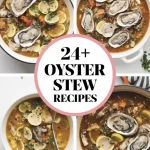

Oysters are often associated with decadent dining, usually accompanied by heavy cream sauces or deep-fried in batter. However, in their natural state, oysters are incredibly lean. They offer a high-protein, low-fat profile that makes them an ideal secret weapon for weight loss. If you are looking to spice up your meal plan with something sophisticated that won’t ruin your macros, you have come to the right place.
Why Oysters Are a Dieter’s Best Friend
Before we dive into the recipes, let’s look at the numbers. A half-dozen medium-sized raw oysters contain roughly 40 to 50 calories. Yes, you read that correctly. You can enjoy a dozen oysters for fewer calories than a single banana. This allows for ‘volume eating,’ a strategy where you eat larger quantities of low-calorie food to feel full without overconsuming energy.
Beyond the calorie count, oysters are nutritional powerhouses. They are packed with protein, which helps maintain muscle mass during weight loss and keeps you feeling satiated. They are also one of the best natural sources of zinc, a mineral essential for immune function and metabolism, as well as being rich in Vitamin B12, iron, and omega-3 fatty acids.
Selection and Safety First
Since many low-calorie oyster recipes involve eating them raw or lightly cooked, freshness is paramount. When buying fresh oysters, ensure the shells are tightly closed. If a shell is slightly open, tap it lightly; if it doesn’t snap shut, discard it. They should smell like the ocean—fresh and briny—never fishy or pungent.
If you are shucking them yourself, safety is key. Use a proper oyster knife and a heavy towel or chainmail glove to protect your hand. If shucking isn’t your forte, ask your fishmonger to do it for you, but be sure to consume them within an hour or two for the best quality and safety.
The Purist’s Palette: Raw Preparations
The lowest calorie way to eat an oyster is raw. However, raw doesn’t have to mean plain. By using acid-based sauces (mignonettes) and fresh spices, you can add massive flavor with negligible calories. Here are three distinct flavor profiles to try.
1. The Classic French Skinny Mignonette
This is the gold standard for oyster pairings. The acidity of the vinegar cuts through the creaminess of the oyster, while the shallot adds a sharp crunch. This entire sauce adds less than 5 calories per oyster.
Ingredients:
- 1/2 cup Red Wine Vinegar
- 2 tbsp finely minced shallots
- 1/2 tsp freshly cracked black pepper
Instructions:
Combine all ingredients in a small bowl. Let the mixture sit in the refrigerator for at least 30 minutes before serving. This allows the shallots to pickle slightly and the flavors to meld. Spoon a half-teaspoon over each fresh oyster.
2. The Spicy Citrus Splash
If you crave heat, this recipe is for you. Spicy foods are known to slightly boost metabolism, making this a double-win for dieters. The Vitamin C from the citrus also aids in the absorption of the iron found in the oysters.
Ingredients:
- Juice of 1 lemon
- Juice of 1 lime
- 1 tsp zest of lime
- 1 tbsp hot sauce (Tabasco or Crystal preferred)
- 1 tsp finely chopped cilantro
Instructions:
Whisk the lemon and lime juices together with the hot sauce. Stir in the zest and cilantro right before serving to keep the herbs bright green. This provides a zesty, refreshing bite that wakes up the palate.
3. Asian-Inspired Ginger Soy Drizzle
For a savory, umami-packed option that avoids sugar-laden teriyaki sauces, we turn to fresh ginger and soy. This recipe brings a depth of flavor that makes the meal feel substantial.
Ingredients:
- 2 tbsp Low-Sodium Soy Sauce (or Tamari for gluten-free)
- 1 tbsp Rice Wine Vinegar (unseasoned)
- 1 tsp freshly grated ginger
- 1 finely sliced scallion (green parts only)
Instructions:
Mix the soy sauce, vinegar, and ginger. Drizzle sparingly over the oysters and top with a few rings of green onion. The ginger provides a warming contrast to the cold shellfish.
Turning Up the Heat: Low-Calorie Cooked Oysters
Not everyone loves raw shellfish, and that is perfectly fine. Cooking oysters concentrates their brine and changes their texture to something firmer, more akin to a scallop. The key to keeping cooked oysters diet-friendly is to avoid butter-poaching and heavy breading.
4. The ‘Skinny’ Rockefeller
Traditional Oysters Rockefeller is a calorie bomb of butter, breadcrumbs, and Pernod liqueur. We can mimic this flavor profile using fresh herbs and rapid high-heat cooking.
Ingredients:
- 12 fresh oysters, on the half shell
- 1 cup fresh spinach, wilted and chopped
- 1 clove garlic, minced
- 1 tbsp lemon juice
- 1 tbsp grated Parmesan cheese (use sparingly)
- Salt and pepper to taste
Instructions:
Preheat your oven broiler or grill. In a small bowl, mix the chopped spinach, garlic, and lemon juice. Top each oyster with a spoonful of the spinach mixture. Sprinkle just a pinch of Parmesan over the top—you only need a tiny amount to get that savory, cheesy hit. Broil for 3-4 minutes until the edges of the oysters curl and the cheese bubbles. Total calories per oyster: approx. 15-20.
5. Grilled Garlic and Herb Oysters
Grilling oysters in their shells is a fantastic way to cook them because the shell acts as its own little steaming pot. The liquor inside boils, cooking the meat gently without added fat.
Ingredients:
- 12 fresh oysters, unopened (scrubbed clean)
- 2 tbsp fresh parsley, chopped
- 1 tbsp fresh chives, chopped
- 1 clove garlic, smashed
- Spray olive oil
Instructions:
Heat your grill to medium-high. Place the oysters cup-side down on the grate. Close the lid and cook for about 5-8 minutes. You will know they are done when the shells pop open slightly. Carefully remove them (they will be hot!), pry off the top shell, and discard any that didn’t open.
Once opened, give each oyster a quick spritz of spray olive oil—this controls the dosage much better than pouring oil—and top with the fresh herbs and garlic. The residual heat will release the aroma of the herbs immediately.
6. Pan-Seared ‘Mock Fried’ Oysters
Sometimes you just crave that fried texture. You can achieve a crispy exterior without a deep fryer by using a non-stick pan and a very light dusting of seasoning.
Ingredients:
- 1 jar of shucked oysters (drained well)
- 1 tbsp Cajun seasoning or Old Bay
- 1 tbsp cornstarch or arrowroot powder
- Cooking spray
Instructions:
Pat the oysters very dry with paper towels; moisture is the enemy of crispiness here. Toss the oysters in a bowl with the seasoning and cornstarch until lightly coated. Heat a non-stick skillet over medium-high heat and coat with cooking spray.
Sear the oysters for about 2 minutes on each side until golden brown. Serve these over a bed of arugula or mixed greens for a ‘Po’ Boy Salad’ that skips the heavy baguette.
7. Clean Eating Oyster Soup
Oyster stew is usually cream-based, but a clear broth oyster soup is traditional in many Asian cultures and is incredibly soothing and low in calories. It is perfect for a light dinner.
Ingredients:
- 1 cup shucked oysters with their liquor
- 2 cups vegetable or seafood broth
- 1/2 block soft tofu, cubed
- 1 cup radish, thinly sliced
- Green onions for garnish
Instructions:
Bring the broth and sliced radish to a boil. Simmer until the radish is soft. Add the tofu and the oysters (including their liquid). Simmer for just 2-3 minutes until the oysters plump up and the edges curl. Do not overcook, or they will become rubbery. Season with white pepper and top with green onions.
Meal Planning with Oysters
Integrating oysters into a weekly meal plan can feel daunting due to the cost and perishability, but treating them as a once-a-week special meal can keep you motivated. Because they are so low in calories, you need to ensure you pair them with fiber-rich sides to create a complete meal.
If you are having a dozen raw oysters (approx. 100 calories), you have plenty of room for a large side salad with avocado, roasted asparagus, or even a small portion of quinoa. The goal is to balance the high protein of the oysters with high-volume vegetables.
Expert Tip: The Sodium Factor
One thing to keep in mind is sodium. Oysters are naturally briny. If you are watching your salt intake to reduce water retention, avoid adding extra salt to these recipes. Rely on acid (lemon, vinegar) and heat (peppers, chili flakes) for flavor instead.
Conclusion
Dieting often fails because the food becomes monotonous. By introducing oysters into your rotation, you are bringing a restaurant-quality experience into your home kitchen. Whether you slurp them raw with a spicy citrus dressing or broil them with garlic and spinach, you are providing your body with high-quality protein and essential minerals without the calorie burden.
So, next time you pass the seafood counter, don’t be intimidated. Grab a dozen, pick a recipe from this list, and enjoy one of the most diet-friendly foods the ocean has to offer. Your waistline—and your taste buds—will thank you.
:max_bytes(150000):strip_icc()/7528810-4bc5c3b5c68042dea6af23a1352ff20d.jpg "The Skinny on Shellfish: Delicious Low-Calorie Oyster Recipes for Your Diet Plan")