
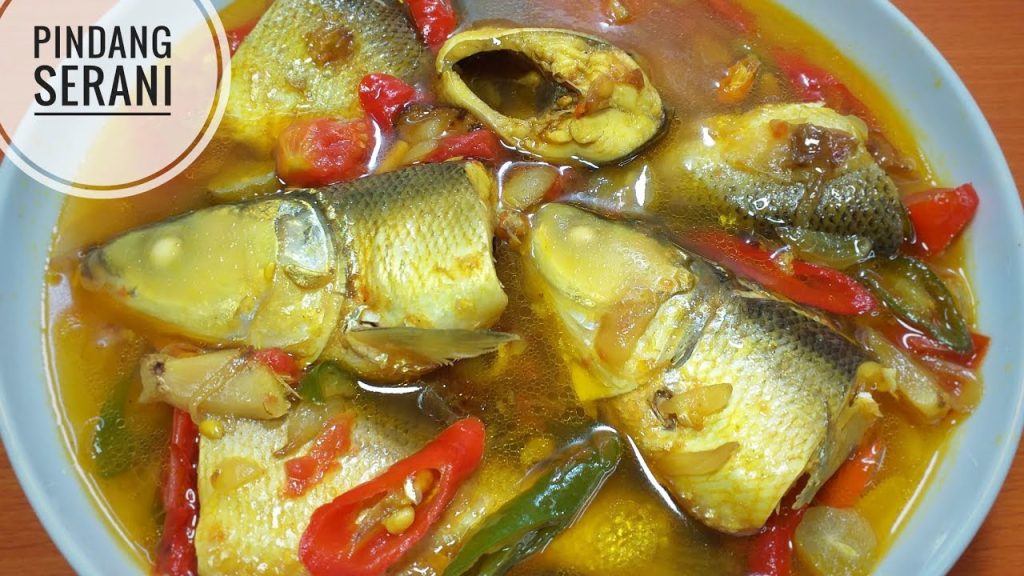

At its core, Pindang Serani stands apart from many other Indonesian ‘pindang’ dishes. While the term ‘pindang’ often implies a cooking method involving boiling with specific spices, sometimes leading to a darker, more concentrated broth, Pindang Serani is characterized by its striking clarity. This transparency is a testament to the freshness of its ingredients and the delicate balance of its preparation, ensuring that the natural flavors of the milkfish truly shine through without being overwhelmed.
The choice of Ikan Bandeng, or milkfish, is no coincidence. Milkfish is abundant in the coastal waters surrounding Jepara, making it a staple protein for the local community. Its firm, white flesh, coupled with a moderate fat content, lends itself beautifully to the Pindang Serani preparation. When cooked correctly, the milkfish absorbs the intricate flavors of the broth, becoming incredibly tender and succulent, a perfect canvas for the vibrant spices.
Jepara’s culinary identity is deeply intertwined with its geographical location. As a coastal town, fresh seafood forms the backbone of its gastronomy. The local cuisine reflects a preference for clean, bright flavors that highlight the natural taste of the ocean’s bounty, often complemented by indigenous herbs and spices. Pindang Serani is a prime example of this philosophy, showcasing how simple, fresh ingredients can be transformed into an extraordinarily complex and satisfying dish.
Beyond the fundamental spice paste, a medley of aromatic leaves and roots further elevates the dish. Fragrant lemongrass, bruised to release its citrusy notes, kaffir lime leaves offering a bright, zesty aroma, and bay leaves providing an earthy depth are all essential. These aromatics are not merely garnishes; they are integral to the layered fragrance that defines Pindang Serani.
The quintessential sourness of Pindang Serani comes from a combination of natural acidic ingredients. Belimbing Wuluh (starfruit or carambola), with its sharp, tangy flavor, is often the primary souring agent. Alternatively, or in combination, fresh tomatoes and a hint of tamarind paste can be used to achieve that desired refreshing tang. This sourness is not aggressive but rather bright and invigorating, cutting through the richness of the fish.
For those who appreciate a kick, the spiciness of Pindang Serani is adjustable to individual preference. Fresh bird’s eye chilies (cabai rawit) are typically added whole or bruised, allowing their heat to infuse the broth gradually. The heat is meant to complement, not overpower, the other delicate flavors, creating a pleasant warmth that lingers on the palate.
Preparing Pindang Serani Ikan Bandeng is an art that requires attention to detail, but it is well within the reach of any home cook. The first step involves selecting the freshest milkfish. Look for fish with clear, bright eyes, vibrant red gills, shiny scales, and a firm, elastic flesh that springs back when gently pressed. A fresh fish will have a clean, oceanic smell, not overly fishy.
Once acquired, the milkfish needs proper preparation. Scale the fish thoroughly, remove the entrails, and rinse it under cold running water until clean. Many cooks prefer to score the sides of the fish a few times. This not only helps the flavors penetrate deeper but also aids in softening the numerous fine bones that are characteristic of milkfish, making them more palatable after cooking.
Next, prepare the spice paste. Grind or blend the shallots, garlic, turmeric, ginger, and candlenuts with a little oil or water until smooth. A traditional mortar and pestle will yield a more rustic texture and release the aromas more intensely, but a food processor works perfectly fine for convenience.
In a pot, heat a small amount of oil and sauté the spice paste over medium heat until it becomes fragrant and the raw smell dissipates. This step, known as menumis, is critical for developing the depth of flavor. Add the bruised lemongrass, kaffir lime leaves, and bay leaves, continuing to sauté for another minute until their aromas are fully released.
Pour in a generous amount of water or, for an even richer flavor, fish stock. Bring the liquid to a rolling boil. At this point, add the slices of belimbing wuluh or tomatoes, and the tamarind paste if using. Season the broth with salt and a touch of sugar to balance the flavors. Taste and adjust to achieve the desired sour-savory balance.
Carefully lower the prepared milkfish pieces into the simmering broth. It’s important not to overcrowd the pot, as this can lower the temperature and lead to uneven cooking. Reduce the heat to a gentle simmer and let the fish cook until it is opaque and tender, typically about 10-15 minutes, depending on the thickness of the fish. Avoid overcooking, which can make the fish dry and flaky.
Just before serving, add the bird’s eye chilies, either whole or slightly bruised, to infuse the broth with a fresh burst of heat. A final taste test and adjustment of seasoning are crucial. Some like to add a squeeze of fresh lime juice at the very end for an extra layer of brightness, though this is optional.
The art of balancing flavors is paramount in Pindang Serani. The goal is to achieve a harmonious interplay between the sourness of the starfruit/tamarind, the spiciness of the chilies, the savory depth of the fish and spices, and the refreshing aroma of the aromatics. No single flavor should dominate; rather, they should all dance together on the palate, creating a memorable experience.
Serving Pindang Serani Ikan Bandeng is straightforward. It is traditionally enjoyed hot, directly from the pot, accompanied by a steaming plate of white rice. The clear, flavorful broth is often spooned generously over the rice, allowing every grain to soak up the delicious essence. Some prefer to add a side of fresh sambal, such as sambal terasi or sambal bawang, for an extra burst of heat and flavor.
Beyond its delightful taste, milkfish offers significant health benefits. It is an excellent source of lean protein, essential amino acids, and particularly rich in Omega-3 fatty acids, which are known for their cardiovascular benefits and anti-inflammatory properties. Thus, Pindang Serani is not only a culinary treat but also a wholesome and nutritious meal.
When cooking milkfish, one common concern is the presence of fine bones. While the cooking process helps to soften them, scoring the fish deeply before simmering can further break down the connective tissues, making the bones less noticeable and easier to consume. Another tip to minimize any ‘fishy’ odor is to marinate the cleaned fish briefly with lime juice and salt before cooking, though this is often unnecessary with truly fresh fish.
To ensure your Pindang Serani is consistently excellent, avoid a few common pitfalls. Firstly, do not skip the step of sautéing the spice paste until fragrant; this is where much of the flavor develops. Secondly, be mindful not to overcook the fish, as it can become tough and lose its delicate texture. Finally, always taste and adjust the seasoning throughout the cooking process; individual preferences for sourness, saltiness, and spiciness vary.
While the classic Pindang Serani uses milkfish, variations exist. Some home cooks might experiment with other types of firm white fish, such as snapper or barramundi, although the unique texture and flavor of milkfish are truly what define the authentic experience. You can also add various vegetables like sliced green tomatoes or even a few pieces of snake beans towards the end of cooking for added texture and nutrients.
Pindang Serani Ikan Bandeng is more than just a recipe; it’s a culinary journey to Jepara. It represents the simplicity and ingenuity of Indonesian cooking, where fresh, local ingredients are transformed into dishes that resonate with history and culture. It’s comfort food, a celebratory dish, and a testament to the rich flavors that emerge when nature’s bounty meets skillful preparation.
For those who have yet to experience this delightful dish, embarking on the journey to prepare Pindang Serani Ikan Bandeng promises a rewarding culinary adventure. The aroma alone will transport you, and the first spoonful will confirm why this dish holds such a special place in the hearts of Jepara’s residents and anyone fortunate enough to taste it. It truly embodies the spirit of Indonesian coastal cuisine.
Once prepared, Pindang Serani, like many Indonesian stews, often tastes even better the next day as the flavors have more time to meld and deepen. Store any leftovers in an airtight container in the refrigerator for up to 2-3 days. When reheating, gently warm it on the stovetop over low heat to prevent the fish from breaking apart or becoming overcooked. Avoid microwaving if possible, as it can alter the texture of the fish.
The cultural significance of Pindang Serani in Jepara cannot be overstated. It’s a dish often served at family gatherings, celebrations, and as a comforting meal on any given day. Local eateries proudly feature it on their menus, and it’s a must-try for visitors seeking an authentic taste of the region. Its popularity speaks volumes about its enduring appeal and deliciousness.
In conclusion, Pindang Serani Ikan Bandeng Khas Jepara is a remarkable culinary creation that deserves global recognition. Its clear, vibrant broth, the tender milkfish, and the intricate balance of sour, spicy, and savory flavors make it a truly unique and unforgettable dish. Whether you’re an experienced chef or a curious home cook, recreating this Jepara specialty will undoubtedly enrich your culinary repertoire and offer a delicious glimpse into Indonesia’s diverse gastronomic heritage.
The careful selection of fresh ingredients is the first and most crucial step towards a successful Pindang Serani. Beyond the fish itself, ensure your spices like turmeric, ginger, and galangal are fresh and aromatic. The quality of your belimbing wuluh or tomatoes will directly impact the refreshing sourness that defines the dish. Investing in quality ingredients pays dividends in flavor.
Another subtle yet significant aspect is the consistency of the spice paste. A well-ground paste ensures that the flavors are evenly distributed throughout the broth, preventing any harsh, uncooked spice notes. Taking the time to properly sauté this paste until it’s deeply fragrant and has a slightly darker hue is a non-negotiable step for flavor development.
The gentle simmering of the fish is key. Rapid boiling can cause the delicate fish flesh to break apart and become tough. A slow, steady simmer allows the flavors to penetrate the fish without compromising its texture, resulting in a perfectly cooked, succulent piece of milkfish that practically melts in your mouth.
Customizing the dish to your preference is part of the fun. If you prefer a milder taste, reduce the amount of chilies or remove them entirely. For those who enjoy an extra layer of umami, a splash of good quality fish sauce can be added, though traditional recipes often rely solely on salt and the natural flavors of the ingredients.
Consider the presentation as well. While Pindang Serani is inherently rustic, garnishing with a few fresh basil leaves or a sprinkle of fried shallots can add an appealing visual and aromatic touch. A wedge of lime on the side allows diners to add a final burst of citrus if desired.
This dish is also a fantastic example of how traditional Indonesian cooking methods prioritize flavor extraction and preservation without relying on heavy oils or overly complex techniques. The focus remains on the purity of ingredients and the harmonious blend of natural tastes.
Embrace the process; the making of Pindang Serani is as enjoyable as its consumption. The aromas that fill your kitchen will be a prelude to the deliciousness that awaits. It’s a dish that invites you to slow down, appreciate the craft of cooking, and savor every moment.
Ultimately, Pindang Serani Ikan Bandeng Khas Jepara is a testament to the rich tapestry of Indonesian cuisine. It’s a dish that bridges tradition with a timeless appeal, offering a refreshing and deeply satisfying experience that highlights the best of what coastal Java has to offer. Make it, share it, and cherish the flavors of Jepara.