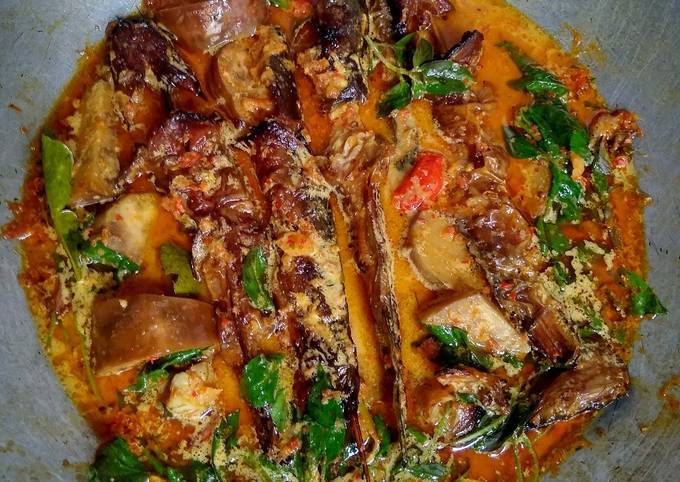
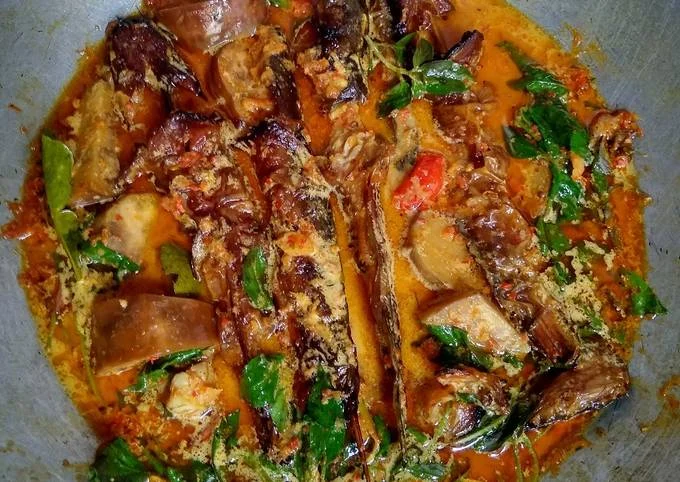

What truly sets Mangut Lele Asap apart is its distinctive character derived from two primary elements: the lele asap, or smoked catfish, and the intensely flavorful, creamy coconut milk sauce known as kuah mangut. The smoking process imbues the catfish with an unparalleled depth and a firm, flaky texture, which then beautifully absorbs the complex notes of the vibrant spice paste, creating a harmonious and unforgettable taste.
Beyond its exquisite taste, Mangut Lele Asap carries significant cultural resonance. It is a dish often prepared for family gatherings, special occasions, or simply as a comforting meal to be shared. The preparation itself is a labor of love, reflecting the Javanese philosophy of patience and meticulous attention to detail in crafting culinary delights. Understanding this cultural backdrop enhances the appreciation of this remarkable dish.
This comprehensive guide is designed to demystify the art of making authentic Mangut Lele Asap. We will embark on a detailed journey, exploring each component, from selecting the finest ingredients to mastering the intricate cooking techniques. Whether you are a seasoned cook or an adventurous beginner, you will find the insights and tips necessary to recreate this Javanese gem in your own kitchen.
The undeniable star of this dish is the Lele Asap (Smoked Catfish). The quality of your smoked catfish will directly impact the final flavor profile of your mangut. Ideally, you want catfish that has been slowly smoked over traditional wood, such as coconut husks or fruitwood, which imparts a gentle yet profound smokiness without overpowering the delicate fish.
When selecting your catfish, if purchasing fresh for home smoking, look for firm flesh, clear eyes, and no strong fishy odor. For pre-smoked catfish, ensure it looks fresh, has a pleasant smoky aroma, and is not overly dry. The smoking process not only preserves the fish but also transforms its texture, making it more resilient to the simmering in the rich coconut sauce.
Traditional smoking methods involve carefully controlled, low heat over a prolonged period. This slow process allows the smoke to penetrate the fish deeply, infusing it with flavor and giving it that characteristic golden-brown hue. The magic lies in achieving a balance: enough smoke to be distinct, but not so much that it becomes bitter or acrid.
For home cooks without access to traditional smoking equipment, there are viable alternatives. You can use a stovetop smoker, a grill with wood chips, or even an oven with a touch of liquid smoke (used sparingly) to impart a smoky essence. Some specialty Asian markets also offer high-quality pre-smoked catfish, which can significantly reduce preparation time while still delivering authentic flavor.
Preparing the smoked catfish for cooking is straightforward. Gently rinse the fish and pat it dry. Some cooks prefer to lightly score the fish, which helps it absorb the sauce’s flavors more effectively. Be mindful that smoked catfish can be delicate, so handle it with care to prevent it from breaking apart before it even reaches the pot.
Next, we delve into the heart of the flavor: the Bumbu Halus (Fine Spice Paste). This vibrant paste is the soul of Mangut Lele Asap, dictating its aroma, spiciness, and overall depth. A well-balanced bumbu is paramount for an authentic taste. It typically comprises a rich array of fresh ingredients, each contributing its unique profile to the symphony of flavors.
Key ingredients for the bumbu include shallots, garlic, red chilies (adjusting quantity for desired heat), candlenuts (for richness and thickening), kencur (a type of galangal with a distinctive earthy, peppery note), fresh turmeric, ginger, and galangal. Additionally, aromatics like lemongrass, bay leaves, and lime leaves are often bruised and added whole during cooking to further enhance the fragrance.
The importance of fresh spices cannot be overstated. Using fresh, high-quality ingredients will yield a much more aromatic and flavorful paste compared to dried or pre-ground alternatives. Take the time to source good quality produce; it makes a significant difference in the final outcome of your dish.
Preparing the spice paste can be done traditionally using a stone mortar and pestle (ulekan) or more conveniently with a food processor or blender. While a mortar and pestle offer a superior texture and release more essential oils, a blender works well if you’re short on time. If using a blender, add a tiny bit of water or oil to help it process smoothly, ensuring a fine, consistent paste.
The crucial step after preparing the bumbu is sautéing the spice paste. This process, known as menumis, is vital for developing the flavors and aromas of the spices. Sauté the paste in hot oil over medium heat, stirring constantly, until it becomes fragrant and the oil starts to separate from the paste. This indicates that the spices are thoroughly cooked and their raw taste has been transformed into a rich, complex foundation for the sauce.
The creamy embrace of Santan (Coconut Milk) is what brings everything together, creating the luscious, velvety texture of the mangut sauce. Coconut milk plays a dual role: it provides a rich, satisfying body to the dish and helps to mellow the intensity of the spices, creating a beautifully balanced flavor profile.
Indonesian cuisine often distinguishes between thick coconut milk (santan kental) and thin coconut milk (santan encer). Thin coconut milk is typically added first to allow the spices and fish to simmer and absorb flavors, while thick coconut milk is introduced later to provide richness and creaminess without curdling from prolonged high heat. If using packaged coconut milk, choose high-quality brands that are pure and unsweetened.
If you have access to fresh coconuts, making your own coconut milk is a rewarding experience. Grate the fresh coconut flesh, add warm water, and squeeze to extract the milk. The first squeeze yields thick milk, while subsequent squeezes with more water yield thinner milk. This fresh approach offers an unparalleled depth of flavor.
One common challenge with coconut milk is preventing it from curdling. This can happen if the heat is too high or if the milk is not stirred frequently. To avoid this, always cook coconut milk over medium to low heat and stir continuously, especially after adding the thick coconut milk, until the sauce gently simmers and thickens.
Beyond the core ingredients, several other aromatics and additions elevate Mangut Lele Asap.
- Green Chilies (Cabe Rawit Utuh): Adding whole bird’s eye chilies towards the end provides bursts of heat and a fresh chili aroma without making the entire dish overwhelmingly spicy.
- Kemangi (Lemon Basil): Fresh kemangi leaves stirred in just before serving impart a wonderfully fragrant, citrusy, and slightly peppery note, brightening the dish significantly.
- Tomatoes (Optional): A few slices of tomato can add a subtle acidity and freshness, cutting through the richness of the coconut milk.
Now, let’s walk through the Step-by-Step Cooking Process. The first phase is Preparation. Gather all your ingredients: your smoked catfish, the freshly ground bumbu halus, coconut milk (separated into thin and thick if possible), lemongrass (bruised), galangal (sliced and bruised), bay leaves, lime leaves, salt, sugar, and any optional additions like whole green chilies or kemangi.
Ensure your smoked catfish is gently cleaned and ready. If you’ve prepared your own bumbu halus, ensure it’s a fine, consistent paste. Having everything prepped and within reach (mise en place) will make the cooking process much smoother and more enjoyable, allowing you to focus on building the flavors.
The second phase is Building the Flavor Base. Heat a generous amount of cooking oil in a large pot or wok over medium heat. Once hot, add the bumbu halus and sauté it diligently. Stir continuously, ensuring the paste doesn’t burn, until it becomes incredibly fragrant and the oil begins to separate. This crucial step can take 10-15 minutes, but it’s essential for a deep, complex flavor.
Once the bumbu is fragrant, add the bruised lemongrass, sliced and bruised galangal, bay leaves, and lime leaves. Continue to sauté for another 2-3 minutes, allowing these aromatics to release their oils and perfume the spice paste. The kitchen should now be filled with an enticing, rich aroma.
The third phase is Crafting the Sauce. Pour in the thin coconut milk. Bring the mixture to a gentle boil, stirring occasionally. As it heats up, season the sauce with salt and sugar to taste. Many cooks also add a pinch of mushroom or chicken stock powder (kaldu bubuk) for an extra layer of umami. Taste and adjust the seasoning at this stage; it’s easier to correct flavors before adding the fish.
The fourth phase involves Adding the Catfish and Simmering. Once the thin coconut milk mixture is gently simmering, carefully place the smoked catfish pieces into the pot. Submerge them gently into the sauce. Then, pour in the thick coconut milk. Reduce the heat to low and let the mangut simmer gently. This slow simmer allows the catfish to absorb the rich flavors of the sauce without overcooking or falling apart.
Continue to simmer for about 15-20 minutes, or until the sauce has thickened slightly to your desired consistency and the flavors have fully melded. During this time, you can also add the whole green chilies if you desire an extra kick. Remember to stir gently and occasionally to prevent the coconut milk from curdling or sticking to the bottom of the pot.
The final phase is Finishing Touches. Just before serving, stir in a generous handful of fresh kemangi leaves. The heat from the sauce will gently wilt the kemangi, releasing its fresh aroma. Do not overcook the kemangi; it should remain vibrant and fragrant. Give it a final taste test and adjust any seasoning if necessary. Garnish with fried shallots (bawang goreng) for added texture and aroma if desired.
To truly master Mangut Lele Asap, here are some invaluable tips:
- Don’t Rush the Spices: The sautéing of the bumbu is the foundation. Patience here pays off immensely in flavor depth.
- Gentle with Catfish: Smoked catfish is delicate. Handle it gently throughout the cooking process to keep it intact.
- Taste and Adjust: Seasoning is subjective. Continuously taste the sauce and adjust salt, sugar, and spiciness to your preference.
- Prevent Curdling: Maintain a low to medium heat and stir coconut milk frequently, especially after adding the thick variety.
For those seeking to explore further, there are advanced techniques and variations. While smoked catfish is traditional, some might opt for grilled or fried catfish for a different textural experience. You can also experiment with adding other proteins like fried tempeh, tofu, or hard-boiled eggs alongside the catfish. Regional spice variations might include more kencur for an earthier taste or a different blend of chilies for a specific heat profile.
Be aware of common pitfalls to avoid. Over-processing the bumbu can make it watery, diluting the flavor. Burning the spices during sautéing will result in a bitter taste. Overcooking the catfish will turn it mushy and diminish its appeal. Lastly, neglecting the coconut milk can lead to a curdled, unappetizing sauce. By being mindful of these points, you can ensure a successful dish.
Mangut Lele Asap is best served piping hot with freshly steamed white rice. The rice acts as a perfect canvas, absorbing the rich, spicy, and smoky flavors of the sauce. Accompaniments like fresh cucumber slices or Indonesian crackers (kerupuk) provide a refreshing crunch and contrast, completing the meal experience. Some enjoy it with a simple fresh vegetable salad on the side.
The history of Mangut Lele is deeply intertwined with Javanese culinary traditions. Originating from the fertile lands where freshwater catfish are abundant, it’s a testament to the ingenuity of local cooks in transforming simple ingredients into extraordinary dishes. The smoking technique, a traditional method of preservation, also became a way to impart unique flavors long before modern refrigeration.
Over centuries, Mangut Lele Asap evolved from humble home cooking to a celebrated dish found in warungs (local eateries) and upscale restaurants across Central Java and beyond. Its enduring popularity speaks to its timeless appeal, offering a taste of authentic Indonesian heritage with every spoonful. It’s a dish that evokes comfort, tradition, and the warmth of home.
Beyond its deliciousness, Mangut Lele Asap also offers some nutritional benefits. Catfish is a good source of lean protein and essential omega-3 fatty acids. The array of fresh spices used in the bumbu provides numerous antioxidants and anti-inflammatory properties. While coconut milk offers healthy fats, it’s rich and should be consumed in moderation as part of a balanced diet.
Embracing the culinary journey of making Mangut Lele Asap is a rewarding experience. It’s an opportunity to connect with Indonesian culture through its vibrant flavors and rich traditions. Don’t be afraid to experiment with the spice levels or to personalize it slightly to your family’s taste. The joy of creating an authentic, flavorful dish from scratch is unparalleled.
In conclusion, Mangut Lele Asap stands as a testament to the profound depth and complexity of Central Javanese cuisine. With its signature smoked catfish enveloped in a luscious, spicy coconut milk sauce, it offers a culinary adventure that is both comforting and exhilarating. By following this comprehensive guide, you are now equipped to bring this remarkable delicacy to your own table, sharing a piece of Indonesian heritage with every delicious bite.