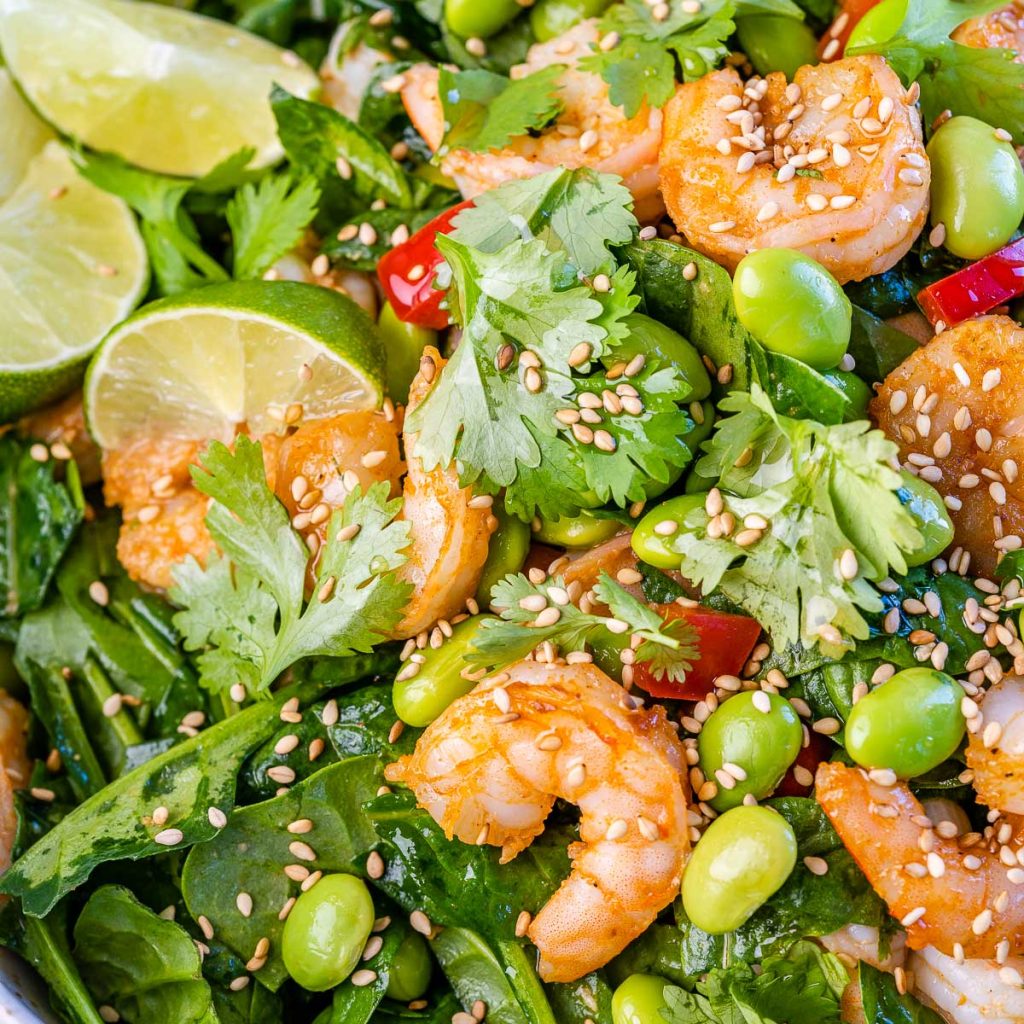
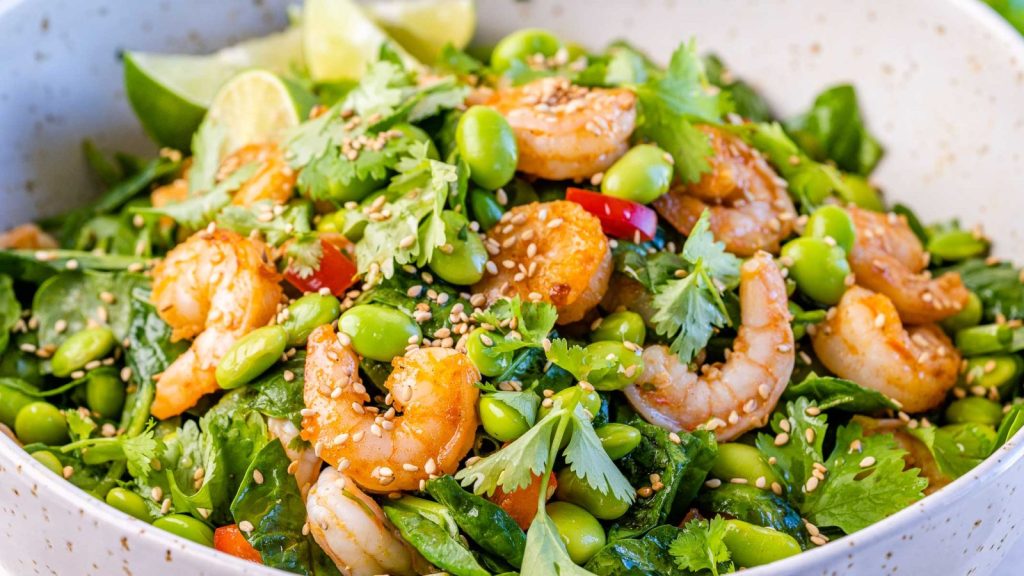

Seafood Edamame is more than just a recipe; it’s an invitation to explore a world of balanced tastes and healthful ingredients. Edamame, young soybeans, offer a fantastic source of plant-based protein, fiber, and essential vitamins, while seafood provides lean protein, omega-3 fatty acids, and a host of minerals. When combined, they form a nutritional powerhouse that is both satisfying and incredibly versatile.
The true magic, however, lies in the ‘bumbu’ – the spices and seasonings. These elements are the soul of the dish, elevating the natural flavors of the seafood and edamame, adding depth, warmth, and an irresistible aroma. Without the right blend of spices, even the freshest ingredients can fall flat. Our goal is to empower you with the knowledge to select, combine, and apply these seasonings like a seasoned chef.
Before diving into the cooking process, the foundation of any great dish begins with ingredient selection. For seafood edamame, quality is paramount. Choosing fresh, high-quality seafood and edamame will significantly impact the final taste and texture of your creation. Let’s explore how to make the best choices.
When it comes to seafood, variety is your friend. Shrimp, with its sweet, succulent flesh, is often a popular choice due to its quick cooking time and universal appeal. Look for firm, translucent shrimp with a mild, fresh scent. Avoid any that smell strongly of ammonia or have black spots, which indicate spoilage.
Squid or calamari offers a delightful chewiness and a slightly briny taste. When selecting squid, ensure it is pearly white, firm, and intact. Cleaning squid can be a bit more involved, but many fishmongers offer pre-cleaned options, saving you time and effort.
Scallops are another excellent option, providing a sweet, buttery flavor and a tender texture when cooked correctly. Opt for ‘dry’ scallops that haven’t been treated with phosphates, as these tend to sear better and have a more natural flavor. Their delicate nature requires quick cooking to prevent toughness.
For those who prefer fish, firm white fish such as cod, snapper, or mahi-mahi can be cut into bite-sized pieces. These fish hold their shape well during stir-frying and absorb flavors beautifully. Always check for clear eyes, red gills, and firm flesh when buying whole fish or fillets.
Mussels or clams can also be incorporated, adding a distinct briny depth to the dish. Ensure all shells are tightly closed before cooking; discard any that are open and do not close when tapped. After cooking, discard any that remain closed.
Edamame, the other star ingredient, is readily available in most grocery stores. You’ll typically find it in the frozen section, either in the pod or shelled. Shelled edamame is more convenient for this dish, as it eliminates the need for shelling. If using in-pod edamame, a quick blanching and shelling step will be necessary.
Whether shelled or in-pod, ensure the edamame beans are vibrant green and plump. Frozen edamame is often flash-frozen at its peak freshness, making it a reliable choice year-round. Always follow package instructions for thawing or cooking to achieve the perfect tender-crisp texture.
Now, we delve into the heart of the matter: the spices and seasonings. These are the ingredients that will transform your seafood and edamame into a memorable culinary experience. We’ll explore various aromatics, flavor enhancers, and heat elements that form the foundation of compelling spice blends.
Aromatics such as fresh garlic, ginger, and shallots are indispensable. They provide the initial burst of flavor that awakens the palate. Always opt for fresh ingredients; their pungent, vibrant notes are far superior to powdered alternatives. Minced garlic, grated ginger, and finely sliced shallots release their essential oils when sautéed, building a fragrant base for the entire dish.
Umami enhancers like soy sauce, oyster sauce, and fish sauce contribute savory depth. Soy sauce provides a salty, fermented richness, while oyster sauce adds a thicker, slightly sweet, and intensely savory note. Fish sauce, though potent in aroma, offers an unparalleled layer of umami that rounds out Asian-inspired dishes beautifully. Use them judiciously to balance the overall saltiness.
For those who appreciate a kick, heat elements like fresh chilies (bird’s eye, serrano), chili flakes, or a dash of sriracha can be incorporated. The level of heat is entirely customizable to your preference. Remember that chili heat intensifies with cooking, so start with a small amount and adjust as needed.
Acidity is crucial for balancing rich flavors and brightening the dish. Freshly squeezed lime juice or lemon juice can provide a zesty tang. Rice vinegar offers a milder, slightly sweet acidity that complements Asian profiles well. A squeeze of citrus at the end of cooking can elevate all other flavors.
Finally, fresh herbs such as cilantro, green onions, and Thai basil add a burst of freshness and aromatic complexity. These are typically added towards the end of cooking or as a garnish to preserve their delicate flavors and vibrant colors. Toasted sesame seeds also offer a nutty crunch and visual appeal.
Let’s explore some distinct spice blends and flavor profiles you can create for your Seafood Edamame, moving beyond a single generic ‘bumbu’ to tailored experiences.
Classic Asian Stir-Fry Blend
This timeless combination offers a harmonious balance of savory, sweet, and aromatic notes. It’s a crowd-pleaser and an excellent starting point for beginners. The key is to build layers of flavor.
Begin by sautéing 2 cloves of minced garlic and 1 tablespoon of grated fresh ginger in a neutral oil (like canola or peanut oil) until fragrant. Add 2 tablespoons of light soy sauce, 1 tablespoon of sesame oil, and a pinch of sugar (about 1 teaspoon) to create the sauce base. A splash of rice wine vinegar can add a subtle tang. This blend pairs exceptionally well with shrimp or firm white fish.
Zesty Citrus-Herb Blend
For a lighter, brighter, and more refreshing take, this blend highlights fresh citrus and aromatic herbs. It’s perfect for warm weather or when you desire a vibrant flavor profile.
After sautéing 1 clove of minced garlic and half a finely chopped shallot, deglaze the pan with the juice of half a lime. Stir in 1 tablespoon of fish sauce (for umami depth) and a tiny pinch of red pepper flakes if you like a hint of warmth. Finish the dish with a generous amount of fresh chopped cilantro and green onions, tossed in just before serving. This profile shines with scallops or delicate white fish.
Spicy Umami Kick Blend
If you crave bold, robust flavors with a fiery edge, this blend is for you. It combines the intensity of chilies with rich umami notes, creating an addictive and satisfying dish.
Start with a generous amount of minced garlic (3-4 cloves) and grated ginger (1.5 tablespoons). Add 1-2 finely chopped bird’s eye chilies (or more, to taste) and sauté until fragrant. Introduce 2 tablespoons of oyster sauce, 1 tablespoon of dark soy sauce, and a teaspoon of brown sugar. A dash of Sriracha or Sambal Oelek can further amplify the heat. This blend is fantastic with squid, shrimp, or even mussels.
Rich Aromatic Southeast Asian Blend
For a more complex, deeply aromatic experience, consider incorporating elements common in Southeast Asian cuisine. This blend often features ingredients beyond the typical stir-fry staples.
Begin by gently sautéing 1 tablespoon of minced garlic, 1 tablespoon of grated ginger, and 1 teaspoon of finely minced galangal (if available). Add 1 stalk of lemongrass (bruised and finely sliced or pounded) and a small piece of star anise. Once fragrant, add 1 tablespoon of fish sauce, 1 tablespoon of light soy sauce, and a teaspoon of palm sugar. A touch of coconut milk can also be introduced for creaminess. This profile complements shrimp, firm fish, or even a mix of seafood.
Regardless of the blend you choose, the cooking method plays a vital role in achieving optimal texture and flavor. Stir-frying is often the preferred technique due to its speed and ability to create a delightful sear.
Mise en Place is crucial: Have all your ingredients prepped and ready before you start cooking. This means seafood cleaned and cut, edamame cooked (if frozen), aromatics minced, and sauces mixed. Stir-frying happens quickly, and you won’t have time to chop mid-cook.
Heat your wok or large skillet over high heat. A very hot pan is essential for achieving a good sear on the seafood and for stir-frying vegetables quickly without making them soggy. Add a high smoke point oil, such as peanut, canola, or grapeseed oil.
First, sauté your aromatics (garlic, ginger, shallots, chilies) until fragrant, usually about 30-60 seconds. Be careful not to burn them, as this will impart a bitter taste to the dish.
Next, add your seafood. Cook in batches if necessary to avoid overcrowding the pan, which can lower the temperature and cause the seafood to steam rather than sear. Cook seafood quickly until just opaque or cooked through, typically 1-3 minutes depending on the type and size. Overcooking is the most common mistake with seafood, leading to rubbery textures.
Once the seafood is almost done, add the pre-cooked edamame to the pan. Toss for about a minute to heat through and allow them to absorb some of the pan’s flavors. This is also the time to introduce any additional vegetables you might be using, such as bell peppers or snap peas, ensuring they retain a slight crispness.
Finally, pour in your prepared spice blend or sauce mixture. Toss everything vigorously for another 1-2 minutes until the sauce thickens slightly and evenly coats all ingredients. The goal is for the sauce to cling to the seafood and edamame, infusing them with flavor.
Finish by removing the pan from the heat and stirring in any fresh herbs like cilantro or green onions. A final squeeze of lime juice can brighten the entire dish. Serve immediately, as stir-fries are best enjoyed fresh off the wok.
Here are some expert tips to ensure your Seafood Edamame is consistently delicious:
- Don’t Overcook Seafood: This cannot be stressed enough. Seafood cooks very quickly. Remove it from the heat as soon as it’s opaque.
- High Heat is Your Friend: Especially for stir-frying. It ensures a good sear and prevents vegetables from becoming watery.
- Balance Flavors: Taste as you go. Adjust saltiness, sweetness, acidity, and heat until the flavors sing in harmony.
- Freshness Matters: Use the freshest ingredients possible for the best results.
- Thicken Sauces: A cornstarch slurry (1 tsp cornstarch mixed with 1 tbsp cold water) can be added to the sauce mixture to achieve a thicker, glossier consistency.
- Experiment: Don’t be afraid to try different combinations of seafood, vegetables, and spice blends. Culinary creativity is rewarding.
This versatile dish can be served in many ways. It stands perfectly on its own as a light, protein-packed meal or appetizer. For a more substantial offering, serve it alongside steamed jasmine rice, brown rice, quinoa, or even tossed with noodles for a complete meal. Garnishes like toasted sesame seeds, crispy fried shallots, or a drizzle of chili oil can add extra layers of texture and flavor.
Common pitfalls to avoid include overcrowding the pan, which leads to steaming rather than searing and results in a less flavorful, soggy dish. Another mistake is adding all the sauce at once without tasting, potentially making the dish too salty or too sweet. Always adjust seasonings gradually. Lastly, ensure your edamame isn’t overcooked and mushy; it should retain a slight bite.
In conclusion, crafting an exquisite Seafood Edamame with a masterful blend of spices is an achievable culinary goal for any home cook. By focusing on fresh ingredients, understanding the nuances of different spice profiles, and employing proper cooking techniques, you can create a dish that is not only incredibly flavorful and nutritious but also a testament to your growing culinary expertise. So, gather your ingredients, fire up your pan, and embark on a delicious journey of flavor discovery!
Experiment with these tips and flavor profiles, and soon you’ll be creating your signature Seafood Edamame dishes that impress and delight. Happy cooking!