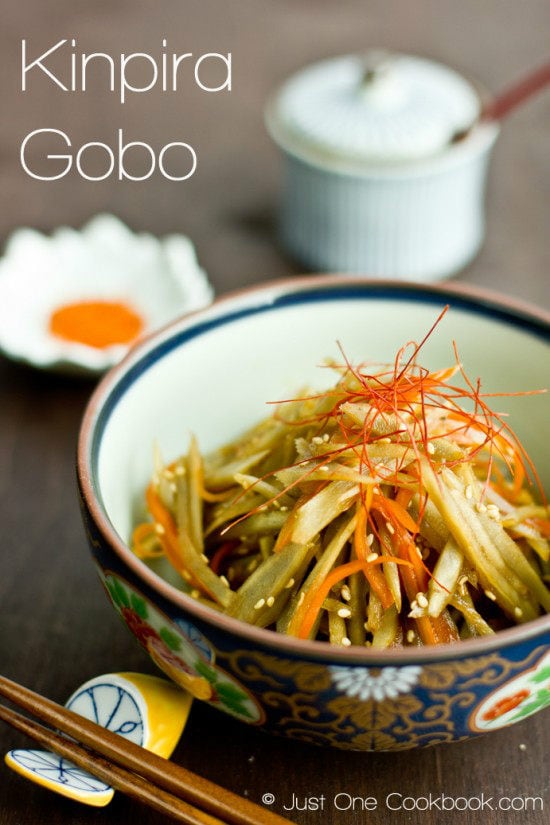

Seafood Kinpira elevates this classic dish by introducing the vibrant flavors and tender textures of the ocean. The addition of fresh seafood not only enriches the protein content but also adds a layer of umami complexity that beautifully complements the distinct earthiness of burdock root. This article will guide you through every step of preparing a truly exceptional Seafood Kinpira, transforming a simple side dish into a captivating main course or a sophisticated component of any meal.
At the heart of any Kinpira dish is gobo, or burdock root. This unassuming root vegetable, often overlooked in Western kitchens, is a staple in Japanese cooking. Visually, it resembles a long, slender brown stick, but its culinary potential is immense. It boasts a unique, subtly sweet, and earthy flavor with a satisfyingly fibrous, crunchy texture when cooked correctly.
Beyond its distinctive taste and texture, burdock root is a nutritional powerhouse. It is exceptionally rich in dietary fiber, particularly inulin, which is beneficial for digestive health and can help regulate blood sugar levels. It also contains various minerals like potassium, magnesium, and calcium, alongside antioxidants that contribute to overall well-being. Incorporating gobo into your diet is a delicious way to boost your nutrient intake.
Selecting fresh burdock root is crucial for the best Kinpira. Look for roots that are firm, straight, and free from soft spots, cracks, or excessive discoloration. Thinner roots tend to be more tender, while thicker ones might require slightly longer cooking. A good burdock root will have a fresh, earthy aroma.
Proper preparation of burdock root is key to its enjoyment. Unlike many vegetables, gobo is traditionally not peeled with a peeler. Instead, its thin skin is gently scraped off with the back of a knife or a stiff brush under running water. This method preserves more of its beneficial nutrients and its unique aroma, which is concentrated just beneath the skin.
Once cleaned, the burdock root should be cut into thin matchsticks (julienned). This uniform size ensures even cooking and a pleasant texture. Immediately after cutting, it’s essential to soak the burdock in a bowl of cold water, often with a splash of vinegar, for 5-10 minutes. This process, known as aku-nuki, helps to remove any harsh bitterness and prevents discoloration, resulting in a cleaner, more palatable flavor.
Now, let’s talk about the star addition: seafood. The beauty of Seafood Kinpira lies in its versatility regarding seafood choices. Shrimp, squid, scallops, clams, and even firm white fish like cod or snapper can be excellent additions. Each brings its own distinct flavor and texture, allowing for endless customization.
When selecting seafood, always prioritize freshness. For shrimp, look for firm, translucent bodies with no strong odor. Squid should have clear skin and bright eyes. Scallops should be firm and pearly white. If using clams or mussels, ensure they are tightly closed before cooking and discard any that remain open after cooking.
Preparing your chosen seafood properly is vital. For shrimp, peel and devein them, leaving the tails on for presentation if desired. Squid can be scored lightly to help it curl attractively and cook evenly. Scallops should be patted dry to achieve a good sear. If using fish fillets, cut them into bite-sized pieces.
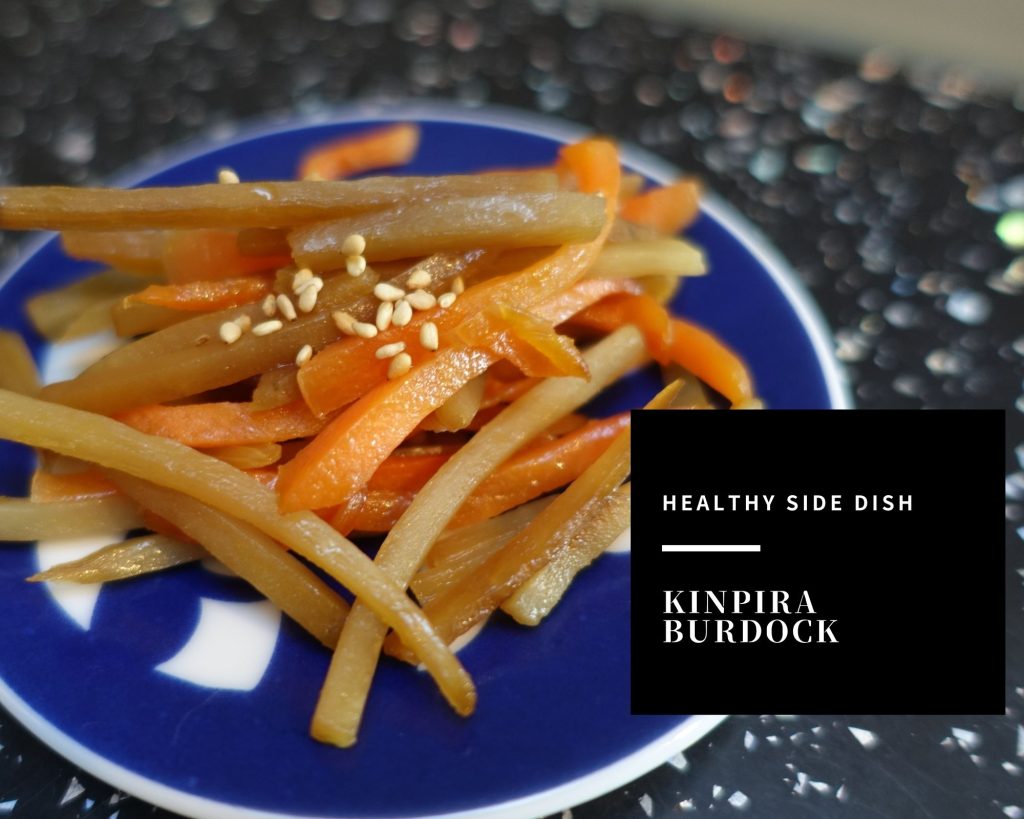
Carrots are the traditional partner to burdock in Kinpira, adding a touch of natural sweetness, vibrant color, and a softer counterpoint to the burdock’s crunch. Like the burdock, carrots should be julienned for even cooking and aesthetic appeal. The contrasting textures of the two vegetables are a hallmark of a well-made Kinpira.
The seasoning base for Kinpira is a harmonious blend of classic Japanese condiments. Sake (Japanese rice wine) adds a subtle sweetness and depth, while also tenderizing the seafood and vegetables. Mirin, a sweet cooking sake, provides a beautiful glaze and enhances the savory-sweet balance. Soy sauce forms the backbone of the flavor, offering rich umami and saltiness.
A touch of granulated sugar helps to balance the savory notes and creates that signature sweet-savory glaze. For an extra layer of umami, a dash of dashi (Japanese soup stock) can be incorporated, though it’s optional if you’re aiming for a simpler flavor profile. Finally, a sprinkle of ichimi togarashi (Japanese chili flakes) or a pinch of red pepper flakes adds a gentle warmth without overpowering the other ingredients.
The cooking technique for Kinpira is a simple yet effective stir-fry and simmer method. It begins with sautéing the firmer ingredients in sesame oil to develop their flavor, followed by the addition of liquids and seasonings, allowing everything to simmer until the flavors meld and the liquid reduces to a glossy glaze. This two-stage cooking ensures both tenderness and depth of flavor.
The process starts with a hot pan and aromatic sesame oil. The burdock root is cooked first, as it requires the longest cooking time to become tender-crisp. Following the burdock, the carrots are added, then the seafood, which cooks very quickly. The key is to avoid overcooking the seafood to maintain its tender texture.
Once the main ingredients are lightly cooked, the liquids—sake, mirin, soy sauce, sugar, and dashi (if using)—are introduced. The mixture is brought to a boil, then reduced to a gentle simmer. This allows the vegetables and seafood to absorb the savory-sweet glaze, intensifying their flavors and creating that characteristic glossy finish.
Finally, the dish is simmered until most of the liquid has evaporated and coats the ingredients beautifully. A quick taste test allows for any final adjustments to seasoning. A sprinkle of toasted sesame seeds and thinly sliced green onions at the very end adds a delightful nutty aroma and a burst of freshness.
Ingredients:
- 2 medium burdock roots (gobo), approx. 300g
- 1 large carrot, approx. 150g
- 250g mixed seafood (e.g., shrimp, squid rings, small scallops)
- 1 tbsp sesame oil
- 2 tbsp sake
- 2 tbsp mirin
- 3 tbsp soy sauce
- 1 tbsp sugar
- 1/4 cup dashi (optional, or water)
- 1/2 tsp ichimi togarashi (Japanese chili flakes) or red pepper flakes (optional)
- 1 tbsp toasted white sesame seeds, for garnish
- 1 stalk green onion, thinly sliced, for garnish
Burdock Root Preparation: Begin by scrubbing the burdock roots thoroughly under cold running water to remove any dirt. Gently scrape off the thin outer skin using the back of a knife or a vegetable brush. Avoid peeling too deeply. Cut the burdock roots into thin matchsticks (julienne style), about 2-3 inches long. Immediately transfer the cut burdock to a bowl of cold water, adding a teaspoon of vinegar, and let it soak for 5-10 minutes to remove bitterness and prevent discoloration. Drain well and pat dry before cooking.
Carrot Preparation: Peel the carrot and cut it into matchsticks of a similar size to the burdock root. Uniformity in cutting ensures even cooking and a visually appealing dish.
Seafood Preparation: If using shrimp, peel and devein them. If using squid, ensure it’s cleaned and sliced into rings or bite-sized pieces. Pat all seafood dry with paper towels. This helps achieve a better sear and prevents the dish from becoming watery.
Cooking Step 1: Sauté Burdock. Heat the sesame oil in a large skillet or wok over medium-high heat. Add the drained and dried burdock root. Stir-fry for 5-7 minutes, until it begins to soften slightly and turn fragrant. The goal is to cook out some of its raw earthiness and develop a subtle sweetness.
Cooking Step 2: Add Carrot. Add the julienned carrot to the skillet. Continue to stir-fry for another 3-4 minutes, allowing the carrot to soften slightly but still retain a pleasant crispness.
Cooking Step 3: Introduce Seafood. Add the prepared seafood to the pan. Stir-fry for 1-2 minutes, just until the seafood starts to turn opaque. Be careful not to overcook it at this stage, as it will continue to cook during the simmering process.
Cooking Step 4: Add Seasoning Liquids. Pour in the sake, mirin, soy sauce, sugar, and dashi (or water). Stir well to combine all ingredients and ensure the seasoning is evenly distributed. Bring the mixture to a gentle boil.
Cooking Step 5: Simmer and Reduce. Once boiling, reduce the heat to medium-low, cover the skillet, and let it simmer for 8-10 minutes, or until the burdock root is tender-crisp and most of the liquid has been absorbed or reduced to a thick glaze. Stir occasionally to prevent sticking and ensure even cooking.
Cooking Step 6: Finish and Garnish. Remove the lid and increase the heat to medium-high for a minute or two, if necessary, to reduce any remaining liquid and create a glossy coating. Stir in the ichimi togarashi or red pepper flakes if using. Transfer the Seafood Kinpira to a serving dish, sprinkle generously with toasted sesame seeds and thinly sliced green onions. Serve immediately.
For the best results, remember not to overcrowd your pan. If you’re making a large batch, consider cooking the burdock and carrots in two batches to ensure they get proper heat and develop good flavor. Adjust the sweetness and saltiness of the sauce to your preference; some prefer a sweeter Kinpira, while others like it more savory.
The ideal texture for Kinpira is tender-crisp—the burdock should be cooked through but still have a satisfying bite. Leftovers can be stored in an airtight container in the refrigerator for up to 3-4 days and are delicious served cold or gently reheated.
While this recipe focuses on seafood, Kinpira is incredibly adaptable. For a vegetarian or vegan version, simply omit the seafood and add ingredients like fried tofu, edamame, or thinly sliced shiitake mushrooms. The fundamental technique remains the same, allowing for a delicious plant-based alternative.
Feel free to experiment with other vegetables such as lotus root (renkon), daikon radish, or even bell peppers for different textures and flavors. For those who enjoy a spicier kick, increase the amount of chili flakes or add a touch of sriracha at the end. Different types of seafood can also be swapped in and out based on availability and preference.
Seafood Kinpira is wonderfully versatile in how it can be served. It makes an excellent okazu (side dish) to accompany a traditional Japanese meal, served alongside steamed rice, miso soup, and grilled fish. Its robust flavors also make it a fantastic addition to a bento box, providing a healthy and satisfying component.
The dish can also be enjoyed as a light lunch on its own, or even as a topping for noodles or mixed into a rice bowl. Its vibrant colors and appealing textures make it a welcome sight on any dining table, whether for a casual weeknight dinner or a special occasion.
The name ‘Kinpira’ is derived from Kinpira Kintoki, a legendary strongman hero in Japanese folklore, symbolizing the dish’s robust and invigorating qualities. Burdock root, with its deep roots, is often associated with strength and resilience, making it a culturally significant ingredient in Japan.
Historically, Kinpira Gobo was a common dish in farming communities, utilizing readily available local ingredients. Over time, it evolved into a beloved staple across Japan, appreciated for its simplicity, flavor, and health benefits. The addition of seafood represents a modern culinary evolution, blending traditional techniques with contemporary tastes.
Revisiting the health aspects, Seafood Kinpira offers a fantastic combination of nutrients. The high fiber content from burdock and carrots supports gut health and satiety. Seafood provides lean protein, essential omega-3 fatty acids, and various vitamins and minerals, contributing to heart health and brain function.
With its balanced profile of carbohydrates, protein, and healthy fats, this dish is not only delicious but also a remarkably wholesome addition to a balanced diet. It’s a testament to how traditional recipes can be adapted to offer modern nutritional benefits without sacrificing flavor.
If your burdock root still tastes bitter after soaking, it might indicate that it wasn’t soaked long enough or that the root itself was particularly mature. Try soaking for a bit longer next time, or blanching it briefly before stir-frying. If your seafood becomes rubbery, it’s likely overcooked; seafood cooks very quickly, so add it last and cook only until opaque.
Should your Kinpira turn out too watery, simply increase the heat and continue to cook, stirring frequently, until the liquid reduces and forms a glaze. Conversely, if it’s too dry, add a splash more dashi or water to achieve the desired consistency. If the flavor is lacking, a pinch more soy sauce or sugar can often balance it out.
Seafood Kinpira is more than just a recipe; it’s an exploration of flavors, textures, and cultural heritage. It seamlessly marries the earthy robustness of burdock root with the delicate richness of the ocean, creating a dish that is both comforting and exciting. Its nutritional benefits, combined with its ease of preparation, make it an ideal choice for home cooks looking to expand their culinary repertoire.
We encourage you to embark on this culinary journey and discover the satisfying rewards of mastering Seafood Kinpira. Whether served as a hearty side or a light main, this dish promises to bring a touch of Japanese culinary excellence to your table, delighting your palate with its unique blend of tradition and innovation. Enjoy the process, savor the flavors, and share this delightful creation with your loved ones.