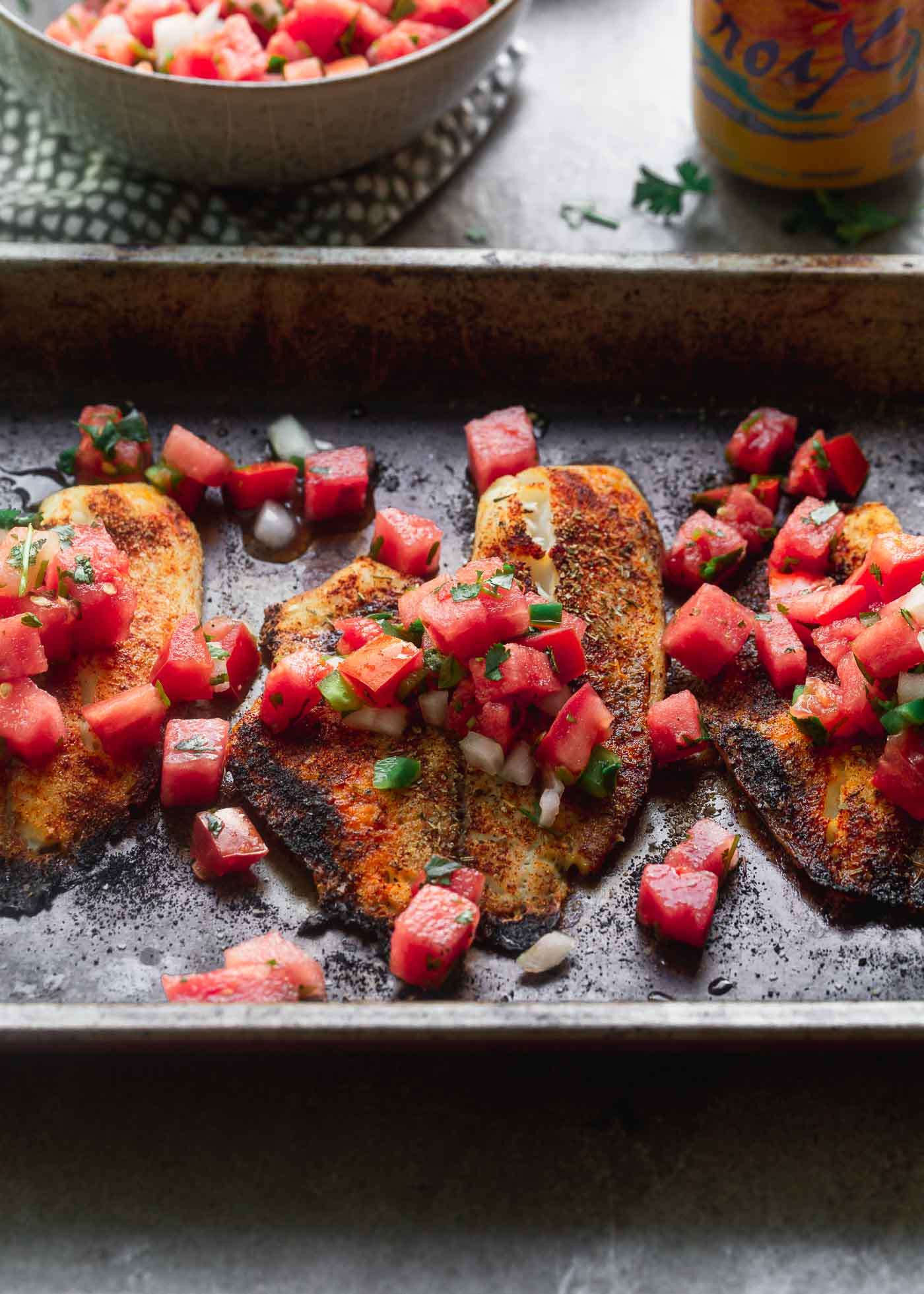
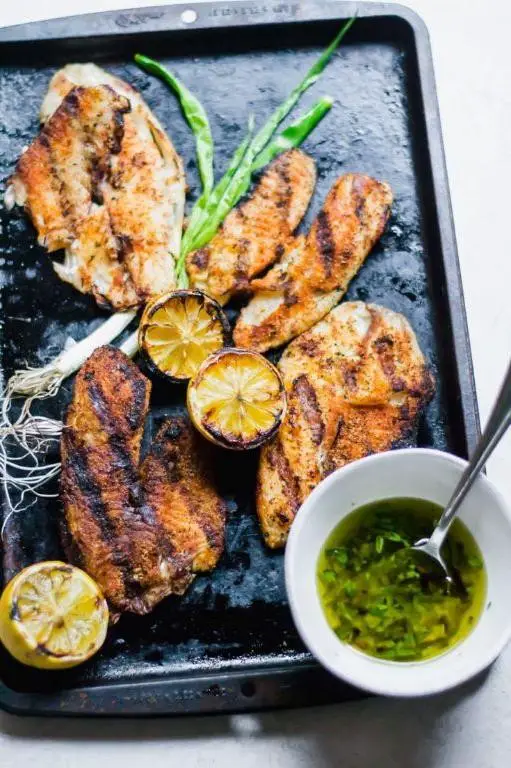

If you are looking to spice up your weeknight dinner rotation, spicy tilapia recipes are the ultimate solution. They are generally fast, affordable, and incredibly healthy. Whether you prefer the smoky heat of Cajun cuisine, the bright zest of Mexican chilies, or the complex aromatics of Asian spices, this versatile fish can handle it all. In this guide, we will explore how to turn this humble fillet into a flavor-packed powerhouse.
Why Tilapia is the Perfect Vessel for Spice
The texture of tilapia is flaky and tender, but firm enough to hold up to various cooking methods like pan-searing, baking, and grilling. Unlike oily fish such as salmon or mackerel, which have their own rich flavors that can sometimes clash with certain spices, tilapia steps back and lets the seasoning take center stage. This means you can go heavy on the cayenne, paprika, and chili flakes without overwhelming the dish.
Furthermore, tilapia is a lean source of protein. When you use spices to flavor your food rather than heavy cream sauces or excessive butter, you create a meal that is heart-healthy and low in calories but high in satisfaction. The heat from peppers actually releases endorphins, making your meal not just nutritious, but genuinely mood-boosting.
The Art of the Dry Rub: Blackened Tilapia
One of the most iconic ways to prepare spicy fish is by "blackening" it. This technique, rooted in Cajun and Creole cuisine, involves coating the fish in a robust spice mixture and searing it in a hot skillet—preferably cast iron—until a dark, flavorful crust forms. It is not actually burnt; that dark color comes from the charred spices and butter solids.
To make a classic spicy blackened tilapia, you will need to create a spice rub. Combine smoked paprika, onion powder, garlic powder, dried thyme, dried oregano, salt, black pepper, and a generous amount of cayenne pepper. The cayenne is the control knob for your heat level; adjust it depending on how much fire you can handle.
Start by patting your tilapia fillets completely dry with paper towels. This step is non-negotiable. If the fish is wet, it will steam rather than sear, and the spices will slide right off. Once dry, brush the fillets with melted butter or oil, then dredge them heavily in your spice mix. You want a thick coating.
Heat a cast-iron skillet over medium-high heat with a tablespoon of oil and a knob of butter. Once the butter foams and the pan is smoking slightly, lay the fish in. Cook for about 3 minutes per side without moving it around. You want that crust to develop undisturbed. Serve this with a squeeze of fresh lemon to cut through the smoky heat.
Firecracker Tilapia Tacos with Jalapeño Slaw
Tacos are arguably the best vehicle for spicy fish. The combination of hot, seasoned fish with cool, crunchy toppings creates a texture and temperature contrast that is irresistible. For this recipe, we lean into Mexican flavor profiles using chili powder and cumin.
Create a marinade using olive oil, lime juice, chili powder, ground cumin, crushed red pepper flakes, and minced garlic. Let the tilapia fillets sit in this mixture for about 15 to 20 minutes. You don’t want to marinate seafood for too long, especially with citrus, as the acid can start to "cook" the fish (think ceviche) and change the texture before it hits the pan.
While the fish marinates, prepare the Jalapeño Slaw. Thinly slice purple cabbage, red onion, and fresh jalapeños. If you want the flavor of the pepper without scorching heat, remove the seeds and ribs from the jalapeños before slicing. Toss the vegetables with lime juice, a touch of honey, salt, and chopped cilantro. The crunch of the cabbage and the acid from the lime will balance the spice of the fish perfectly.
Grill or pan-fry the marinated tilapia until it flakes easily with a fork. Break the fish into large chunks and load them into warm corn tortillas. Top with the slaw and perhaps a drizzle of spicy chipotle mayo for an extra kick. This dish is perfect for summer gatherings or a quick Tuesday night dinner.
Thai-Inspired Red Curry Tilapia
Moving away from dry rubs, let’s explore how tilapia behaves in a spicy sauce. Asian flavors, particularly Thai curries, work wonders with white fish. The coconut milk provides a creamy richness that soothes the palate, while the red curry paste delivers a deep, complex heat.
For this recipe, you will need red curry paste (available in the international aisle of most grocery stores), a can of coconut milk, fish sauce, brown sugar, and fresh basil. Start by sautéing a tablespoon of red curry paste in a pan with a little oil to wake up the aromatics. Once it becomes fragrant, pour in the coconut milk and bring it to a gentle simmer.
Add a splash of fish sauce for umami and a teaspoon of brown sugar to balance the heat. Gently place your tilapia fillets directly into the simmering sauce. This method is called poaching. It ensures the fish remains incredibly moist and tender since it is cooking gently in liquid rather than direct high heat.
Cover the pan and let it simmer for about 8-10 minutes. The sauce will thicken slightly and coat the fish. Serve this over jasmine rice to soak up that spicy, creamy curry sauce. Garnish with fresh basil and sliced red chilies if you are feeling brave.
Spicy Oven-Baked Tilapia with Sriracha and Lime
If you prefer a hands-off cooking method, the oven is your best friend. Baking tilapia is foolproof and allows you to create a sticky, spicy glaze that caramelizes under the broiler. This recipe utilizes the ubiquitous rooster sauce: Sriracha.
Preheat your oven to 400°F (200°C). In a small bowl, whisk together Sriracha, melted butter (or sesame oil), soy sauce, honey, minced ginger, and lime zest. The honey is crucial here; it helps the sauce cling to the fish and promotes caramelization, creating a sticky glaze rather than a runny sauce.
Line a baking sheet with foil or parchment paper for easy cleanup. Place the tilapia fillets on the sheet and brush them generously with the Sriracha glaze. Bake for roughly 10-12 minutes. For the final minute, switch the oven to "broil" to get the top bubbly and slightly charred.
Top the finished dish with sliced green onions and toasted sesame seeds. The result is a sweet, savory, and undeniably spicy fillet that pairs beautifully with steamed broccoli or bok choy.
Expert Tips for Handling Tilapia
Regardless of which spicy recipe you choose, the quality of your final dish depends on how you handle the raw ingredient. First, if you are buying frozen tilapia, ensure it is thawed properly. The best method is to leave it in the refrigerator overnight. If you are in a rush, seal the fish in a plastic bag and submerge it in cold water—never warm water, which promotes bacterial growth.
The Moisture Factor: As mentioned earlier, water is the enemy of a good sear. Always pat your fish dry. If you are baking, excess water can dilute your marinade, making the sauce runny instead of rich. Take the extra thirty seconds to dry the fillets; it makes a world of difference.
Don’t Overcook It: Tilapia is a thin fillet and cooks very quickly. It is done when the flesh turns opaque white and flakes easily when twisted with a fork. The FDA recommends an internal temperature of 145°F (63°C). Overcooked tilapia becomes dry and rubbery, which no amount of spicy sauce can fix.
Balancing the Heat: Side Dish Pairings
When serving spicy food, the side dishes play a supporting role in managing the heat levels. You generally want to avoid making the sides spicy as well; otherwise, you risk palate fatigue where everything just tastes like burning.
Starchy Sides: Rice, quinoa, or potatoes are excellent for absorbing capsaicin (the compound that makes peppers hot). A simple cilantro-lime rice or roasted garlic potatoes provides a neutral base that lets the spicy fish shine.
Cooling Elements: Dairy and acid are great for cutting heat. Consider serving your spicy tilapia with a side of cucumber salad dressed in yogurt and dill, or simply having sliced avocado on the plate. The fat in avocado and dairy helps dissolve the spice oils on your tongue, providing relief from the fire.
Vegetables: Sweet vegetables like corn or roasted carrots pair wonderfully with spicy main courses. The natural sugars in the vegetables contrast nicely with the savory heat of the fish.
Conclusion
Tilapia is far from a boring dinner option when you treat it with the respect and creativity it deserves. Its mild manner makes it the perfect candidate for culinary experimentation, allowing you to travel the world from your kitchen—from the bayous of Louisiana to the street stalls of Thailand.
Whether you are searing it with a Cajun crust, wrapping it in a taco, or poaching it in curry, spicy tilapia recipes offer a healthy, fast, and flavor-packed solution for any meal. So, grab that jar of cayenne, chop up those jalapeños, and get ready to turn the heat up in your kitchen.