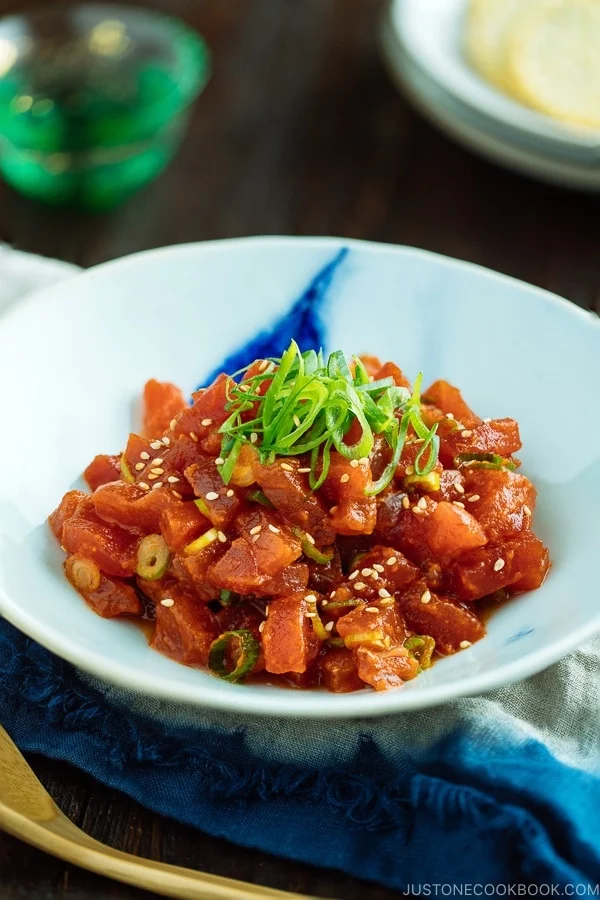

Spicy tuna has become a beloved staple in cuisines around the world, celebrated for its versatility and ability to transform simple ingredients into something extraordinary. Its popularity stems from its ability to satisfy a wide range of palates, offering a delightful combination of textures and tastes. Imagine the creamy richness of fresh tuna mingling with the fiery kick of chili, all wrapped in a savory embrace of umami. That’s the magic of spicy tuna!
In this comprehensive guide, we’ll delve into the secrets behind creating the most delectable spicy tuna dishes. We’ll explore various recipes, from the traditional to the innovative, providing detailed instructions, helpful tips, and expert insights to ensure your culinary success. Get ready to embark on a flavorful journey that will elevate your cooking skills and leave you craving more.
Let’s begin by exploring the essential ingredients and techniques that form the foundation of any great spicy tuna creation.
Understanding the Essence of Spicy Tuna
Spicy tuna is more than just tuna with a bit of spice. It’s a carefully crafted balance of flavors and textures, where each element plays a crucial role. The quality of ingredients, the precision of preparation, and the harmony of the final dish are key to achieving that perfect taste.
The ‘spicy’ element often comes from a combination of chili peppers and sauces. The most common is sriracha, a popular chili sauce known for its balanced heat and slightly sweet undertones. Other options include gochujang, a Korean chili paste, or even finely chopped fresh chilies for a more intense experience. The choice of chili and sauce can significantly impact the final flavor profile, so experiment to find your preferred level of heat.
Beyond the tuna and chili, other ingredients contribute to the complex flavor profile. Soy sauce provides a savory umami base, while sesame oil adds a nutty aroma and a touch of richness. Mayonnaise, often used in spicy tuna rolls, adds a creamy texture and helps bind the ingredients together. Additional flavor enhancers might include green onions, sesame seeds, and a squeeze of lime juice.
Classic Spicy Tuna Recipes to Delight Your Taste Buds
Let’s dive into some of the most popular and beloved spicy tuna recipes that will have you creating culinary masterpieces in your own kitchen.
Spicy Tuna Sushi Rolls
- Ingredients: Sushi-grade tuna, sushi rice, nori seaweed sheets, sriracha, mayonnaise, sesame oil, soy sauce, green onions, sesame seeds.
- Instructions: Cook sushi rice according to package directions. Mix tuna with sriracha, mayonnaise, sesame oil, and a touch of soy sauce. Place a nori sheet on a bamboo rolling mat. Spread a thin layer of rice over the nori, leaving a small space at the top. Place the spicy tuna mixture in the center. Roll the sushi tightly using the mat. Slice into bite-sized pieces and garnish with green onions and sesame seeds.
Spicy Tuna Salad
Spicy tuna salad is a versatile dish that can be enjoyed in various ways: as a sandwich filling, a topping for crackers, or even a standalone salad. The key to a great spicy tuna salad is the balance of flavors and textures.
- Ingredients: Canned tuna (in water or oil), mayonnaise, sriracha, celery (finely chopped), red onion (finely chopped), salt, and pepper.
- Instructions: Drain the tuna well. In a bowl, combine the tuna with mayonnaise, sriracha, celery, and red onion. Season with salt and pepper to taste. Mix well and serve.
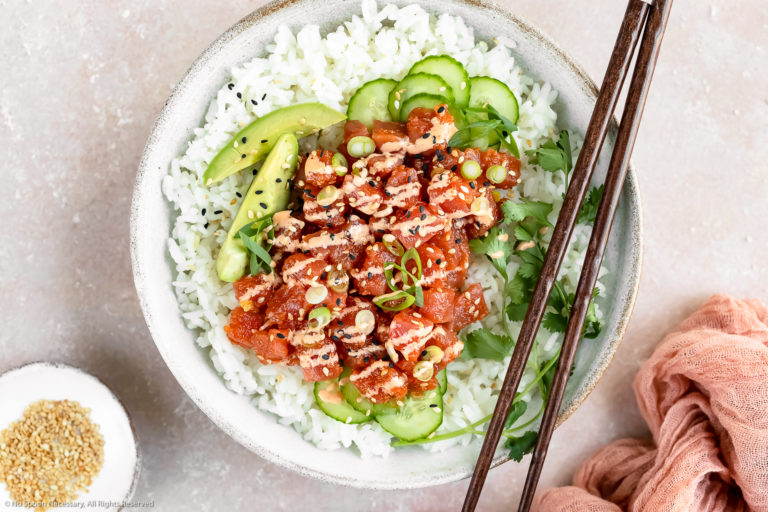
Spicy Tuna Poke Bowl
Poke bowls are a fantastic way to enjoy a complete and satisfying meal. The combination of fresh tuna, rice, and various toppings creates a symphony of flavors and textures. The spicy tuna adds a delicious kick.
- Ingredients: Sushi-grade tuna, cooked sushi rice, sriracha mayo (sriracha mixed with mayonnaise), soy sauce, sesame oil, avocado, edamame, seaweed salad, green onions, sesame seeds.
- Instructions: Cube the tuna and toss it with sriracha mayo, soy sauce, and sesame oil. In a bowl, layer sushi rice, spicy tuna, avocado slices, edamame, seaweed salad, green onions, and sesame seeds.
Advanced Techniques and Variations
Once you’ve mastered the basics, you can explore more advanced techniques and variations to elevate your spicy tuna creations.
Experiment with different chili peppers and sauces to customize the heat level. Try using gochujang for a Korean-inspired spicy tuna or add a pinch of cayenne pepper for an extra kick.
Explore different flavor combinations. Add a touch of lime juice for acidity, a drizzle of honey for sweetness, or a sprinkle of furikake seasoning for extra umami.
Consider incorporating different textures. Add crispy wonton strips for crunch, toasted seaweed for a savory bite, or pickled ginger for a tangy contrast.
Common Mistakes and How to Avoid Them
- Using low-quality tuna: Always use sushi-grade tuna for safety and the best flavor.
- Overdoing the spice: Taste as you go and adjust the amount of chili or sauce to your preference.
- Not draining the tuna: Excess moisture can dilute the flavors. Drain canned tuna thoroughly.
- Ignoring the balance of flavors: Strive for a harmonious combination of heat, umami, sweetness, and acidity.
Tips and Best Practices for Spicy Tuna Success
- Buy the freshest ingredients: The quality of your ingredients is paramount.
- Taste as you go: Adjust the seasoning to your preferences.
- Don’t be afraid to experiment: Explore different flavor combinations and techniques.
- Practice makes perfect: The more you make spicy tuna, the better you’ll become.
- Have fun: Cooking should be enjoyable!
Frequently Asked Questions (FAQ)
Q: Is it safe to eat raw tuna?
A: Yes, if the tuna is sushi-grade and handled properly. Always purchase from a reputable source.
Q: What if I don’t like spicy food?
A: You can adjust the amount of chili or sauce to your liking. Start with a small amount and taste as you go.
Q: Can I use canned tuna instead of fresh?
A: Yes, but the flavor and texture will be different. Choose tuna packed in water or oil and drain it well.
Q: How long can I store spicy tuna?
A: It’s best to consume spicy tuna immediately. If you have leftovers, store them in an airtight container in the refrigerator for up to 24 hours.
Conclusion: Embrace the Flavorful World of Spicy Tuna
Spicy tuna is a culinary adventure that offers endless possibilities. With the right ingredients, techniques, and a little creativity, you can create dishes that are both delicious and memorable. Whether you’re making a simple spicy tuna salad or an elaborate sushi roll, the key is to embrace the flavors and enjoy the process. So, gather your ingredients, fire up your kitchen, and get ready to embark on a flavorful journey that will tantalize your taste buds and leave you craving more.