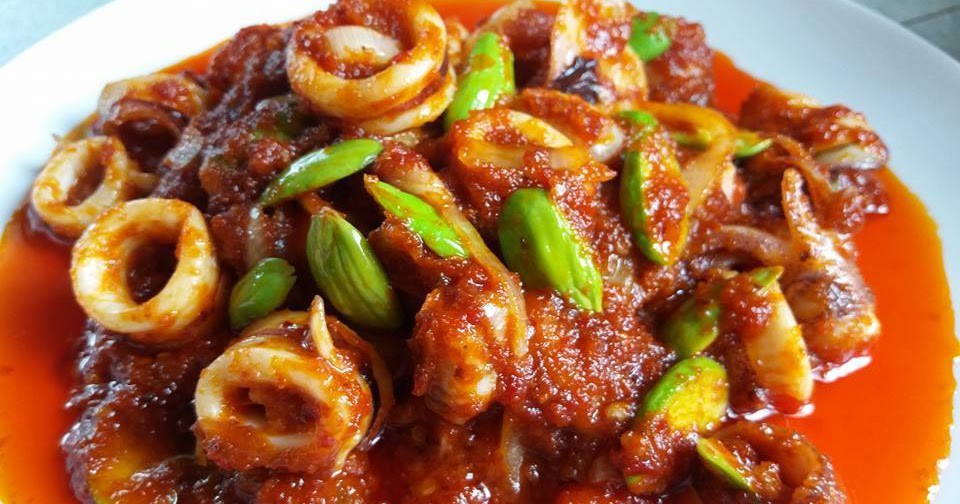
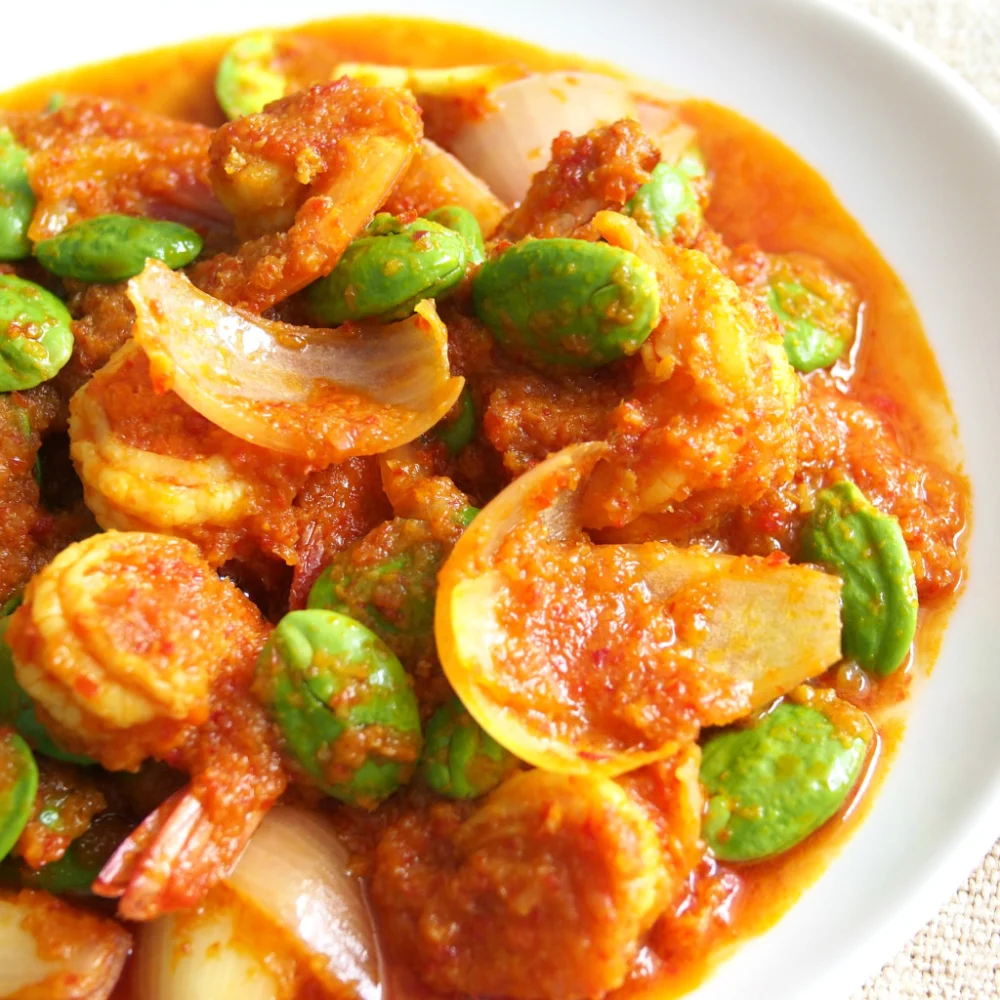

Sotong Sambal Petai is more than just a meal; it’s an experience. The contrasting textures of the chewy squid and the crunchy petai, combined with the intense heat of the sambal, make every bite a delightful adventure. Whether you’re a seasoned Indonesian food enthusiast or a curious culinary explorer, this dish is sure to leave a lasting impression.
This article will guide you through the process of creating your own Sotong Sambal Petai masterpiece at home. We’ll delve into the history and cultural significance of the dish, explore the key ingredients, and provide a detailed, step-by-step recipe that even beginner cooks can follow. So, get ready to embark on a culinary journey and discover the secrets of this irresistible Indonesian delicacy.
The Origins of Sotong Sambal Petai: A Culinary Heritage
To truly appreciate Sotong Sambal Petai, it’s important to understand its roots within Indonesian culinary traditions. Sambal, a chili-based sauce or paste, is a staple condiment throughout Indonesia, with countless regional variations. Its fiery heat adds depth and complexity to a wide range of dishes.
Petai, also known as stink beans or bitter beans, are another key ingredient that contributes to the unique character of Sotong Sambal Petai. These long, flat beans have a distinctive aroma and a slightly bitter taste that complements the spiciness of the sambal and the seafood flavor of the squid.
The combination of seafood, sambal, and petai is a common theme in Indonesian cuisine, reflecting the country’s abundant coastline and the availability of fresh seafood. Sotong Sambal Petai is a testament to the Indonesian culinary ingenuity of blending simple ingredients to create extraordinary flavors.
Key Ingredients for the Perfect Sotong Sambal Petai
- Sotong (Squid): Choose fresh, high-quality squid for the best flavor and texture. Look for squid that is firm, white, and has a fresh, sea-like smell. Clean the squid thoroughly, removing the ink sac, beak, and any internal organs.
- Petai Beans: Fresh petai beans are ideal, but you can also use frozen or canned petai if fresh ones are not available. If using fresh petai, you’ll need to peel the beans from their pods.
- Sambal: The heart of the dish, sambal provides the fiery kick and complex flavor. You can use your favorite store-bought sambal or make your own from scratch. Homemade sambal allows you to customize the level of heat and the flavor profile.
- Aromatics: Onions, garlic, shallots, and chilies form the base of the sambal, adding depth and complexity to the flavor.
- Spices: Turmeric powder, coriander powder, and shrimp paste (terasi or belacan) are commonly used to enhance the flavor of the sambal.
- Other Ingredients: Vegetable oil for frying, salt, sugar, and lime juice to balance the flavors.
Making Your Own Homemade Sambal: A Flavorful Foundation
- Ingredients:
- 10-15 red chilies, deseeded (adjust to your spice preference)
- 5-6 shallots
- 3-4 cloves garlic
- 1-inch piece of ginger, peeled
- 1 teaspoon shrimp paste (terasi or belacan), optional
- 1 tablespoon vegetable oil
- Salt and sugar to taste
- Instructions:
- Grind all the ingredients (chilies, shallots, garlic, ginger, and shrimp paste, if using) into a smooth paste using a food processor or mortar and pestle.
- Heat the vegetable oil in a pan over medium heat.
- Add the sambal paste and cook for about 5-7 minutes, stirring frequently, until the sambal is fragrant and the oil separates.
- Season with salt and sugar to taste.
The Ultimate Sotong Sambal Petai Recipe: A Step-by-Step Guide
- Ingredients:
- 500g fresh squid, cleaned and cut into rings
- 200g petai beans, peeled
- 3 tablespoons vegetable oil
- 1 cup sambal (homemade or store-bought)
- 1 large onion, thinly sliced
- 2 cloves garlic, minced
- 1 teaspoon turmeric powder
- 1 teaspoon coriander powder
- 1/2 teaspoon shrimp paste (terasi or belacan), optional
- Salt and sugar to taste
- Lime wedges for serving
- Instructions:
- Heat the vegetable oil in a wok or large frying pan over medium-high heat.
- Add the sliced onion and minced garlic and sauté until fragrant and golden brown.
- Add the sambal, turmeric powder, coriander powder, and shrimp paste (if using). Cook for about 2-3 minutes, stirring constantly, until the spices are fragrant.
- Add the squid rings and petai beans to the pan. Stir-fry for about 3-5 minutes, or until the squid is cooked through and tender. Be careful not to overcook the squid, as it can become tough.
- Season with salt and sugar to taste.
- Remove from heat and serve immediately with lime wedges.
Tips and Tricks for the Perfect Sotong Sambal Petai
- Choose the Right Squid: Fresh squid is crucial for the best flavor and texture. Look for squid that is firm, white, and has a fresh, sea-like smell.
- Don’t Overcook the Squid: Squid cooks very quickly. Overcooking will result in tough, rubbery squid. Cook just until it turns opaque and tender.
- Adjust the Spice Level: If you’re sensitive to spice, start with a smaller amount of sambal and add more to taste. You can also use milder chilies in your homemade sambal.
- Balance the Flavors: Taste the dish as you cook and adjust the seasoning as needed. The goal is to achieve a balance of spicy, savory, and slightly sweet flavors.
- Serve Immediately: Sotong Sambal Petai is best served immediately while the squid is still tender and the sambal is hot.
Variations and Adaptations: Exploring Different Flavors
- Add Other Seafood: In addition to squid, you can add other seafood such as shrimp, clams, or mussels to the dish.
- Use Different Vegetables: Experiment with other vegetables such as eggplant, green beans, or potatoes.
- Make it Vegetarian: Substitute the squid with tofu or tempeh for a vegetarian version.
- Add Coconut Milk: For a richer and creamier sauce, add a splash of coconut milk to the sambal.
Serving Suggestions: Completing the Meal
- Krupuk (Crackers): Crispy crackers add a satisfying crunch to the meal.
- Acar (Pickled Vegetables): Acar provides a refreshing contrast to the spicy dish.
- Tempeh or Tofu: These protein-rich side dishes add substance to the meal.
The Health Benefits of Sotong Sambal Petai: A Nutritious Delight
While Sotong Sambal Petai is undeniably delicious, it also offers several health benefits. Squid is a good source of protein, omega-3 fatty acids, and various vitamins and minerals. Petai beans are rich in fiber and antioxidants. Chilies, the main ingredient in sambal, contain capsaicin, which has anti-inflammatory and pain-relieving properties.
However, it’s important to note that Sotong Sambal Petai can be high in sodium and fat, depending on the recipe and the amount of oil used. It’s best to consume this dish in moderation as part of a balanced diet.
Conclusion: Embrace the Flavors of Sotong Sambal Petai
Sotong Sambal Petai is a culinary masterpiece that embodies the rich and diverse flavors of Indonesian cuisine. Its combination of tender squid, fiery sambal, and distinctive petai beans creates a symphony of sensations that will leave you craving more.
Whether you’re a seasoned cook or a beginner in the kitchen, this recipe provides a clear and easy-to-follow guide to creating your own Sotong Sambal Petai at home. So, gather your ingredients, embrace the flavors, and embark on a culinary adventure that will transport you to the heart of Indonesia.
Don’t be afraid to experiment with different variations and adaptations to create a dish that perfectly suits your taste preferences. The most important thing is to have fun and enjoy the process of creating this delicious and authentic Indonesian dish.
Sotong Sambal Petai is more than just a recipe; it’s an invitation to explore the vibrant world of Indonesian cuisine and discover the magic of combining simple ingredients to create extraordinary flavors. So, go ahead, give it a try, and let your taste buds be amazed!
Enjoy your culinary journey and selamat makan (enjoy your meal)!