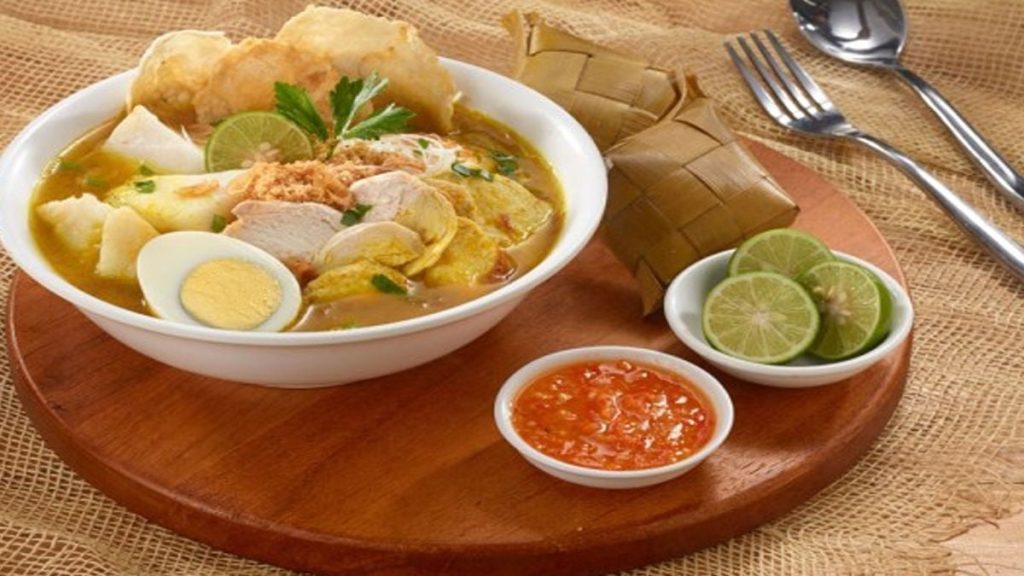

The essence of Soto Lamongan lies in its broth, a symphony of spices and aromatics. The seafood adaptation introduces a new dimension, allowing the subtle sweetness of the sea to mingle with the robust flavors of the broth. The gurih koya, a finely ground mixture of crackers and spices, adds a distinctive texture and a burst of savory goodness that ties everything together. This guide will walk you through every step, from selecting the freshest seafood to crafting the perfect koya, ensuring a truly authentic and delicious Soto Lamongan Seafood experience.
Before we dive into the recipe, let’s explore the key ingredients that make this dish so special. First and foremost, you’ll need a variety of fresh seafood. Consider using shrimp, squid, mussels, and fish fillets. The choice is yours, but ensure that the seafood is of high quality for the best flavor. Next, the broth is crucial. It typically includes chicken or seafood stock, lemongrass, galangal, ginger, turmeric, and other aromatic spices. The koya powder is a star ingredient, made from a combination of fried crackers, garlic, and other seasonings. Finally, don’t forget the essential accompaniments like noodles, shredded chicken (optional), bean sprouts, and a squeeze of lime.
Let’s begin with the preparation of the broth, the heart and soul of our Soto Lamongan Seafood. You can use chicken stock or, for a richer seafood flavor, create your own by simmering seafood shells and trimmings with water, onions, and carrots. In a large pot, sauté the aromatic spices like lemongrass, galangal, ginger, and turmeric until fragrant. This releases their essential oils and infuses the broth with a complex flavor profile.
Once the aromatics are fragrant, add the stock and bring it to a simmer. You can also add other spices like coriander seeds, white pepper, and a pinch of ground cumin. Allow the broth to simmer gently for at least 30 minutes to allow the flavors to meld. Season the broth with salt and sugar to taste. Remember, the broth is the foundation, so adjust the seasoning to your liking.
While the broth simmers, it’s time to prepare the seafood. Clean and prepare your chosen seafood. Shrimp should be deveined, squid should be sliced, mussels should be scrubbed, and fish fillets should be cut into bite-sized pieces. Sauté the seafood briefly in a separate pan with a little oil and garlic. Be careful not to overcook the seafood, as it will continue to cook in the broth.
Now, let’s turn our attention to the star of the show: the gurih koya. This unique ingredient adds a signature texture and flavor to the Soto Lamongan. To make koya, start by frying some plain crackers (such as kerupuk udang) until golden brown and crispy. Let them cool.
In a food processor or blender, combine the fried crackers with fried garlic, salt, and white pepper. Pulse until you achieve a fine, powdery consistency. The koya should be finely ground but still retain a slightly textured feel. This powder will be sprinkled generously over the soto, adding a burst of savory goodness and a delightful textural contrast.
Once the broth is ready and the seafood is cooked, it’s time to assemble the Soto Lamongan Seafood. In individual bowls, place a portion of cooked noodles. You can use rice vermicelli or yellow noodles, depending on your preference. Next, add the cooked seafood to each bowl.
Pour the hot broth over the noodles and seafood. Make sure to distribute the seafood evenly among the bowls. Now, sprinkle a generous amount of the gurih koya over each bowl. The koya will start to dissolve in the hot broth, creating a creamy and flavorful texture.
Garnish the soto with your favorite toppings. Bean sprouts add a refreshing crunch, while chopped green onions provide a fresh, vibrant flavor. A squeeze of lime juice will brighten the flavors and add a touch of acidity. You can also add some shredded chicken, boiled eggs, and sambal (chili paste) for those who enjoy a bit of heat.
Serving Soto Lamongan Seafood is an art in itself. Present the bowls beautifully, arranging the ingredients in an appealing way. Offer a variety of condiments so that each person can customize their bowl to their liking. Some popular additions include sweet soy sauce, chili sauce, and extra lime wedges. Encourage your guests to mix the ingredients well before enjoying.
Tips for Success: Use fresh, high-quality seafood. Don’t overcook the seafood. Adjust the spice levels to your preference. Experiment with different types of crackers for the koya. The balance of flavors is key, so taste and adjust the seasoning as you go.
Troubleshooting: If your broth is not flavorful enough, simmer it for longer. If the koya is too bland, add more salt or white pepper. If the soto is too spicy, add more broth or a dollop of yogurt or coconut milk.
Variations: You can adapt this recipe to your preferences. Try using different types of seafood, such as crab or scallops. Add vegetables like bok choy or spinach. Experiment with different types of noodles or broth. Make it your own!
The History of Soto Lamongan: Soto Lamongan originates from the town of Lamongan in East Java, Indonesia. It’s a regional specialty that has become a national favorite. The dish reflects the culinary heritage of the region, using local ingredients and traditional cooking techniques. The addition of seafood is a modern adaptation that reflects the creativity of Indonesian cooks.
The Importance of Koya: The gurih koya is not just a condiment; it’s an integral part of Soto Lamongan’s identity. It adds a unique texture, a burst of savory flavor, and a creamy mouthfeel that elevates the entire dish. The quality of the koya can make or break the soto, so making it from scratch is highly recommended.
-
1.5 liters chicken or seafood stock
-
2 stalks lemongrass, bruised
-
3 cm galangal, bruised
-
3 cm ginger, bruised
-
2 cm turmeric, bruised
-
1 tsp coriander seeds
-
½ tsp white pepper
-
Salt and sugar to taste
-
200g shrimp, peeled and deveined
-
100g squid, sliced
-
100g mussels, cleaned
-
100g fish fillets, cut into bite-sized pieces
-
100g plain crackers (kerupuk udang)
-
3 cloves garlic, fried
-
Salt and white pepper to taste
-
Cooked noodles (rice vermicelli or yellow noodles)
-
Bean sprouts
-
Chopped green onions
-
Lime wedges
-
Shredded chicken (optional)
-
Boiled eggs (optional)
-
Sambal (chili paste)
-
Prepare the Broth: Sauté the lemongrass, galangal, ginger, and turmeric in a pot until fragrant. Add the stock and spices. Simmer for 30 minutes, season with salt and sugar.
-
Prepare the Seafood: Sauté the seafood in a separate pan with garlic until cooked.
-
Make the Koya: Fry the crackers until golden brown. Blend with fried garlic, salt, and pepper until fine.
-
Assemble the Soto: Place noodles and seafood in bowls. Pour broth over them. Sprinkle with koya and garnish.
-
Serve: Serve hot with bean sprouts, green onions, lime, and other desired condiments.
Ingredient Substitutions: If you cannot find certain ingredients, don’t worry! For the lemongrass, you can use a teaspoon of lemongrass paste. Galangal can be substituted with ginger, although the flavor will be slightly different. For the crackers, you can use any plain, unsweetened crackers.
Equipment You’ll Need: You’ll need a large pot for the broth, a pan for sautéing the seafood, a food processor or blender for the koya, and bowls for serving. A knife, cutting board, and measuring spoons and cups are also essential.
The Role of Spices: Spices are the heart of Soto Lamongan. The combination of lemongrass, galangal, ginger, and turmeric creates a complex and aromatic broth. Coriander seeds and white pepper add further depth and warmth. Adjust the amount of spices to your taste preference.
The Importance of Balance: The beauty of Soto Lamongan lies in its balance of flavors: the richness of the broth, the freshness of the seafood, the savory koya, the acidity of the lime, and the crunch of the bean sprouts. Strive to achieve this balance in every bowl.
Tips for Presentation: Presentation matters! Arrange the ingredients artfully in the bowls. Garnish generously with fresh herbs and colorful toppings. A well-presented dish is more appealing and enjoyable.
Health Benefits: Soto Lamongan Seafood can be a healthy and balanced meal. Seafood is a good source of protein and omega-3 fatty acids. The spices used in the broth have anti-inflammatory properties. However, be mindful of the sodium content in the broth and adjust the seasoning accordingly.
Serving Suggestions: Soto Lamongan Seafood is a complete meal on its own. However, you can serve it with rice cakes (lontong) or steamed rice for a more filling meal. Pair it with a refreshing drink like iced tea or a traditional Indonesian beverage like es teh manis (sweet iced tea).
Storing Leftovers: Store the broth and seafood separately in airtight containers in the refrigerator for up to 2 days. Reheat the broth and seafood before assembling the soto. The koya is best made fresh, as it can lose its crispness over time.
The Art of Customization: One of the best things about Soto Lamongan is its adaptability. Feel free to experiment with different ingredients and flavor combinations to create your own signature version. Try adding different types of seafood, vegetables, or spices. Don’t be afraid to get creative!
Pairing with other Indonesian Dishes: Soto Lamongan Seafood pairs well with many other Indonesian dishes. Consider serving it alongside satay (grilled skewers of marinated meat), gado-gado (vegetables with peanut sauce), or tempeh goreng (fried tempeh).
The Evolution of the Recipe: The recipe for Soto Lamongan Seafood has evolved over time. While the traditional version focuses on chicken, the seafood adaptation is a more recent development. It reflects the culinary creativity of Indonesian cooks and the availability of fresh seafood.
The Cultural Significance: Soto Lamongan is more than just a dish; it’s a part of Indonesian culture. It’s often served at celebrations, gatherings, and street food stalls. The dish represents the warmth and hospitality of Indonesian people.
Enjoying the Experience: Take your time and savor each bite of your Soto Lamongan Seafood. Appreciate the complex flavors, textures, and aromas. Share the meal with friends and family. Enjoy the experience!
Where to Find Soto Lamongan Seafood: While this recipe allows you to make Soto Lamongan Seafood at home, you can also find it at many Indonesian restaurants and street food stalls. Look for places that specialize in Soto Lamongan or Indonesian cuisine.
Final Thoughts: Soto Lamongan Seafood with Gurih Koya is a culinary masterpiece that combines the best of Indonesian flavors with the freshness of the sea. By following this guide, you can create an authentic and unforgettable dining experience in your own kitchen. Enjoy the journey and the delicious results!
Embrace the Flavors: Don’t be intimidated by the number of steps or ingredients. The effort is well worth it. The rich broth, tender seafood, and savory koya will transport you to Indonesia with every spoonful. Embrace the flavors and enjoy the process of creating this culinary delight.
Beyond the Recipe: This guide provides a foundation for making Soto Lamongan Seafood. Feel free to explore and experiment with different ingredients and variations to create your own unique version of this beloved Indonesian dish. The possibilities are endless!
The Perfect Blend: Remember that the key to a successful Soto Lamongan Seafood lies in the perfect blend of flavors and textures. Strive for a balance between the richness of the broth, the freshness of the seafood, the savory koya, and the refreshing garnishes. This harmony will create a truly unforgettable culinary experience.
The Joy of Cooking: Cooking Soto Lamongan Seafood is not just about following a recipe; it’s about the joy of creating something delicious and sharing it with others. Take your time, enjoy the process, and let the aromas of the spices fill your kitchen. The result will be a dish that is both satisfying and memorable.
The Legacy of Soto: Soto Lamongan, and particularly the seafood variation, stands as a testament to the creativity and adaptability of Indonesian cuisine. It’s a dish that embodies the spirit of sharing, community, and the celebration of life through food.
Your Culinary Adventure Awaits: Now that you have the knowledge and the inspiration, it’s time to embark on your own Soto Lamongan Seafood adventure. Gather your ingredients, follow the steps, and prepare to be amazed by the delicious results. Selamat mencoba (Happy cooking)!
Final Tip: Don’t be afraid to adjust the recipe to your liking. Taste and adjust the seasoning as you go. The most important thing is to enjoy the process and create a dish that you love.
Resources: Consider searching for online videos or other resources to visually guide you through the process of making Soto Lamongan Seafood. These can provide helpful demonstrations and tips.