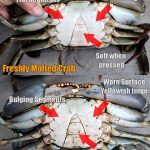

The journey to a perfect crab dish begins long before the crab hits the steamer. The quality of the crab is paramount. Selecting the freshest crab is the first and arguably most crucial step. Freshness directly impacts the flavor, texture, and overall enjoyment of the meal. There are several key indicators of a fresh, high-quality crab.
First, consider the appearance. Look for crabs that are lively and active. If you’re buying live crabs, they should be moving their legs and claws. The shell should be intact, free from cracks or damage. A dull or faded shell can indicate that the crab is not fresh.
Next, pay attention to the smell. Fresh crab should have a clean, slightly briny scent, reminiscent of the ocean. Avoid crabs with a strong, fishy, or ammonia-like odor, as this is a sign of spoilage.
Examine the weight of the crab. A fresh crab will feel heavy for its size. This is because it contains a good amount of meat and moisture. A lighter crab may indicate that it has lost moisture or is not as full of meat.
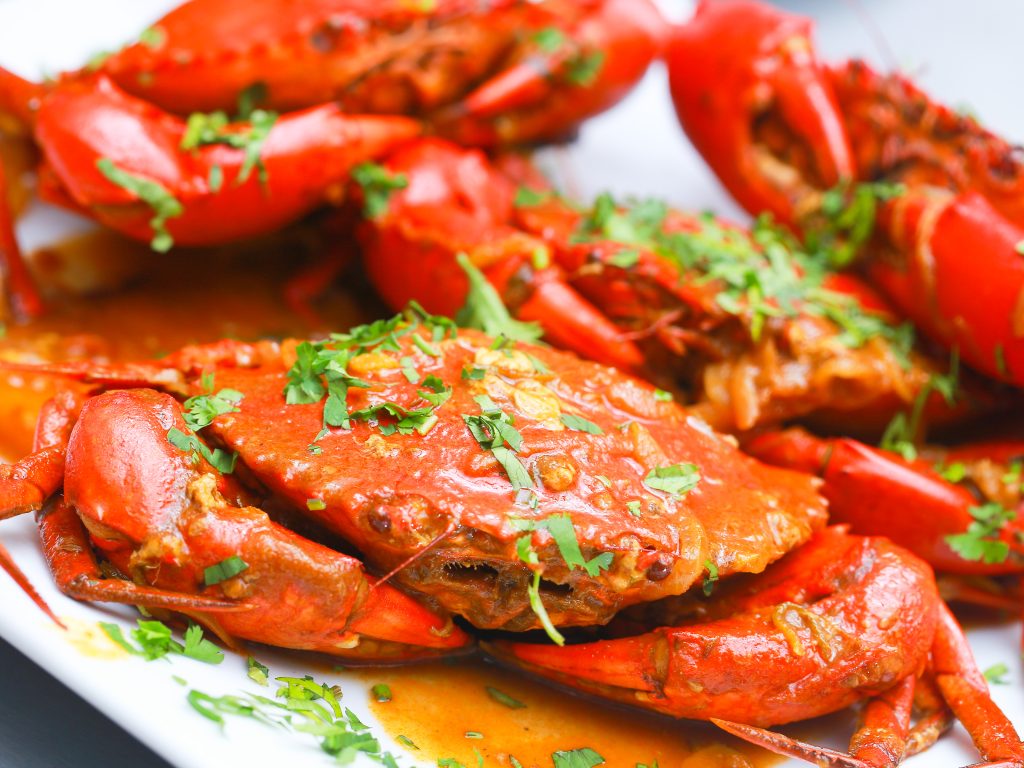
When selecting pre-cooked crabs, ensure the shell is a vibrant red or orange color. Avoid crabs with a greenish hue, as this could indicate they are not fully cooked or have started to spoil. Check for any discoloration or off-putting smells.
The best time to buy crab is during its peak season, which varies depending on the species and location. Generally, crab is most abundant and flavorful during the cooler months. Research the local crab season in your area to ensure you’re getting the freshest catch.
Before you even think about steaming, proper preparation is essential. This step ensures safety and optimal flavor. If you’re using live crabs, you’ll need to dispatch them humanely. There are several methods for doing this, including placing them in the freezer for a short time or using a sharp knife to pierce the carapace.
Once the crab is prepared, thoroughly rinse it under cold running water. This removes any sand, debris, or potential contaminants. Gently scrub the shell with a brush to remove any clinging dirt. Pay particular attention to the underside of the crab and the crevices where dirt can accumulate.
If you’re using pre-cooked crabs, you can skip the dispatching step. However, you should still rinse them thoroughly to remove any surface debris or residual cooking juices.
Now that the crab is prepared, it’s time to gather the necessary equipment. You’ll need a large pot with a lid, a steamer basket or rack, and water or a flavorful steaming liquid. The size of the pot should be large enough to comfortably accommodate the crab without overcrowding it.
A steamer basket or rack is crucial for elevating the crab above the boiling water. This allows the crab to cook evenly with steam, preventing it from becoming waterlogged. If you don’t have a steamer basket, you can improvise using a metal colander or a heat-safe plate.
The choice of steaming liquid significantly impacts the final flavor of the crab. While plain water works perfectly well, you can enhance the flavor by using a variety of aromatic liquids. Consider using a mixture of water and beer, white wine, or seafood stock. You can also add herbs, spices, and aromatics to the steaming liquid.
Some popular additions include bay leaves, peppercorns, garlic cloves, onion slices, and lemon wedges. Experiment with different combinations to find your favorite flavor profile. Remember, the steaming liquid should be flavorful but not overpowering, allowing the natural sweetness of the crab to shine.
First, fill the pot with your chosen steaming liquid, ensuring it reaches just below the steamer basket or rack. Add any herbs, spices, or aromatics to the liquid. Bring the liquid to a rolling boil over high heat.
Carefully place the prepared crab into the steamer basket or rack. Avoid overcrowding the pot, as this can hinder even cooking. If you’re cooking multiple crabs, you may need to cook them in batches.
Cover the pot tightly with the lid to trap the steam. Reduce the heat to medium-high and maintain a steady steam.
The cooking time varies depending on the size of the crab. As a general guideline, steam blue crabs for 15-20 minutes, Dungeness crabs for 20-25 minutes, and snow crabs for 8-12 minutes. However, the best way to determine if the crab is cooked is to check for doneness.
Look for the following signs of doneness: The shell should turn a vibrant red or orange color. The meat should be opaque and firm to the touch. The legs should be easily pulled away from the body.
Once the crab is cooked, carefully remove it from the pot using tongs. Be cautious, as the crab and the steam will be hot. Allow the crab to cool slightly before handling.
Serve the steamed crab immediately, or allow it to cool completely before refrigerating. If refrigerating, store the crab in an airtight container for up to 3 days. Reheat the crab by steaming it again for a few minutes or by gently baking it.
Classic pairings: Melted butter, lemon wedges, and cocktail sauce are timeless classics that complement the sweet, delicate flavor of crab.
Flavorful dipping sauces: Experiment with different dipping sauces to add complexity and excitement. Consider garlic butter, spicy aioli, or a tangy remoulade sauce.
Side dishes: Choose side dishes that complement the crab without overpowering it. Corn on the cob, coleslaw, and a fresh green salad are excellent choices.
Beverages: Select beverages that enhance the flavors of the crab. Crisp white wines, such as Sauvignon Blanc or Pinot Grigio, are excellent choices. Light beers and refreshing cocktails also pair well.
For a simple garlic butter sauce: Melt butter in a saucepan over medium heat. Add minced garlic and cook for about a minute, until fragrant. Season with salt, pepper, and a squeeze of lemon juice.
For a spicy aioli: Combine mayonnaise, minced garlic, sriracha sauce, and a squeeze of lime juice in a bowl. Adjust the sriracha to your desired level of spiciness.
For a tangy remoulade sauce: Combine mayonnaise, Dijon mustard, horseradish, celery, onion, capers, and paprika in a bowl. Season with salt and pepper.
Boiling: Boiling crab is a quick and easy method. However, it can sometimes result in waterlogged meat. To boil crab, bring a large pot of salted water to a boil and cook the crab for 10-15 minutes, depending on the size.
Grilling: Grilling crab imparts a smoky flavor. Prepare the crab by splitting it in half or cleaning it. Grill the crab over medium heat for 5-7 minutes per side, or until cooked through.
Baking: Baking crab is a simple way to cook it. Preheat the oven to 375°F (190°C). Place the crab on a baking sheet and bake for 15-20 minutes, or until cooked through.
Frying: Deep-frying crab creates a crispy and flavorful dish. Coat the crab in a seasoned batter and deep-fry until golden brown and crispy.
Adding Flavor to the Shell: Before steaming, brush the crab with a flavored oil or marinade. This will infuse the meat with additional flavor as it cooks.
Using Different Spices: Experiment with different spice blends to create unique flavor combinations. Consider Old Bay seasoning, Cajun spices, or a blend of your favorite herbs and spices.
Adding Vegetables: Steam vegetables along with the crab to create a complete meal. Add corn on the cob, potatoes, or other vegetables to the steamer basket.
Creating Crab Dishes: Once you’ve steamed your crab, you can use it in a variety of dishes. Make crab cakes, crab salads, or crab pasta.
Steaming crab is a culinary art that combines simplicity with exceptional results. By following the tips and techniques outlined in this guide, you can consistently achieve sweet, firm, and flavorful crab meat. From selecting the freshest ingredients to mastering the steaming process, every step contributes to the final masterpiece. Embrace the journey, experiment with flavors, and savor the deliciousness of perfectly steamed crab. Enjoy!