
Understanding Your Ingredients: Bay vs. Sea Scallops
Before we dive into the recipes, it is crucial to understand what you are buying. Not all scallops are created equal, and choosing the right type depends heavily on what you plan to cook. Generally, you will encounter two main varieties at your local fishmonger or grocery store: Bay Scallops and Sea Scallops.
Bay Scallops are the smaller of the two, often about the size of a dime or a nickel. Because they are so small, they cook almost instantly. They are sweeter and more tender but are harder to sear properly because they can overcook in seconds. These are best suited for soups, stews, casseroles, or tossed into a pasta sauce where a hard sear isn’t the priority.
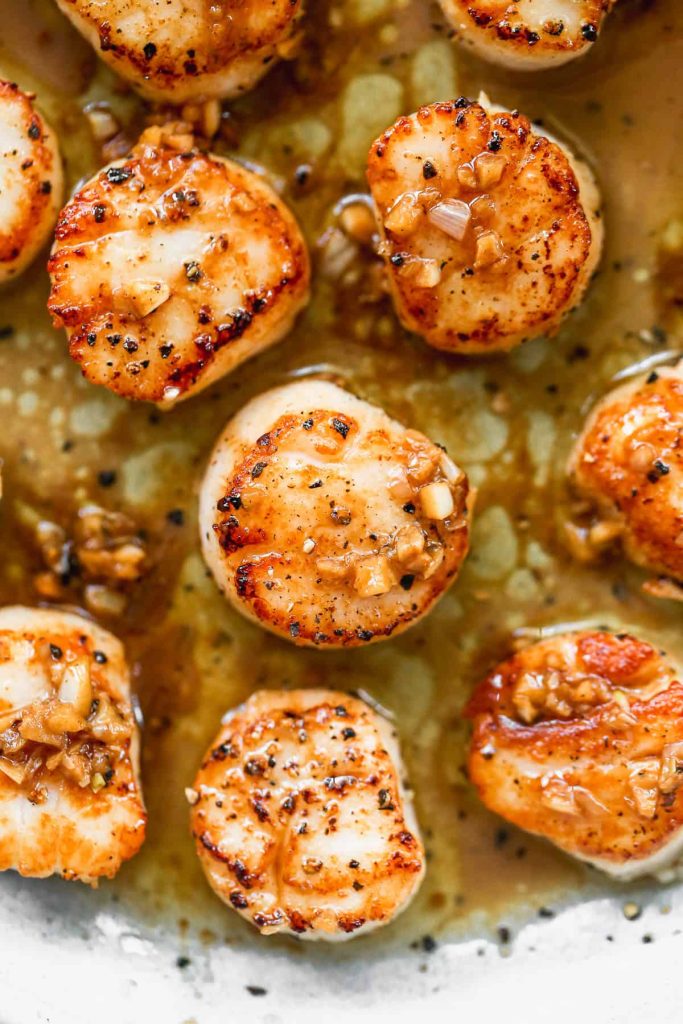
Sea Scallops are the large, meaty medallions that you typically see seared to golden perfection on cooking shows. They can range from an inch and a half to two inches in diameter. These are the variety we will focus on for most dinner centerpieces because their size allows you to develop a beautiful crust on the outside while keeping the inside creamy and tender.
The Most Important Rule: Wet vs. Dry Scallops
If you take only one piece of advice from this article, let it be this: always try to buy dry scallops. This distinction is the difference between a golden, caramelized crust and a pale, steamed disappointment. ‘Wet’ scallops have been treated with a solution of water and sodium tripolyphosphate to preserve them and add water weight. When you put wet scallops in a hot pan, they release all that excess liquid, effectively steaming themselves in a puddle of brine.
‘Dry’ scallops, on the other hand, are untreated and natural. They have a purer ocean flavor and a stickier texture raw. Because they don’t release excess water, they sear beautifully. If you can only find wet scallops, you can still cook them, but you will need to rinse them thoroughly and let them dry on paper towels for quite a while to remove as much surface moisture as possible.
Mastering the Pan-Sear: The Foundation of Scallop Dinners
First, remove the small, tough side muscle from the scallop if it is still attached. It looks like a little rectangular tab on the side of the round meat. It peels off easily with your fingers. Next, pat the scallops extremely dry with paper towels. We cannot stress this enough: surface moisture is the enemy of browning. Season them generously with salt and black pepper just before cooking.
Heat a heavy-bottomed pan—cast iron or stainless steel is best—over medium-high heat. Add a high-smoke-point oil like avocado oil, grapeseed oil, or clarified butter. Wait until the oil is shimmering and just starting to smoke. Place the scallops in the pan, ensuring they are not touching. If you overcrowd the pan, the temperature drops, and they will steam.
Recipe Idea 1: Classic Lemon Garlic Butter Scallops
This is the quintessential scallop recipe. It is bright, rich, and incredibly fast. While your scallops are resting after the sear, lower the heat in the same pan. Do not wipe out that delicious fond (the browned bits stuck to the bottom). Add a splash of dry white wine or chicken broth to deglaze the pan, scraping up the flavor.
Add two tablespoons of cold butter, the juice of half a lemon, and a tablespoon of minced fresh parsley. Swirl the pan until the butter melts and emulsifies into a glossy sauce. Return the scallops to the pan just to coat them in the sauce. Serve this immediately alongside crusty sourdough bread to mop up the sauce, or over a bed of angel hair pasta. The entire meal takes about 12 minutes to prepare.
Recipe Idea 2: Seared Scallops with Quick Corn and Bacon Succotash
Scallops have a natural sweetness that pairs beautifully with corn. For a hearty, Southern-inspired dinner, start by rendering some chopped bacon in a skillet until crisp. Remove the bacon but keep the fat.
In the bacon fat, sauté diced red bell peppers, onions, and fresh or frozen corn kernels. Once the vegetables are tender and slightly charred, stir the crispy bacon back in along with some fresh basil or chives. Push the succotash to the side or remove it to a warm plate, and sear your scallops in the same pan to absorb those smoky bacon flavors. This dish offers a fantastic textural contrast between the creamy scallops and the crunch of the corn and bacon.
Recipe Idea 3: Scallops with Wilted Spinach and Polenta
If you want comfort food that doesn’t feel heavy, this is the answer. Use a tube of pre-cooked polenta for speed, or make quick-cooking grits. Slice the polenta into rounds and pan-fry them in olive oil until crispy on the edges. In a separate pan, sear your scallops.
Once the scallops are done, toss a large bag of fresh spinach into the hot pan with a minced clove of garlic and a pinch of red pepper flakes. The spinach will wilt in about 60 seconds. Squeeze a lemon over the greens. Plate the crispy polenta, top with the garlicky spinach, and crown the dish with your seared scallops. It looks like a restaurant masterpiece but uses very few ingredients.
Recipe Idea 4: Spicy Asian-Glazed Scallops
Scallops can handle bold spices surprisingly well. For an Asian-inspired twist, create a glaze using soy sauce, a teaspoon of honey or maple syrup, grated fresh ginger, minced garlic, and a dash of Sriracha or chili paste.
Sear the scallops as usual. In the final 30 seconds of cooking, pour the glaze into the pan. It will bubble and thicken rapidly, coating the scallops in a sticky, savory-sweet sauce. Serve these over steamed jasmine rice or coconut rice, accompanied by steamed bok choy or snap peas. Garnish with sesame seeds and sliced green onions for a pop of color and texture.
Recipe Idea 5: Mediterranean Scallop Linguine
Pasta is a natural partner for seafood. While the water boils for your linguine, prep your ingredients: halved cherry tomatoes, capers, Kalamata olives, and garlic. Cook the pasta until al dente.
While the pasta cooks, sear your scallops in a large skillet and set them aside. In that skillet, sauté the garlic and tomatoes in olive oil until the tomatoes burst and release their juices. Add the capers and olives. Toss the drained pasta directly into the skillet with a splash of pasta water to create a sauce. Fold in fresh baby arugula until wilted, nestle the scallops back in, and finish with a generous grating of Parmesan cheese and lemon zest.
Recipe Idea 6: Grilled Scallops with Lime and Cilantro
If you want to avoid the kitchen stove, fire up the grill. Grilling scallops adds a lovely smoky dimension. To prevent them from falling through the grates, use double skewers (two skewers parallel to each other) so the scallops don’t spin when you try to flip them.
Brush the scallops with olive oil and season with salt, cumin, and chili powder. Grill over high direct heat for about 2-3 minutes per side. While they grill, mix a quick sauce of melted butter, lime juice, and chopped cilantro. Brush this over the scallops right before taking them off the grill. These are fantastic served with a quinoa salad or inside warm corn tortillas for elevated fish tacos.
Common Mistakes to Avoid
Even though scallops are easy, there are a few pitfalls that can ruin dinner. The most common mistake is overcooking. Scallops are lean; if you cook them too long, they turn into rubbery pucks. They should be opaque but still slightly translucent in the very center. Residual heat will finish the job.
Another mistake is moving the pan too much. When searing, patience is key. If you shake the pan constantly, the scallops won’t maintain contact with the hot metal long enough to develop that crucial crust. Let the pan do the work.
Finally, be careful with seasoning timing. Salt draws out moisture. Only salt your scallops right before they hit the pan. If you salt them 20 minutes in advance, you will return to find them sitting in a pool of water, which will prevent a good sear.
Pairing Sides for a Complete Meal
Since scallops are rich but light, your side dishes should balance that equation. Avoid overly heavy sides like thick gravies or massive steaks. Instead, opt for sides that provide acid or crunch.
Roasted asparagus with lemon, sautéed green beans with almonds, or a fennel and orange salad are excellent choices. If you need carbohydrates, risotto is a classic pairing, specifically a lemon or saffron risotto. However, for a quick weeknight meal, couscous or orzo pasta salad works wonderfully and cooks much faster than rice.
Conclusion: Elevate Your Weeknight Menu
Scallops truly are the fast food of the sea. They require minimal prep, cook in minutes, and offer a luxurious flavor profile that is hard to match. By focusing on buying dry scallops, ensuring your pan is hot enough, and not overcrowding the cooking surface, you can achieve restaurant-quality results in your own kitchen.
Whether you choose the classic lemon butter route, the smoky bacon pairing, or a spicy Asian glaze, scallops offer a blank canvas for culinary creativity. Next time you are rushing through the grocery store wondering what to make for dinner that isn’t chicken or ground beef, head to the seafood counter. Grab a pound of sea scallops, and you will be sitting down to a delicious, healthy, and impressive meal in under twenty minutes.