
The Essence of Gomae: A Symphony of Flavors
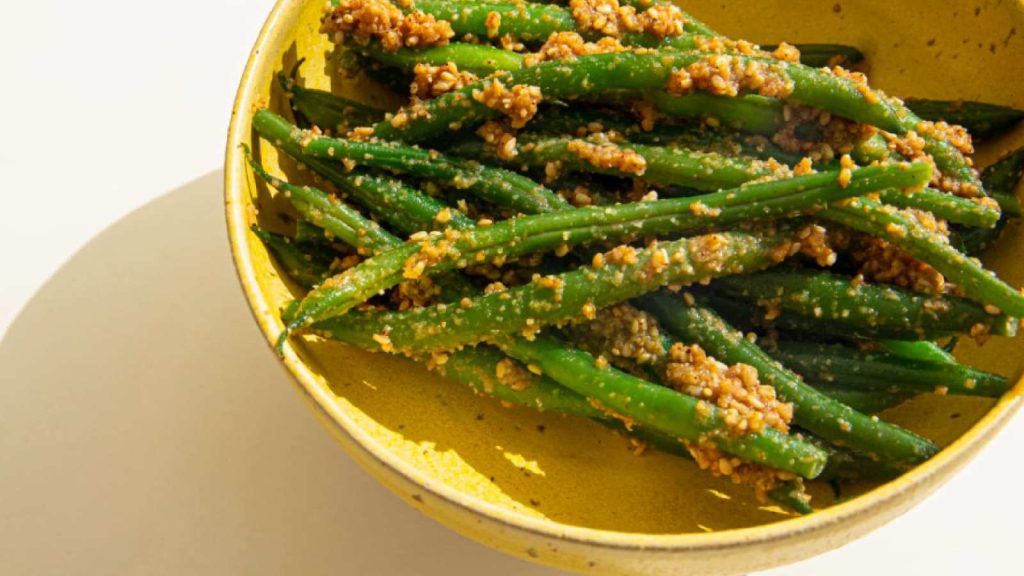
At its heart, Gomae is about balance. The slight bitterness of the vegetables is perfectly offset by the nutty richness of the sesame dressing. The addition of seafood elevates the dish, introducing a briny element that complements the other flavors. The sauce, traditionally made with toasted sesame seeds, soy sauce, mirin, and sugar, is the key to Gomae’s distinctive taste.
Seafood Gomae: A Fusion of Land and Sea
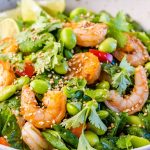
Seafood Gomae takes the classic Gomae concept and infuses it with the freshness of the ocean. Shrimp, crab, scallops, and even octopus can be incorporated, adding protein and a delightful textural contrast. The seafood is typically lightly cooked, either blanched or pan-seared, to maintain its delicate flavor and prevent it from becoming rubbery.
A Step-by-Step Guide to Creating Seafood Gomae
- 1 pound of your choice of seafood (shrimp, scallops, crab meat, etc.)
- 1 tablespoon of sake or white wine (optional)
- Pinch of salt
- 1 pound of spinach or other leafy greens (such as bok choy or komatsuna)
- Water for blanching
- 1/4 cup sesame seeds
- 2 tablespoons soy sauce
- 1 tablespoon mirin
- 1 tablespoon sugar
- 1 teaspoon rice vinegar (optional)
- If using shrimp, peel and devein them. For scallops, pat them dry.
- In a small saucepan, bring a small amount of water to a boil. Add the sake (if using) and a pinch of salt.
- Gently poach the seafood until just cooked through. Shrimp will turn pink, and scallops will become opaque. Avoid overcooking.
- Remove the seafood from the saucepan and set aside to cool.
- Bring a large pot of water to a rolling boil.
- Add the spinach or other leafy greens and blanch for 1-2 minutes, until they are bright green and slightly wilted.
- Immediately transfer the vegetables to an ice bath to stop the cooking process and preserve their color.
- Once cooled, squeeze out any excess water from the vegetables.
- Roughly chop the vegetables.
- In a dry skillet over medium heat, toast the sesame seeds until fragrant and lightly golden, about 3-5 minutes. Be careful not to burn them.
- Transfer the toasted sesame seeds to a mortar and pestle or a spice grinder. Grind them until they are coarsely ground but not a fine powder. You want to release the oils and aroma.
- In a small bowl, combine the ground sesame seeds, soy sauce, mirin, sugar, and rice vinegar (if using). Mix well until the sugar is dissolved.
- In a large bowl, combine the blanched vegetables and the cooked seafood.
- Pour the Gomae sauce over the mixture and toss gently to coat everything evenly.
- Serve immediately or chill for later.
Tips for the Perfect Seafood Gomae
- Toast the Sesame Seeds: Toasting the sesame seeds is crucial for unlocking their nutty flavor and aroma. Don’t skip this step!
- Don’t Overcook the Seafood: Overcooked seafood becomes tough and rubbery. Cook it just until it’s cooked through.
- Squeeze Out Excess Water: Removing excess water from the vegetables prevents the sauce from becoming diluted.
- Adjust the Sweetness: Adjust the amount of sugar in the sauce to your liking. Some people prefer a sweeter Gomae, while others prefer a more savory one.
- Use High-Quality Ingredients: The quality of your ingredients will directly impact the flavor of the dish. Use fresh seafood and high-quality soy sauce and mirin.
Variations on the Theme
The beauty of Seafood Gomae lies in its versatility. Feel free to experiment with different ingredients and flavors to create your own unique version.
- Vegetable Variations: While spinach is the most common choice, you can use other leafy greens such as bok choy, komatsuna, or even kale. You can also add other vegetables like green beans or asparagus.
- Seafood Variations: Experiment with different types of seafood. Crab meat, scallops, shrimp, and octopus are all excellent choices. You can also use a combination of seafood.
- Nut Variations: Try adding other nuts to the sauce, such as almonds or walnuts. Toast them along with the sesame seeds for added flavor.
- Spice it Up: Add a pinch of red pepper flakes to the sauce for a touch of heat.
- Citrus Zest: Add a teaspoon of lemon or orange zest to the sauce for a bright, citrusy flavor.
Health Benefits of Seafood Gomae
- Rich in Protein: Seafood is an excellent source of protein, which is essential for building and repairing tissues.
- Good Source of Vitamins and Minerals: Spinach and other leafy greens are rich in vitamins A, C, and K, as well as minerals like iron and calcium.
- Healthy Fats: Sesame seeds are a good source of healthy fats, which are beneficial for heart health.
- Antioxidants: Sesame seeds and leafy greens are rich in antioxidants, which help protect the body against damage from free radicals.
- Low in Calories: Seafood Gomae is relatively low in calories, making it a healthy and satisfying side dish.
Serving Suggestions
- As a Side Dish: Serve Seafood Gomae alongside grilled fish, chicken, or tofu.
- As an Appetizer: Serve Seafood Gomae as part of a Japanese-inspired appetizer platter.
- As a Light Meal: Serve Seafood Gomae over rice or noodles for a quick and easy meal.
- In Bento Boxes: Seafood Gomae is a great addition to bento boxes.
The Cultural Significance of Gomae
Gomae is more than just a simple side dish; it represents the Japanese culinary philosophy of ‘washoku’, which emphasizes balance, harmony, and respect for ingredients. The dish showcases the natural flavors of the vegetables and seafood, enhanced by the subtle sweetness and nutty aroma of the sesame dressing. It’s a testament to the Japanese ability to create complex and satisfying flavors from simple ingredients.
Storing Leftovers
Leftover Seafood Gomae can be stored in an airtight container in the refrigerator for up to 2 days. However, the vegetables may become slightly soggy over time. It’s best to consume it as soon as possible for the best flavor and texture.
Conclusion: A Culinary Delight Worth Exploring
Seafood Gomae is a delightful dish that offers a unique blend of flavors and textures. Whether you’re a seasoned cook or a novice in the kitchen, this recipe is easy to follow and allows for plenty of customization. So, gather your ingredients, embrace the art of Japanese cooking, and embark on a culinary journey that will tantalize your taste buds. Enjoy the refreshing and flavorful experience of Seafood Gomae!
Beyond the Recipe: The Art of Presentation
In Japanese cuisine, presentation is just as important as taste. When serving Seafood Gomae, consider the visual appeal. Arrange the seafood and vegetables artfully on a plate, and garnish with a sprinkle of sesame seeds or a sprig of fresh herbs. The goal is to create a dish that is both delicious and visually appealing, enhancing the overall dining experience.
Pairing Seafood Gomae with Other Japanese Dishes
Seafood Gomae complements a wide range of Japanese dishes. It pairs particularly well with sushi, sashimi, tempura, and grilled fish. Its refreshing flavor and light texture provide a welcome contrast to richer and heavier dishes. Consider serving it as part of a multi-course Japanese meal to create a balanced and harmonious dining experience.
The Importance of Freshness
The key to a truly exceptional Seafood Gomae lies in the freshness of the ingredients. Use the freshest seafood available, and choose vibrant, crisp vegetables. The better the quality of your ingredients, the more flavorful and satisfying your dish will be.
Experimenting with Different Types of Sesame Seeds
While white sesame seeds are the most commonly used in Gomae, you can also experiment with black sesame seeds for a more intense flavor and a striking visual contrast. Black sesame seeds have a slightly nuttier and earthier flavor than white sesame seeds. You can use them alone or in combination with white sesame seeds.
Making Gomae Sauce in Advance
If you’re short on time, you can make the Gomae sauce in advance and store it in an airtight container in the refrigerator for up to a week. This will save you time when you’re ready to assemble the dish. Just be sure to whisk the sauce well before using it, as the ingredients may separate during storage.
Adapting the Recipe for Dietary Restrictions
Seafood Gomae can be easily adapted to accommodate various dietary restrictions. For a vegetarian version, simply omit the seafood and use tofu or tempeh instead. For a gluten-free version, use tamari instead of soy sauce. You can also adjust the amount of sugar to suit your dietary needs.
Embracing the Spirit of ‘Omotenashi’
In Japanese culture, ‘omotenashi’ refers to the spirit of selfless hospitality. When preparing Seafood Gomae for guests, consider the details that will make their dining experience more enjoyable. Pay attention to the presentation, offer a variety of accompaniments, and be attentive to their needs. By embracing the spirit of ‘omotenashi’, you can create a truly memorable meal.
The Global Appeal of Gomae
Gomae has gained popularity around the world as a healthy and delicious side dish. Its simple preparation and versatile flavor profile make it a favorite among home cooks and professional chefs alike. Whether you’re in Tokyo, New York, or London, you’re likely to find Gomae on the menu at Japanese restaurants and even in some international cuisine establishments.
Final Thoughts: A Culinary Adventure Awaits
Seafood Gomae is more than just a recipe; it’s an invitation to explore the rich and diverse world of Japanese cuisine. By experimenting with different ingredients and flavors, you can create your own unique version of this classic dish and discover the joy of cooking. So, step into the kitchen, embrace the culinary adventure, and savor the exquisite flavors of Seafood Gomae.