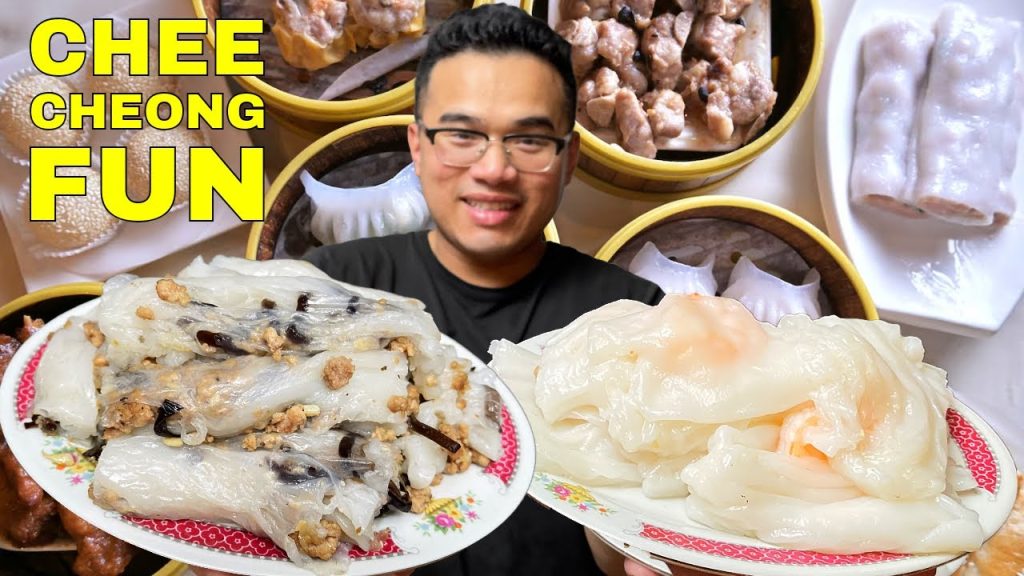

What is Chee Cheong Fun?
Before diving into the seafood rendition, let’s understand the basics. Chee Cheong Fun, also known as rice noodle roll, is a Cantonese dish made from a thin sheet of steamed rice noodles. These delicate rolls are typically served with a sweet soy sauce or a savory sesame sauce. It’s a staple in dim sum restaurants and street food stalls across Southeast Asia.
Why Seafood Chee Cheong Fun?
The addition of seafood transforms the humble Chee Cheong Fun into a gourmet experience. The sweetness of the seafood complements the subtle flavor of the rice noodles, while the contrasting textures create a satisfying mouthfeel. This dish is perfect for those looking to add a touch of luxury to their meal without excessive effort.
Ingredients You’ll Need
- 1 cup rice flour
- 1/4 cup tapioca starch
- 3 cups water
- 1 teaspoon salt
- 2 tablespoons oil
- 1/2 pound shrimp, peeled and deveined
- 1/2 pound squid, cleaned and sliced
- 1/4 cup chopped scallions
- 1 tablespoon ginger, minced
- 1 tablespoon soy sauce
- 1 teaspoon sesame oil
- 1/2 teaspoon white pepper
- 1/2 cup soy sauce
- 1/4 cup water
- 2 tablespoons sugar
- 1 tablespoon oyster sauce
- 1 teaspoon sesame oil
- 1/2 teaspoon cornstarch (mixed with 1 tablespoon water)
- Sesame seeds
- Fried shallots
- Chopped cilantro
Equipment Needed
- Steamer with a flat tray or a large pan with a rack
- Large mixing bowl
- Whisk
- Small saucepan
- Spatula
- Brush (for oiling the tray)
Step-by-Step Instructions
In a large mixing bowl, combine the rice flour, tapioca starch, water, and salt. Whisk until the mixture is smooth and free of lumps. Let the batter rest for at least 30 minutes. This allows the rice flour to fully absorb the water, resulting in a smoother and more pliable noodle roll.
In a separate bowl, combine the shrimp, squid, scallions, minced ginger, soy sauce, sesame oil, and white pepper. Mix well and set aside. Marinating the seafood for about 15-20 minutes enhances its flavor and tenderness.
In a small saucepan, combine the soy sauce, water, sugar, and oyster sauce. Bring the mixture to a simmer over medium heat. In a separate small bowl, mix the cornstarch with 1 tablespoon of water to create a slurry. Gradually add the cornstarch slurry to the sauce while stirring continuously until the sauce thickens slightly. Remove from heat and stir in the sesame oil. Set aside.
Prepare your steamer by filling it with water and bringing it to a boil. Lightly oil the flat tray or pan with cooking oil using a brush. Pour a thin layer of the rice noodle batter onto the oiled tray, tilting the tray to ensure an even coating. The layer should be thin enough to cook quickly but thick enough to hold its shape.
Place the tray in the steamer and steam for about 2-3 minutes, or until the rice noodle sheet is cooked through and slightly translucent. The cooking time may vary depending on the thickness of the batter and the strength of your steamer.
Carefully remove the tray from the steamer and let it cool slightly. Use a spatula to gently loosen the edges of the rice noodle sheet and roll it up. Transfer the rolled rice noodle to a serving plate. Repeat this process with the remaining batter, stacking the rolls on the plate.
Once you have a stack of rice noodle rolls, it’s time to add the seafood filling. You can either place the filling inside the rolls as you roll them, or you can add the cooked seafood on top of the rolled noodles. To cook the seafood, you can quickly stir-fry it in a pan with a little oil until it turns pink and opaque. Avoid overcooking the seafood, as it can become rubbery.
Arrange the cooked seafood over the rice noodle rolls, ensuring that each roll gets a generous portion of the filling.
Drizzle the prepared sauce generously over the Seafood Chee Cheong Fun. Garnish with sesame seeds, fried shallots, and chopped cilantro, if desired. Serve immediately and enjoy!
Tips and Tricks for Perfect Seafood Chee Cheong Fun
- Use High-Quality Rice Flour: The quality of the rice flour significantly affects the texture of the noodle rolls. Opt for a brand that is known for its fine texture and pure rice flavor.
- Rest the Batter: Allowing the batter to rest for at least 30 minutes ensures that the rice flour is fully hydrated, resulting in smoother and more pliable noodle rolls.
- Control the Heat: Maintaining a consistent high heat in the steamer is crucial for cooking the rice noodle sheets evenly and quickly.
- Oil the Tray Generously: Oiling the tray prevents the rice noodle sheets from sticking and makes it easier to remove them without tearing.
- Don’t Overcook the Seafood: Overcooked seafood can become tough and rubbery. Cook the seafood just until it turns pink and opaque.
- Adjust the Sauce to Your Liking: The sauce is a key component of the dish, so adjust the sweetness and saltiness to your preference.
Variations and Additions
- Vegetarian Option: Substitute the seafood with tofu, mushrooms, and other vegetables for a vegetarian version.
- Spicy Kick: Add chili oil or chili flakes to the sauce for a spicy kick.
- Different Seafood: Experiment with different types of seafood, such as scallops, mussels, or crab meat.
- Add Vegetables: Incorporate vegetables like bean sprouts, carrots, or spinach into the filling for added texture and nutrition.
Serving Suggestions
- Dim Sum Style: Serve it as part of a dim sum spread, alongside other Cantonese delicacies like dumplings, buns, and congee.
- Street Food Style: Serve it in a simple bowl or plate, drizzled with sauce and garnished with sesame seeds and fried shallots.
- Family Meal: Serve it as a main course for a family meal, accompanied by steamed vegetables and rice.
Health Benefits
- Seafood: Seafood is a good source of protein, omega-3 fatty acids, and essential minerals like zinc and iron.
- Rice Noodles: Rice noodles are gluten-free and relatively low in calories.
- Vegetables: Adding vegetables to the filling increases the dish’s nutritional value, providing vitamins, minerals, and fiber.
However, it’s important to note that the sauce can be high in sodium and sugar, so it’s best to consume it in moderation.
Storage Instructions
If you have leftover Seafood Chee Cheong Fun, you can store it in the refrigerator for up to 2 days. Store the rice noodle rolls, seafood filling, and sauce separately to prevent the noodles from becoming soggy. Reheat the seafood filling and sauce before serving. You can steam the rice noodle rolls briefly to soften them before adding the filling and sauce.
Conclusion
Seafood Chee Cheong Fun is a delightful dish that combines the delicate texture of rice noodle rolls with the savory flavors of seafood. With this comprehensive guide, you can now easily recreate this restaurant-quality dish in your own kitchen. Experiment with different variations and additions to create your own signature Seafood Chee Cheong Fun that will impress your family and friends. Enjoy the process of cooking and savor every bite of this delectable creation!
Embrace the culinary adventure and let your creativity flow as you explore the endless possibilities of this classic Cantonese dish. Whether you’re hosting a dinner party or simply craving a delicious and satisfying meal, Seafood Chee Cheong Fun is sure to be a crowd-pleaser.
So, gather your ingredients, put on your apron, and get ready to embark on a culinary journey that will tantalize your taste buds and leave you craving for more. Happy cooking!