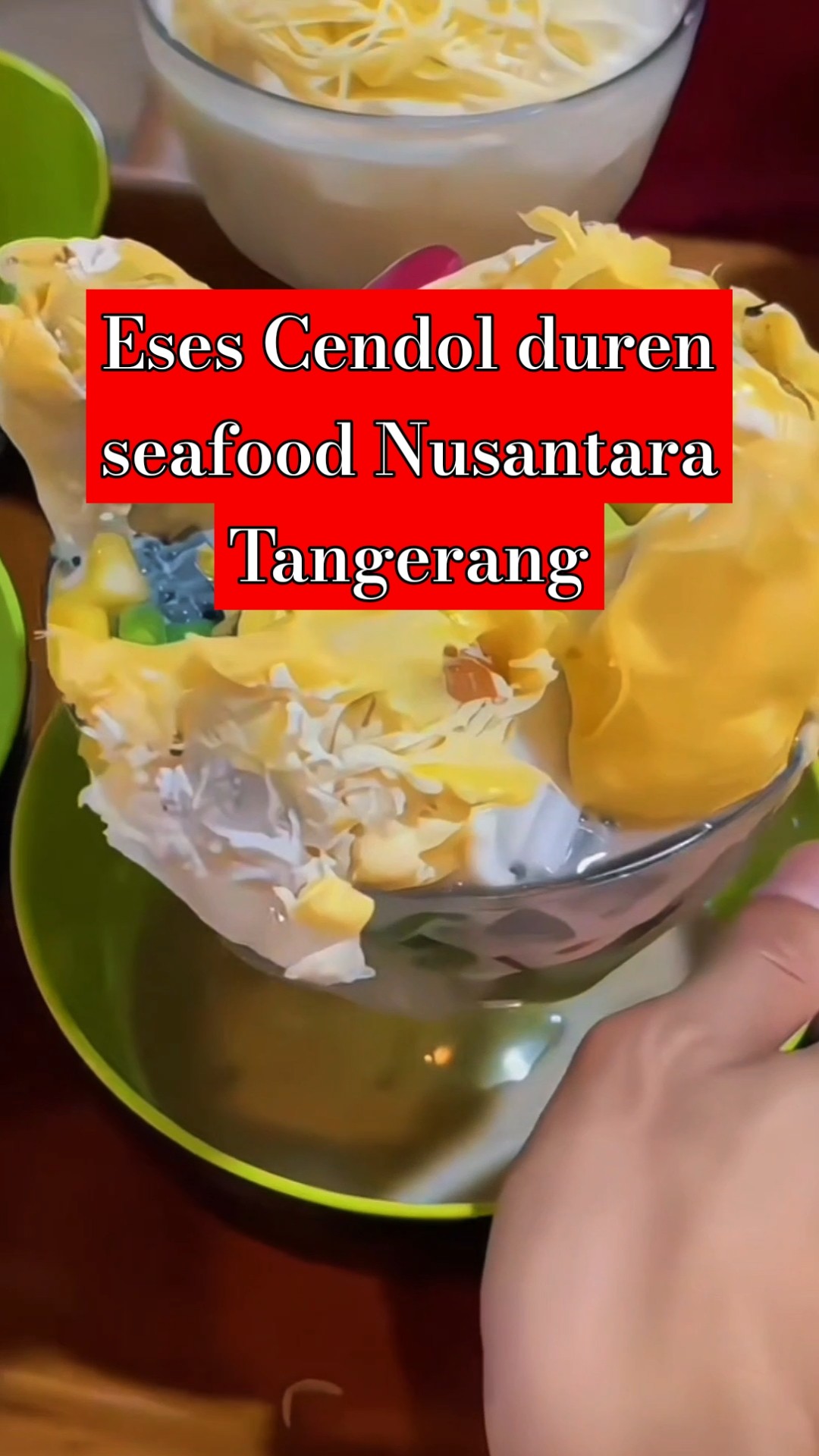
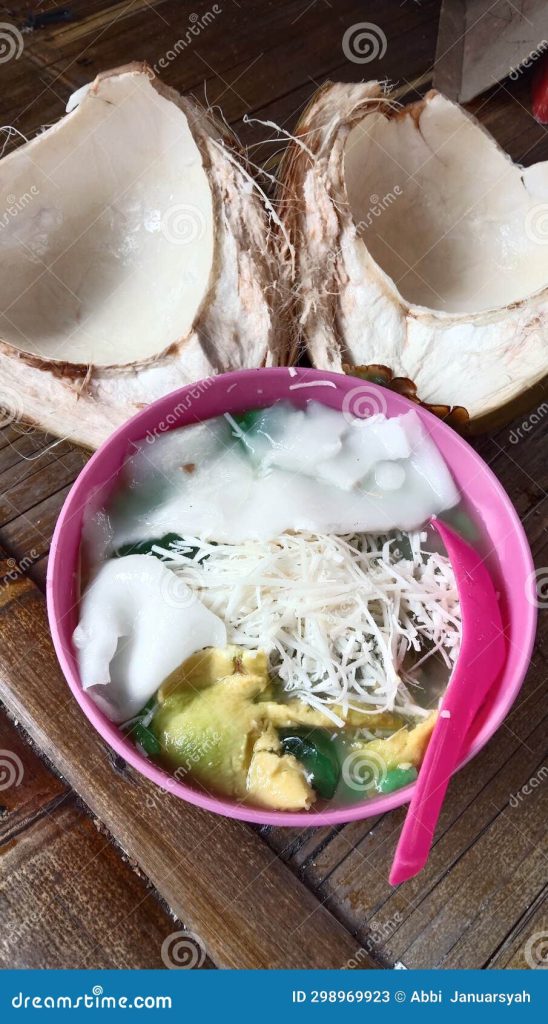

Cendol, a traditional dessert originating from Southeast Asia, is typically characterized by its vibrant green jelly noodles made from rice flour, served with coconut milk, palm sugar syrup (gula melaka), and often shaved ice. Its appeal lies in its cooling properties, its delicate sweetness, and its satisfying texture. It is a comfort food, a palate cleanser, and a delightful end to any meal.
Seafood, on the other hand, encompasses a vast array of marine life, from succulent prawns and tender squid to flaky fish and briny oysters. Its culinary applications are diverse, ranging from simple grilled preparations to complex stews and rich curries. The inherent umami and distinct flavors of seafood are celebrated across global cuisines, often paired with ingredients that complement, rather than contrast, their natural profiles.
The idea of combining these two seemingly disparate elements – the sweet, cooling cendol and the savory, oceanic seafood – might initially raise eyebrows. It challenges our deeply ingrained notions of flavor pairings and dessert etiquette. However, it is precisely this unexpected juxtaposition that sparks curiosity and invites a deeper exploration into the potential of fusion cuisine.
This article delves into the intriguing concept of Seafood Cendol, exploring its potential culinary merits, the thought process behind such a creation, and the unique sensory experiences it offers. We will examine how different types of seafood might be incorporated, the potential flavor profiles that could be developed, and the innovative toppings that could elevate this dish from a mere novelty to a truly memorable gastronomic experience.
The genesis of such a dish likely stems from a desire to break free from culinary norms and to create something entirely novel. It’s an embodiment of culinary bravery, a willingness to experiment with textures, temperatures, and taste profiles that are not traditionally associated with each other. The goal is not to create a jarring or unpleasant experience, but rather to find a harmonious balance where the distinct characteristics of both cendol and seafood can coexist and even enhance one another.
Consider the fundamental components of cendol: the pandan-flavored jelly, the creamy coconut milk, and the sweet palm sugar. Each element offers a distinct flavor and textural contribution. The pandan provides a subtle, aromatic herbaceousness. The coconut milk offers richness and a velvety mouthfeel. The palm sugar syrup brings a deep, caramel-like sweetness.
Now, imagine introducing seafood into this equation. The key lies in selecting seafood that can either complement or provide an intriguing contrast to these sweet and creamy elements. For instance, plump, sweet prawns, lightly grilled or pan-seared to retain their natural succulence, could offer a delightful textural and savory counterpoint to the soft cendol jelly.
Another possibility is the use of tender calamari rings. When cooked just right, calamari offers a slightly chewy yet yielding texture. Its mild, briny flavor could be enhanced by a delicate marinade, perhaps incorporating hints of lime or chili, to add a layer of complexity that cuts through the sweetness of the cendol.
For a more adventurous palate, one might consider incorporating delicate white fish, such as sea bass or snapper. Flaked and lightly seasoned, the fish could provide a flaky texture and a subtle oceanic essence that, when balanced correctly, could be surprisingly appealing against the backdrop of coconut milk and palm sugar.
The preparation of the seafood is paramount. Overcooking would render it tough and unappetizing, detracting from the overall experience. Gentle cooking methods like steaming, pan-searing, or even a light poaching would be ideal to preserve the seafood’s natural tenderness and delicate flavor.
Marinades can play a crucial role in bridging the gap between the seafood and the cendol base. A marinade that is not overly aggressive, perhaps featuring citrus notes (like lime or yuzu), a touch of soy sauce for umami, and perhaps a hint of ginger or garlic, could prepare the seafood to integrate more harmoniously.
The temperature of the seafood also warrants consideration. While cendol is typically served chilled, slightly warm or even room-temperature seafood might offer a more interesting textural and temperature contrast. This interplay of temperatures can add another dimension to the dining experience.
Moving beyond the core components, the concept of ‘unique toppings’ becomes critical in elevating Seafood Cendol. These toppings are where further creativity and refinement can truly shine, transforming the dish from a simple experiment into a sophisticated culinary creation.
One could envision a topping of crispy fried shallots or garlic. The intense aroma and satisfying crunch of these fried elements would provide a much-needed textural contrast to the soft cendol and tender seafood, while their savory notes would complement the overall profile.
For a touch of freshness and acidity, a scattering of finely chopped herbs like cilantro, mint, or Thai basil could be incorporated. These herbs would add brightness and complexity, cutting through the richness of the coconut milk and adding an aromatic lift.
Edible flowers, such as pansies or nasturtiums, could be used not only for visual appeal but also for their subtle peppery or floral notes, adding a sophisticated and unexpected layer of flavor.
Consider also the inclusion of toasted nuts or seeds, such as sesame seeds, cashews, or even roasted peanuts. These would contribute a nutty flavor and an additional layer of crunch, further enhancing the textural diversity of the dish.
A dollop of savory roe, like tobiko or ikura, could introduce a burst of briny, oceanic flavor and a unique popping texture, further emphasizing the seafood element in a sophisticated manner.
The coconut milk base itself could be infused with subtle savory elements. Perhaps a very light infusion of lemongrass or kaffir lime leaf during the preparation of the coconut milk could add an aromatic depth that complements the seafood.
The palm sugar syrup could also be tweaked. A reduction with a hint of star anise or cinnamon could add a warm, spiced complexity that harmonizes with certain types of seafood.
The visual presentation of Seafood Cendol is equally important. The vibrant green of the cendol, the pearly white of the seafood, the rich brown of the palm sugar syrup, and the colorful array of toppings should be arranged artfully to create an appetizing and intriguing presentation.
The inherent challenge in creating such a dish lies in achieving balance. The sweetness of the cendol must not overpower the delicate flavors of the seafood. Conversely, the savoriness of the seafood should not clash with the dessert-like qualities of the cendol. It requires a delicate hand and a keen understanding of flavor profiles.
This fusion concept is not about creating a dish that is sweet and then adding seafood, or vice-versa. It’s about creating a dish where the elements are integrated in a way that each enhances the other, leading to a novel and enjoyable taste sensation.
The type of cendol itself might be adaptable. While traditional pandan cendol is popular, exploring cendol made with other ingredients or flavors could open up new possibilities for pairing with seafood.
Ultimately, Seafood Cendol represents a bold step into uncharted culinary territory. It is a dish that invites diners to shed preconceived notions and embrace the unexpected. It is a testament to the boundless creativity that can arise when chefs are willing to experiment and challenge the status quo.
The success of such a dish hinges on meticulous execution, careful selection of ingredients, and a deep understanding of flavor dynamics. It is a culinary adventure that promises a unique and unforgettable experience for those daring enough to embark on it.
The exploration of Seafood Cendol is a reminder that culinary boundaries are not fixed. They are fluid, constantly being redefined by adventurous chefs and curious diners alike. It is this spirit of innovation that keeps the culinary world vibrant and exciting.
While this concept might seem avant-garde, it taps into a broader trend of savory desserts and unexpected flavor combinations that are gaining traction in the fine-dining world. Chefs are increasingly exploring the interplay of sweet and savory, pushing the envelope to create memorable and talked-about dishes.
The potential variations are vast. One could imagine a ‘Spicy Prawn Cendol’ with a chili-infused coconut milk and a topping of grilled prawns, cilantro, and lime zest. Or perhaps a ‘Scallop and Lemongrass Cendol’ featuring pan-seared scallops, a lemongrass-scented syrup, and crispy fried ginger.
The key takeaway is that the seemingly disparate elements of cendol and seafood can, with careful consideration and creative execution, converge to create a dish that is both intriguing and delicious. It’s a culinary dialogue between the familiar and the novel, resulting in a symphony of tastes and textures.
For home cooks looking to experiment, starting with a small batch and focusing on one type of seafood and a few carefully chosen toppings would be a wise approach. The journey into fusion cuisine is often one of trial and error, but the rewards can be immensely satisfying.
In conclusion, Seafood Cendol is more than just a culinary curiosity; it is an invitation to explore the exciting possibilities that emerge when we dare to combine the unexpected. It challenges our palates, expands our culinary horizons, and ultimately, offers a truly unique and memorable gastronomic adventure.