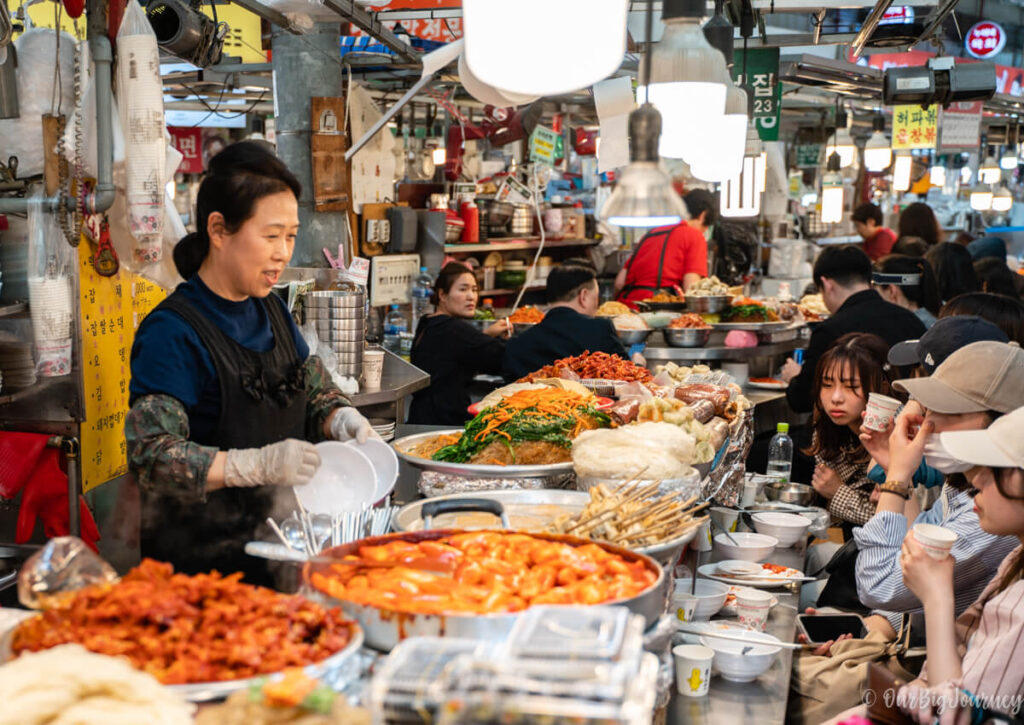
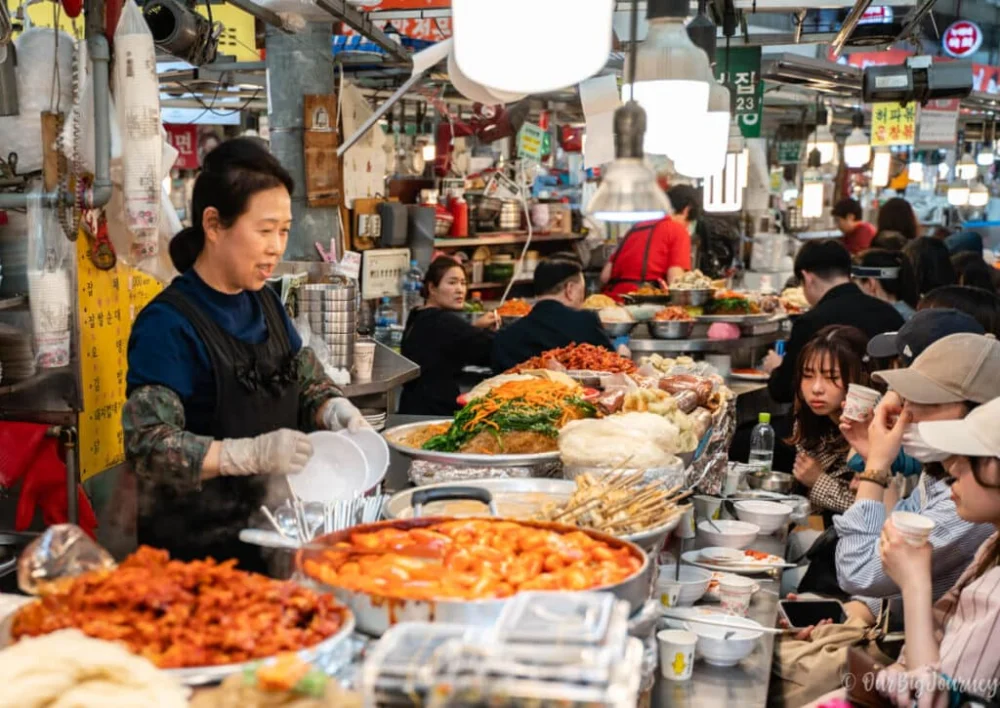

The allure of Korean seafood street food lies in its simplicity and the quality of its ingredients. Freshness is paramount, with many vendors sourcing their seafood daily from local markets. This commitment to freshness allows the natural sweetness and briny notes of the seafood to shine through, forming the foundation of these unforgettable dishes.
One of the most iconic Korean seafood street food items is Ojingeo Twigim, or deep-fried squid. This dish involves coating tender squid rings in a light, crispy batter and frying them to golden perfection. The contrast between the chewy squid and the crunchy exterior is incredibly satisfying. Often served with a simple dipping sauce, it’s a quintessential street snack.
To achieve the perfect Ojingeo Twigim at home, start with fresh, cleaned squid. Cut it into rings of uniform thickness for even cooking. The batter is key – a mixture of flour, cornstarch, and a touch of baking powder creates that signature crispiness. Seasoning the batter with salt, pepper, and perhaps a pinch of garlic powder elevates the flavor profile.
The frying process requires oil heated to the correct temperature (around 350-375°F or 175-190°C). This ensures the batter cooks quickly and becomes golden brown without the squid becoming tough. Drain the fried squid on paper towels to remove excess oil, and serve immediately with your favorite dipping sauce, such as a sweet and spicy gochujang-based sauce or a soy-vinegar mixture.
Another popular choice is Haemul Pajeon, a savory seafood pancake. Unlike typical pancakes, Haemul Pajeon is packed with a variety of seafood, such as shrimp, mussels, and squid, along with generous amounts of chopped green onions (pa). The batter is typically made from a blend of flour, eggs, and water, creating a slightly chewy yet tender pancake.
Preparing Haemul Pajeon involves sautéing the seafood lightly before incorporating it into the batter. This step helps to release their flavors and ensures they are cooked through. The green onions are crucial, providing a fresh, pungent counterpoint to the richness of the seafood and batter. A well-made Haemul Pajeon has crispy edges and a soft, yielding center.
For the dipping sauce, a simple soy-based mixture is traditional. Combine soy sauce, rice vinegar, a splash of sesame oil, and finely chopped chili peppers or scallions for a bit of heat and aroma. This sauce perfectly complements the savory pancake.
Tteokbokki, while often associated with rice cakes, can also be a fantastic seafood dish when prepared as Haemul Tteokbokki. This popular street food features chewy rice cakes simmered in a fiery red sauce made with gochujang (Korean chili paste) and gochugaru (Korean chili flakes). The addition of seafood, like small shrimp, clams, or pieces of fish cake, adds a delightful oceanic dimension.
The key to a great Haemul Tteokbokki is the balance of flavors in the sauce. The gochujang provides a deep, savory heat, while gochugaru adds a brighter, spicier kick. Sugar or corn syrup is often used to balance the heat and add a slight sweetness, and a dash of soy sauce or fish sauce can enhance the umami.
When making Haemul Tteokbokki, add the seafood towards the end of the cooking process to prevent it from becoming overcooked and rubbery. Clams should be added early enough to open, while shrimp cook very quickly. The resulting dish is a comforting, spicy, and deeply flavorful stew that’s incredibly addictive.
Eomuk Bokkeum, or stir-fried fish cakes, is another staple of Korean street food. While not strictly seafood in its raw form, fish cakes are made from processed fish paste and are a ubiquitous presence. When enhanced with additional seafood, such as small squid or mussels, they become even more appealing.
The stir-fry typically involves thinly sliced fish cakes, vegetables like onions, carrots, and scallions, and a savory sauce. The sauce often includes soy sauce, garlic, sugar, and sometimes a touch of oyster sauce for added depth. Stir-frying allows the flavors to meld beautifully, creating a dish that is both savory and slightly sweet.
For a seafood twist on Eomuk Bokkeum, consider adding small, pre-cooked shrimp or mussels. They cook quickly and absorb the flavors of the stir-fry sauce wonderfully. The chewy texture of the fish cakes combined with the tender seafood creates a delightful textural contrast.
Gimbap, often described as Korean sushi rolls, can also incorporate delicious seafood elements. While traditional gimbap fillings include seasoned vegetables, egg, and bulgogi, seafood versions are increasingly popular. Think of seasoned crab meat, stir-fried squid, or even small, cooked shrimp tucked inside the seasoned rice and seaweed.
The preparation of gimbap involves spreading a thin layer of seasoned rice onto a sheet of roasted seaweed (gim). Then, a variety of fillings are arranged across the rice before the entire sheet is rolled tightly. The key is to not overfill the roll, ensuring it can be sealed properly.
For seafood gimbap, finely chopped and seasoned calamari or small, peeled shrimp work exceptionally well. Ensure any seafood is cooked and cooled before adding it to the roll. The combination of the savory seaweed, slightly sweet rice, and the flavorful seafood filling creates a portable and satisfying meal.
Jjigae, or Korean stews, are a cornerstone of Korean cuisine, and seafood stews like Haemul Sundubu Jjigae (spicy soft tofu stew with seafood) are incredibly popular, especially as street food served in individual portions.
Haemul Sundubu Jjigae is characterized by its silky smooth soft tofu, fiery broth, and a generous mix of seafood. Clams, mussels, shrimp, and sometimes squid are common additions. The broth is typically made with gochugaru, garlic, anchovy broth, and often a raw egg cracked into the boiling stew just before serving.
The magic of Sundubu Jjigae lies in its quick cooking time and intense flavors. The soft tofu breaks down slightly, thickening the broth and adding a creamy texture. The seafood cooks rapidly, retaining its tenderness. Serving it piping hot in a traditional stone pot (dolsot) keeps it warm throughout the meal.
For home cooks, the process involves sautéing aromatics like garlic and onion, adding the seafood and tofu, then pouring in the seasoned broth. The raw egg is a final touch, which cooks into delicate ribbons within the stew, adding richness.
Beyond these specific dishes, the spirit of Korean seafood street food lies in its versatility and adaptability. Many vendors offer skewers of grilled or fried seafood, seasoned with a variety of marinades and spices. These are perfect for a quick, flavorful bite on the go.
Grilled squid skewers, marinated in a sweet and spicy sauce, are a prime example. The smoky char from the grill combined with the tender squid and the punchy marinade is irresistible. Similarly, grilled shrimp skewers, seasoned with garlic and herbs, offer a lighter yet equally delicious option.
The key to successful Korean seafood street food at home is understanding the core flavor profiles: spicy, savory, slightly sweet, and often with a hint of garlic and sesame. Mastering the use of gochujang, gochugaru, soy sauce, garlic, and sesame oil will unlock a world of authentic Korean tastes.
Freshness remains the non-negotiable element. Whenever possible, opt for the freshest seafood available. If using frozen seafood, ensure it is thawed properly and patted dry to remove excess moisture, which can affect texture and crispiness.
Experimentation is encouraged. Don’t be afraid to adapt recipes to your preferences. If you prefer less spice, reduce the amount of chili paste and flakes. If you enjoy more vegetables, add them to your stir-fries and pancakes. The goal is to capture the essence of Korean street food, not to replicate it identically.
Presentation also plays a role. Korean street food is often visually appealing. Garnishes like chopped scallions, toasted sesame seeds, and a sprinkle of chili threads can elevate the look of your dishes and make them even more enticing.
The accessibility of ingredients has improved dramatically. Many Asian supermarkets and even larger mainstream grocery stores now carry essential Korean pantry staples like gochujang, gochugaru, and various types of seaweed. This makes recreating these dishes at home more feasible than ever before.
Ultimately, the joy of Korean seafood street food lies in its ability to bring people together over delicious, comforting, and exciting flavors. Whether you’re recreating a crispy squid dish or a hearty seafood stew, you’re not just cooking; you’re participating in a vibrant culinary tradition.
So, gather your ingredients, embrace the bold flavors, and get ready to bring the excitement of Korean seafood street food to your table. Your culinary adventure awaits!