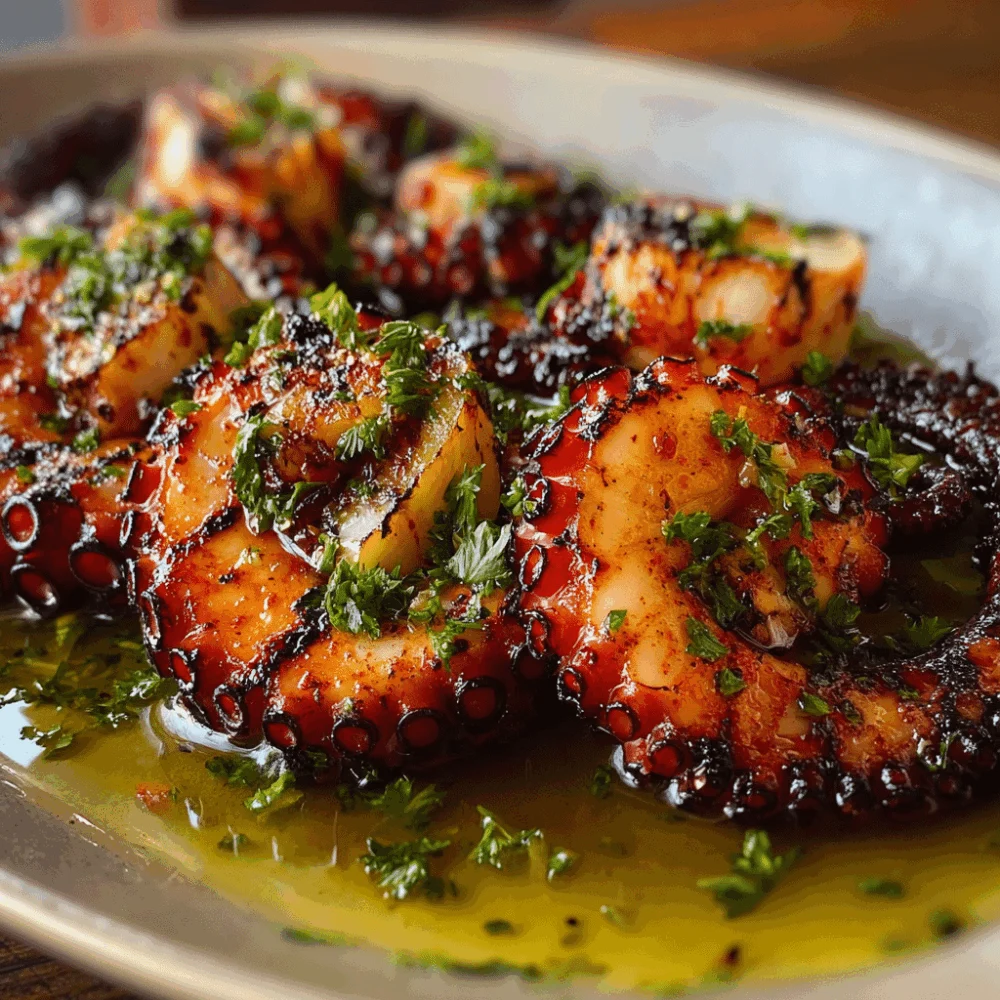

This comprehensive guide is designed to demystify the process, offering you a step-by-step journey from selecting the freshest octopus to achieving that perfect char and tender texture. We’ll delve into the essential preparation methods, the aromatic marinade that defines its Mediterranean character, and expert grilling tips. Get ready to impress your family and friends with a dish that is not only incredibly flavorful but also surprisingly approachable.
Why choose grilled octopus? Beyond its unique, savory taste and delightful chewiness, octopus is a nutritional powerhouse. It’s an excellent source of lean protein, rich in essential vitamins and minerals like iron, calcium, magnesium, and B vitamins. Furthermore, it contains beneficial omega-3 fatty acids, contributing to heart health and overall well-being. Incorporating octopus into your diet is a delicious way to enjoy the benefits of seafood.
The success of any grilled octopus dish begins with the quality of your main ingredient: the octopus itself. When selecting octopus, whether fresh or frozen, certain considerations will ensure the best possible outcome. For fresh octopus, look for specimens with a vibrant, glistening appearance, firm flesh, and a mild, oceanic scent – never fishy or strong. The eyes should be clear and bright, not cloudy.
Size matters, too. Younger, smaller octopuses (around 1-2 kg) tend to be more tender and cook faster. Larger octopuses, while impressive, require more diligent tenderizing. If fresh octopus is unavailable, high-quality frozen octopus is an excellent alternative. In fact, many chefs prefer frozen octopus as the freezing and thawing process naturally aids in breaking down the connective tissues, contributing to tenderness.
Before any grilling can commence, proper cleaning and, crucially, tenderizing the octopus are paramount. Octopus is notorious for being tough if not prepared correctly. This initial stage is where many home cooks falter, but with our guidance, you’ll achieve a melt-in-your-mouth texture every time.
To clean the octopus, first rinse it thoroughly under cold running water. Locate the head (mantle) and carefully turn it inside out to remove the ink sac, internal organs, and beak (a hard, parrot-like structure located at the center of the tentacles). You can often squeeze the beak out from the underside. Rinse again, ensuring all debris is gone. Some recipes suggest removing the eyes, but this is optional.
Now for the tenderizing – the most critical step. There are several effective methods: boiling, freezing, and a combination of both. The traditional Mediterranean approach often involves boiling. Place the cleaned octopus in a large pot of unsalted water. Many chefs add a cork to the boiling water, believing it aids in tenderizing, though scientific evidence is anecdotal.
Bring the water to a rolling boil, then reduce the heat to a simmer. Cook the octopus for approximately 45-60 minutes per kilogram, or until it is fork-tender when pierced through the thickest part of a tentacle. The cooking time will vary significantly based on the size and age of the octopus. Do not overcook at this stage, as it can become mushy. The goal is tender, not disintegrating.
Another highly effective tenderizing method, particularly for frozen octopus, involves a ‘freeze-thaw’ cycle. If you’ve purchased fresh octopus, you can freeze it for at least 24-48 hours, then thaw it slowly in the refrigerator. This process helps to rupture the muscle fibers, naturally tenderizing the meat. Combining this with a gentle boil often yields the best results.
Once tenderized, whether by boiling, freezing, or both, drain the octopus and let it cool slightly. At this point, the skin can be easily removed if desired, though many prefer to leave it on for extra flavor and texture. Cut the octopus into manageable pieces, separating the tentacles and body if large. It’s now ready for the star of the show: the Mediterranean marinade.
The Mediterranean marinade is simple yet incredibly potent, designed to enhance the octopus’s natural sweetness without overpowering it. The core ingredients are robust and fresh:
- Extra Virgin Olive Oil: The foundation, providing richness and helping the flavors adhere.
- Fresh Lemon Juice: Adds brightness and acidity, balancing the richness of the octopus.
- Garlic: Minced or thinly sliced, offering a pungent aromatic kick.
- Fresh Herbs: Oregano, thyme, and flat-leaf parsley are classic choices, imparting an earthy, herbaceous aroma.
- Salt and Black Pepper: Essential seasonings.
Combine these ingredients in a bowl. For an extra layer of flavor, consider adding a pinch of smoked paprika for depth, or a touch of red chili flakes for a subtle heat. Toss the tenderized octopus pieces thoroughly in the marinade, ensuring every surface is coated. Cover the bowl and refrigerate for at least 30 minutes to an hour. While octopus doesn’t require extensive marination due to its porous texture, this brief period allows the flavors to meld beautifully.
Now, for the grilling! The goal is to achieve a beautiful char on the exterior while keeping the interior succulent. If using a charcoal grill, aim for medium-high heat with a two-zone setup (direct and indirect heat). For a gas grill, preheat to medium-high. Clean and oil your grill grates thoroughly to prevent sticking.
Place the marinated octopus pieces directly over the medium-high heat. Grill for approximately 3-5 minutes per side, depending on the thickness of the tentacles. You’re looking for those desirable grill marks and a slight crisping of the exterior. The octopus is already cooked from the tenderizing process, so this stage is primarily about adding flavor, texture, and color.
Resist the urge to constantly move the octopus. Let it sear undisturbed on each side to develop a good crust. If you notice any burning, move the pieces to a cooler part of the grill or adjust the heat. A slight smokiness from the grill will elevate the dish to new heights, imbuing it with an authentic Mediterranean character.
Once grilled to perfection, remove the octopus from the heat and transfer it to a cutting board. Allow it to rest for a couple of minutes before slicing. This brief rest helps the juices redistribute, ensuring maximum flavor and tenderness. Slice the tentacles into bite-sized pieces or serve them whole, depending on your preference and the size of the octopus.
Presentation is key to a truly memorable dining experience. Arrange the grilled octopus artfully on a serving platter. A final drizzle of high-quality extra virgin olive oil and a squeeze of fresh lemon juice will brighten the flavors even further. Garnish generously with freshly chopped parsley or oregano for a burst of color and aroma.
To complete the Mediterranean experience, serve your grilled octopus with complementary side dishes. Here are some classic pairings:
- Simple Green Salad: Dressed with lemon vinaigrette, it provides a refreshing contrast.
- Roasted Vegetables: Bell peppers, zucchini, eggplant, or cherry tomatoes, lightly seasoned and roasted, echo the flavors of the region.
- Greek Potato Salad: Made with olive oil, lemon, and fresh herbs, rather than mayonnaise, it’s a perfect accompaniment.
- Fava Bean Purée (Fava Skordalia): A creamy, garlicky purée that offers a delightful textural contrast.
- Crusty Bread: Essential for soaking up any remaining delicious juices.
For those looking to experiment, consider these variations:
- Spicy Kick: Add a pinch of cayenne pepper or a finely chopped fresh red chili to the marinade.
- Balsamic Glaze: A light drizzle of a good quality balsamic glaze just before serving can add a touch of sweetness and acidity.
- Capers and Olives: Toss the grilled octopus with chopped Kalamata olives and capers for a salty, briny dimension.
These small additions can dramatically alter the flavor profile, allowing you to tailor the dish to your palate.
Achieving perfectly tender octopus can be a learning curve, but these tips will help:
- Don’t Skip Tenderizing: This is the single most important step.
- Don’t Overcook During Tenderizing: Aim for fork-tender, not falling apart.
- Use Good Quality Olive Oil: It makes a noticeable difference in flavor.
- Fresh Herbs are Best: Their vibrant aroma is unmatched.
- Don’t Crowd the Grill: Cook in batches if necessary to maintain consistent heat and achieve a good sear.
If your octopus turns out tough, it’s usually due to insufficient tenderizing or overcooking during the grilling stage (which can happen if the initial tenderizing wasn’t enough). The best remedy is prevention: ensure thorough pre-cooking until truly tender. If it happens, you can try slicing it very thinly and marinating it again briefly before a quick sauté, but it’s harder to recover truly tough octopus.
By choosing lean protein like octopus, abundant fresh herbs, and healthy fats from extra virgin olive oil, you’re not just creating a delicious meal; you’re embracing a lifestyle that promotes longevity and well-being. This dish is a testament to how simple, natural ingredients can combine to create something extraordinary, both in taste and nutritional value.
To complement the delicate yet robust flavors of Mediterranean grilled octopus, consider pairing it with a crisp, dry white wine. Excellent choices include a Greek Assyrtiko, a Sauvignon Blanc, or a Vermentino. A dry rosé from Provence or the Mediterranean region would also be a fantastic match, offering a refreshing counterpoint to the richness of the octopus.
For those who prefer non-alcoholic options, sparkling water with a slice of lemon or a homemade lemonade infused with mint would be equally refreshing and palate-cleansing. The key is to choose a beverage that enhances the meal without overpowering the subtle nuances of the octopus and its vibrant marinade.
Beyond just a recipe, preparing Mediterranean-style grilled octopus is an invitation to explore a rich culinary tradition. It’s about respecting the ingredients, understanding the techniques passed down through generations, and savoring the simple pleasures of good food shared with loved ones. Each step, from cleaning to grilling, is an act of culinary craftsmanship.
This dish is more than just food; it’s an experience. It evokes images of sun-drenched coastlines, the sound of waves, and the aroma of herbs carried on a gentle sea breeze. By mastering this recipe, you’re not just cooking; you’re creating a moment, a culinary escape to the heart of the Mediterranean.
In conclusion, crafting tender and flavorful Mediterranean-style grilled octopus at home is entirely within your reach. With careful selection, proper tenderization, a vibrant marinade, and confident grilling, you can transform a humble ingredient into a gourmet masterpiece. Embrace the process, trust the flavors, and enjoy the incredible satisfaction of presenting this iconic dish.
So, gather your ingredients, fire up your grill, and embark on a culinary adventure that promises to delight your senses and transport your taste buds to the sun-kissed shores of the Mediterranean. Your practical guide to delicious grilled octopus awaits – bon appétit!