
At its core, ‘botok’ refers to a method of cooking where ingredients, typically mixed with grated coconut and a rich blend of spices, are wrapped in banana leaves and then steamed. This technique imparts a unique aroma and keeps the contents moist and flavorful. While various proteins or vegetables can be used, Botok Ikan Patin, featuring the succulent Patin fish, stands out as a particularly popular and cherished variation.
The choice of Ikan Patin, or Pangasius fish, is no coincidence. Patin fish is celebrated for its tender, flaky white flesh and mild flavor, which readily absorbs the intricate spices of the botok paste. Its delicate texture, combined with a relatively low fat content, makes it an ideal canvas for the bold and aromatic notes characteristic of Indonesian cuisine, resulting in a dish that is both hearty and light.
The use of banana leaves in cooking is a time-honored tradition across Southeast Asia, and in botok, it plays a pivotal role. Beyond being a natural, eco-friendly wrapper, banana leaves infuse the dish with a subtle, earthy fragrance during the steaming process. They act as a natural steaming pouch, locking in moisture and ensuring that the fish remains incredibly tender while allowing the spices to meld beautifully, creating a truly unforgettable aroma.
Botok Ikan Patin is more than just a meal; it’s a piece of Indonesian culinary heritage. Often prepared for family gatherings, special occasions, or as a comforting everyday dish, it evokes a sense of warmth and tradition. The careful preparation, from grinding the spices by hand to meticulously wrapping each portion, reflects the love and dedication that goes into Indonesian cooking, making it a dish that nourishes both body and soul.
Beyond its delightful taste, Botok Ikan Patin also offers significant nutritional benefits. Patin fish is an excellent source of lean protein and essential omega-3 fatty acids, contributing to heart health and overall well-being. Coupled with the array of fresh herbs and spices, many of which possess antioxidant and anti-inflammatory properties, this dish is a wholesome addition to any diet, proving that delicious food can also be incredibly good for you.
The foundation of any great Botok Ikan Patin begins with the fish itself. When selecting Patin fish, always prioritize freshness. Look for fish with clear, bright eyes, firm flesh that springs back when gently pressed, and a fresh, clean scent, free from any strong ‘fishy’ odor. Freshness is paramount, as it directly impacts the final taste and texture of your botok. Ideally, choose whole fish and have it cleaned and cut into serving-sized pieces by your fishmonger, or do so carefully at home.
The soul of Botok Ikan Patin lies in its bumbu halus, or ground spice paste. This intricate blend is what gives the dish its characteristic depth and complexity. Essential ingredients typically include shallots, garlic, red and green chilies (adjusting to your preferred heat level), candlenuts (roasted for a richer flavor), turmeric, ginger, kencur (aromatic ginger, crucial for authentic flavor), coriander seeds, and a pinch of shrimp paste (terasi) for umami. Grinding these spices traditionally with a mortar and pestle releases their oils and aromas more effectively than a food processor, though the latter offers convenience.
Complementing the bumbu halus are several aromatic enhancers and textural components that elevate the botok experience. Finely grated fresh coconut is a key ingredient, contributing richness and a delightful texture. Thinly sliced green chilies and tomatoes add a fresh, slightly tangy counterpoint. Fragrant kaffir lime leaves, torn or thinly sliced, and salam leaves (Indonesian bay leaves) are tucked into the packages, releasing their perfume as the botok steams. Sliced lemongrass can also be added for an extra layer of citrusy aroma.
The role of grated coconut in botok cannot be overstated. It acts as a binder, helping to hold the ingredients together, and more importantly, it imparts a creamy richness and a subtle sweetness that balances the robust flavors of the spices. As it steams, the coconut becomes tender and slightly translucent, melting into the fish and spice mixture, contributing significantly to the dish’s signature moist and savory profile. Using freshly grated coconut, if available, will yield the most superior flavor and texture.
Let’s begin the preparation. First, ensure your Patin fish pieces are clean and free of any scales or internal organs. Pat them dry with paper towels. You can lightly season the fish with a pinch of salt and a squeeze of lime juice, allowing it to marinate for about 15-20 minutes. This step helps to firm up the flesh and subtly enhance its flavor, preparing it to absorb the vibrant spices to come.
Next, prepare your bumbu halus. Peel and roughly chop all the hard spices like shallots, garlic, chilies, turmeric, ginger, and kencur. If using candlenuts, lightly toast them first to enhance their flavor. Combine all the ingredients for the ground spice paste in a mortar and pestle or a food processor. Grind until a smooth, fragrant paste is formed. The finer the paste, the more evenly the flavors will distribute throughout the dish. This step is where the magic truly begins, as the kitchen fills with the intoxicating aroma of fresh Indonesian spices.
In a large mixing bowl, combine the freshly ground bumbu halus with the grated coconut. Mix thoroughly until the coconut is evenly coated with the spice paste. Then, gently fold in the marinated Patin fish pieces, ensuring each piece is well-covered. Add the sliced tomatoes, green chilies, torn kaffir lime leaves, and salam leaves. Mix carefully to avoid breaking the fish, ensuring all components are uniformly distributed within the spice-coconut mixture.
Now comes the artistic part: wrapping the botok. Gently wipe your banana leaves clean with a damp cloth and briefly pass them over a low flame or dip them in hot water to make them more pliable and less prone to tearing. Cut the leaves into rectangles, approximately 20×30 cm. Place a portion of the fish and spice mixture in the center of a banana leaf. Fold the sides of the leaf inward, then fold the top and bottom ends to create a neat, secure package. Secure the package with a toothpick or a piece of string. This meticulous wrapping process is not just for aesthetics; it seals in all the flavors and aromas during steaming.
Arrange the carefully wrapped botok packages in your steamer basket. Ensure there’s enough space between each package for the steam to circulate effectively. Bring the water in your steamer to a rolling boil, then place the basket over the boiling water. Steam the botok for approximately 30-45 minutes, or until the fish is cooked through and the coconut mixture is tender and fragrant. The banana leaves will change color, indicating the cooking process is complete.
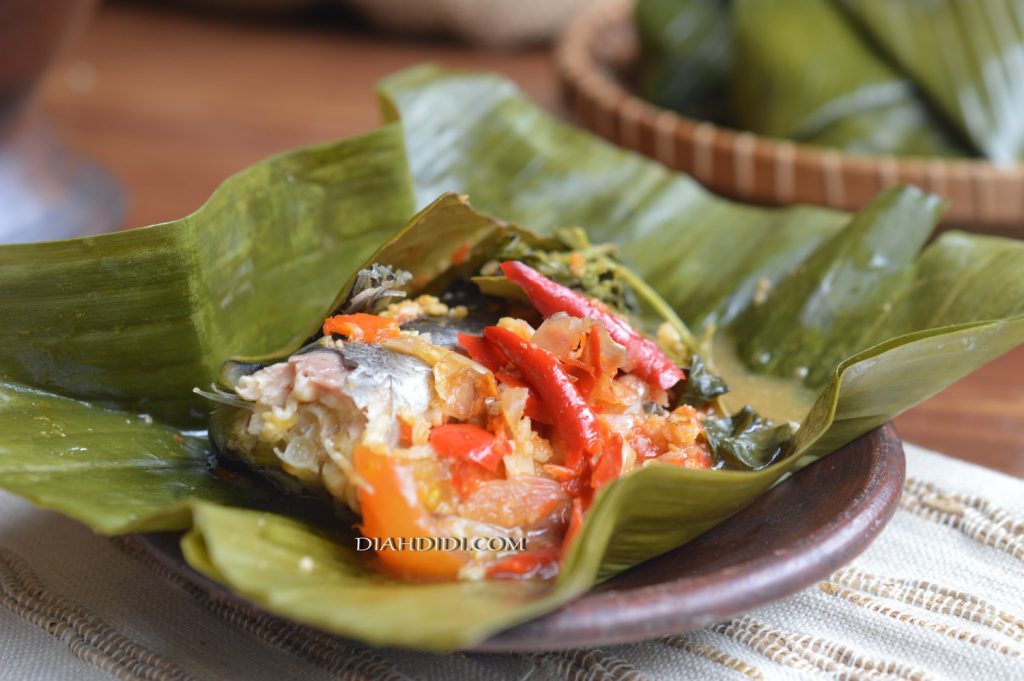
Once steamed, carefully remove the botok packages from the steamer. Allow them to cool slightly before unwrapping. The aroma that wafts from the freshly opened banana leaf packet is simply divine – a testament to the harmonious blend of fish, spices, and coconut. Serve Botok Ikan Patin Bungkus Daun Pisang immediately, piping hot, alongside a generous portion of warm, fluffy white rice. The simplicity of the rice perfectly complements the complex flavors of the botok.
While Botok Ikan Patin is a classic, the beauty of Indonesian cuisine lies in its adaptability. You can explore regional variations by adjusting the spice blend – some regions might prefer more kencur, others more turmeric. You might also find variations that incorporate additional proteins like tofu (tahu) or tempeh, or even vegetables such as bitter gourd or string beans, offering different textures and flavors to the traditional botok experience.
For a truly successful Botok Ikan Patin, prioritizing the freshness of your ingredients is paramount. As mentioned, fresh fish is non-negotiable. Equally important are fresh, vibrant spices. Whenever possible, use fresh turmeric, ginger, and kencur instead of powdered forms, as they contribute significantly more aroma and potency to the bumbu halus. Freshly grated coconut, rather than desiccated, also makes a noticeable difference in texture and richness.
Achieving the perfect spice balance is an art form in itself. Don’t be afraid to taste and adjust your bumbu halus before mixing it with the fish. While raw spices can be strong, you can get a good sense of the overall flavor profile. Adjust the amount of chilies to suit your heat preference, and ensure there’s a good balance of savory, aromatic, and slightly sweet notes. The candlenuts add creaminess, while kencur provides that distinctive Indonesian aroma.
Proper preparation of banana leaves is crucial for both ease of wrapping and imparting the desired aroma. After cleaning them, briefly pass them over a low flame or quickly dip them in hot water. This process makes the leaves more pliable, preventing them from cracking during folding and releasing their natural oils and subtle fragrance more effectively into the dish. Ensure they are dry before use to prevent excess moisture.
When steaming, ensure your steamer water is at a rolling boil before adding the botok packages. This creates consistent steam, which is essential for even cooking. Avoid overcrowding the steamer, as this can hinder steam circulation and result in unevenly cooked botok. If you have too many packages, steam them in batches. The goal is a tender, moist fish with fully cooked spices and coconut, not an overcooked, dry result.
Should you have any leftovers, Botok Ikan Patin can be stored in an airtight container in the refrigerator for up to 2-3 days. To reheat, you can steam the packages again for a few minutes until warmed through, or gently warm them in a microwave. Reheating in a steamer is often preferred as it helps retain the moisture and authentic texture, ensuring the botok tastes almost as good as freshly made.
The concept of steaming ingredients wrapped in leaves extends beyond botok in Indonesian cuisine. Dishes like pepes, which share a similar cooking method but often feature different spice blends and a wider array of proteins or vegetables, are also popular. Exploring these related dishes can offer a deeper understanding of Indonesia’s diverse culinary traditions and the ingenious ways natural resources are utilized.
Eating Botok Ikan Patin is a multisensory experience. The moment you unwrap the steamed banana leaf, a burst of fragrant steam, rich with the aroma of spices, coconut, and fish, greets you. The visual appeal of the vibrant green leaf contrasting with the creamy, spice-infused fish is delightful. On the palate, you experience a harmonious blend of savory, subtly spicy, and aromatic notes, with the tender fish melting in your mouth, complemented by the soft texture of the grated coconut.
In summary, Botok Ikan Patin is not just delicious but also a healthy choice. It’s rich in lean protein and healthy fats from the fish, while the fresh spices contribute antioxidants and various micronutrients. The steaming method requires minimal added oil, making it a lighter alternative to fried dishes, without compromising on flavor or satisfaction.
When preparing Botok Ikan Patin, a few common mistakes can hinder the perfect outcome. One is under-seasoning the bumbu halus; ensure it’s robust enough to flavor the fish and coconut. Another is overcooking the fish, which can lead to a dry, tough texture. Stick to the recommended steaming times and check for doneness. Lastly, skimping on fresh ingredients, especially the aromatics and coconut, will result in a less flavorful and aromatic dish.
While traditionally made with fish, the botok concept is incredibly versatile. For those following vegetarian or vegan diets, the fish can be replaced with firm tofu, tempeh, mushrooms, or a combination of various vegetables. The core spice paste and grated coconut remain, ensuring the characteristic flavors and textures of botok are maintained, making it an inclusive dish for diverse dietary preferences.
Embracing sustainable cooking practices can further enhance your appreciation for Botok Ikan Patin. Sourcing your Patin fish from local, responsible fisheries supports local economies and ensures fresher ingredients. Similarly, buying fresh spices, banana leaves, and coconut from local markets not only guarantees quality but also reduces your carbon footprint, connecting you more deeply with the origins of your food.
To fully appreciate the nuanced flavors of Botok Ikan Patin, consider pairing it with complementary beverages. A simple glass of iced tea, sweetened or unsweetened, offers a refreshing contrast to the richness of the dish. For those who enjoy a sharper palate cleanser, a glass of fresh lime juice or a light, crisp white wine can also beautifully complement the aromatic spices and tender fish.
The beauty of cooking Botok Ikan Patin at home is the ability to customize the heat level to your personal preference. For a milder version, reduce the number of red chilies and remove their seeds. If you crave a fiery kick, incorporate more bird’s eye chilies. This flexibility ensures that everyone, from those with a sensitive palate to spice enthusiasts, can enjoy this delightful dish.
The intricate world of Indonesian bumbu, or spice pastes, is truly a culinary marvel. Each spice, from the earthy turmeric to the pungent kencur and the warming ginger, plays a vital role in creating the layered and complex flavors that define dishes like botok. Understanding the contribution of each ingredient allows for greater appreciation and even experimentation, though sticking to traditional ratios is often best for authentic results.
We invite you to embark on this culinary journey and try your hand at preparing Botok Ikan Patin Bungkus Daun Pisang. It is a dish that promises not only a feast for your taste buds but also an enriching experience in traditional Indonesian cooking. The effort involved in its preparation is richly rewarded by the incredible flavors and the satisfaction of creating something truly authentic and delicious.
In a world increasingly dominated by fast food, dishes like Botok Ikan Patin remind us of the enduring appeal and profound value of traditional cuisine. They speak of cultural heritage, communal meals, and the simple joy of savoring food prepared with care and skill. May this guide inspire you to bring a piece of Indonesia’s culinary heart into your own kitchen, one fragrant banana leaf packet at a time.
Enjoy the process, savor the aroma, and delight in the exquisite taste of this timeless Indonesian classic.