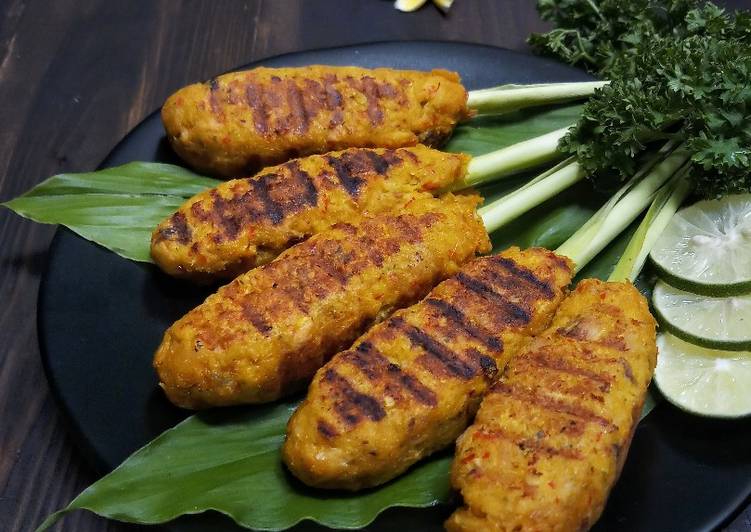

This article delves into the exquisite world of Sate Lilit Ikan Tuna Khas Bali, offering a comprehensive guide to recreating this traditional dish in your own kitchen. While Sate Lilit can be made with various proteins like chicken, pork, or even other types of fish, the tuna version offers a delightful combination of robust flavor and tender texture, making it a favorite among seafood enthusiasts.
The uniqueness of Sate Lilit lies in its preparation method. The minced fish is not just seasoned; it is meticulously blended with a special Balinese spice paste known as ‘Bumbu Bali’ or ‘Bumbu Genep’ (complete spice mix), along with grated coconut and coconut milk. This mixture is then kneaded until it becomes a cohesive paste, which is then ‘lilit’ or wrapped around the skewers. This technique ensures that the flavors are deeply infused throughout the sate, creating an incredibly succulent and aromatic bite.
Choosing tuna for Sate Lilit is a brilliant culinary decision. Tuna, particularly fresh yellowfin or skipjack, offers a firm yet tender flesh that holds its shape well when minced and grilled. Its natural richness harmonizes beautifully with the strong, aromatic spices of the Bumbu Bali, creating a balanced and profoundly satisfying flavor profile. Furthermore, tuna is a lean protein source, rich in Omega-3 fatty acids, making this dish not only delicious but also a healthier option.
Embarking on the journey to prepare Sate Lilit Ikan Tuna is an invitation to explore the heart of Balinese cooking. It requires attention to detail, a willingness to engage with fresh, vibrant ingredients, and a touch of patience. However, the reward — a plate of smoky, fragrant, and exquisitely flavored sate — is undeniably worth every effort. Let us guide you through each step, from ingredient selection to the final grilling, ensuring an authentic taste of Bali.
Before we begin the cooking process, let’s gather all the necessary ingredients. The success of any Balinese dish hinges on the freshness and quality of its components, especially the spices. Do not hesitate to seek out fresh ingredients from local markets, as they will undoubtedly elevate the final taste of your Sate Lilit.
- 500 grams fresh tuna fillet (yellowfin or skipjack are ideal), skinless and boneless
- 50 grams grated fresh coconut
- 50 ml thick coconut milk
- 2-3 tablespoons cooking oil (for sautéing the spice paste)
- Lemongrass stalks or bamboo skewers (soaked in water for 30 minutes if using bamboo)
- 8-10 shallots
- 4-5 cloves garlic
- 3-4 red chilies (adjust to your spice preference)
- 2-3 bird’s eye chilies (optional, for extra heat)
- 2 cm fresh turmeric, peeled
- 2 cm fresh ginger, peeled
- 2 cm fresh galangal, peeled
- 1 cm kencur (aromatic ginger), peeled (optional, but highly recommended for authentic flavor)
- 1 stalk lemongrass, white part only, thinly sliced
- 2-3 kaffir lime leaves, stems removed, thinly sliced
- 1 teaspoon shrimp paste (terasi), toasted
- 1 teaspoon palm sugar (gula merah)
- 1 teaspoon salt (or to taste)
- 1/2 teaspoon white pepper (or to taste)
Once all your ingredients are prepared, the first crucial step is to handle the tuna. Select the freshest tuna available, identifiable by its bright red, firm flesh and a clean, oceanic smell. Avoid any fish that appears dull, discolored, or has a strong, fishy odor. Once acquired, rinse the tuna fillet under cold water and pat it thoroughly dry with paper towels. This helps in achieving the right texture later.
Next, the tuna needs to be minced. You can achieve this using a food processor, a meat grinder, or by finely chopping it by hand. If using a food processor, pulse the tuna until it’s finely minced but not pureed. You want a texture that still has some integrity, not a paste. Over-processing can make the sate mushy. If mincing by hand, use a sharp knife and chop it into very small pieces.
Now, let’s prepare the aromatic Bumbu Bali. Combine all the Bumbu Bali ingredients (shallots, garlic, chilies, turmeric, ginger, galangal, kencur, sliced lemongrass, kaffir lime leaves, and toasted shrimp paste) in a food processor or a mortar and pestle. Grind until a smooth, fragrant paste is formed. The traditional method using a mortar and pestle often yields a more aromatic paste due to the crushing action releasing more oils.
Heat 2-3 tablespoons of cooking oil in a pan over medium heat. Add the Bumbu Bali paste and sauté it gently, stirring constantly, until it becomes fragrant and the raw smell disappears. This process, known as ‘menumis,’ is vital for developing the deep flavors of the spices. It typically takes about 8-10 minutes. Be careful not to burn the paste. Once fragrant, set aside to cool slightly.
In a large mixing bowl, combine the minced tuna, the sautéed Bumbu Bali paste, grated fresh coconut, and thick coconut milk. Add the palm sugar, salt, and white pepper. Using your hands, thoroughly mix all the ingredients. Knead the mixture for about 5-10 minutes. This kneading process is essential; it helps to bind the ingredients together, allowing the flavors to meld and creating a cohesive paste that will stick to the skewers and prevent the sate from crumbling during grilling.
The texture of the mixture should be firm enough to hold its shape when wrapped around a skewer. If it feels too wet, you can add a tiny bit more grated coconut or a tablespoon of rice flour, though this is rarely needed if the tuna is well-drained. If it’s too dry, a splash more coconut milk can be added, but sparingly.
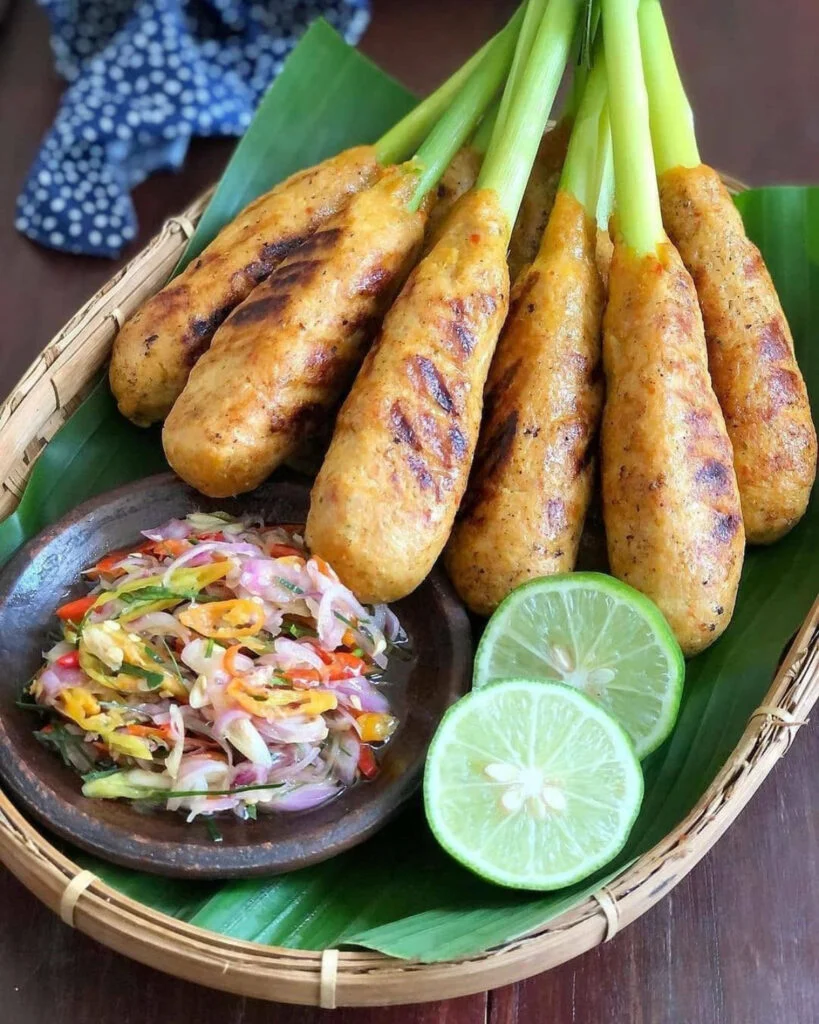
Now for the ‘lilit’ part. Take a portion of the tuna mixture, roughly the size of a golf ball or slightly larger, depending on your desired sate size. Gently wrap and press the mixture around the top half of a lemongrass stalk or a bamboo skewer, shaping it into an elongated cylinder. Ensure it adheres firmly to the skewer. The lemongrass stalks not only provide a natural handle but also infuse the sate with a subtle, citrusy aroma as it cooks. Repeat this process until all the mixture is used.
Preheat your grill to medium-high heat. If using charcoal, ensure the coals are glowing hot with a thin layer of ash. If using a gas grill, preheat to around 180-200°C (350-400°F). You can also use a grill pan on the stovetop, but a direct flame provides the best smoky flavor.
Lightly brush the sate lilit with a little cooking oil to prevent sticking and to encourage a beautiful char. Place the skewers on the hot grill. Grill for approximately 3-5 minutes on each side, turning occasionally, until the sate is golden brown, slightly charred, and cooked through. The cooking time will vary depending on the thickness of your sate and the heat of your grill. Tuna cooks relatively quickly, so be careful not to overcook, which can result in dry sate.
A well-cooked Sate Lilit Ikan Tuna will be firm to the touch, with a smoky aroma and a beautifully caramelized exterior. The interior should be moist and flavorful. Once cooked, remove from the grill and let them rest for a minute or two before serving.
Sate Lilit Ikan Tuna is best served immediately, hot off the grill. In Bali, it’s typically enjoyed with steamed white rice, fresh vegetables, and, most importantly, with a side of Sambal Matah. Sambal Matah is a raw Balinese sambal made from finely sliced shallots, lemongrass, bird’s eye chilies, kaffir lime leaves, and a generous drizzle of hot coconut oil. Its fresh, zesty, and spicy notes perfectly complement the rich and savory sate.
To make a quick Sambal Matah, simply combine 5-6 thinly sliced shallots, 2-3 thinly sliced lemongrass stalks (white part only), 3-4 thinly sliced bird’s eye chilies (or more, to taste), 2 kaffir lime leaves (thinly sliced), a pinch of salt, and a squeeze of lime juice. Heat 3-4 tablespoons of coconut oil until smoking hot, then pour it over the ingredients in a bowl. Mix well and serve immediately.
Beyond Sambal Matah, you can also pair your Sate Lilit with other Balinese accompaniments such as Plecing Kangkung (water spinach with spicy chili sauce) or a simple fresh salad. The combination of textures and flavors creates a truly authentic Balinese dining experience.
For the most authentic taste, always prioritize fresh ingredients. Fresh tuna, freshly grated coconut, and vibrant, aromatic spices make all the difference. Avoid using pre-packaged grated coconut if possible, as the fresh version offers superior flavor and moisture.
When preparing the Bumbu Bali, take your time sautéing the spice paste. This step is crucial for deepening the flavors and eliminating any raw taste from the spices. A well-sautéed Bumbu Bali will have a rich, complex aroma and a slightly darker color.
Don’t over-process the tuna in the food processor. A slightly coarse mince will give the sate a better texture. Also, ensure the tuna is well-drained before mincing to prevent the mixture from becoming too watery, which can make it difficult to form the sate.
If using bamboo skewers instead of lemongrass stalks, remember to soak them in water for at least 30 minutes before grilling. This prevents them from burning on the grill and helps the sate cook more evenly. Lemongrass stalks are ideal as they impart an additional layer of flavor.
One common mistake is overcooking the sate. Tuna cooks quickly, and overcooked sate will be dry and tough. Keep a close eye on it and remove it from the grill as soon as it’s cooked through. Another pitfall is not kneading the mixture enough, leading to sate that crumbles easily during grilling.
While this recipe focuses on tuna, Sate Lilit is incredibly versatile. You can experiment with other types of firm white fish like snapper or mackerel. For a different flavor profile, consider using minced chicken or even pork. Vegetarian versions can be made with firm tofu or tempeh, processed similarly and mixed with the Bumbu Bali.
Tuna is a nutritional powerhouse. It’s an excellent source of lean protein, essential for muscle repair and growth. It’s also rich in Omega-3 fatty acids, which are beneficial for heart health and brain function. Furthermore, tuna provides important vitamins and minerals, including B vitamins, selenium, and magnesium.
In Balinese culture, Sate Lilit is more than just a dish; it often features in ceremonial offerings and festive gatherings. Its intricate preparation and rich flavors reflect the islanders’ deep respect for food and their culinary traditions. Preparing Sate Lilit is, in a way, participating in this cultural legacy.
If you happen to have leftovers, Sate Lilit can be stored in an airtight container in the refrigerator for up to 2-3 days. To reheat, gently warm them in an oven or on a grill pan over low heat to prevent them from drying out. A microwave can also be used, but be cautious not to overcook.
Mastering Sate Lilit Ikan Tuna Khas Bali is a rewarding culinary achievement. It’s a dish that not only tantalizes the taste buds but also offers a glimpse into the vibrant culinary soul of Bali. The effort invested in preparing this dish is richly compensated by the unique aroma, succulent texture, and profound flavors it delivers.
We encourage you to embark on this gastronomic adventure. Gather your ingredients, embrace the process, and soon you will be savoring the authentic taste of Balinese Sate Lilit Ikan Tuna, a dish that truly captures the essence of the ‘Island of the Gods.’ Selamat mencoba!