
Imagine the melt-in-your-mouth texture of perfectly seared tuna, vibrant pink in the center, served with an exquisite sauce that tantalizes your taste buds. This isn’t just a dream reserved for high-end dining; it’s an achievable reality in your own kitchen. Preparing restaurant-style tuna at home is not as daunting as it might seem. With the right techniques, fresh ingredients, and a touch of culinary confidence, you can transform a simple tuna steak into a gourmet masterpiece.
This comprehensive guide will walk you through the secrets to creating truly memorable tuna dishes, mirroring the quality and presentation found in top restaurants. We’ll explore essential tips, diverse recipes, and crucial insights to ensure your tuna experience is nothing short of extraordinary.
Why Master Restaurant-Style Tuna at Home?
Beyond the sheer joy of cooking, there are several compelling reasons to embrace the art of preparing tuna like a pro. Firstly, it offers a healthier, often more affordable alternative to dining out, allowing you to control ingredients and portion sizes. Secondly, the versatility of tuna means it can be adapted to countless flavor profiles, from Asian-inspired sesame crusts to Mediterranean herb marinades. Finally, the satisfaction of serving a dish that looks and tastes like it came from a five-star kitchen is incredibly rewarding.
Understanding Tuna: The Foundation of Flavor
The journey to restaurant-quality tuna begins with understanding the fish itself. While various tuna species exist, Ahi tuna (Yellowfin or Bigeye) is the go-to for most restaurant-style preparations due to its firm texture, rich color, and mild, buttery flavor. Albacore tuna is also popular, often found in cans, but fresh Albacore can be excellent for grilling.
When sourcing tuna, always prioritize freshness. Look for firm, moist flesh with a vibrant, deep red or pink color. Avoid tuna that looks dull, dry, or has a strong ‘fishy’ odor. Opt for sushi-grade or sashimi-grade tuna if you plan on serving it very rare or raw, as this indicates it has been handled and stored to higher safety standards.
The Art of the Perfect Sear: A Cornerstone Technique
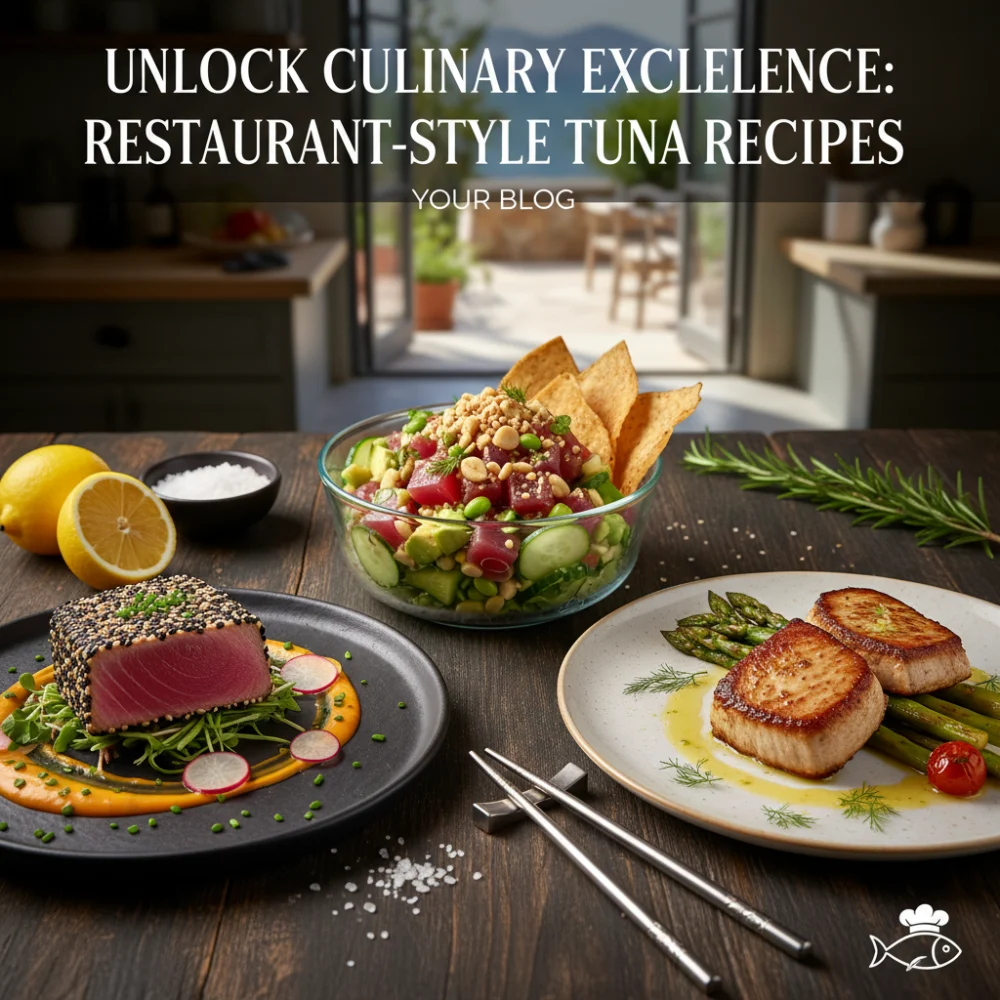
Searing is perhaps the most iconic method for preparing restaurant-style tuna. It involves cooking the exterior quickly over high heat to create a flavorful crust while leaving the interior beautifully rare or medium-rare. This contrast in texture and temperature is what elevates a simple tuna steak.
- Pat Dry Thoroughly: Moisture is the enemy of searing. Use paper towels to pat your tuna steaks completely dry before seasoning.
- Season Generously: A good sprinkle of coarse sea salt and freshly ground black pepper is essential. For extra flavor, consider a sesame seed crust or a spice rub.
- High Heat is Key: Heat a heavy-bottomed pan, ideally cast iron or stainless steel, over high heat until it’s smoking slightly. Add a high smoke point oil like grapeseed, avocado, or canola oil.
- Sear Quickly: Place the tuna steaks in the hot pan. Sear for 60-90 seconds per side for a rare interior, adjusting slightly for medium-rare. The edges should be opaque, and the center still deep pink.
- Rest Your Tuna: Just like with other meats, allow the seared tuna to rest for a few minutes after cooking. This helps the juices redistribute, ensuring a more tender and flavorful result.
Restaurant-Style Tuna Recipe 1: Seared Ahi Tuna with Sesame-Ginger Glaze
This classic preparation is a staple in many high-end eateries. It’s elegant, flavorful, and surprisingly simple to recreate.
- 2 Ahi tuna steaks (6-8 oz each, 1-inch thick)
- 2 tbsp sesame seeds (white and/or black)
- 1 tbsp olive oil or high smoke point oil
- Salt and freshly ground black pepper to taste
- For the Glaze:
- 2 tbsp soy sauce
- 1 tbsp rice vinegar
- 1 tbsp honey or maple syrup
- 1 tsp grated fresh ginger
- 1 clove minced garlic
- 1/2 tsp sesame oil
- In a small bowl, whisk together all glaze ingredients until well combined. Set aside.
- Pat tuna steaks very dry with paper towels. Season generously with salt and pepper.
- Spread sesame seeds on a plate. Gently press each side of the tuna steaks into the seeds to coat evenly.
- Heat olive oil in a heavy-bottomed pan over high heat until shimmering and almost smoking.
- Carefully place tuna steaks in the hot pan. Sear for 60-90 seconds per side for rare, or 2 minutes per side for medium-rare.
- Remove tuna from the pan and let rest for 2-3 minutes.
- Slice tuna against the grain into 1/2-inch thick slices. Arrange on plates and drizzle generously with the sesame-ginger glaze. Serve immediately with a side of jasmine rice and steamed bok choy or a simple green salad.
Restaurant-Style Tuna Recipe 2: Spicy Tuna Tartare with Avocado
For those who prefer a no-cook option, tuna tartare is a sophisticated appetizer that highlights the freshness of the fish. It’s a vibrant dish often found on upscale menus.
- 8 oz sushi-grade Ahi tuna, finely diced
- 1 ripe avocado, finely diced
- 2 tbsp mayonnaise (Japanese Kewpie mayo for best results)
- 1-2 tsp sriracha (or to taste)
- 1 tsp sesame oil
- 1 tsp soy sauce
- 1 tsp fresh lime juice
- 2 scallions, thinly sliced
- Salt and pepper to taste
- Optional: Toasted sesame seeds, microgreens, or crispy wonton wrappers for garnish.
- In a medium bowl, gently combine the diced tuna, mayonnaise, sriracha, sesame oil, soy sauce, lime juice, and most of the sliced scallions. Season with a pinch of salt and pepper.
- In a separate small bowl, gently combine the diced avocado with a tiny squeeze of lime juice and a pinch of salt to prevent browning.
- To assemble, use a ring mold (or carefully spoon) to layer the avocado mixture onto serving plates, then top with the spicy tuna mixture.
- Garnish with remaining scallions, toasted sesame seeds, or microgreens. Serve immediately with crispy wonton crackers or cucumber slices.
Restaurant-Style Tuna Recipe 3: Grilled Tuna Steaks with Mediterranean Herb Marinade
Grilling tuna offers a smoky char and robust flavor that’s perfect for a summer evening. This marinade infuses the tuna with aromatic herbs and bright citrus notes.
- 2 tuna steaks (6-8 oz each, 1-inch thick)
- For the Marinade:
- 1/4 cup olive oil
- 2 tbsp fresh lemon juice
- 1 tbsp chopped fresh oregano
- 1 tbsp chopped fresh parsley
- 1 clove garlic, minced
- 1/2 tsp dried red pepper flakes (optional)
- Salt and freshly ground black pepper to taste
- In a shallow dish, whisk together all marinade ingredients.
- Add tuna steaks to the marinade, ensuring they are well coated. Cover and refrigerate for 20-30 minutes (do not marinate tuna for too long, as the acid can ‘cook’ the fish).
- Preheat your grill to high heat. Lightly oil the grill grates.
- Remove tuna from marinade, letting any excess drip off. Season with additional salt and pepper if desired.
- Grill tuna steaks for 2-3 minutes per side for rare to medium-rare, or slightly longer if you prefer it more cooked.
- Transfer grilled tuna to a cutting board and let rest for 5 minutes before serving. Enjoy with grilled vegetables or a fresh quinoa salad.
Elevating Your Tuna Dishes with Sauces and Sides
- Wasabi-Soy Dressing: A simple mix of soy sauce, rice vinegar, a touch of sugar, and fresh wasabi paste.
- Ginger-Scallion Sauce: Hot oil poured over minced ginger, scallions, and a pinch of salt creates an incredibly aromatic topping.
- Mango Salsa: Diced mango, red onion, cilantro, jalapeño, and lime juice for a sweet and tangy contrast.
- Avocado Cream: Blended avocado, lime juice, cilantro, and a touch of yogurt or sour cream for a creamy, cooling element.
- Sides: Consider jasmine rice, forbidden black rice, roasted asparagus, grilled bell peppers, a crisp arugula salad, or even mashed sweet potatoes.
Common Mistakes to Avoid When Preparing Tuna
- Overcooking: This is the cardinal sin of tuna preparation. Overcooked tuna becomes dry, tough, and loses its delicate flavor. Aim for rare to medium-rare.
- Not Patting Dry: As mentioned, moisture prevents a good sear, resulting in steamed rather than seared tuna.
- Using a Cold Pan: A hot pan is crucial for achieving that beautiful crust.
- Poor Quality Tuna: Starting with inferior fish will yield an inferior dish, no matter how skilled you are.
- Ignoring Resting Time: Just a few minutes of rest can make a significant difference in the juiciness and tenderness of your tuna.
Expert Tips for Success
- Temperature Matters: Bring your tuna steaks to room temperature for about 15-20 minutes before cooking. This helps them cook more evenly.
- Sharp Knife: When slicing seared tuna, use a very sharp knife to get clean, elegant cuts.
- Experiment with Seasonings: Don’t be afraid to try different spice rubs or herb blends. Smoked paprika, cumin, or even a touch of chili powder can add exciting dimensions.
- Plating is Key: Arrange your tuna slices artfully on the plate. A drizzle of sauce, a sprinkle of fresh herbs, or a colorful side can elevate the visual appeal.
Frequently Asked Questions About Cooking Tuna
Q: How do I know if my tuna is truly fresh?
A: Fresh tuna should have a mild, oceanic smell, not a strong ‘fishy’ odor. Its flesh should be firm, moist, and have a vibrant, consistent color. Avoid tuna that looks dull, discolored, or has gaps in its flesh.
Q: What is the ideal internal temperature for seared tuna?
A: For rare, aim for about 115-120°F (46-49°C). For medium-rare, 125-130°F (52-54°C). Remember that the tuna will continue to cook slightly after being removed from the heat.
Q: Can I use frozen tuna for these recipes?
A: Yes, if it’s high-quality, individually quick-frozen (IQF) tuna. Thaw it slowly in the refrigerator overnight. Be aware that the texture might be slightly softer than fresh tuna, but it can still yield delicious results, especially for tartare if it’s sushi-grade.
Q: What are some good wine pairings for tuna?
A: For seared tuna with Asian flavors, a crisp Sauvignon Blanc, Pinot Noir (lighter style), or even a dry Rosé works well. For grilled tuna with Mediterranean herbs, consider a Vermentino, Albariño, or a light-bodied Chardonnay.
Transforming your kitchen into a culinary hotspot for tuna is entirely within reach. By focusing on fresh ingredients, mastering fundamental techniques like searing, and experimenting with diverse flavor profiles, you can consistently produce dishes that rival those served in the finest restaurants. Embrace the journey of culinary exploration and delight in the exquisite flavors you create.
Whether you’re crafting a delicate tuna tartare, a perfectly seared ahi, or a robust grilled steak, the principles of quality and care will guide you to success. So, grab your apron, select the freshest tuna you can find, and embark on a delicious adventure that will impress your palate and your guests alike.