
Imagine a perfectly cooked salmon fillet: crispy skin, flaky tender flesh, bursting with flavor, and beautifully presented. This isn’t just a dream reserved for high-end restaurants; it’s an achievable reality in your own kitchen. Many home cooks shy away from preparing fish, especially salmon, fearing it’s too delicate or complex. However, with the right knowledge and techniques, you can consistently create stunning, restaurant-style salmon dishes that will impress anyone.
This comprehensive guide is designed to demystify the art of cooking salmon, transforming your culinary skills and enabling you to craft gourmet meals with confidence. We’ll explore everything from selecting the best fish to mastering various cooking methods and elevating your presentation. Get ready to embark on a delicious journey that will make you a salmon connoisseur.
Why Aim for Restaurant-Quality Salmon at Home?
Beyond the sheer joy of a delicious meal, there are several compelling reasons to master restaurant-style salmon recipes. Firstly, it offers significant cost savings. Dining out frequently can be expensive, and preparing a gourmet meal at home allows you to enjoy premium ingredients without the hefty price tag.
Secondly, you gain complete control over your ingredients. From sourcing sustainable salmon to choosing organic herbs and high-quality oils, you dictate what goes into your meal, ensuring freshness and meeting any dietary preferences or restrictions.
Thirdly, there’s immense satisfaction in creating something truly special with your own hands. The process of cooking, from preparation to plating, can be a therapeutic and rewarding experience, culminating in a dish you’re proud to serve.
The Foundation: Choosing the Right Salmon
- Source: Opt for wild-caught salmon (like Sockeye, Coho, King) for richer flavor and often better texture, or sustainably farmed Atlantic salmon from reputable sources.
- Appearance: The flesh should be vibrant, moist, and firm, without any gaping or discoloration. Avoid fish that looks dry or dull.
- Smell: Fresh salmon should smell like the ocean – clean and briny, not overtly fishy.
- Skin: If buying with skin on, ensure it’s intact and shiny. This is crucial for achieving that desirable crispy skin.
- Thickness: Aim for fillets of similar thickness to ensure even cooking. If they vary greatly, you might need to adjust cooking times for individual pieces.
Essential Techniques for Cooking Salmon Like a Pro
Different cooking methods bring out unique qualities in salmon. Mastering a few key techniques will give you versatility and consistently delicious results.
1. Pan-Searing for Crispy Skin Perfection
Pan-searing is arguably the most popular restaurant technique for salmon, delivering incredibly crispy skin and a tender, flaky interior. It’s quicker than baking and offers a beautiful textural contrast.
- Preparation: Pat salmon fillets *very* dry with paper towels, especially the skin side. Season generously with salt and pepper.
- Heat: Heat a heavy-bottomed skillet (cast iron or stainless steel works best) over medium-high heat. Add a high smoke point oil (like grapeseed or avocado oil) until shimmering.
- Sear: Place salmon skin-side down in the hot pan. Press gently for the first 30 seconds to ensure full contact with the pan. Cook for 4-6 minutes, undisturbed, until the skin is deeply golden and crispy, and the flesh has cooked about two-thirds of the way up.
- Finish: Flip the salmon and cook for another 2-4 minutes, or until it reaches your desired doneness. For added flavor, you can baste with butter, garlic, and herbs (like thyme or rosemary) during the final minutes.
2. Baking or Roasting for Flaky Tenderness
Baking or roasting is a hands-off method that yields incredibly moist and tender salmon. It’s perfect for larger pieces or when you want to infuse flavors with marinades or a simple lemon-herb preparation.
- Temperature: Preheat oven to 400°F (200°C).
- Preparation: Lightly oil a baking sheet or line with parchment paper. Season salmon fillets or a whole side of salmon.
- Flavor Boost: Add aromatics like lemon slices, fresh dill, asparagus, or cherry tomatoes directly to the baking sheet.
- Bake: Bake for 12-18 minutes, depending on thickness, or until the salmon flakes easily with a fork and reaches an internal temperature of 145°F (63°C).
3. Grilling for Smoky Flavor
Grilling imparts a wonderful smoky char and creates beautiful grill marks. It’s fantastic for warmer weather and adds a robust flavor profile.
- Preheat: Heat grill to medium-high. Clean and oil the grates thoroughly to prevent sticking.
- Preparation: Brush salmon fillets with a little oil and season generously. Consider grilling on a cedar plank for extra flavor and to prevent sticking.
- Grill: Place salmon skin-side down (if using a plank, place salmon directly on the plank). Cook for 6-8 minutes per side, or until cooked through. Avoid moving the fish too much to get good grill marks.
Signature Restaurant-Style Salmon Recipes to Try
Now that you have the techniques down, let’s explore some popular restaurant-style salmon preparations you can recreate.
Lemon Herb Baked Salmon with Roasted Asparagus
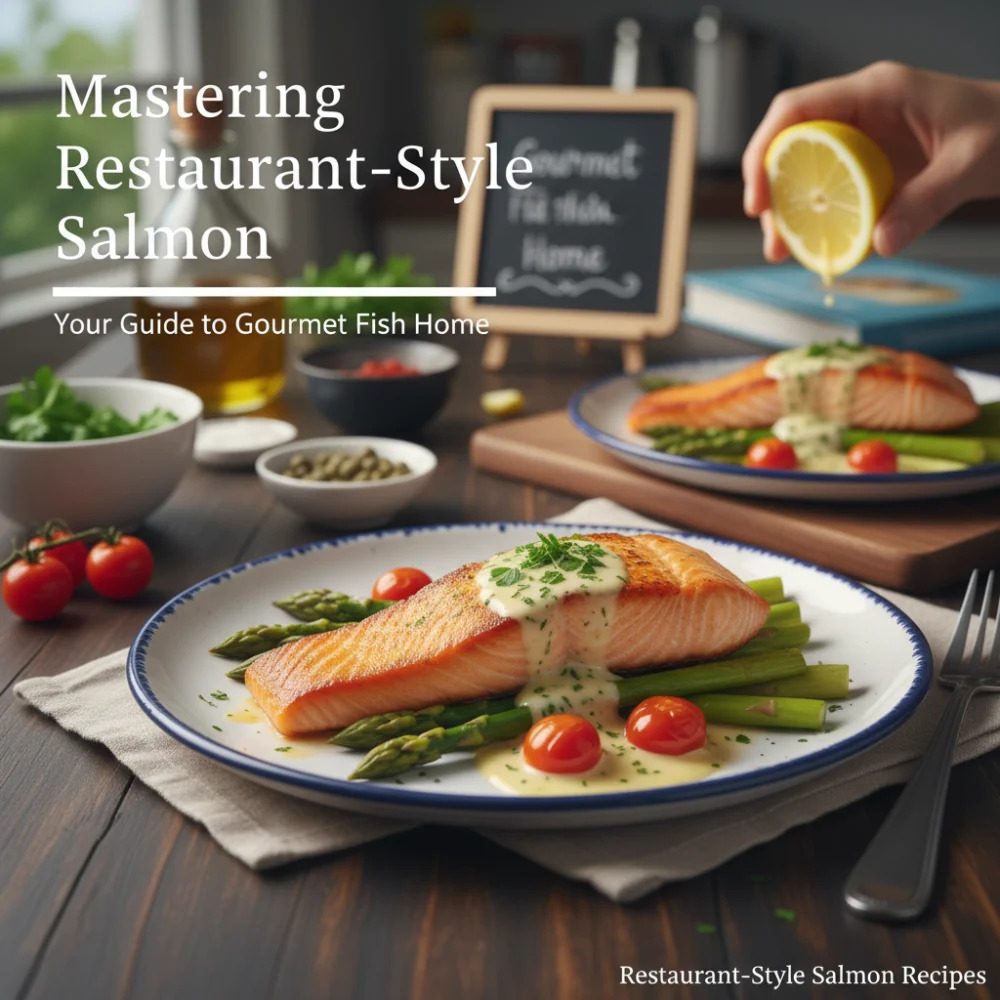
This classic combination is elegant, healthy, and incredibly flavorful. It’s a perfect example of how simple ingredients can create a gourmet experience.
- Ingredients: Salmon fillets, lemon, fresh dill, parsley, olive oil, salt, black pepper, asparagus.
- Method: Toss asparagus with olive oil, salt, and pepper. Arrange on a baking sheet. Place salmon fillets among the asparagus. Drizzle salmon with olive oil, season, and top with lemon slices and fresh herbs. Bake as described in the baking section.
Honey Garlic Glazed Pan-Seared Salmon
Sweet, savory, and with a beautiful glaze, this salmon is a crowd-pleaser. The pan-searing method ensures a perfect crust.
- Ingredients: Salmon fillets, honey, soy sauce, minced garlic, ginger (optional), rice vinegar, sesame oil.
- Method: Whisk together honey, soy sauce, garlic, ginger, vinegar, and sesame oil for the glaze. Pan-sear salmon (skin-side down first) until almost done. During the last 2-3 minutes of cooking, pour the glaze over the salmon, letting it thicken and coat the fish.
Blackened Salmon with Creamy Cajun Sauce
For those who love a spicy kick and a rich, smoky flavor, blackened salmon is a fantastic choice. The ‘blackened’ refers to the crust created by the spice blend, not burnt fish.
- Ingredients: Salmon fillets, blackening seasoning (paprika, cayenne, garlic powder, onion powder, thyme, oregano), butter, heavy cream, chicken broth, green onions.
- Method: Dredge salmon fillets in blackening seasoning. Heat a cast-iron skillet over high heat until smoking. Add a tablespoon of butter and quickly sear salmon for 2-3 minutes per side until a dark crust forms. Remove salmon. In the same pan, add a little more butter, deglaze with broth, add cream, and simmer until slightly thickened. Stir in chopped green onions. Serve sauce over salmon.
Tips for Achieving Salmon Perfection Every Time
Even with great recipes, small details make a big difference in achieving restaurant-quality results.
- Don’t Overcook: This is the golden rule for salmon. Overcooked salmon is dry and chalky. Aim for an internal temperature of 145°F (63°C) at the thickest part. A meat thermometer is your best friend.
- Pat Dry: For pan-searing, moisture is the enemy of crispy skin. Always pat your salmon very dry before seasoning and cooking.
- Hot Pan, Cold Fish: Place cold (but not frozen) salmon directly into a screaming hot pan for searing. This helps achieve a better crust.
- Season Generously: Salmon can handle a good amount of seasoning. Don’t be shy with salt, pepper, and your chosen herbs and spices.
- Let it Rest: Just like steak, letting your salmon rest for 5 minutes after cooking allows the juices to redistribute, resulting in a more tender and flavorful fillet.
- Presentation Matters: A beautifully plated dish enhances the dining experience. Think about contrasting colors, textures, and garnishes.
Common Mistakes to Avoid When Cooking Salmon
Even experienced cooks can make mistakes. Being aware of these pitfalls will help you avoid them.
- Overcrowding the Pan: Cooking too many fillets at once lowers the pan’s temperature, leading to steaming instead of searing. Cook in batches if necessary.
- Flipping Too Soon: When searing, resist the urge to flip the salmon until it naturally releases from the pan. If it sticks, it’s not ready.
- Ignoring the Skin: If you enjoy crispy skin, make sure to cook it skin-side down for the majority of the cooking time.
- Lack of Acid: Salmon benefits greatly from a touch of acidity (lemon, lime, vinegar) to brighten its rich flavor. Don’t forget a squeeze of citrus at the end.
Elevating Your Salmon Presentation
- Garnish: Fresh herbs (dill, parsley, chives), lemon wedges, a sprinkle of flaky sea salt, or a drizzle of good olive oil can transform the look.
- Color Contrast: Pair your salmon with vibrant sides like roasted red peppers, green asparagus, or a colorful quinoa salad.
- Sauce Placement: Drizzle sauces artfully around or under the salmon, rather than drowning it.
- Stacking: For a more gourmet look, gently stack ingredients or place the salmon atop a bed of grains or vegetables.
Frequently Asked Questions About Cooking Salmon
Q: How do I know when my salmon is perfectly cooked?
A: The best way is to use an instant-read thermometer. Salmon is done at 145°F (63°C). Visually, it should flake easily with a fork, and the center should still be slightly translucent, not opaque all the way through.
Q: Can I cook salmon from frozen?
A: While it’s best to thaw salmon first for even cooking and optimal texture, you *can* cook it from frozen. Increase cooking time by about 50% and use methods like baking or poaching. Pan-searing frozen salmon is difficult to get right.
Q: What are good side dishes for salmon?
A: Salmon is incredibly versatile! Great pairings include roasted vegetables (asparagus, broccoli, Brussels sprouts), rice pilaf, quinoa, mashed potatoes, a fresh green salad, or a creamy risotto.
Q: How do I store leftover cooked salmon?
A: Store cooked salmon in an airtight container in the refrigerator for up to 3-4 days. It’s delicious cold in salads or gently reheated.
Q: What kind of oil is best for cooking salmon?
A: For high-heat methods like pan-searing or grilling, use oils with a high smoke point such as grapeseed oil, avocado oil, or refined olive oil. For baking, extra virgin olive oil works well for flavor.
Mastering restaurant-style salmon at home is a skill that will undoubtedly enhance your culinary repertoire and impress your guests. By understanding the importance of quality ingredients, employing proper cooking techniques, and paying attention to presentation, you can consistently create dishes that rival those from your favorite establishments. Don’t be afraid to experiment with different flavor profiles and sauces. The journey of cooking is one of continuous learning and delicious discovery. So, pick up some fresh salmon, preheat your pan, and prepare to delight your palate with gourmet salmon creations right from your own kitchen.
Embrace the challenge, savor the process, and enjoy the incredible flavors you’re capable of bringing to life. Happy cooking!