
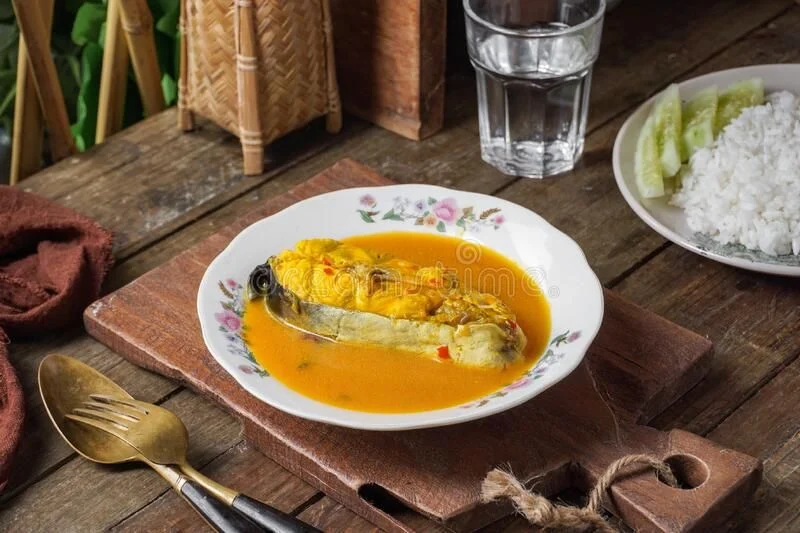

At its heart, this dish is an exploration of fermented flavors. Tempoyak, derived from the king of fruits, durian, undergoes a natural fermentation process that transforms its initial potent aroma into a complex, tangy, and slightly sour profile. This fermentation is crucial, as it provides a unique umami base that cannot be replicated by any other ingredient. The process typically involves packing ripe durian flesh into a sealed container and allowing it to ferment for several days to a week, or even longer, depending on the desired intensity.
The ‘masak lemak’ component refers to a cooking style that utilizes coconut milk as its primary liquid base. This method is ubiquitous in Malay cuisine, lending a luxurious creaminess and a subtle sweetness to a wide array of dishes, from vegetables to meats and seafood. In this recipe, the coconut milk acts as a perfect counterpoint to the assertiveness of the tempoyak, creating a harmonious balance that envelops the delicate crab meat.
Crab, or ‘kepiting,’ is the star protein in this dish. The choice of crab can significantly influence the final outcome. Fresh, live crabs are always preferred for their superior texture and flavor. Mud crabs, with their substantial claws and sweet, firm meat, are often the ideal choice for this recipe. However, smaller swimming crabs can also be used, though they may require a slightly adjusted cooking time.
The foundation of the flavor profile also lies in the ‘rempah’ or spice paste. This aromatic blend typically includes ingredients such as shallots, garlic, ginger, galangal, turmeric, and chilies. The specific combination and proportions can vary greatly depending on regional traditions and personal preferences. Some recipes might incorporate dried chilies for a deeper heat and color, while others might opt for fresh chilies for a brighter, sharper spice.
To achieve the authentic taste of Resep Tempoyak Kepiting Masak Lemak, the quality of the tempoyak is paramount. Overripe durian flesh is ideal for fermentation, as it possesses a higher sugar content and a more developed flavor profile. The fermentation period is also critical; too short and the tempoyak will be too sharp, too long and it might become overwhelmingly sour. Finding that sweet spot is key to unlocking its full potential.
The preparation of the spice paste is a labor of love. Traditionally, these ingredients would be pounded using a mortar and pestle, a method that releases their essential oils and creates a more robust flavor compared to blending. The pounding process breaks down the fibers and allows the aromatics to meld together beautifully.
When cooking, the process begins with sautéing the spice paste until fragrant. This step is essential to cook out any raw flavors and to deepen the aromatic complexity. Once the paste is well-cooked and releases its oils, the tempoyak is added. It’s important to stir and cook the tempoyak with the paste for a few minutes, allowing its fermented notes to meld with the spices.
Following this, the coconut milk is introduced. It’s crucial to use a medium to thick consistency of coconut milk to achieve the desired richness. The mixture should be brought to a gentle simmer, stirring occasionally to prevent the coconut milk from splitting. The heat should be carefully managed at this stage; a rolling boil can compromise the creamy texture.
The crabs are then added to the simmering sauce. The cooking time for the crabs will depend on their size and type. Smaller crabs might cook in 10-15 minutes, while larger mud crabs could take up to 20-25 minutes. The goal is to cook the crab through until its shell turns bright red and the meat is opaque and firm, without overcooking it, which can lead to a rubbery texture.
Seasoning is a delicate act in this dish. The tempoyak itself provides a significant amount of saltiness and tang. Therefore, it’s advisable to taste the sauce before adding any additional salt. A touch of sugar might be necessary to balance the sourness of the tempoyak and the richness of the coconut milk, but this should be done judiciously.
Some variations of this recipe might include additional ingredients to enhance the flavor and texture. For instance, adding kaffir lime leaves can impart a citrusy aroma that cuts through the richness. Sliced bird’s eye chilies can be added for an extra kick of heat, and a squeeze of lime juice at the end can brighten the overall flavor profile.
The cultural significance of Tempoyak Kepiting Masak Lemak cannot be overstated. It represents a deep connection to the land and its bountiful produce. The use of fermented ingredients like tempoyak speaks to a historical need for food preservation, particularly in tropical climates. It’s a dish often found in family gatherings, festive occasions, and as a comforting home-cooked meal.
The aroma of this dish is as much a part of the experience as its taste. The initial pungent scent of tempoyak gradually mellows as it cooks, mingling with the fragrant spices and the sweet aroma of coconut milk and crab. It’s a complex olfactory journey that prepares the palate for the explosion of flavors to come.
Serving this dish is typically done hot, accompanied by steamed white rice. The fluffy rice is the perfect vehicle to soak up the rich, flavorful sauce. A simple side of fresh cucumber or ulam (traditional Malaysian salad) can provide a refreshing contrast to the intensity of the crab curry.
For those new to tempoyak, the initial encounter can be a sensory adventure. Its unique flavor profile is an acquired taste for some, but for those who appreciate its complexity, it offers an unparalleled depth of flavor. It’s a testament to the adventurous spirit of Malaysian cuisine.
When selecting crabs, look for lively specimens. If buying pre-cleaned crab, ensure they are fresh and have a pleasant, briny aroma. Avoid crabs that smell overly fishy or ammonia-like, as this indicates they are not fresh.
The type of chili used will significantly impact the heat level. For a milder version, deseed the chilies or use a smaller amount. For a spicier dish, include the seeds or add more bird’s eye chilies.
Galangal, a close relative of ginger, adds a distinct peppery and slightly citrusy note to the spice paste. If galangal is unavailable, you can substitute it with ginger, but be aware that the flavor profile will be slightly different.
Turmeric not only provides a beautiful golden hue to the dish but also contributes a subtle earthy flavor and is known for its health benefits.
The consistency of the ‘masak lemak’ sauce is crucial. If it becomes too thick, a splash of water or more coconut milk can be added. If it’s too thin, allow it to simmer gently for a bit longer to reduce.
The art of balancing flavors is key. The sourness of tempoyak, the sweetness of coconut milk and crab, the heat of chilies, and the aromatics of the spice paste all need to work in harmony. Taste and adjust seasonings as you go.
For an authentic experience, consider using freshly grated coconut to make your own coconut milk. While canned or carton coconut milk is convenient, fresh coconut milk offers a richer, more nuanced flavor.
Preserving tempoyak is an important aspect of its use. Once fermented, it can be stored in the refrigerator for an extended period, allowing cooks to have this unique ingredient on hand whenever the craving strikes.
The preparation of the spice paste can be done in advance, which can save time when you are ready to cook the actual dish. Simply store the blended or pounded paste in an airtight container in the refrigerator.
When adding the tempoyak, ensure it is well-mixed with the sautéed aromatics. This helps to cook off some of the raw fermentation notes and integrate its flavor into the base of the curry.
The type of cooking vessel can also play a role. A heavy-bottomed pot or wok is ideal for even heat distribution, preventing scorching of the coconut milk.
For those with dietary restrictions, while this dish is inherently rich, some modifications could be explored, though they might alter the traditional flavor profile significantly. For instance, using a lighter coconut milk or a plant-based alternative could be considered, but the characteristic creaminess would be diminished.
The versatility of ‘masak lemak’ means that while crab is classic, other seafood like prawns or fish, or even vegetables like eggplant or long beans, can be prepared in a similar style, though the addition of tempoyak is what makes this recipe distinct.
Ultimately, Resep Tempoyak Kepiting Masak Lemak is a dish that invites exploration and appreciation of diverse culinary traditions. It is a celebration of bold flavors, fresh ingredients, and the enduring legacy of Malaysian cooking.
Mastering this recipe is a journey that rewards patience and a willingness to embrace unique ingredients. The depth of flavor and the satisfying richness make it a truly memorable culinary experience, worthy of its status as a beloved Malaysian delicacy.