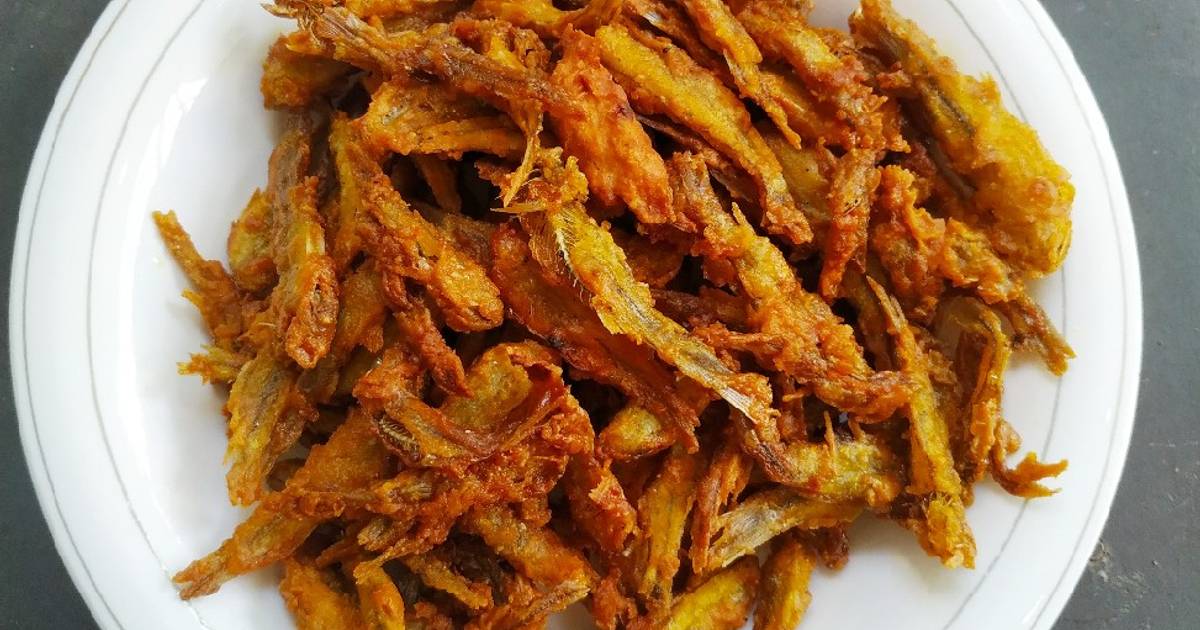
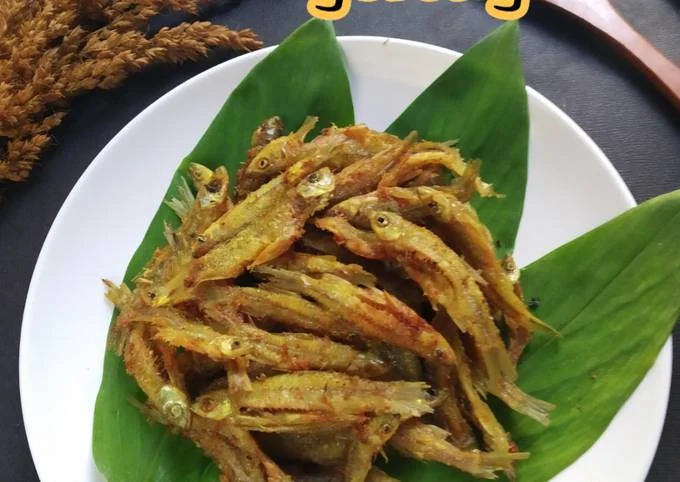

At its core, Tempoyak Ikan Seluang Goreng Kering is a symphony of textures and tastes. The ‘Tempoyak’ itself is a fermented durian paste, a key ingredient that imparts a pungent, slightly sweet, and undeniably unique umami character. This is then combined with ‘Ikan Seluang,’ small freshwater fish, typically fried until exquisitely crispy. The ‘Goreng Kering’ signifies the ‘dry fried’ aspect, ensuring each fish is brittle and flavorful, offering a satisfying crunch with every bite.
The preparation of Tempoyak requires patience and an understanding of fermentation. Durian fruit, when allowed to ferment for several days to weeks, transforms its texture and aroma, developing a potent flavor that is both challenging and rewarding. This fermented paste forms the soul of the dish, providing a base that is unlike any other.
Ikan Seluang, being small fish, are ideal for frying whole. Their delicate bones become edible when fried to a crisp, contributing to the overall texture and providing a good source of calcium. The choice of this particular fish is crucial, as its size and inherent flavor complement the strong notes of the Tempoyak.
The ‘Goreng Kering’ technique is paramount. It involves frying the fish multiple times or at a specific temperature to achieve that signature brittle crispness. This ensures that the fish remains crunchy even when mixed with the more moist Tempoyak paste, preventing sogginess and enhancing the eating experience.
To begin crafting this remarkable dish, one must gather the essential ingredients. The quality and freshness of each component will significantly influence the final outcome. This is not just a recipe; it’s an invitation to explore the depths of Indonesian culinary artistry.
- For the Tempoyak Paste:
- Fresh durian flesh (ripe but not overripe)
- Salt (to taste)
- For the Fried Fish:
- Ikan Seluang (small freshwater fish), cleaned
- Turmeric powder
- Salt
- Cooking oil (for deep frying)
- For the Sambal (Chili Paste):
- Red chilies (adjust to spice preference)
- Bird’s eye chilies (optional, for extra heat)
- Shallots
- Garlic
- Belacan/Terasi (shrimp paste), toasted
- Salt
- Sugar (a pinch, to balance)
- Lime or tamarind juice (for tanginess)
The journey begins with preparing the Tempoyak. This is arguably the most time-consuming yet rewarding part. Ripe durian flesh is mashed until smooth. Traditionally, it is then mixed with a bit of salt and sealed in an airtight container or wrapped in banana leaves. It is left to ferment in a cool, dark place for a period ranging from 3 days to a week, or even longer, depending on the desired intensity of flavor and aroma. The fermentation process is crucial; it breaks down the durian’s sugars and proteins, developing its characteristic pungent aroma and complex taste.
While the Tempoyak ferments, attention can be turned to the Ikan Seluang. The fish must be thoroughly cleaned, ensuring all internal organs are removed. A common practice is to marinate the cleaned fish with a mixture of turmeric powder and salt. This not only imparts a beautiful golden hue but also adds a subtle earthy flavor and helps in achieving a crispier fry.
The frying of the Ikan Seluang is a critical step. It is best to deep-fry them in hot oil until they are golden brown and completely crisp. The key to ‘Goreng Kering’ is to ensure that the fish is cooked through and brittle. This might involve frying them in batches to avoid overcrowding the pan, which can lead to uneven cooking and a less crispy result. Once fried to perfection, the fish are drained on paper towels to remove excess oil.
Simultaneously, the sambal, or chili paste, needs to be prepared. This is where the dish gains its vibrant kick and aromatic depth. Red chilies, shallots, garlic, and toasted belacan (shrimp paste) are typically pounded or blended together. The belacan adds a crucial umami element that is characteristic of many Indonesian sambals. The mixture is then often sautéed briefly in a little oil to cook the raw flavors and meld the ingredients together.
Seasoning the sambal is a delicate balance. Salt is added to enhance the flavors, and a pinch of sugar can be used to round off the sharpness of the chilies and the pungency of the belacan. A squeeze of lime juice or a touch of tamarind paste introduces a bright, tangy note that cuts through the richness of the dish and complements the fermented durian.
Once the Tempoyak has achieved the desired level of fermentation, it is ready to be incorporated. Some recipes involve lightly sautéing the Tempoyak paste with a bit of chili and aromatics to mellow its raw pungency and enhance its flavors. This step is optional but can lead to a more refined taste.
The final assembly brings all the elements together. In a bowl, combine the fermented Tempoyak paste with the prepared sambal. The ratio of Tempoyak to sambal can be adjusted according to personal preference. Some prefer a more dominant durian flavor, while others lean towards a spicier, more chili-forward sambal.
Next, the crispy fried Ikan Seluang are added to the Tempoyak and sambal mixture. Gently toss the fish to coat them evenly with the paste. It is important not to overmix, as this can break the delicate crispy fish. The goal is to have each piece of fish lightly coated, ready to be savored.
The dish is best served immediately while the fish is still at its crispiest. The contrast between the crunchy fish, the pungent and slightly sweet Tempoyak, and the spicy, tangy sambal is what makes this dish so captivating. It’s a flavor explosion that is both familiar and exotic.
- Durian Selection: Use ripe but not overly soft durian. A durian that is too mushy might ferment too quickly and develop an unpleasant taste.
- Fermentation Control: Monitor the fermentation process closely. Smell and taste the Tempoyak periodically. If it becomes too sour or develops an off-putting smell, it might not be suitable for consumption.
- Fish Preparation: Ensure the Ikan Seluang are completely dry before frying to prevent oil splattering and to achieve maximum crispiness.
- Frying Temperature: Maintain a consistent, hot oil temperature for frying the fish. This is crucial for achieving the ‘Goreng Kering’ texture.
- Sambal Customization: Feel free to adjust the types and quantities of chilies to match your spice tolerance.
- Belacan Quality: Use good quality belacan (shrimp paste) and toast it properly to release its full aroma and flavor.
- Balancing Flavors: Taste and adjust the seasoning of the sambal and the final mixture. The interplay of sweet, sour, salty, spicy, and umami should be harmonious.
- Serving Suggestion: This dish is typically served with steamed white rice. The plainness of the rice allows the complex flavors of the Tempoyak and fish to shine.
- Storage: If you have leftover Tempoyak paste, it can be stored in an airtight container in the refrigerator for a few weeks. Fried fish should ideally be consumed fresh.
The cultural significance of Tempoyak Ikan Seluang Goreng Kering cannot be overstated. In many Indonesian communities, particularly those with a strong durian culture, Tempoyak is a staple. It represents resourcefulness, using readily available ingredients to create dishes with profound depth. The act of fermenting durian itself is a time-honored tradition passed down through generations.
The Ikan Seluang, often caught in local rivers and lakes, adds another layer of regional authenticity. The specific preparation methods and ingredient combinations can vary slightly from one family or region to another, leading to a diverse tapestry of flavor profiles within the broader category of this dish.
For those unfamiliar with durian, the aroma and taste of Tempoyak can be quite intense. However, the fermentation process mellows the fruit’s raw pungency, transforming it into a complex, savory, and slightly tangy paste that is surprisingly addictive once you acquire the taste. It’s a culinary acquired taste that rewards the adventurous palate.
The ‘Goreng Kering’ aspect is not just about texture; it’s about maximizing flavor. The process of frying small fish whole until they are brittle allows their natural oils and flavors to concentrate, creating a deeply savory and satisfying crunch that complements the softer, more pungent Tempoyak.
This dish is more than just a meal; it’s an experience. It’s a journey through Indonesia’s diverse culinary landscape, a taste of its history, and a celebration of its unique ingredients. Each bite offers a complex interplay of sensations – the initial crispness of the fish, followed by the rich, fermented tang of the durian, all brought together by the fiery embrace of the sambal.
Exploring recipes like Tempoyak Ikan Seluang Goreng Kering allows home cooks to connect with the authentic flavors of Indonesia. It encourages the use of traditional techniques and ingredients, fostering a deeper appreciation for the culinary heritage of the region.
The beauty of this dish also lies in its versatility. While Ikan Seluang is traditional, other small, crispy fried fish can be used if Seluang is unavailable. Similarly, the spice level of the sambal can be adjusted to suit individual preferences, making the dish adaptable to different palates.
Ultimately, mastering the art of Tempoyak Ikan Seluang Goreng Kering is about understanding the harmony of bold flavors. It’s about embracing the pungent aroma of fermented durian, the satisfying crunch of perfectly fried fish, and the vibrant kick of a well-made sambal. It’s a dish that promises an unforgettable culinary adventure.
The process, from fermenting the durian to frying the fish to perfection, is a labor of love. It requires patience, attention to detail, and a willingness to explore unconventional ingredients. But the reward is a dish that is truly unique, deeply flavorful, and a proud representation of Indonesian culinary tradition.