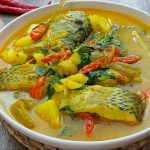
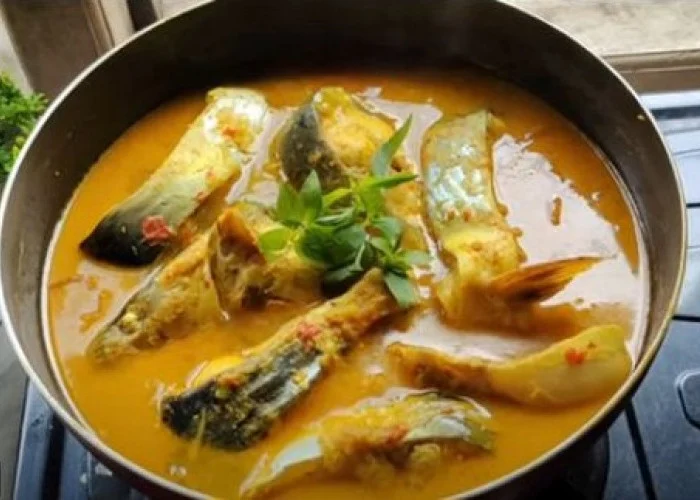

At its core, Tempoyak Ikan Mas Pindang Kuning is a celebration of contrasting yet complementary flavors and textures. The pungent, slightly sour, and deeply savory notes of tempoyak create a complex base that beautifully balances the sweetness and richness of the fish. The ‘pindang kuning’ aspect refers to the golden-yellow broth, achieved through a blend of turmeric, ginger, and other aromatic spices, which imparts both color and a warm, earthy aroma to the dish.
The star ingredient, tempoyak, is derived from fermented durian. Durian, often called the ‘king of fruits,’ is known for its strong aroma and creamy, custard-like flesh. The fermentation process, typically involving sealing durian flesh in an airtight container for several days or even weeks, transforms its flavor profile. It loses some of its initial sweetness and develops a tangy, umami-rich taste that is highly prized in certain Indonesian culinary traditions, particularly in Sumatra and Borneo.
Ikan Mas, or Golden Carp, is the preferred fish for this dish. Its firm flesh and slightly sweet flavor hold up well to the robust taste of tempoyak and the aromatic spices. When cooked in the pindang kuning broth, the fish becomes tender and absorbs the complex flavors, making each bite a delightful revelation.
The ‘pindang kuning’ broth itself is a symphony of Indonesian spices. Turmeric, the primary source of its vibrant yellow color, provides an earthy undertone. Ginger adds a zesty warmth, while other common aromatics like garlic, shallots, lemongrass, and galangal contribute layers of fragrance and depth. A hint of chili often lends a gentle kick, awakening the palate.
The preparation of Tempoyak Ikan Mas Pindang Kuning is a culinary art form that requires patience and an understanding of flavor development. While the concept might seem unusual to those unfamiliar with fermented ingredients, the resulting dish is remarkably harmonious and deeply satisfying.
Let’s delve into the essential ingredients required to recreate this authentic Indonesian delicacy in your own kitchen.
- Ikan Mas (Golden Carp): 2-3 medium-sized fish, cleaned and cut into sections. Freshness is paramount for the best flavor.
- Tempoyak: Approximately 3-4 tablespoons, depending on your preference for its pungent flavor. Ensure it’s good quality and properly fermented.
- Shallots: 8-10 bulbs, thinly sliced.
- Garlic: 4-5 cloves, thinly sliced.
- Turmeric: A thumb-sized piece (about 2 inches), peeled and thinly sliced or grated. Fresh turmeric is preferred for its vibrant color and aroma.
- Ginger: A thumb-sized piece (about 1.5 inches), peeled and thinly sliced or grated.
- Galangal: A thumb-sized piece (about 1 inch), peeled and bruised or thinly sliced.
- Lemongrass: 1-2 stalks, bruised and tied into a knot.
- Bird’s Eye Chilies (Cabe Rawit): 5-10, or to taste. These add a significant kick. You can adjust the quantity or omit them if you prefer less heat.
- Tomatoes: 1-2 medium-sized, cut into wedges.
- Lime Leaves (Daun Jeruk): 3-4 leaves, torn slightly to release their aroma.
- Tamarind Paste (Air Asam Jawa): 1 tablespoon, mixed with a little water and strained to extract the juice.
- Salt: To taste.
- Sugar: A pinch, to balance the flavors if needed.
- Water: Approximately 700-800 ml, or enough to cover the fish.
- Cooking Oil: For sautéing the aromatics.
The preparation process can be broken down into several key stages, ensuring that each component contributes its best to the final dish.
Step 1: Preparing the Spice Paste (Bumbu Halus)
- Shallots
- Garlic
- Turmeric
- Ginger
- Galangal
- Optional: a few bird’s eye chilies if you want the paste to be spicy from the start.
Blend these ingredients with a little water or oil until a smooth paste is formed. If you prefer a more rustic texture, simply slice or chop them finely.
Step 2: Sautéing the Aromatics
Heat a tablespoon or two of cooking oil in a pot or wok over medium heat. Add the sliced shallots and garlic (if not blended into the paste) and sauté until fragrant and lightly golden. This step is crucial for releasing their essential oils and building a flavorful base.
Next, add the prepared spice paste (or the thinly sliced turmeric, ginger, and galangal if not blended). Sauté the paste until it is fragrant, the oil starts to separate, and the raw smell dissipates. This indicates that the spices are well-cooked and their flavors are fully developed. Be careful not to burn the paste.
Step 3: Infusing the Broth
Pour in the water and bring it to a simmer. Add the bruised lemongrass stalks, torn lime leaves, and the bird’s eye chilies (if using whole). Let the broth simmer gently for about 5-10 minutes to allow the flavors of the aromatics to infuse into the water.
Step 4: Incorporating the Tempoyak
This is where the unique character of the dish truly emerges. Add the tempoyak paste to the simmering broth. Stir well to dissolve the tempoyak into the liquid. The broth will take on a slightly cloudy appearance and a distinct, pungent aroma will begin to fill the air. This is normal and indicative of an authentic tempoyak dish.
Step 5: Adding the Fish and Tomatoes
Gently slide the cleaned and sectioned Ikan Mas into the simmering broth. Ensure the fish pieces are mostly submerged. Add the tomato wedges at this stage as well. The tomatoes will soften and release their juices, adding a touch of sweetness and acidity to the broth.
Step 6: Seasoning and Simmering
Bring the broth back to a gentle simmer. Season with salt to taste. Add the tamarind juice for a subtle tanginess that complements the tempoyak. If the broth tastes too sour or pungent, a pinch of sugar can help to balance the flavors. Be cautious with the sugar; the aim is balance, not sweetness.
Cover the pot and let the fish cook through. This usually takes about 10-15 minutes, depending on the thickness of the fish pieces. Avoid overcooking, which can make the fish tough. The fish should be tender and flaky.
Step 7: Final Adjustments and Serving
Once the fish is cooked, taste the broth and adjust the seasoning if necessary. The flavor profile should be a complex interplay of savory, sour, slightly spicy, and the unique umami of the tempoyak. The aroma should be fragrant and inviting.
Ladle the hot Tempoyak Ikan Mas Pindang Kuning into serving bowls, ensuring each bowl gets a generous portion of fish and broth. Garnish with fresh cilantro or sliced chilies if desired, though it’s often served simply.
This dish is traditionally served hot with steamed white rice. The plain rice acts as a perfect canvas to absorb the rich, flavorful broth and to temper the intensity of the tempoyak.
- Quality of Tempoyak: The quality of your tempoyak is paramount. If you are making it yourself, ensure proper fermentation. If buying, opt for reputable sources. The ripeness and fermentation level will significantly impact the final taste.
- Fish Choice: While Ikan Mas is traditional, other firm-fleshed freshwater fish like Tilapia or even some types of saltwater fish can be used. Adjust cooking times accordingly.
- Spice Level: Adjust the number of bird’s eye chilies to your preference. For a milder version, remove the seeds or use fewer chilies.
- Acidity: The tamarind paste provides a pleasant tang. If you prefer a stronger sour note, you can add a little more tamarind juice or a squeeze of fresh lime juice just before serving.
- Vegetables: Some variations include adding other vegetables like long beans or eggplant to the broth, though this is less traditional for the ‘pindang kuning’ style.
- Serving Suggestions: Besides plain rice, it pairs well with other Indonesian side dishes like ‘sambal terasi’ (shrimp paste chili) or fresh cucumber slices.
- Aroma Management: The strong aroma of tempoyak can be off-putting to some. Sautéing the spices well and ensuring the broth is properly seasoned helps to meld the flavors and make the aroma more palatable.
- Leftovers: Tempoyak Ikan Mas Pindang Kuning often tastes even better the next day as the flavors have more time to meld. Store in an airtight container in the refrigerator. Reheat gently.
The history of Tempoyak Ikan Mas Pindang Kuning is deeply rooted in the culinary traditions of regions where durian is abundant, particularly in Sumatra (like Jambi and Palembang) and parts of Borneo. These areas have a long history of preserving food through fermentation, and tempoyak is a prime example. It was a practical way to preserve the seasonal bounty of durian and to create a versatile condiment and cooking ingredient.
The combination with ‘Pindang Kuning’ likely evolved as a way to create a complete, hearty meal. Pindang, in Indonesian cuisine, refers to a style of cooking often involving fish in a flavorful, spiced broth, with ‘kuning’ (yellow) specifically indicating the use of turmeric. This style is common across various islands, and its integration with tempoyak showcases the adaptability and richness of Indonesian culinary fusion.
Understanding the cultural significance adds another layer to appreciating this dish. Tempoyak is not just a food ingredient; it’s a taste of home, a connection to tradition, and a symbol of resourcefulness. For many Indonesians, especially those from the regions where it originates, the smell and taste of tempoyak evoke strong nostalgic feelings.
The unique flavor profile of Tempoyak Ikan Mas Pindang Kuning is what makes it so memorable. It challenges the palate with its fermented notes, yet rewards with a depth of flavor that is both complex and comforting. The initial pungency gives way to a savory umami that coats the tongue, beautifully complemented by the aromatic spices and the tender fish.
This dish is a perfect example of how Indonesian cuisine embraces bold flavors and transforms humble ingredients into extraordinary culinary experiences. It’s a dish that tells a story of the land, its fruits, and the ingenuity of its people.
Embarking on the journey to cook Tempoyak Ikan Mas Pindang Kuning is more than just following a recipe; it’s an invitation to explore the authentic tastes of Indonesia. It’s a dish that promises a culinary adventure, one that will leave you with a deeper appreciation for the diverse and remarkable world of Indonesian food.
Whether you are a seasoned cook or a curious beginner, this recipe offers a rewarding challenge and a delightful outcome. Prepare to impress your taste buds and those of your guests with this unique and flavorful Indonesian classic.