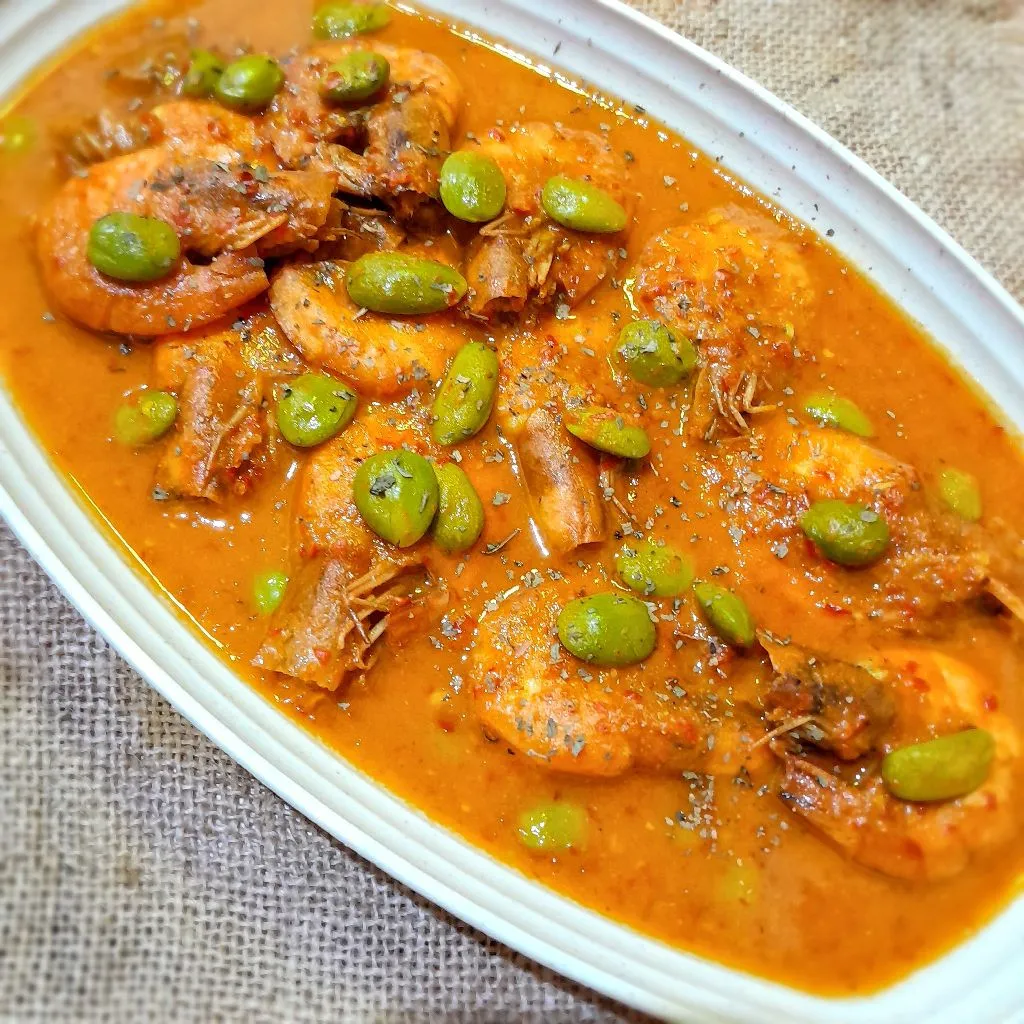
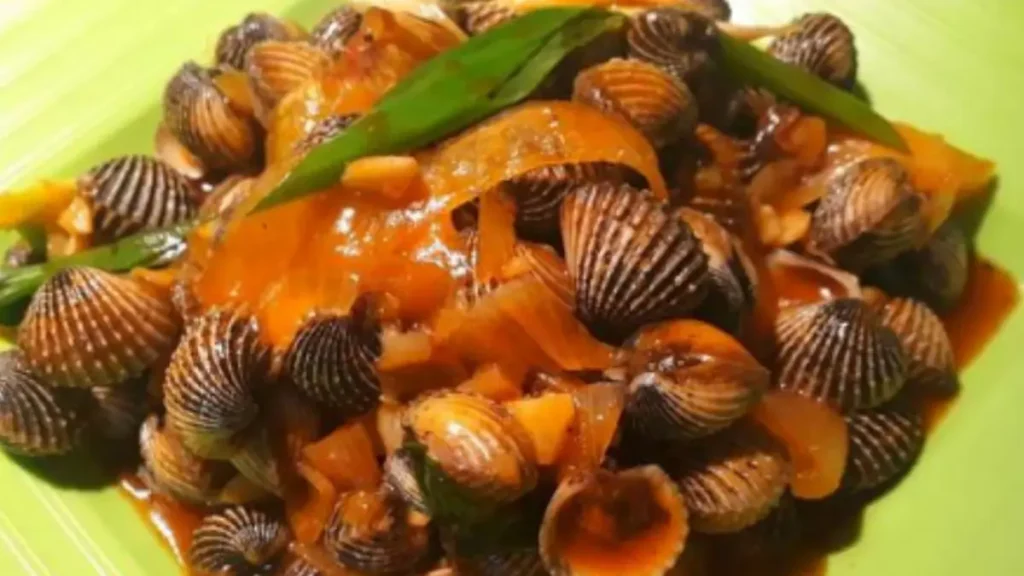

At its core, Resep Seafood Tempoyak Kerang is a testament to the ingenuity of Indonesian cooking, where humble ingredients are transformed into something truly special. The star of the dish, tempoyak, is prepared by fermenting ripe durian fruit. This process, typically involving salting the durian flesh and allowing it to ferment for several days, results in a paste with an intensely aromatic and savory profile, often described as having a cheesy, umami-rich taste with a hint of the durian’s signature sweetness and funk.
The ‘kerang’ or mussels, provide a contrasting, oceanic sweetness and a satisfying chewiness. When combined with the complex flavor of tempoyak, the mussels absorb the pungent notes, creating a harmonious blend that is both exotic and deeply comforting. This dish is not just about taste; it’s about texture, aroma, and the cultural narrative it carries.
The preparation of Resep Seafood Tempoyak Kerang can vary slightly from region to region, and even from family to family. However, the fundamental elements remain consistent: fresh mussels, well-fermented tempoyak, and a carefully balanced medley of spices and aromatics. The process often begins with preparing the mussels, ensuring they are clean and free of grit. This usually involves scrubbing their shells and removing the ‘beard’ before cooking them briefly to open.
Once the tempoyak mixture is fragrant and well-cooked, the cleaned mussels are added. They are then gently tossed and simmered in the tempoyak-spice blend. The heat allows the mussels to finish cooking and to absorb the rich, complex flavors of the sauce. Some recipes might add a splash of water or coconut milk to create a more luscious sauce, while others prefer a drier, more concentrated flavor.
The choice of seafood can also extend beyond just mussels. While ‘kerang’ is traditional, variations might include shrimp, squid, or even pieces of fish, all cooked alongside the tempoyak base. This adaptability is a hallmark of Indonesian cuisine, allowing for local availability and personal preference to shape the final dish.
The spice blend is crucial in achieving the perfect balance. Common additions include ground coriander, cumin, and a pinch of sugar to round out the flavors. Fresh herbs like lemongrass, kaffir lime leaves, and galangal are often used to infuse the sauce with their distinct citrusy and aromatic notes, cutting through the richness of the durian.
For those new to tempoyak, it’s important to approach it with an open mind. The initial aroma can be strong and polarizing, a characteristic of fermented foods. However, the flavor that emerges when cooked is remarkably different – savory, complex, and deeply satisfying. It’s a flavor profile that grows on you, revealing new nuances with each bite.
The ‘kerang’ itself is selected for its freshness. Plump, firm mussels are ideal, as they hold their shape well during cooking and offer a pleasant textural contrast to the creamy tempoyak sauce. The briny liquor released by the mussels as they cook also contributes to the overall flavor of the dish.
To achieve the best results, the quality of the tempoyak is paramount. Authentic, well-fermented tempoyak will have a deep, complex flavor. If sourcing tempoyak, look for reputable suppliers or consider making your own if you are adventurous. The fermentation process typically takes about 3-5 days, depending on the ambient temperature and desired level of fermentation.
The cooking process itself requires a gentle hand. Overcooking the mussels can make them tough and rubbery. The aim is to cook them just until they open, allowing them to absorb the flavors without becoming overdone. This is why adding them towards the end of the sautéing process is key.
The heat level can be adjusted by the amount and type of chili used. Red chilies provide a general heat, while bird’s eye chilies can offer a more intense, fiery kick. For those who prefer a milder dish, the seeds can be removed from the chilies, or they can be omitted altogether.
Resep Seafood Tempoyak Kerang is often served with plain white rice. The steamed rice acts as a perfect neutral canvas, allowing the complex flavors of the seafood and tempoyak to shine without competition. A simple side of fresh cucumber slices or a light salad can provide a refreshing counterpoint.
The dish’s origins are often traced back to the Malay-speaking regions of Indonesia, particularly Sumatra and Borneo, where durian is abundant and fermented pastes are a staple in the local cuisine. It represents a beautiful example of how local ingredients are utilized creatively to produce unique and beloved dishes.
Beyond the culinary aspect, Resep Seafood Tempoyak Kerang is a dish that evokes a sense of home and tradition for many Indonesians. It’s a flavor that is deeply ingrained in the cultural fabric, often enjoyed during family gatherings and special occasions.
For the adventurous home cook, preparing this dish offers an exciting opportunity to explore new flavors and techniques. It challenges conventional palates and rewards the effort with a truly memorable meal. The key is patience and a willingness to embrace the unique characteristics of tempoyak.
When sourcing ingredients, fresh mussels are readily available in many markets. For tempoyak, specialty Asian grocery stores are your best bet. If you can’t find it, don’t despair; some online retailers also carry it. Alternatively, embarking on the DIY tempoyak journey can be a rewarding culinary adventure in itself.
The aroma of cooking Resep Seafood Tempoyak Kerang is something to behold. As the spices hit the hot pan and the tempoyak begins to release its complex fragrance, it fills the kitchen with an exotic and enticing scent that promises a delicious meal to come.
The color of the dish is also appealing. The vibrant orange or yellow hue from the turmeric and durian, contrasted with the dark shells of the mussels and the flecks of red chili, creates a visually appetizing presentation.
Nutritionally, mussels are a good source of protein, vitamins, and minerals, including iron and selenium. While durian is known for its high sugar and fat content, in the context of tempoyak, it’s used as a flavoring agent, and the overall nutritional profile will depend on the quantity consumed.
When it comes to pairing beverages, a crisp, dry white wine can help cut through the richness, or a local Indonesian beverage like iced tea or young coconut water would be equally suitable. The goal is to complement, not overpower, the dish’s distinct flavors.
The texture play in this dish is also remarkable. You have the tender, slightly chewy mussels, the creamy, rich sauce from the tempoyak, and the occasional crunch from finely chopped shallots or chilies. This textural diversity makes each mouthful engaging.
For those who are sensitive to strong flavors, starting with a smaller portion of tempoyak in the recipe can be a good approach. You can always adjust the amount in future attempts once you become more accustomed to its unique taste profile.
The cooking time is relatively short, making Resep Seafood Tempoyak Kerang a feasible option for a weeknight meal, provided you have the ingredients prepped. The mussels cook quickly, and the sauce comes together in minutes.
Presentation matters. Serving Resep Seafood Tempoyak Kerang in a rustic bowl, perhaps garnished with fresh cilantro or a sprinkle of fried shallots, enhances the dining experience. The visual appeal is an integral part of enjoying this unique Indonesian dish.
In conclusion, Resep Seafood Tempoyak Kerang is more than just a recipe; it’s an invitation to explore the vibrant and diverse culinary landscape of Indonesia. It’s a dish that celebrates bold flavors, unique ingredients, and the rich cultural heritage that defines Indonesian cuisine. For those willing to venture beyond the familiar, this dish offers a delicious and unforgettable journey.