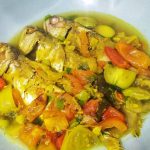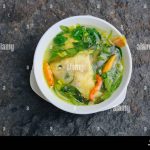
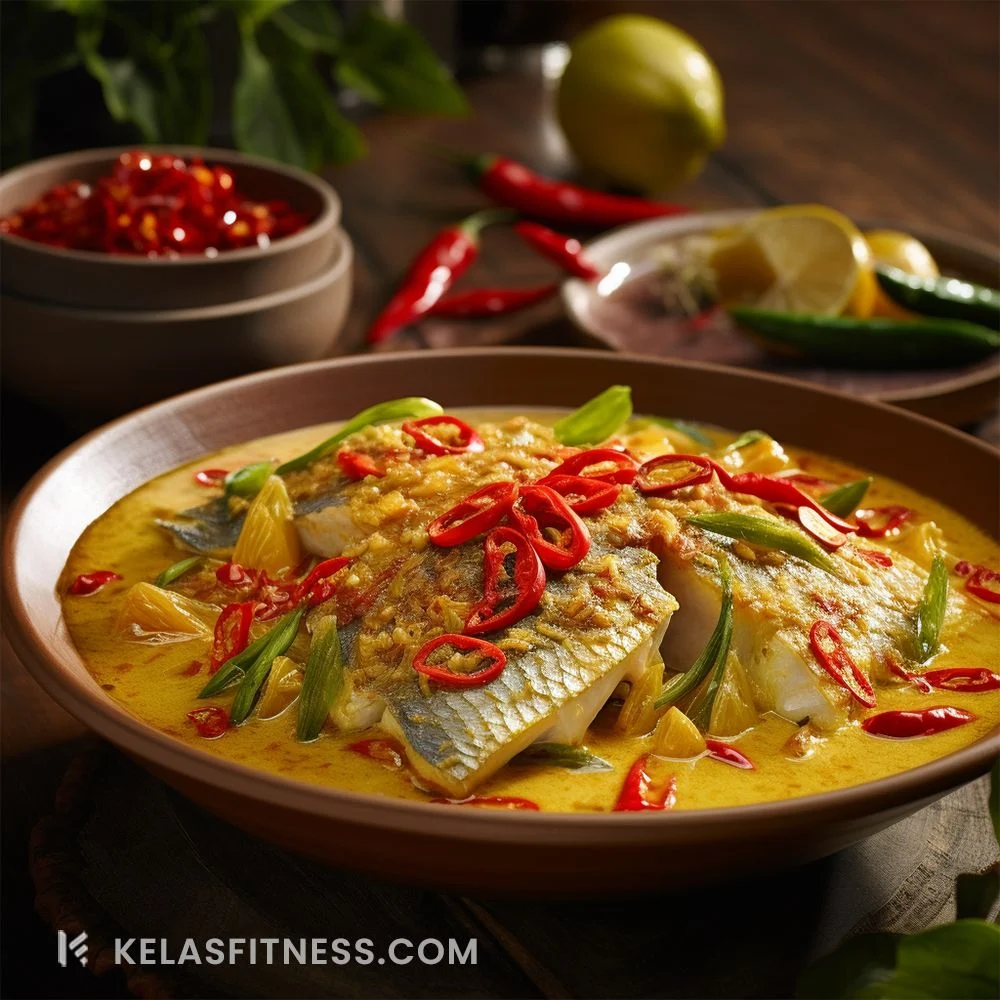

At its heart, this recipe is a celebration of contrasts. The star ingredient, tempoyak, is a fermented durian paste. While durian itself is known for its polarizing aroma and creamy texture, its fermented form offers a distinctly sour, tangy, and umami-rich flavor that is indispensable in many traditional dishes. Paired with the delicate flesh of Ikan Salem (a type of freshwater fish, often a type of carp or catfish, depending on the region) and enveloped in a ‘kuah kuning’ (yellow curry sauce) flavored with fresh turmeric, lemongrass, and chilies, the dish becomes a symphony of tastes and aromas.
Understanding the components is key to appreciating this recipe. Let’s break down the essential elements that contribute to its distinctive character. The foundation of the dish lies in the quality and preparation of its core ingredients.
Tempoyak: The Soul of the Dish
Tempoyak is not merely an ingredient; it’s a cultural cornerstone. Made by fermenting ripe durian flesh for several days, it develops a potent sourness and a complex flavor that is both challenging and addictive. The fermentation process transforms the fruit’s sweetness into a tangy, savory paste that acts as a powerful flavor enhancer. The intensity of the tempoyak can vary, so choosing a good quality paste, or even making your own, is crucial. For those new to tempoyak, starting with a milder paste or using a slightly lesser amount might be advisable, gradually increasing it as your palate adjusts.
Ikan Salem: The Delicate Canvas
Ikan Salem, typically a freshwater fish, provides a neutral yet flavorful canvas for the bold tempoyak and aromatic spices. Its flesh, when cooked, is often tender and flaky, absorbing the surrounding flavors beautifully. While Ikan Salem is traditional, other types of firm white fish, such as catfish, tilapia, or even mackerel, can be used as substitutes if Ikan Salem is unavailable. The key is to select fish that can withstand simmering in the sauce without disintegrating, while still allowing the flavors to penetrate.
Kuah Kuning: The Aromatic Embrace
The ‘kuah kuning’ is where the vibrant color and fragrant aroma of the dish truly come alive. This yellow curry sauce is typically built upon a base of ground spices, with fresh turmeric being the primary contributor to its characteristic hue and earthy flavor. Other essential aromatics include shallots, garlic, ginger, galangal, lemongrass, and chilies. The balance of these spices is critical, creating a sauce that is fragrant, slightly spicy, and deeply savory, complementing rather than overpowering the tempoyak and fish.
The Symphony of Spices and Aromatics
Beyond the core ingredients, a specific blend of spices and aromatics elevates the ‘Kuah Kuning’ to its full potential. Fresh turmeric root provides not only color but also a distinct earthy warmth. Shallots and garlic form the pungent base, while ginger and galangal add layers of spicy zest. Lemongrass brings a bright, citrusy note, cutting through the richness. For heat, fresh red chilies are essential, adjustable to personal preference. Some recipes might also incorporate candlenuts for a richer, creamier texture or shrimp paste (belacan/terasi) for an extra layer of umami.
Preparing the Spice Paste (Bumbu Halus)
The heart of any good ‘Kuah Kuning’ lies in its finely ground spice paste, known as ‘bumbu halus’. This paste is typically made by pounding or blending the shallots, garlic, chilies, ginger, galangal, and turmeric until smooth. Traditionally, a mortar and pestle are used, which yields a superior texture and releases more oils from the spices. However, a food processor or blender can be used for convenience, though it might result in a slightly different consistency.
The Cooking Process: A Layered Approach
The cooking process for ‘Resep Seafood Tempoyak Ikan Salem Kuah Kuning’ is a deliberate, layered approach that ensures each flavor component is properly developed and integrated. It begins with sautéing the spice paste until fragrant, a step that cooks out the raw harshness of the spices and deepens their flavor.
Once the spice paste is aromatic, the tempoyak is introduced. It’s important to sauté the tempoyak briefly with the spices. This step helps to mellow its initial pungency and meld its sour notes with the savory spices, creating a more harmonious flavor profile.
The liquid base for the sauce is typically coconut milk, which provides a rich, creamy texture and a subtle sweetness that balances the sourness of the tempoyak and the heat of the chilies. Water or fish stock can also be used, depending on the desired richness and flavor intensity.
The fish is then added to the simmering sauce. It’s crucial not to overcook the fish. It should be added towards the end of the cooking process and simmered gently until just cooked through, ensuring it remains tender and flaky.
Seasoning is a critical final step. Salt is usually added, but the tempoyak itself is quite salty, so tasting and adjusting is essential. A touch of sugar might be added to balance the sourness and spice, depending on personal preference and the sourness of the tempoyak.
Variations and Regional Differences
Like many traditional dishes, ‘Resep Seafood Tempoyak Ikan Salem Kuah Kuning’ has numerous regional variations. In some areas, other types of seafood, such as prawns or squid, might be incorporated alongside the fish, adding another layer of oceanic flavor and texture. The spice blend can also differ; some might add a pinch of coriander or cumin, while others might opt for a spicier kick by increasing the chili content.
The consistency of the ‘kuah kuning’ can also vary. Some prefer a thicker, richer sauce, often achieved by using more coconut milk or adding ground candlenuts. Others prefer a lighter, brothier consistency, using more water or stock.
Tips for Achieving Authentic Flavor
To achieve an authentic taste, several factors come into play. Firstly, sourcing good quality, well-fermented tempoyak is paramount. If using store-bought, look for brands known for their authentic flavor. Secondly, don’t shy away from the fresh aromatics. Fresh turmeric, lemongrass, galangal, and chilies are essential for that signature vibrant taste and aroma.
Secondly, the cooking technique matters. Sautéing the spice paste and tempoyak thoroughly is crucial for developing deep flavors. Gentle simmering of the fish ensures it remains tender. Finally, taste and adjust. The balance of sour, spicy, savory, and rich is subjective and depends on the specific ingredients used and personal preference.
Serving Suggestions
‘Resep Seafood Tempoyak Ikan Salem Kuah Kuning’ is traditionally served hot with steamed white rice. The fluffy rice acts as a perfect vehicle to soak up the flavorful broth. A side of fresh vegetables, such as cucumber slices or blanched long beans, can provide a refreshing counterpoint to the richness of the dish.
Garnishes can further enhance the dish. Fresh cilantro, sliced red chilies, or a squeeze of lime juice can add brightness and visual appeal. Some might also enjoy a sprinkle of fried shallots for added crunch and aroma.
The Cultural Significance
Beyond its culinary appeal, this dish holds significant cultural importance, particularly in regions where durian is abundant. Tempoyak is a testament to the ingenuity of preserving food and transforming humble ingredients into complex flavors. It’s a dish often associated with home cooking, family gatherings, and the comforting tastes of tradition.
The integration of tempoyak into savory dishes like this ‘Kuah Kuning’ highlights the versatility of durian, moving beyond its role as a dessert fruit. It showcases how fermentation can unlock new dimensions of flavor, creating a culinary experience that is both unique and deeply satisfying.
Nutritional Considerations
While indulging in this flavorful dish, it’s worth noting its nutritional profile. Fish is an excellent source of lean protein and omega-3 fatty acids. Coconut milk contributes healthy fats, though it should be consumed in moderation. The fresh herbs and spices, particularly turmeric, are packed with antioxidants and possess various health benefits, including anti-inflammatory properties.
Tempoyak itself, being a fermented food, may offer some probiotic benefits, although scientific research in this specific area is ongoing. As with any dish, enjoying it as part of a balanced diet is key.
Troubleshooting Common Issues
One common issue is an overly pungent or sour tempoyak. If your tempoyak is too strong, you can try using less of it, or balance its flavor with a bit more coconut milk or a touch of sweetness (sugar or palm sugar). Ensure you sauté the tempoyak well with the spices to mellow its intensity.
Another potential problem is a bland sauce. This can often be rectified by ensuring all the aromatics in the ‘bumbu halus’ are fresh and potent, and that they are sautéed until deeply fragrant. Adding a pinch of shrimp paste can also boost the umami significantly.
Overcooked fish is another pitfall. Remember to add the fish only when the sauce is already simmering and cook it gently until just opaque. The residual heat will continue to cook it slightly after it’s removed from the heat.
A Deeper Dive into Ikan Salem
The choice of ‘Ikan Salem’ is often dictated by its availability in local markets. In many parts of Southeast Asia, this term can refer to various species of carp or catfish. These fish are prized for their firm texture and ability to absorb flavors, making them ideal for curries and braised dishes. If ‘Ikan Salem’ is unavailable, consider fish like seabass, snapper, or even firm tofu for a vegetarian alternative.
Exploring the Aromatics Further
The aromatic complexity of ‘Kuah Kuning’ is a defining characteristic. Fresh turmeric, with its vibrant orange flesh, is indispensable. It imparts a beautiful golden hue and a warm, earthy flavor that is distinct from dried turmeric powder. Galangal, a rhizome related to ginger, offers a sharper, more peppery, and pine-like flavor. Lemongrass, when bruised or pounded, releases its fragrant citrusy oils, adding a refreshing zest that cuts through the richness of the sauce.
The Art of Fermentation: Tempoyak Explained
The fermentation of durian into tempoyak is a traditional method of preservation and flavor enhancement. Ripe durian flesh is packed into an airtight container and allowed to ferment naturally for several days, typically 3 to 5 days, depending on the desired level of sourness. During this process, natural yeasts and bacteria convert sugars into acids, resulting in the characteristic sour and tangy flavor. The process also mellows the intense sweetness of fresh durian, transforming it into a complex savory ingredient.
Seafood Tempoyak Beyond Fish
While ‘Ikan Salem’ is traditional, the concept of ‘Seafood Tempoyak’ can extend to other marine or freshwater delicacies. Prawns, squid, or even mussels can be incorporated into a similar ‘Kuah Kuning’ base, each bringing its unique texture and flavor to the dish. The key is to adjust cooking times according to the type of seafood used to prevent overcooking.
A Taste of Home: Comfort Food in Southeast Asia
Dishes like ‘Resep Seafood Tempoyak Ikan Salem Kuah Kuning’ are more than just meals; they are often deeply personal and evoke strong memories of home and family. The pungent aroma of tempoyak, the fragrant spices, and the tender fish combine to create a comforting and satisfying culinary experience that is cherished across generations.
Conclusion: A Culinary Adventure Awaits
Embarking on the journey of preparing ‘Resep Seafood Tempoyak Ikan Salem Kuah Kuning’ is an invitation to explore the depth and diversity of Southeast Asian flavors. It’s a dish that rewards patience and adventurous palates, offering a unique blend of sour, spicy, savory, and aromatic notes that are truly unforgettable. Whether you are a seasoned cook or a curious novice, this recipe promises a culinary adventure that will delight your senses and deepen your appreciation for the region’s rich gastronomic heritage.