
This dish is more than just a meal; it’s a cultural artifact, a testament to the ingenuity of Indonesian culinary traditions, particularly those found in the regions of Sumatra, such as Palembang and Jambi. The combination of grilled fish and tempoyak might sound unusual to the uninitiated, but for those who appreciate bold and complex flavors, it’s an unforgettable experience.
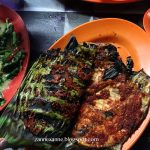
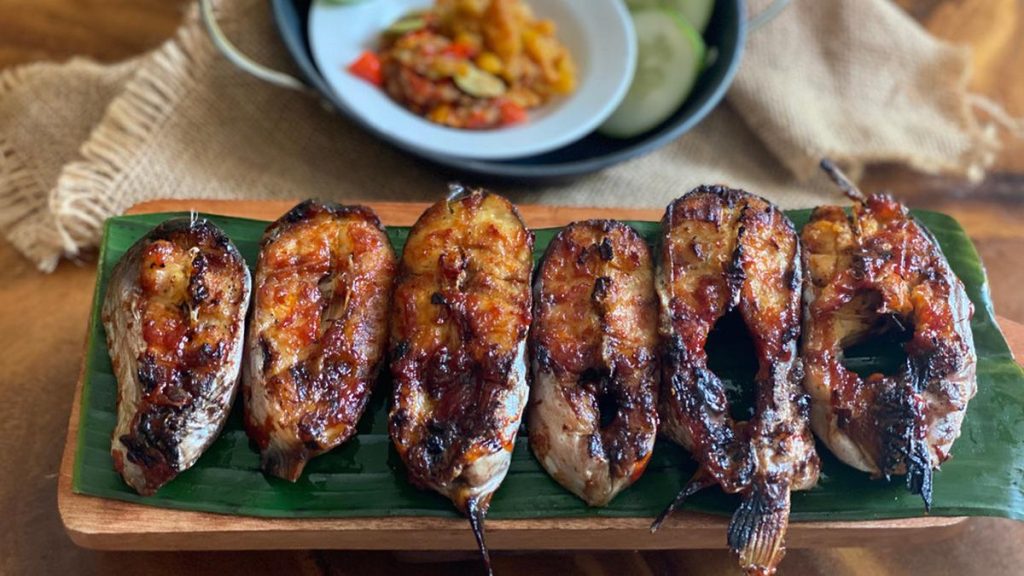
At its heart, ‘Ikan Patin Bakar’ refers to grilled catfish. Catfish, or ‘ikan patin’ in Indonesian, is a freshwater fish prized for its tender, flaky flesh and relatively mild flavor, which makes it an excellent canvas for absorbing marinades and spices. Grilling (‘bakar’) imparts a smoky char and a delightful texture to the fish, enhancing its natural sweetness.
The true star, however, that elevates this dish from simple grilled fish to a culinary adventure is the ‘Tempoyak.’ Tempoyak is a fermented condiment made from durian, the king of fruits, mixed with salt and left to ferment for several days or even weeks. This fermentation process transforms the sweet, creamy durian into a pungent, sour, and intensely aromatic paste. It’s a flavor profile that is acquired, much like strong cheeses or fermented fish in other cultures, and is deeply loved by many Indonesians.
The origin of Tempoyak is believed to be rooted in the need for food preservation in regions where durian is abundant. The fermentation process not only preserves the fruit but also creates a unique condiment that adds a distinctive umami and tangy depth to dishes. It is particularly popular in Sumatra, where it is often served as a side condiment or incorporated directly into main courses.
Combining the smoky, succulent grilled catfish with the bold, tangy, and aromatic tempoyak creates a symphony of flavors that is both challenging and rewarding. The richness of the fish is cut through by the acidity of the tempoyak, while the subtle sweetness of the grilled fish balances the pungent notes of the fermented durian.
To prepare this dish, one begins with selecting the freshest ikan patin. Whole fish or thick steaks are ideal. The fish is typically cleaned thoroughly, and sometimes scored to allow marinades to penetrate deeper. The marinade is crucial and often includes a blend of aromatic ingredients such as shallots, garlic, turmeric, ginger, galangal, lemongrass, and chili peppers. These are usually ground into a paste, known as ‘bumbu halus,’ which forms the flavor base of many Indonesian dishes.
The bumbu halus is then mixed with other seasonings like salt, sugar, and often a touch of tamarind paste for extra tanginess. Some recipes might also incorporate candlenuts for richness or shrimp paste (terasi) for an added layer of umami, though the latter might be omitted if the pungency of the tempoyak is already considered sufficient.
The prepared ikan patin is then generously coated with this flavorful marinade. It’s often left to marinate for at least 30 minutes, or even longer in the refrigerator, to allow the spices to fully infuse the fish. Patience during this marination stage is key to achieving a deeply flavorful result.
Once marinated, the fish is ready for grilling. Traditionally, this is done over charcoal embers, which impart the most authentic smoky flavor. The fish is carefully placed on a grill rack and cooked until it’s thoroughly cooked through and develops a beautiful char on the outside. The grilling process should be monitored to prevent the fish from drying out, basting with a little oil or the remaining marinade can help keep it moist.
While the fish is grilling, the tempoyak is prepared. High-quality, well-fermented tempoyak is essential. If using fresh durian, it would need to be fermented beforehand, a process that requires careful attention to hygiene and timing. For most home cooks, purchasing pre-made tempoyak from reputable sources is more practical. The tempoyak is often sautéed briefly with aromatics like shallots, garlic, and chilies, sometimes with a little shrimp paste, to mellow its pungency and further develop its flavor.
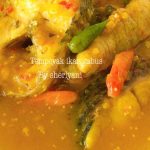
This sautéed tempoyak, often referred to as ‘sambal tempoyak,’ is then served as a condiment alongside the grilled ikan patin. Alternatively, some recipes involve mixing the tempoyak directly into the marinade for the fish before grilling, creating a more integrated flavor profile where the tempoyak’s essence is infused into the fish itself during the cooking process.
The presentation of Resep Seafood Tempoyak Ikan Patin Bakar is typically simple yet vibrant. The grilled fish, with its glistening, charred exterior, is often garnished with fresh herbs like cilantro or spring onions. The sambal tempoyak is served in a separate small bowl, allowing diners to control the amount they mix with their fish.
Accompanying the main dish are essential Indonesian staples. Steamed white rice is a non-negotiable accompaniment; its neutral flavor acts as a perfect counterpoint to the strong flavors of the fish and tempoyak. Fresh vegetables, such as cucumber slices, blanched long beans, or water spinach (kangkung), are often served to provide freshness and a textural contrast.
The experience of eating this dish is a journey for the palate. The first bite of the smoky, tender catfish is followed by the pungent, sour, and slightly spicy kick of the tempoyak. It’s a bold combination that awakens the senses and leaves a lasting impression. The heat from the chilies, the tang from the fermentation, and the savory notes from the fish all work in harmony.
For those new to tempoyak, it’s advisable to start with a small amount. The flavor is intense and can be an acquired taste. However, for adventurous eaters, it offers a depth of flavor that is unparalleled. The fermentation process breaks down the durian’s sugars and proteins, creating complex esters and acids that contribute to its unique aroma and taste.
Variations of this dish exist across different regions and households. Some might prefer a milder tempoyak, while others embrace the full-blown pungency. The choice of fish can also vary; while ikan patin is traditional, other firm-fleshed fish like tilapia or snapper can be used, though they might offer a slightly different texture and flavor profile.
The grilling method can also be adapted. While charcoal grilling is preferred for its authentic flavor, oven grilling or pan-searing can be used as alternatives. However, these methods may not fully replicate the smoky char that is characteristic of ‘ikan bakar’.
Beyond the main preparation, the accompanying sambal can also be customized. Some might add more chilies for heat, a touch of sugar for sweetness, or even lime juice for extra brightness. The goal is to create a condiment that complements, rather than overpowers, the grilled fish.
The health benefits of this dish are also worth noting. Fish, especially catfish, is a good source of lean protein and omega-3 fatty acids, which are beneficial for heart and brain health. While durian itself is rich in carbohydrates and healthy fats, the fermentation process might also introduce beneficial probiotics, though this is less studied in the context of tempoyak.
The cultural significance of Resep Seafood Tempoyak Ikan Patin Bakar cannot be overstated. It represents a connection to ancestral culinary practices and a celebration of local ingredients. Sharing this dish with family and friends is a cherished tradition, fostering a sense of community and shared heritage.
For chefs and home cooks alike, mastering this recipe offers a gateway into the sophisticated world of Indonesian cuisine. It encourages an exploration of fermented ingredients and the art of balancing bold flavors. The journey of preparing and savoring this dish is as enriching as the taste itself.
The aroma that fills the kitchen as the ikan patin grills and the tempoyak simmers is intoxicating – a blend of smoky char, fragrant spices, and the unmistakable, pungent aroma of fermented durian. It’s a scent that signals a truly authentic Indonesian feast is underway.
When sourcing ingredients, look for fresh, firm catfish. For tempoyak, if you’re not in Southeast Asia, it might be found in specialty Asian markets. If you can’t find it, or are hesitant to try durian fermentation, you might find recipes for a simplified version using fresh durian mixed with chili and lime, though it won’t have the same depth of flavor as the fermented version.
The process of making sambal tempoyak often involves pounding the ingredients in a mortar and pestle, a traditional method that helps to release their essential oils and create a more rustic texture. This hands-on approach adds to the authenticity of the dish.
Consider the balance of flavors. The goal is not for the tempoyak to overwhelm the fish, but to create a harmonious interplay. If the tempoyak is particularly strong, you might want to serve it with less fish, or dilute it slightly with a bit of lime juice or a touch of sugar.
Serving this dish is an event. It’s often prepared for special occasions, family gatherings, or when guests are being honored. The effort and unique ingredients signal a special treat.
Exploring different regional variations of tempoyak is also fascinating. Some might add anchovies for extra saltiness, while others might use different types of chilies to adjust the heat level. The fundamental process of fermenting durian remains, but the seasonings applied around it can vary widely.
The texture of the grilled catfish should be flaky and moist, with a slight chewiness from the char. The tempoyak, when sautéed, should have a thick, paste-like consistency. The contrast in textures between the fish and the condiment is crucial for a satisfying culinary experience.
In conclusion, ‘Resep Seafood Tempoyak Ikan Patin Bakar’ is a dish that embodies the spirit of Indonesian culinary innovation and tradition. It’s a bold, flavorful, and culturally rich experience that challenges the palate and rewards the adventurous eater with a taste of authentic Southeast Asian heritage. It’s a must-try for anyone seeking to delve deeper into the complex and captivating world of Indonesian cuisine.
:strip_icc():format(jpeg)/kly-media-production/medias/4198945/original/005171900_1666330213-shutterstock_1815618227.jpg "Resep Seafood Tempoyak Ikan Patin Bakar: A Culinary Journey into Authentic Indonesian Flavors")