
At its heart, this dish is a celebration of fermentation, a technique deeply ingrained in the food cultures of Southeast Asia. Tempoyak, the star ingredient, is essentially fermented durian. Ripe durian flesh is packed into a container and left to ferment for several days, developing a pungent aroma and a complex, tangy, and slightly sweet flavor profile. This fermentation process not only preserves the fruit but also transforms its character, making it a versatile ingredient in savory dishes.
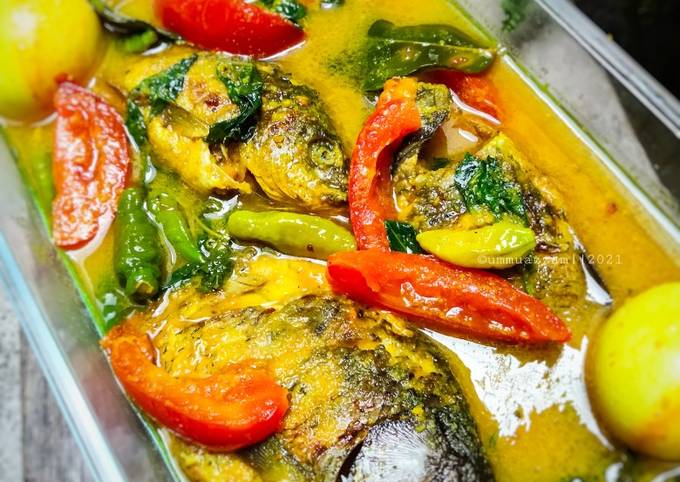
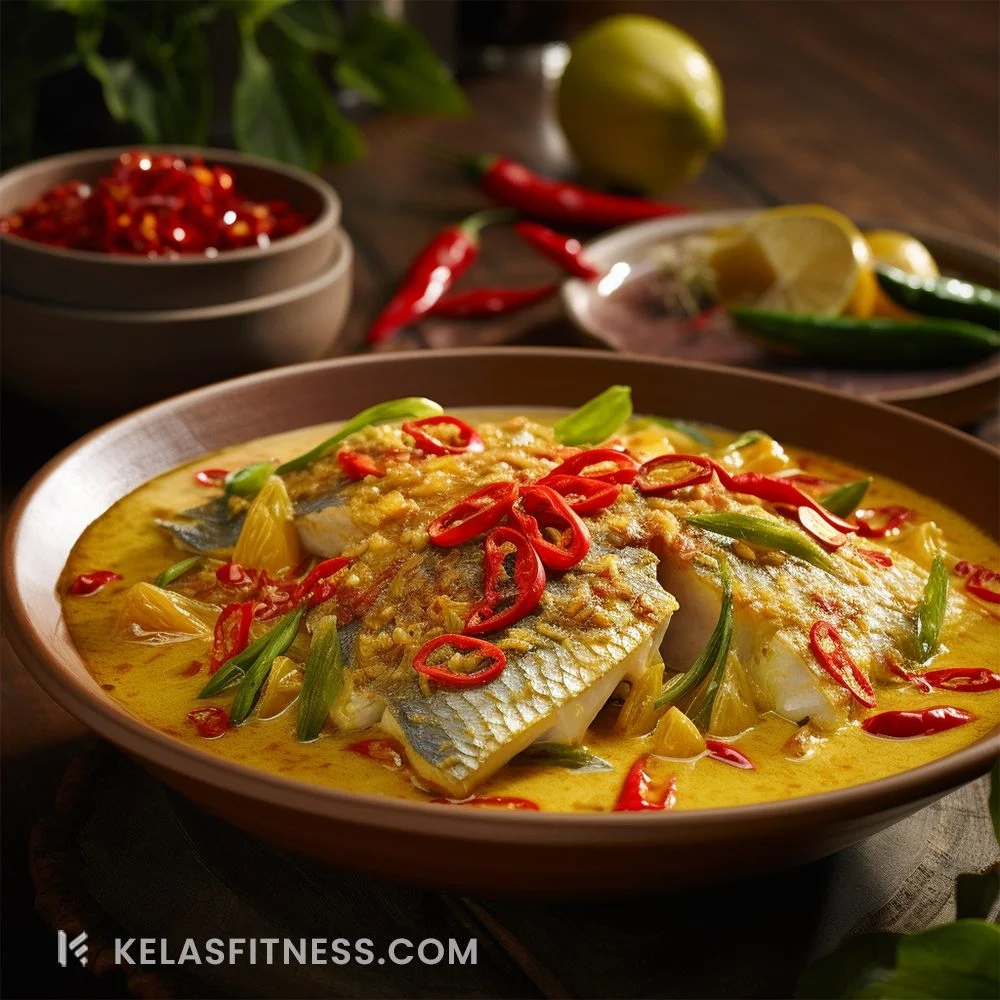
The ‘Ikan Mas’, or golden tilapia, is the traditional choice of fish for this recipe. Its firm, white flesh holds up well to the robust flavors of the tempoyak and spices, absorbing the delicious kuah kuning (yellow broth) beautifully. While tilapia is common, other freshwater fish like catfish or carp can also be used, each lending its own subtle characteristics to the final dish.
The ‘Kuah Kuning’ is the soul of the broth, a vibrant yellow concoction derived from a blend of fresh turmeric, chilies, shallots, garlic, galangal, lemongrass, and other aromatic spices. This spice paste, often ground using a mortar and pestle for the most authentic texture and flavor release, is sautéed until fragrant before the addition of water or coconut milk to create the luscious broth.
The interplay between the fermented tang of the tempoyak and the rich, savory, and slightly spicy yellow broth is what defines this dish. It’s a bold flavor combination that might seem unusual at first, but it creates a harmonious balance that is incredibly addictive. The initial pungency of the tempoyak mellows as it cooks, infusing the broth with its unique umami depth.
Preparing ‘Tempoyak Ikan Mas Kuah Kuning’ is a labor of love, often a communal activity that brings families together. The process begins with preparing the tempoyak. For those new to it, store-bought tempoyak is readily available in many Asian markets. However, for the truly adventurous, making it at home involves selecting ripe durian, removing the seeds, and packing the flesh tightly into a clean, sterilized jar, allowing it to ferment at room temperature for 3 to 5 days, or longer for a more intense flavor.
Once the tempoyak is ready, the focus shifts to the spice paste. The aromatics – turmeric, chilies, shallots, garlic, galangal, lemongrass, and sometimes belacan (shrimp paste) – are meticulously prepared. For the best results, the turmeric should be fresh, providing a vibrant color and earthy flavor. The chilies can be adjusted to control the heat level, ranging from mild to fiery.
The process of grinding the spice paste is crucial. Traditionally, a stone mortar and pestle are used. This method breaks down the ingredients effectively, releasing their essential oils and creating a paste with a superior texture and aroma compared to blended versions. The patience involved in grinding contributes to the depth of flavor in the final dish.
With the spice paste ready, it’s time to sauté it in a generous amount of oil. This step, known as ‘menumis’, is vital for cooking out the raw taste of the spices and unlocking their full flavor potential. The paste is cooked until it darkens slightly and the oil separates, indicating that it’s perfectly caramelized and fragrant.
Next, the tempoyak is added to the sautéed spice paste. This is where the magic begins. The pungent aroma of the fermented durian mingles with the spices, creating an intoxicating scent. The mixture is stirred well, allowing the tempoyak to break down slightly and meld with the paste.
Water or a light coconut milk is then introduced to form the ‘kuah kuning’. The liquid is brought to a simmer, allowing the flavors to meld and the broth to thicken slightly. This is the stage where the dish starts to take its characteristic form.
The ‘Ikan Mas’ is then carefully placed into the simmering broth. It’s important not to overcrowd the pan, ensuring that the fish is submerged and cooks evenly. The fish is allowed to poach gently in the flavorful broth until it’s cooked through and flakes easily.
Seasoning is a critical step. Salt is added to taste, and sometimes a touch of sugar is used to balance the tanginess of the tempoyak and the spiciness of the chilies. Some variations also include a splash of tamarind juice for an extra layer of sourness, or a squeeze of lime for brightness.
Garnishes play an important role in elevating the dish. Fresh herbs like Vietnamese mint (daun kesum) or basil leaves are often added towards the end of cooking, imparting a fresh, aromatic finish. Sliced chilies and a sprinkle of chopped spring onions can also be added for visual appeal and an extra kick.
The serving of ‘Tempoyak Ikan Mas Kuah Kuning’ is typically accompanied by steamed white rice. The fluffy grains are the perfect canvas to soak up the rich, flavorful broth and complement the tender fish. The contrast in textures and flavors between the rice and the dish is essential to the dining experience.
This dish is more than just a meal; it’s a cultural emblem. It represents the resourcefulness and culinary ingenuity of the Malay people, who have mastered the art of transforming humble ingredients into extraordinary flavors. The use of tempoyak, in particular, speaks to a deep understanding of fermentation and its ability to enhance and preserve food.
Variations of this dish exist across different regions and families. Some prefer a richer, creamier broth made with full-fat coconut milk, while others opt for a lighter, more watery broth. The type and quantity of chilies used can vary greatly, catering to different spice preferences. Some might add other seafood elements, such as prawns or squid, to create a ‘Seafood Tempoyak’ variation, though ‘Ikan Mas’ remains the classic choice.
The aroma of ‘Tempoyak Ikan Mas Kuah Kuning’ as it cooks is unmistakable and deeply evocative for many who grew up with it. It conjures memories of family gatherings, festive occasions, and the comforting embrace of home-cooked meals.
Beyond its deliciousness, the dish also offers nutritional benefits. Fish is a great source of protein and omega-3 fatty acids. The spices used, such as turmeric and galangal, are known for their anti-inflammatory and antioxidant properties. While the tempoyak itself is high in probiotics due to fermentation, it’s also relatively high in sodium.
For those unfamiliar with tempoyak, its strong aroma can be an acquired taste. However, persistence is often rewarded. The complex flavor profile, a blend of savory, tangy, spicy, and subtly sweet notes, is truly unique and unlike anything else in the culinary world. It’s a testament to the adventurous spirit of Malay cuisine.
The preparation process itself can be a mindful experience. The rhythmic pounding of the mortar and pestle, the fragrant sizzle of spices in hot oil, and the gentle bubbling of the broth all contribute to a sensory journey that culminates in a deeply satisfying meal.
When cooking the fish, it’s important to ensure it is cooked through but not overcooked, which can lead to a dry and tough texture. The fish should be tender and moist, easily separating from the bone.
The quality of the ingredients is paramount. Fresh, good-quality durian is essential for making authentic tempoyak. Similarly, fresh turmeric and chilies will yield a more vibrant and flavorful kuah kuning.
Serving this dish with a variety of accompaniments can enhance the dining experience. Pickled vegetables, fresh cucumber slices, or sambal belacan can offer contrasting textures and flavors that complement the richness of the tempoyak fish.
The history of tempoyak itself is fascinating, dating back centuries as a method of preserving the seasonal bounty of durian. This preservation technique allowed communities to enjoy the fruit long after its harvesting season had passed, showcasing an early form of food science.
In modern kitchens, shortcuts can be taken. Pre-ground spice pastes are available, and even pre-made tempoyak can save time. However, for the most authentic and rewarding experience, the traditional methods of grinding spices and preparing tempoyak from scratch are highly recommended.
The ‘Resep Seafood Tempoyak Ikan Mas Kuah Kuning’ is a dish that embodies the spirit of Malay culinary tradition – bold, flavorful, and deeply rooted in history and culture. It’s an adventure for the palate, a journey into the heart of Southeast Asian flavors.
Understanding the role of each component is key to appreciating this dish. The tempoyak provides the signature tang and umami. The ‘ikan mas’ offers a delicate, flaky texture. The ‘kuah kuning’ binds everything together with its aromatic spices and vibrant color. And the rice serves as the perfect vehicle to deliver all these incredible flavors.
This dish is often enjoyed during special occasions and family meals, signifying its importance in cultural celebrations. It’s a dish that brings people together, fostering connection and shared culinary heritage.
For those seeking to explore authentic Malay cuisine, ‘Tempoyak Ikan Mas Kuah Kuning’ is an indispensable experience. It challenges perceptions, delights the senses, and offers a profound connection to a rich culinary tradition.
The lingering taste of the tempoyak, combined with the warmth of the spices, creates a memorable aftertaste that keeps diners coming back for more. It’s a flavor profile that is both challenging and immensely rewarding.
Ultimately, this recipe is an invitation to explore the depths of Southeast Asian flavors. It’s a dish that celebrates the unique ingredients and time-honored techniques that define the region’s vibrant food culture. Embrace the adventure, and savor the taste of tradition.