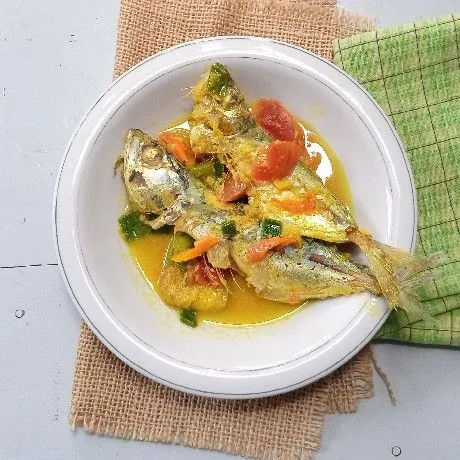
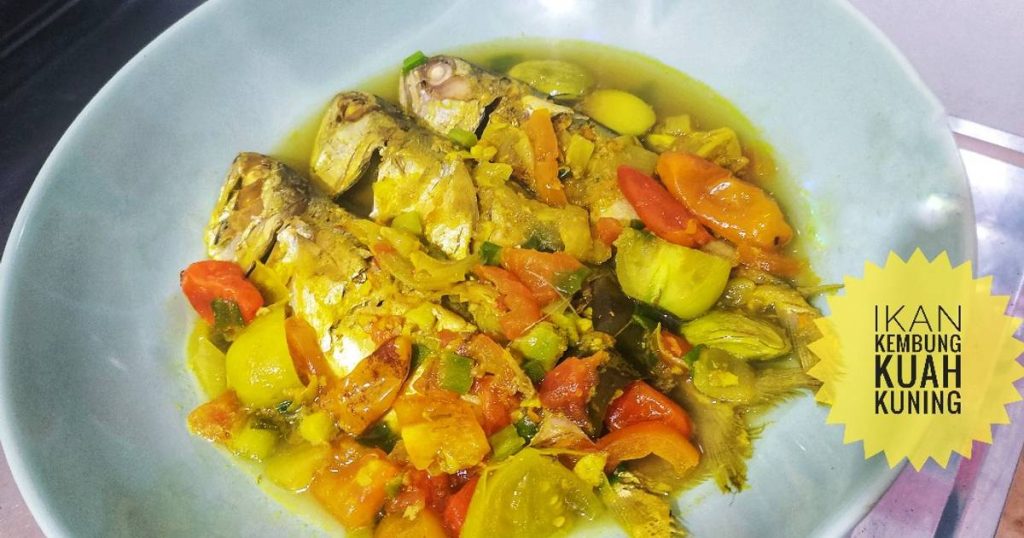

This dish is not merely a meal; it’s a cultural narrative. Tempoyak, the fermented durian paste, is a staple in the cuisines of Sumatra and Borneo, particularly among the Malay and Dayak communities. Its intense, acquired taste is a testament to the ingenuity of preserving food and developing unique flavor profiles. When combined with the sweetness of mackerel and the fragrant spices of Indonesian cooking, tempoyak transforms into a delightful umami bomb that tantalizes the palate.
The ‘ikan kembung,’ or Indian mackerel, is a popular fish in Southeast Asia due to its affordability, availability, and rich, oily flesh that holds up well to various cooking methods. Its natural sweetness provides a perfect counterpoint to the assertive flavor of tempoyak, creating a balanced and harmonious dish. The addition of ‘kuah kuning’ elevates it further, infusing the ingredients with a complex blend of turmeric, ginger, galangal, garlic, shallots, and chilies, creating a visually appealing and aromatically captivating broth.
Embarking on the preparation of Resep Seafood Tempoyak Ikan Kembung Kuah Kuning requires an understanding of each component. The tempoyak itself is the most distinctive element. Traditionally, ripe durian is fermented for several days or weeks, resulting in a paste with a strong, pungent aroma and a sour, slightly sweet, and savory taste. The quality and fermentation stage of the tempoyak will significantly influence the final flavor profile of the dish. It’s crucial to source good quality tempoyak, or if adventurous, to ferment your own durian.
For those new to tempoyak, it’s advisable to start with a smaller amount and adjust to your preference. The fermentation process can vary, leading to different levels of pungency and sourness. Some prefer a milder, freshly fermented tempoyak, while others enjoy the more intense flavor of a longer-fermented variety. Tasting the tempoyak before adding it to the dish is a key step in achieving the desired balance.
The choice of fish is also critical. Ikan kembung, with its firm texture and rich flavor, is ideal. However, other oily fish like sardines or even certain types of snapper can be used as alternatives, though the authentic taste will be best achieved with mackerel. Ensure the fish is fresh, with clear eyes and firm flesh, indicating its quality.
The ‘kuah kuning’ forms the soul of the broth. The vibrant yellow color comes from turmeric, which not only imparts a beautiful hue but also offers its earthy, slightly peppery notes. The supporting aromatics are equally vital: ginger for its zesty warmth, galangal for a sharper, more medicinal flavor, garlic and shallots for their pungent sweetness, and a medley of chilies to provide a customizable level of heat. These ingredients are typically ground into a paste and sautéed to release their full fragrance before the liquid base is added.
The process begins with preparing the spice paste, known as ‘bumbu halus.’ This involves finely grinding or blending turmeric, ginger, galangal, garlic, shallots, and chilies. The ratio of these spices can be adjusted based on personal preference for heat and aroma. Some recipes might also include candlenuts for richness and a smoother texture, or coriander seeds for an added layer of complexity.
Once the spice paste is ready, it’s sautéed in oil until fragrant and the raw aroma dissipates. This step is crucial for developing the depth of flavor in the kuah kuning. Following this, the tempoyak is added and sautéed briefly with the spice paste. This allows the tempoyak to meld with the spices and mellows its raw pungency slightly.
The liquid base for the broth is typically water or sometimes coconut milk for added richness. Coconut milk can lend a creamier texture and a subtle sweetness that complements the other flavors. The choice between water and coconut milk depends on the desired consistency and richness of the final dish.
The mackerel pieces are then gently added to the simmering broth. It’s important not to overcook the fish, as it can become dry and crumbly. The fish should be cooked just until opaque and flaky, absorbing the flavors of the broth while retaining its succulence.
Other seafood elements can also be incorporated to enhance the ‘seafood’ aspect of the dish. Prawns, squid, or even clams can be added towards the end of the cooking process, as they require shorter cooking times. This allows for a more diverse texture and flavor profile within the dish, making it a true seafood medley.
Seasoning is a delicate dance. Salt is essential, but the tempoyak itself contributes significant saltiness and umami. Therefore, it’s crucial to taste and adjust the salt carefully. A touch of sugar can sometimes be added to balance the sourness of the tempoyak and the heat of the chilies, rounding out the flavors.
The finishing touches often involve fresh herbs and aromatics. A sprig of lemongrass, kaffir lime leaves, or a bay leaf can be added during the simmering process to infuse the broth with their distinct fragrances. Fresh cilantro or spring onions can be used as a garnish for added freshness and visual appeal.
Serving Resep Seafood Tempoyak Ikan Kembung Kuah Kuning is traditionally done with steamed white rice. The fluffy, neutral rice acts as the perfect canvas to absorb the rich, flavorful broth and complement the diverse textures of the seafood and the assertive tempoyak.
Accompanying side dishes can enhance the dining experience. A simple stir-fried vegetable like water spinach (kangkung) or bean sprouts, or a crisp cucumber salad, can provide a refreshing contrast to the richness of the main dish.
The aroma that emanates from a pot of simmering Tempoyak Ikan Kembung Kuah Kuning is intoxicating. It’s a complex bouquet of pungent durian, earthy turmeric, zesty ginger, sharp galangal, and the underlying sweetness of the fish and broth. This olfactory invitation is often the first hint of the culinary adventure that awaits.
For many, the first encounter with tempoyak can be surprising. Its unique flavor profile is an acquired taste, often described as a love-it-or-hate-it experience. However, for those who appreciate its complexity, it offers a depth of flavor that is unparalleled in conventional cooking. It’s a testament to culinary bravery and the exploration of unique ingredients.
The preparation of this dish is also an exercise in patience and technique. Achieving the right balance of spices, the perfect consistency of the broth, and the tender, flaky texture of the fish requires attention to detail. Each step, from grinding the spices to simmering the fish, plays a crucial role in the final outcome.
Variations of this dish exist across different regions and households. Some might prefer a spicier version, loading up on chilies, while others might opt for a milder, more coconut-milk-rich broth. The use of specific herbs and spices can also vary, reflecting local culinary preferences and ingredient availability.
The nutritional benefits of the ingredients are also noteworthy. Turmeric is known for its anti-inflammatory properties, ginger aids digestion, and the fish provides essential omega-3 fatty acids and protein. While tempoyak’s fermentation process can be a source of probiotics, its nutritional profile is largely influenced by the durian itself.
For home cooks looking to recreate this dish, sourcing high-quality ingredients is paramount. Fresh fish, vibrant turmeric, and well-fermented tempoyak will make a significant difference. If fresh turmeric is unavailable, good quality turmeric powder can be used, though the color and aroma might be slightly less intense.
When it comes to tempoyak, its pungency can be a deterrent for some. If you find the aroma too strong, consider sautéing it for a slightly longer period with the spice paste, or using a smaller quantity initially. Alternatively, some recipes suggest rinsing the tempoyak briefly to reduce its intensity, though this might also diminish some of its characteristic flavor.
The integration of ‘seafood’ beyond just ikan kembung allows for a more luxurious and varied dish. Adding succulent prawns, tender squid rings, or briny clams introduces different textures and flavors, transforming a simple fish curry into a more elaborate culinary creation. These additions should be timed carefully to avoid overcooking.
The concept of ‘kuah kuning’ is widespread in Indonesian cuisine, forming the base for many curries and stews. However, the addition of tempoyak gives it a unique twist, elevating it from a familiar flavor profile to something more exotic and adventurous. It’s a brilliant example of how a single ingredient can dramatically alter the character of a dish.
The cultural significance of tempoyak extends beyond its culinary use. It’s a symbol of resourcefulness and a connection to ancestral food preservation techniques. Sharing a meal featuring tempoyak is often an act of hospitality and a way to introduce guests to the authentic flavors of a region.
Mastering this recipe can be a journey of culinary discovery. It encourages experimentation with spice levels, liquid bases, and the inclusion of various seafood. The goal is to find a personal balance that highlights the unique interplay between the pungent tempoyak, the savory fish, and the aromatic kuah kuning.
In conclusion, Resep Seafood Tempoyak Ikan Kembung Kuah Kuning is more than just a recipe; it’s an invitation to explore the vibrant and complex flavors of Indonesian cuisine. It’s a dish that rewards the adventurous palate with a symphony of tastes and aromas, offering a glimpse into the rich culinary heritage of the Indonesian archipelago.
The process of making this dish can be a meditative one, involving the careful preparation of spices, the gentle cooking of ingredients, and the anticipation of the final flavorful result. It’s a culinary experience that engages all the senses, from the initial aroma to the last satisfying bite.
Ultimately, the success of this dish lies in its ability to balance strong, distinct flavors into a cohesive and delicious whole. The pungent, fermented notes of tempoyak, the fresh brininess of the seafood, and the warm, aromatic spices of the kuah kuning all converge to create a truly memorable meal.