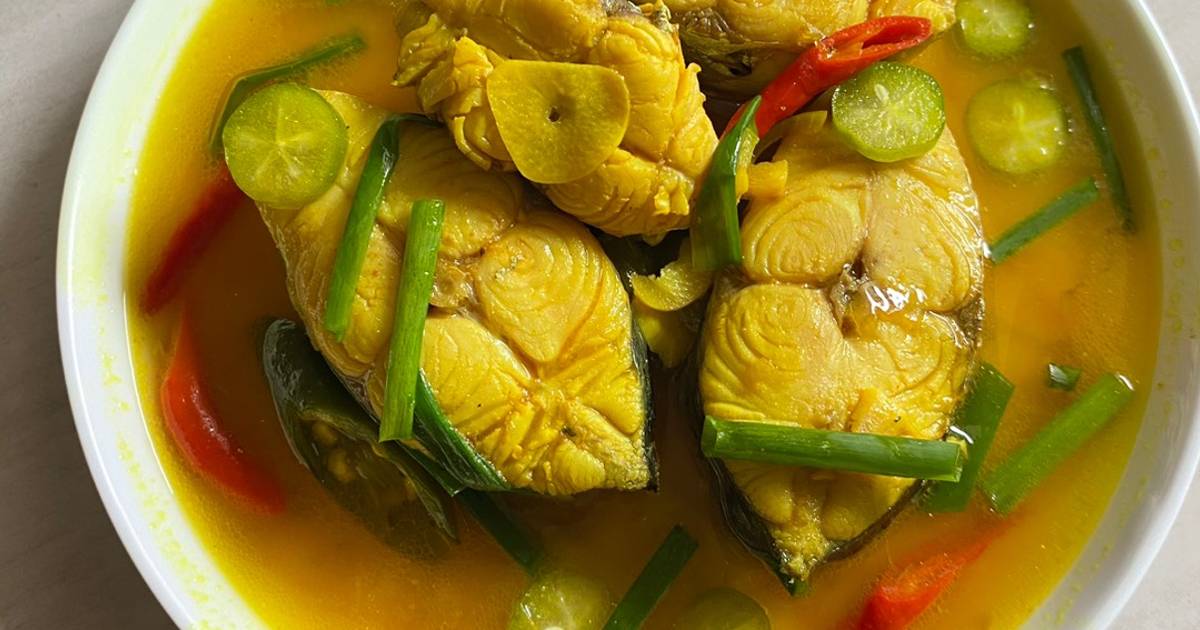
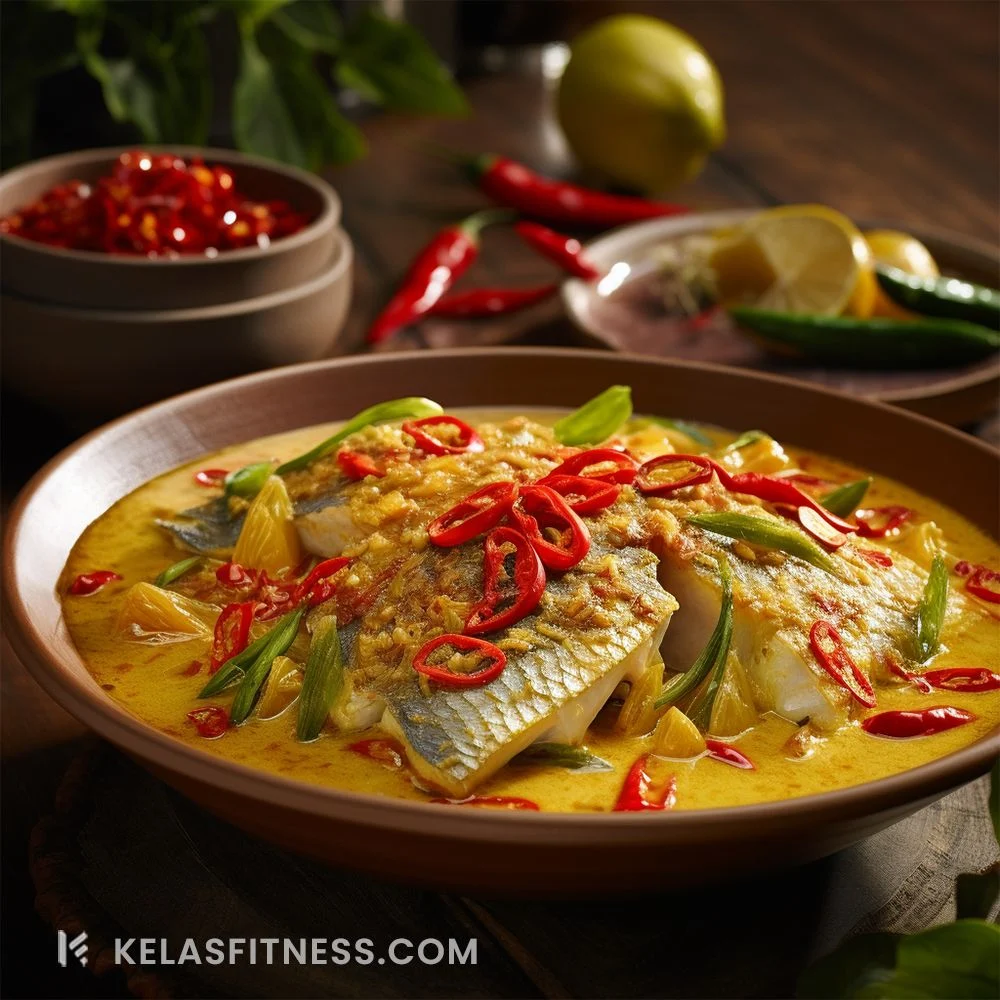

At its heart, this dish is defined by its three key components: tempoyak, ikan gabus (snakehead fish), and kuah kuning (yellow curry). Understanding each element is crucial to appreciating the complexity and depth of flavor that characterizes this unique preparation.
Tempoyak, the most distinctive ingredient, is essentially fermented durian. Durian, often dubbed the ‘king of fruits,’ is known for its potent aroma and creamy, custard-like flesh. When durian is allowed to ferment for several days, it develops a sour, tangy, and intensely savory profile, losing some of its original sweetness but gaining a complex umami character. This fermentation process, often achieved by sealing durian pulp with salt and allowing it to rest, transforms the fruit into a condiment or a base for various dishes, with ‘Tempoyak Ikan Gabus Kuah Kuning’ being one of its most celebrated applications.
Ikan Gabus, or snakehead fish, is the protein of choice for this dish. This freshwater fish is widely available in Indonesia and is prized for its firm, white flesh that holds up well during cooking. Snakehead fish has a mild, slightly sweet flavor that readily absorbs the surrounding spices and the unique tang of the tempoyak, making it an ideal canvas for the dish’s robust flavor profile. Its texture is often described as dense and satisfying, contributing to the overall hearty nature of the meal.
Kuah Kuning, the ‘yellow curry’ broth, provides the aromatic and visually appealing foundation. The ‘kuning’ or yellow color typically comes from turmeric, a spice renowned for its vibrant hue, earthy flavor, and numerous health benefits. This curry base is usually built upon a fragrant blend of common Indonesian aromatics and spices, including shallots, garlic, ginger, galangal, lemongrass, chilies, and candlenuts. These ingredients are often ground into a paste and sautéed to release their full fragrance before being simmered with coconut milk and the other components of the dish.
The combination of these three elements creates a sensory symphony. The initial aroma is a complex interplay of the pungent tempoyak and the fragrant spices of the kuah kuning. Upon tasting, one experiences the initial savory and slightly sour notes of the fermented durian, followed by the rich, creamy, and mildly spicy curry broth. The firm, flaky texture of the ikan gabus provides a grounding element, absorbing the flavors and offering a satisfying bite. It’s a flavor profile that is both challenging and immensely rewarding, a true adventure for the palate.
The origins of ‘Tempoyak Ikan Gabus Kuah Kuning’ are deeply rooted in the culinary traditions of indigenous communities in Sumatra and Borneo, particularly among the Malay and Dayak peoples. These communities historically relied on readily available local ingredients, and the fermentation of fruits like durian was a practical method of preservation and flavor enhancement. The practice of combining tempoyak with fish, especially ikan gabus, likely evolved over time as a way to create a substantial and flavorful meal from staple ingredients.
This dish is more than just a meal; it’s a cultural emblem. It represents resourcefulness, a deep understanding of local ingredients, and the art of flavor development through fermentation and spice blending. In many communities, preparing and sharing tempoyak dishes is a social activity, often associated with festive occasions or family gatherings, further cementing its place in the cultural fabric.
Embarking on the journey to prepare ‘Tempoyak Ikan Gabus Kuah Kuning’ requires a thoughtful selection of ingredients. For the tempoyak, ripe durian is essential. The fermentation process itself can take anywhere from 3 to 7 days, depending on the desired level of sourness and pungency. Ensuring the durian is properly sealed with salt and stored in a clean container is key to achieving the right flavor without spoilage.
For the ikan gabus, fresh is best. Look for firm, shiny fish with clear eyes. Snakehead fish can be purchased whole and filleted at home, or you can opt for pre-cut fillets. If using whole fish, it’s important to clean it thoroughly, removing scales and internal organs. The fish is typically cut into manageable pieces before being added to the curry.
The spice paste, or ‘bumbu halus,’ is the soul of the kuah kuning. The quality and freshness of the aromatics will significantly impact the final taste. Shallots, garlic, ginger, and galangal should be fresh and potent. Turmeric, preferably fresh, will lend its characteristic color and earthy notes. Lemongrass should be bruised to release its citrusy aroma. For heat, fresh red chilies are commonly used, though dried chilies can also be substituted. Candlenuts, known for their creamy texture when ground, are crucial for thickening the curry and adding richness.
Coconut milk, a staple in Indonesian cuisine, forms the creamy base of the kuah kuning. Full-fat coconut milk is recommended for the richest flavor and texture. The balance between the coconut milk, the spice paste, and the tempoyak is crucial for achieving a harmonious taste.
The cooking process itself is relatively straightforward but requires attention to detail. First, the spice paste is typically sautéed in oil until fragrant, a process known as ‘menumis.’ This step is vital for developing the deep flavors of the spices and cooking out any raw taste. The tempoyak is then added to the sautéed paste and cooked for a few minutes, allowing its unique aroma and flavor to meld with the spices.
Next, the snakehead fish pieces are introduced. They are usually added gently to avoid breaking them apart. The fish is then simmered in the aromatic mixture, allowing it to cook through and absorb the surrounding flavors. It’s important not to overcook the fish, as it can become dry and tough.
Finally, the coconut milk is poured in, and the curry is brought to a gentle simmer. This is where the magic happens, as the flavors meld and the broth thickens. Seasoning with salt and sometimes a touch of sugar is essential to balance the sourness of the tempoyak, the spiciness of the chilies, and the richness of the coconut milk. Some recipes may also call for a squeeze of lime juice to brighten the flavors.
The visual appeal of ‘Tempoyak Ikan Gabus Kuah Kuning’ is as captivating as its aroma and taste. The rich, golden-yellow broth, flecked with the vibrant colors of chilies and herbs, is a feast for the eyes. The white, flaky pieces of fish nestled within the sauce, often garnished with fresh cilantro or spring onions, create a dish that is both rustic and elegant.
Serving ‘Tempoyak Ikan Gabus Kuah Kuning’ is typically done hot, accompanied by steamed white rice. The plain rice acts as a perfect counterpoint to the complex and bold flavors of the curry, providing a neutral base that allows the dish to shine. It’s a meal meant to be savored, enjoyed with family and friends, and discussed with enthusiasm.
For those new to tempoyak, the initial encounter with its pungent aroma can be a bit daunting. However, perseverance is often rewarded with a unique and addictive flavor that grows on you. It’s a testament to the adventurous spirit of Indonesian cuisine, which encourages exploration beyond conventional tastes.
Variations of this dish exist across different regions. Some might add other vegetables like long beans or eggplant to the curry, while others might adjust the spice levels to suit local preferences. The type of durian used and the length of fermentation can also influence the final flavor of the tempoyak, leading to subtle yet distinct differences in the finished dish.
Beyond its taste, ‘Tempoyak Ikan Gabus Kuah Kuning’ also offers nutritional benefits. Snakehead fish is a good source of protein and omega-3 fatty acids. Turmeric, as mentioned, is known for its anti-inflammatory and antioxidant properties. While fermented foods like tempoyak can be a source of probiotics, their nutritional profile also depends on the processing method.
The preparation of tempoyak itself is an art form. The quality of the durian, the amount of salt used, and the duration of fermentation are all critical factors. Over-fermentation can lead to an overly sour or even unpleasant taste, while under-fermentation might not develop the desired depth of flavor. It’s a process that requires patience and a keen sense of observation.
When sourcing ingredients, particularly tempoyak, it’s advisable to buy from reputable Indonesian markets or specialty stores that offer freshly prepared tempoyak. If you’re feeling particularly adventurous, you can even attempt to make your own tempoyak from fresh durian, though this requires careful attention to hygiene and fermentation timelines.
The ‘kuah kuning’ base can be adapted to individual spice preferences. For a milder version, reduce the number of chilies. For a spicier kick, add more bird’s eye chilies or even a touch of sambal. The use of candlenuts is important for achieving a smooth, creamy texture, but if they are unavailable, a small amount of soaked cashews can be used as a substitute, though the flavor profile will be slightly altered.
The cooking process emphasizes slow simmering to allow the flavors to meld beautifully. Rushing the process will result in a less integrated and vibrant dish. The key is to achieve a balance where no single flavor overpowers the others – the sourness of the tempoyak, the richness of the coconut milk, the fragrance of the spices, and the mildness of the fish should all coexist harmoniously.
This dish is a prime example of ‘umami’ – the fifth taste, often described as savory. The fermented durian, combined with the slow-cooked spices and the fish, creates a profound depth of savory flavor that is incredibly satisfying and addictive.
For culinary enthusiasts looking to explore authentic Indonesian flavors, ‘Tempoyak Ikan Gabus Kuah Kuning’ offers an unparalleled experience. It challenges conventional notions of flavor combinations while delivering a dish that is deeply comforting and immensely rewarding.
In conclusion, ‘Tempoyak Ikan Gabus Kuah Kuning’ is a culinary masterpiece that encapsulates the spirit of Indonesian gastronomy. It’s a dish that tells a story of tradition, resourcefulness, and the exquisite art of flavor creation, inviting diners on an unforgettable journey through its unique and captivating taste.
The preparation of this dish is often a communal affair, with family members contributing to the grinding of spices, the preparing of the fish, and the careful monitoring of the fermentation process. This shared effort adds another layer of cultural significance to the meal, reinforcing bonds and preserving culinary heritage.
The choice of ikan gabus is also significant. Its ability to absorb flavors without becoming mushy makes it ideal for curries with longer simmering times. The mildness of its flesh ensures that it doesn’t compete with the assertive flavors of the tempoyak and the spice blend, acting as a perfect bridge between the two.
The aroma that fills the kitchen during the preparation of this dish is truly intoxicating. The initial sautéing of the spices, followed by the gentle cooking of the fish and the rich fragrance of coconut milk, creates an olfactory experience that is both complex and inviting. It’s a scent that promises a delicious meal ahead.
Finally, for those who appreciate bold and distinctive flavors, ‘Tempoyak Ikan Gabus Kuah Kuning’ is an absolute must-try. It represents a culinary frontier that, once crossed, opens up a world of exciting and authentic Indonesian tastes. It’s a dish that lingers in memory long after the last bite.