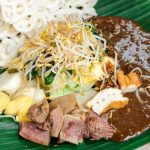


The appeal of Cireng Isi Udang Rebon Pedas extends beyond its delicious taste. It represents a harmonious blend of textures – the crispy exterior giving way to a satisfyingly chewy interior, all complemented by the umami-rich, spicy kick of the udang rebon filling. This snack is perfect for various occasions, from casual gatherings with friends to a comforting treat enjoyed during a rainy afternoon. Its relatively simple preparation, when broken down into manageable steps, makes it an accessible culinary project for anyone looking to explore Indonesian street food.
At its core, cireng is made from tapioca starch, a gluten-free flour derived from the cassava root. This starch is the key ingredient responsible for the unique chewy texture that defines cireng. When mixed with hot water, it forms a dough that is pliable and holds its shape well, making it ideal for encasing various fillings. The simplicity of the dough allows the flavors of the filling to shine through, creating a balanced and addictive snack.
The ‘udang rebon’ or dried shrimp is the star of the filling. These tiny, intensely flavored dried shrimp are a staple in Indonesian cuisine, lending a profound umami depth to dishes. When rehydrated and sautéed with aromatic spices, they transform into a savory, slightly sweet, and often spicy component that perfectly complements the neutral chewiness of the cireng dough. The ‘pedas’ (spicy) element typically comes from chili peppers, adding a pleasant warmth and kick that awakens the palate.
Let’s begin with the essential ingredients for the cireng dough. You will need: 250 grams of tapioca starch (also known as tapioca flour or tepung tapioka), 50 grams of all-purpose flour (tepung terigu serbaguna) for a slightly better texture and binding, 1 teaspoon of salt, 1/2 teaspoon of ground white pepper, and 200-250 ml of boiling water. The all-purpose flour is optional but recommended for a less sticky dough and a slightly crisper exterior.
For the spicy dried shrimp filling (isi udang rebon pedas), gather these ingredients: 50 grams of dried shrimp (udang rebon), which should be rinsed and soaked briefly if very salty, 3-5 bird’s eye chilies (cabe rawit) or to your spice preference, 2 cloves of garlic, 1 shallot, 1/4 teaspoon of salt, 1/2 teaspoon of sugar (to balance the flavors), 1/4 teaspoon of ground white pepper, and 1 tablespoon of cooking oil for sautéing.
The preparation of the dough is the first crucial step. In a large bowl, combine the tapioca starch, all-purpose flour, salt, and white pepper. Whisk these dry ingredients together to ensure they are evenly distributed.
Gradually pour the boiling water into the dry ingredients while stirring continuously with a spoon or spatula. Be cautious as the water is very hot. Continue mixing until a shaggy dough forms. The amount of water may vary slightly depending on the tapioca starch used.
Once the dough is cool enough to handle, transfer it to a lightly floured surface. Knead the dough for about 5-7 minutes until it becomes smooth, elastic, and no longer sticky. If the dough is too sticky, add a little more tapioca starch, a tablespoon at a time. If it’s too dry, add a teaspoon of warm water.
Now, let’s prepare the flavorful filling. Start by finely chopping or grinding the bird’s eye chilies, garlic, and shallot. A mortar and pestle (ulekan) works wonderfully for this, creating a rustic texture, or you can use a food processor for a finer paste.
Heat the cooking oil in a small skillet over medium heat. Add the chopped chili, garlic, and shallot mixture. Sauté until fragrant and the ingredients are softened, typically about 2-3 minutes. Be careful not to burn the garlic.
Add the rinsed dried shrimp to the skillet. Stir-fry for another 2-3 minutes until the shrimp are fragrant and slightly toasted. This process enhances their flavor and aroma.
Season the filling with salt, sugar, and white pepper. Stir well to combine all the flavors. Taste and adjust the seasoning as needed. The filling should be savory, spicy, and have a hint of sweetness.
Remove the filling from the heat and set it aside to cool completely. It’s important for the filling to be cool before assembling the cireng to prevent the dough from becoming overly sticky or difficult to handle.
Once the dough and filling have cooled, it’s time for assembly. Take a small portion of the dough (about a tablespoon) and flatten it into a small circle or disc in the palm of your hand. Aim for a thickness of about 2-3 mm.
Place a teaspoon of the cooled udang rebon filling in the center of the flattened dough disc. Be careful not to overfill, as this can make sealing the cireng difficult.
Gently fold the edges of the dough over the filling, pinching them together to seal completely. You can shape the cireng into a small ball, a flattened disc, or a half-moon shape. Ensure there are no gaps where the filling can escape during frying.
Repeat this process until all the dough and filling are used up. You should have a batch of beautifully formed, filled cireng ready for the next step.
For frying, heat a generous amount of cooking oil in a wok or deep skillet over medium heat. The oil should be enough to submerge the cireng for even cooking. Test the oil temperature by dropping a small piece of dough; it should sizzle gently and float to the surface.
Carefully place the assembled cireng into the hot oil, ensuring not to overcrowd the pan. Fry in batches to maintain the oil temperature and ensure the cireng cooks evenly and becomes golden brown and crispy.
Fry the cireng for about 4-6 minutes, turning them occasionally, until they are golden brown and puffed up. The chewy texture develops during this frying process.
Once golden and crispy, remove the cireng from the oil using a slotted spoon and place them on a plate lined with paper towels to drain excess oil. This step is crucial for achieving the desired crispiness.
Serve the Cireng Isi Udang Rebon Pedas immediately while they are still warm and crispy. They are best enjoyed fresh from the fryer.
For an enhanced culinary experience, Cireng Isi Udang Rebon Pedas is often served with a side of peanut sauce (sambal kacang) or a simple chili sauce. The creamy, savory peanut sauce offers a delightful contrast to the spicy filling, while chili sauce amplifies the heat.
Tips for Success: Use good quality tapioca starch for the best chewy texture. Ensure your boiling water is indeed boiling when you add it to the dry ingredients. Knead the dough sufficiently to achieve a smooth and pliable consistency.
Tips for Success (Continued): Do not overfill the cireng. Make sure the filling is completely cool before assembling. Fry the cireng at a medium heat; too high heat will burn the outside before the inside is cooked, and too low heat will make them greasy.
Variations: While udang rebon is traditional, you can experiment with other fillings. Consider finely chopped chicken, beef, vegetables like carrots and cabbage, or even cheese for a different flavor profile. The spicy element can be adjusted by varying the type and quantity of chili used.
Storage: Uncooked cireng can be stored in the refrigerator for a day or two in an airtight container. For longer storage, freeze them on a baking sheet until solid, then transfer to a freezer bag. Fry directly from frozen, adding a few extra minutes to the cooking time.
The aroma of freshly fried Cireng Isi Udang Rebon Pedas is simply irresistible. The combination of the subtly sweet dough and the explosion of savory, spicy, and umami flavors from the udang rebon filling creates a truly memorable snack.
This recipe provides a fantastic opportunity to explore the rich culinary landscape of Indonesia. Cireng, in its many forms, is a testament to the creativity and resourcefulness of Indonesian home cooks and street vendors.
Mastering the art of making Cireng Isi Udang Rebon Pedas is not just about following a recipe; it’s about understanding the ingredients, the techniques, and the cultural significance of this beloved snack. It’s a journey that rewards with every crispy, chewy, and flavorful bite.
Whether you’re a fan of spicy food or simply looking for a delicious and satisfying snack, this recipe is sure to become a favorite. The unique texture and bold flavors of Cireng Isi Udang Rebon Pedas offer a delightful culinary adventure.
So, gather your ingredients, embrace the process, and prepare to delight your senses with this authentic Indonesian delicacy. Enjoy the process of creating and savoring these delightful spicy dried shrimp-filled cireng!