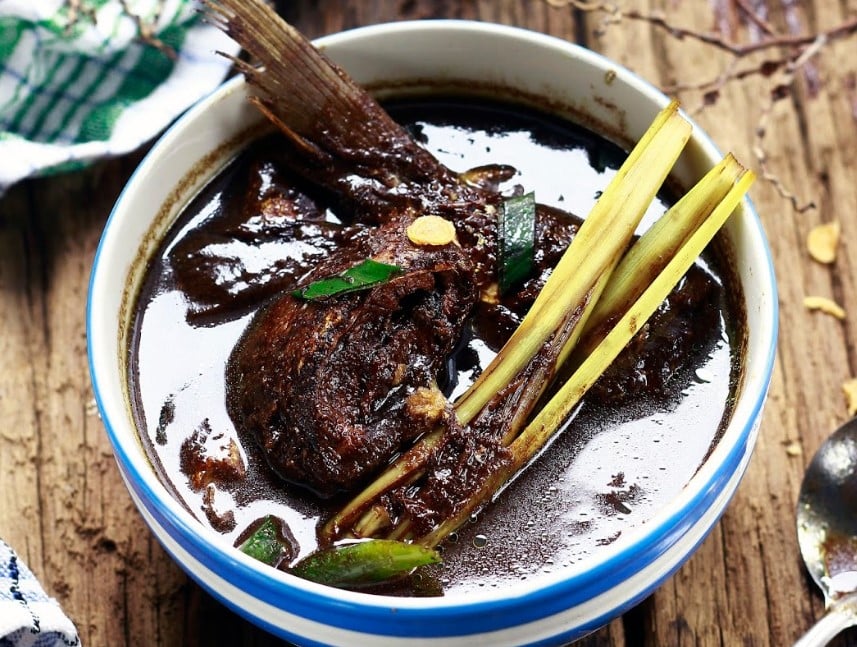
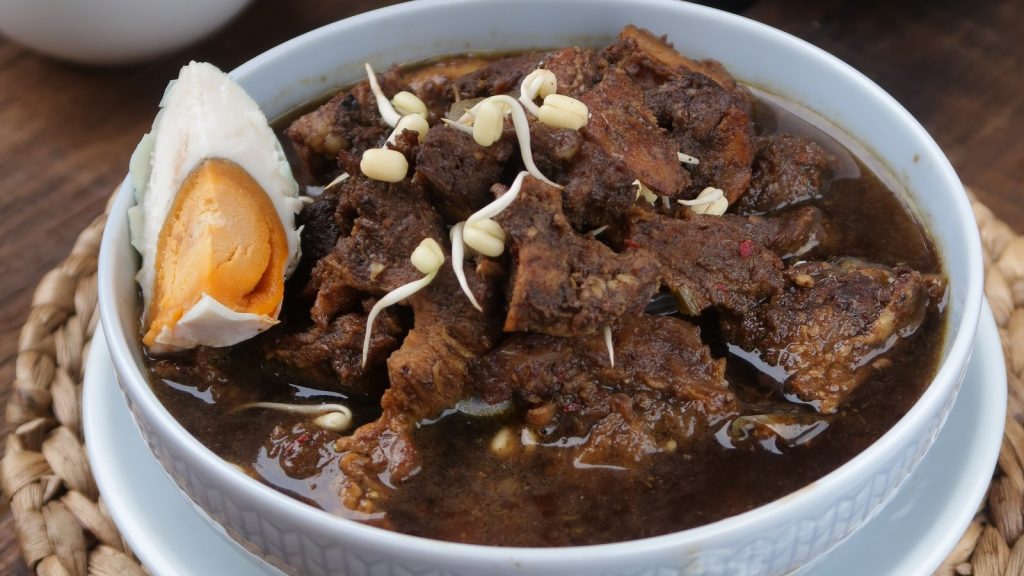

Tuna Rawon replaces the traditional beef with fresh tuna, offering a lighter, healthier, and equally flavorful alternative. This innovative approach not only caters to those seeking a leaner protein source but also opens up new dimensions of flavor and texture within the familiar framework of Rawon. The umami-richness of tuna complements the complex spice blend of Rawon beautifully, creating a dish that is both comforting and surprisingly refreshing.
The key to a successful Tuna Rawon lies in understanding the delicate balance of flavors and textures. Tuna, unlike beef, cooks quickly and can easily become dry if overcooked. Therefore, careful attention must be paid to the cooking time and technique to ensure that the tuna remains moist and tender. Additionally, the spice blend, while similar to traditional Rawon, may need slight adjustments to complement the unique flavor profile of the fish.
Let’s delve into the heart of this culinary adventure and explore a detailed recipe for creating your own delectable Tuna Rawon.
- 500g fresh tuna steak, cut into 1-inch cubes
- 2 liters water
- 200g keluak (Pangium edule), soaked in hot water for at least 2 hours, then cracked open and the pulp scooped out
- 150g shallots
- 80g garlic
- 50g ginger, peeled
- 30g galangal, peeled
- 20g turmeric, peeled
- 5 candlenuts, roasted
- 1 tablespoon coriander seeds, roasted
- 1 teaspoon cumin seeds, roasted
- 5 red chilies (adjust to your spice preference)
- 3 salam leaves (Indonesian bay leaves)
- 3 kaffir lime leaves
- 2 stalks lemongrass, bruised
- 2 tablespoons vegetable oil
- Salt and sugar to taste
- Bean sprouts
- Sliced scallions
- Fried shallots
- Emping crackers (optional)
- Sambal (optional)
- Salted duck egg (optional)
- Lime wedges
-
In a food processor or blender, combine the shallots, garlic, ginger, galangal, turmeric, candlenuts, coriander seeds, cumin seeds, and red chilies. Add a little water if needed to help the mixture blend smoothly. Process until you have a fine paste. This spice paste is the foundation of the Rawon’s distinctive flavor.
-
Heat the vegetable oil in a large pot or Dutch oven over medium heat.
-
Add the spice paste and sauté for 5-7 minutes, stirring frequently, until fragrant and the spices are cooked through. Be careful not to burn the spices, as this will impart a bitter taste to the Rawon.
-
Add the salam leaves, kaffir lime leaves, and bruised lemongrass stalks to the pot. These aromatics will infuse the broth with their distinctive fragrance.
-
Add the keluak pulp to the pot and stir well to combine with the spice paste. Cook for another 2-3 minutes, allowing the keluak to release its unique flavor and color.
-
Pour in the water and bring the mixture to a boil. Once boiling, reduce the heat to low, cover the pot, and simmer for at least 30 minutes, or up to an hour, to allow the flavors to meld and deepen. The longer you simmer the broth, the more complex and flavorful it will become.
-
After the broth has simmered for at least 30 minutes, season with salt and sugar to taste. Start with a teaspoon of salt and half a teaspoon of sugar, and adjust according to your preference. Remember that the flavor will continue to develop as the dish simmers.
-
Gently add the tuna cubes to the pot. Ensure that the tuna is submerged in the broth.
-
Simmer for only 3-5 minutes, or until the tuna is just cooked through. Be careful not to overcook the tuna, as it will become dry and rubbery. The tuna should be opaque and flake easily with a fork.
-
Ladle the Tuna Rawon into bowls.
-
Garnish generously with bean sprouts, sliced scallions, and fried shallots.
-
Serve hot with emping crackers, sambal, salted duck egg, and lime wedges on the side, allowing each diner to customize their bowl to their liking.
- Choosing the Right Tuna: Fresh, high-quality tuna is essential for this recipe. Look for tuna steaks that are firm, bright red, and have a fresh, sea-like smell. Avoid tuna that is dull in color or has a fishy odor. Yellowfin tuna is a good choice for Rawon, as it has a firm texture and a rich flavor.
- Adjusting the Spice Level: The amount of red chilies in the spice paste can be adjusted to suit your spice preference. If you prefer a milder Rawon, use fewer chilies or remove the seeds before blending. For a spicier Rawon, add more chilies or use hotter varieties.
- Adding Vegetables: While traditional Rawon is primarily a meat-based soup, you can add vegetables to your Tuna Rawon for added nutrition and texture. Green beans, carrots, and potatoes are all good choices. Add the vegetables to the pot along with the tuna and cook until they are tender.
- Using Tuna Broth: For an even more intense tuna flavor, you can use tuna broth instead of water. Tuna broth can be made by simmering tuna bones or scraps in water with aromatics such as ginger, garlic, and scallions. Strain the broth before using it in the Rawon.
- Making it Vegetarian: To make a vegetarian version of Rawon, you can substitute the tuna with firm tofu or tempeh. Be sure to press the tofu or tempeh to remove excess water before adding it to the Rawon. You can also use vegetable broth instead of water for a vegetarian version.
Rawon is more than just a soup; it’s a cultural icon in Indonesia, particularly in East Java. Its history is deeply intertwined with the region’s culinary heritage, and it often features prominently in celebrations, family gatherings, and traditional ceremonies. The dark, almost black color of the broth is not only visually striking but also symbolic, representing the richness and depth of Indonesian culture.
The unique flavor of Rawon, derived from the keluak, is a testament to the ingenuity of Indonesian cooks who have long utilized local ingredients to create complex and unforgettable dishes. Keluak, with its earthy and slightly bitter notes, is an acquired taste, but it is precisely this unique flavor that makes Rawon so distinctive and beloved.
While traditionally made with beef, the adaptation of Rawon to include other proteins like tuna reflects the evolving culinary landscape of Indonesia. As Indonesians become more health-conscious and adventurous in their culinary explorations, they are increasingly seeking out new and innovative ways to enjoy traditional dishes. Tuna Rawon is a perfect example of this trend, showcasing how a classic recipe can be reimagined to suit modern tastes and preferences.
In addition to its delicious flavor, Tuna Rawon offers several health benefits. Tuna is an excellent source of lean protein, which is essential for building and repairing tissues. It is also rich in omega-3 fatty acids, which are beneficial for heart health and brain function.
The spices used in Rawon, such as ginger, turmeric, and galangal, also have numerous health benefits. Ginger is known for its anti-inflammatory and digestive properties, while turmeric is a powerful antioxidant with anti-cancer potential. Galangal is also believed to have anti-inflammatory and antimicrobial properties.
By replacing beef with tuna, Tuna Rawon offers a leaner and healthier alternative to traditional Rawon. It is a great option for those who are watching their cholesterol or fat intake.
Rawon Ikan Tuna is a testament to the versatility and adaptability of Indonesian cuisine. By combining the familiar flavors of Rawon with the delicate taste of tuna, this dish offers a unique and satisfying culinary experience. Whether you are a seasoned cook or a novice in the kitchen, this recipe is sure to impress your family and friends. So, embark on this culinary adventure and discover the deliciousness of Tuna Rawon for yourself!
This Tuna Rawon recipe is not just a meal; it’s an exploration of flavors, a celebration of Indonesian culinary heritage, and a testament to the power of innovation in the kitchen. It’s a dish that will tantalize your taste buds, nourish your body, and leave you with a deep appreciation for the richness and diversity of Indonesian cuisine. Selamat makan! (Enjoy your meal!)