
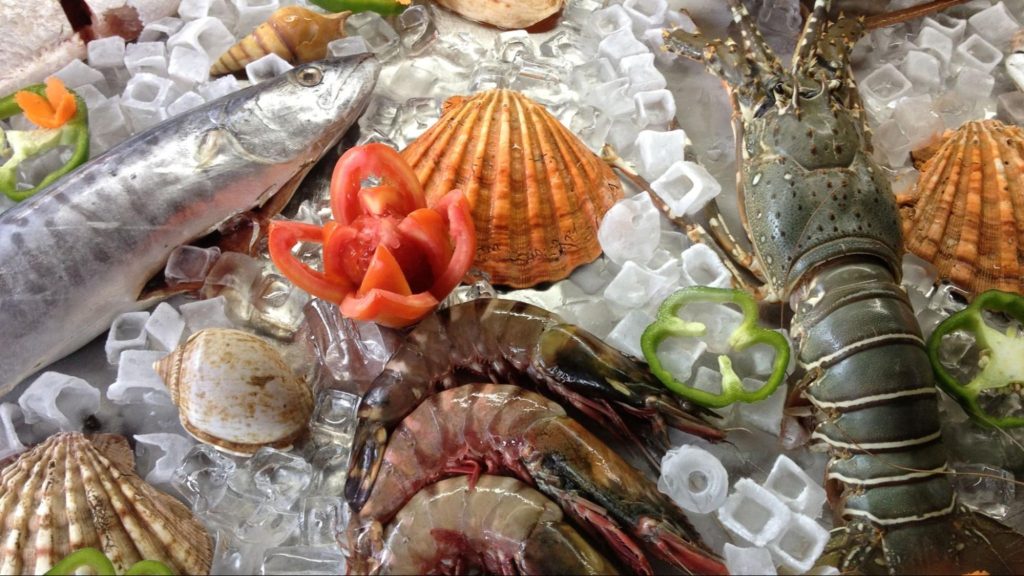

Understanding the science behind fish spoilage is the first step to preventing it. Fish begins to degrade almost immediately after being caught. The primary culprits are bacterial growth, enzymatic reactions within the fish’s own tissues, and oxidation of fats. These processes lead to off-flavors, mushy textures, and an unpleasant odor. Our goal is to slow these processes down as much as possible, primarily through temperature control.
Immediate handling is paramount. Whether you’ve just caught the fish or purchased it from a reputable fishmonger, the clock starts ticking. The colder you can get the fish, the better. Ideally, fish should be kept on ice immediately after being caught. For purchased fish, ensure it’s kept chilled during transport home, perhaps in a cooler with ice packs.
Upon arrival, the first step is often to clean the fish thoroughly. This involves gutting and scaling, which removes the most significant sources of bacteria and enzymes that accelerate spoilage. Carefully remove all internal organs, bloodlines, and scales. For larger fish, you might consider filleting or portioning them at this stage, as smaller pieces cool faster and are easier to manage.
After cleaning, rinse the fish under cold, running water. Be gentle to avoid damaging the delicate flesh. The goal is to remove any remaining blood, slime, or debris. Once rinsed, it’s crucial to pat the fish completely dry with paper towels. Excess moisture on the surface can encourage bacterial growth and lead to a slimy texture, even in cold temperatures.
For short-term storage, typically 1-2 days, refrigeration is key. However, simply placing fish in the refrigerator isn’t enough. Your home refrigerator typically operates at around 3-4°C (37-40°F), which is often not cold enough to significantly slow spoilage of highly perishable items like fresh fish. The ideal temperature for fish storage is much closer to 0°C (32°F).
- Prepare an Ice Bath: Get a shallow pan or a container with a lid.
- Layer Ice: Place a generous layer of crushed ice or ice cubes at the bottom.
- Position Fish: Lay the cleaned, dried fish directly on the ice. Ensure the fish isn’t directly touching the bottom of the pan to allow for proper drainage.
- Cover with Ice: Cover the fish completely with another thick layer of ice.
- Drainage: Place the pan inside a larger container or on a tray to catch melting ice water. It’s crucial that the fish does not sit in meltwater, as this can leach flavor and promote bacterial growth. Some people use a colander within a larger bowl.
- Refrigerate: Place the entire setup in the coldest part of your refrigerator.
If an ice bath isn’t feasible, you can still achieve reasonable freshness for a day or two. Wrap the cleaned and dried fish tightly in plastic wrap or parchment paper, then place it in an airtight container. This prevents air exposure and odors from contaminating other foods in your fridge. However, this method is less effective than an ice bath due to the warmer temperature.
For slightly longer storage, perhaps 3-5 days, you need to be even more diligent. Continue with the ice bath method, but remember to regularly replenish the ice as it melts and drain any accumulated water. Changing the ice daily is a good practice to ensure consistent cold temperatures and prevent the fish from sitting in contaminated water.
Consider the type of fish you are storing. Fattier fish like salmon or mackerel tend to spoil faster due to the oxidation of their oils, which can lead to a ‘fishy’ odor. Leaner fish like cod or snapper might hold up slightly longer, but the principle of strict temperature control remains the same for all varieties.
Another excellent technique for medium-term storage, especially for fillets or portions, is vacuum sealing. A vacuum sealer removes air from the packaging, significantly reducing oxygen exposure. This inhibits the growth of aerobic bacteria and slows down oxidative rancidity. Vacuum-sealed fish can often last an extra 1-2 days in the refrigerator compared to conventionally wrapped fish, provided it’s still kept very cold.
When preparing fish for vacuum sealing, ensure it is impeccably clean and dry. Any moisture trapped inside the vacuum bag can still promote bacterial growth. If you plan to freeze the fish later, vacuum sealing is also an excellent preparatory step, preventing freezer burn.
For long-term preservation, beyond 5 days, freezing is the most practical and effective method for home cooks. Proper freezing can preserve fish for several months without significant loss of quality. However, simply throwing fish into the freezer is not enough; careful preparation is essential.
Before freezing, clean and dry the fish thoroughly as described earlier. You may choose to fillet, steak, or portion the fish into meal-sized servings. This makes thawing and cooking more convenient later. Wrap each portion individually in plastic wrap or freezer paper, ensuring no air pockets, then place them in an airtight freezer bag or vacuum-seal them.
When freezing, aim for a rapid freeze. The faster the fish freezes, the smaller the ice crystals that form, which means less damage to the fish’s cellular structure and better texture upon thawing. A dedicated chest freezer often achieves colder temperatures and faster freezing than the freezer compartment of a refrigerator.
Always label your frozen fish with the date it was frozen and the type of fish. This helps you keep track of its age and ensures you use older portions first. While fish can technically remain safe indefinitely in a consistently cold freezer, its quality (texture and flavor) will gradually decline over time. For optimal quality, aim to consume frozen fish within 3-6 months.
Thawing frozen fish correctly is as important as freezing it properly. The best and safest method is to thaw it slowly in the refrigerator. Transfer the frozen fish (still in its packaging) to a plate or shallow pan in the refrigerator 12-24 hours before you plan to cook it. Slow thawing minimizes moisture loss and helps maintain the fish’s texture.
If you’re short on time, you can thaw fish in cold water. Keep the fish in its sealed, waterproof packaging and submerge it in a bowl of cold water. Change the water every 30 minutes to ensure it remains cold. This method is faster but requires more attention. Never thaw fish at room temperature, as this allows bacteria to multiply rapidly on the surface while the interior remains frozen.
While less common for ‘days’ of freshness, it’s worth noting other preservation methods like salting or brining. These techniques fundamentally alter the fish’s composition and flavor, moving beyond simple freshness preservation into curing. For instance, a light brine can enhance flavor and slightly extend shelf life for a day or two, but it’s not a substitute for proper cold storage.
Knowing the signs of spoilage is crucial for food safety. Trust your senses. Fresh fish should have a mild, oceanic scent, not a strong, ‘fishy’ or ammonia-like odor. Its eyes should be clear, bright, and bulging, not cloudy or sunken. The gills should be bright red, not dull or brownish. The flesh should be firm and elastic, springing back when gently pressed, not soft or slimy.
Any fish exhibiting signs of spoilage should be discarded immediately. Consuming spoiled fish can lead to foodborne illness, characterized by nausea, vomiting, diarrhea, and other severe symptoms. When in doubt, throw it out.
Food safety is paramount throughout the entire process. Always wash your hands thoroughly with soap and water before and after handling raw fish. Use separate cutting boards and utensils for fish to prevent cross-contamination with other foods, especially ready-to-eat items. Clean and sanitize all surfaces that come into contact with raw fish.
Maintain the ‘cold chain’ as much as possible. The ‘temperature danger zone’ for bacterial growth is between 4°C and 60°C (40°F and 140°F). Minimize the time fish spends in this zone. From the market to your fridge, and during preparation, always aim to keep it as cold as possible.
When purchasing fish, be discerning. Look for fish displayed on a thick bed of fresh ice. Observe the fishmonger’s hygiene practices. Don’t hesitate to ask when the fish was caught or delivered. A good fishmonger will be transparent about their sourcing and handling practices.
Transporting your fresh fish home requires care. If your journey is longer than 30 minutes, especially in warm weather, bring a cooler with ice packs. This simple step can prevent significant degradation of quality before you even get it home.
One common mistake is washing fish with hot water. Always use cold water for rinsing, as hot water can inadvertently start the cooking process, altering texture and potentially encouraging bacterial growth on the surface.
Another error is over-packaging without proper drying. If fish is wrapped tightly in plastic while still wet, it traps moisture, creating a perfect breeding ground for bacteria, regardless of how cold it is.
Avoid storing fish in the warmest parts of your refrigerator, such as the door shelves. The bottom shelf, usually towards the back, is typically the coldest and most stable temperature zone, making it ideal for perishable items like fish.
Never refreeze fish that has been completely thawed. While it might be safe if thawed correctly in the refrigerator and consumed immediately, the quality will be severely compromised. The repeated formation of ice crystals damages the cell structure, leading to a mushy texture.
For those who enjoy fishing, understanding immediate post-catch care is vital. Bleeding the fish immediately after catching it, then gutting it and placing it on ice, makes a significant difference in its final quality and how long it will stay fresh.
Consider the species. Some fish, like tuna or swordfish, have firmer flesh and can tolerate slightly longer storage than delicate fish such as sole or flounder. However, these are general guidelines; optimal cold storage remains universally beneficial.
The commitment to proper fish storage extends beyond just the fish itself. Regularly clean your refrigerator and freezer to prevent odors and bacterial build-up. A clean storage environment contributes to the overall safety and freshness of all your food items.
In conclusion, preserving the ocean’s bounty for days is entirely achievable with careful attention to detail and adherence to best practices. From immediate chilling and meticulous cleaning to effective refrigeration on ice and proper freezing techniques, each step plays a crucial role.
By understanding the factors that cause spoilage and implementing these professional strategies, you can significantly extend the shelf life of your sea fish, ensuring every meal is as delicious and safe as it was meant to be. Enjoy the exquisite taste of truly fresh seafood, every time.
Remember, freshness is not just about taste; it’s about nutrition and safety. Investing a little extra effort in proper storage techniques yields immense rewards in culinary enjoyment and peace of mind. Happy cooking!