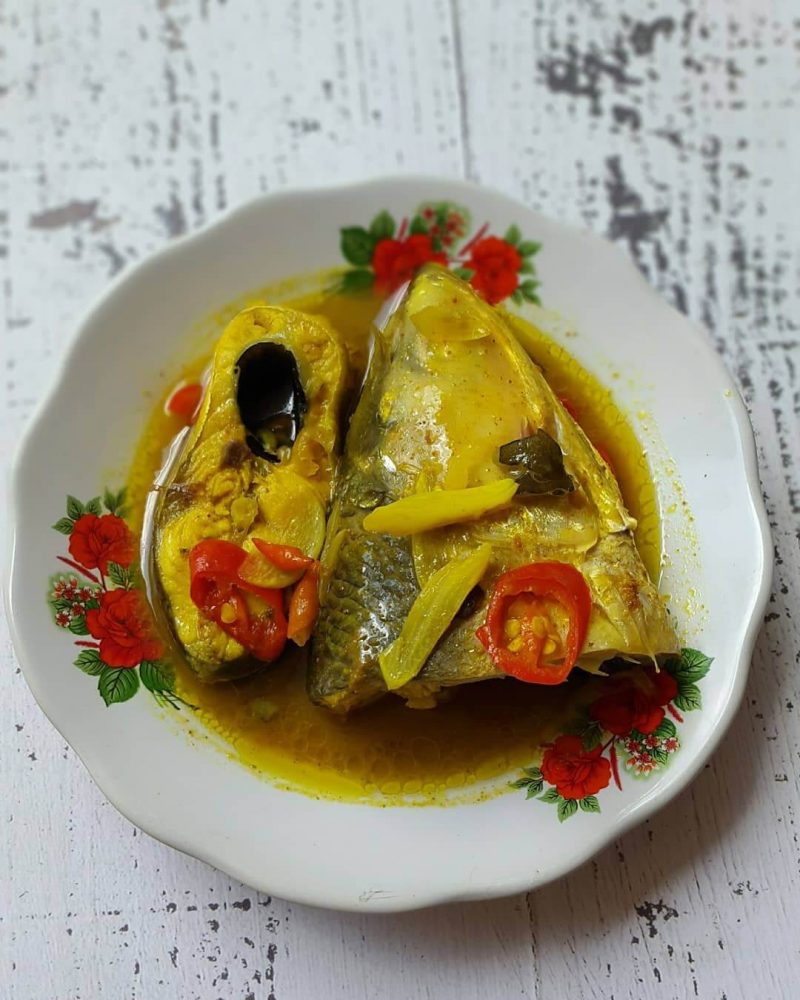
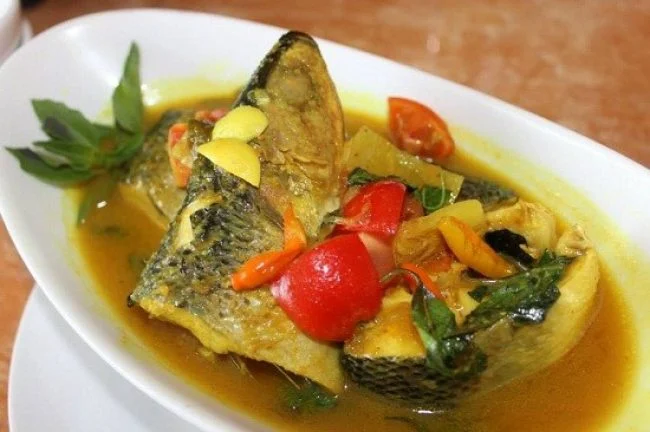

Pallumara, derived from the Makassar language, roughly translates to ‘sour soup.’ The dish’s defining characteristic is its tangy broth, achieved through the strategic use of souring agents such as tamarind, bilimbi (belimbing wuluh), or vinegar. This sour base is then expertly balanced with a medley of spices, including chili peppers, turmeric, ginger, and garlic, creating a complex and deeply satisfying flavor profile.
Ikan Kembung, also known as mackerel scad or Indian mackerel, is the fish of choice for this dish. Its firm texture and rich, oily flavor hold up beautifully in the flavorful broth, making it the perfect canvas for the Pallumara’s vibrant spices. While Ikan Kembung is the traditional choice, other types of fish, such as snapper, grouper, or even tuna, can be substituted depending on availability and personal preference.
The origins of Pallumara Ikan Kembung are deeply intertwined with the history and culture of Makassar. As a coastal city with a long-standing tradition of fishing and maritime trade, Makassar has always had access to a wide variety of fresh seafood. Over time, the local people developed unique techniques for preserving and preparing these resources, resulting in dishes like Pallumara that are both flavorful and nutritious.
Pallumara Ikan Kembung is more than just a dish; it is a symbol of Makassar’s culinary identity. It is often served during special occasions and family gatherings, representing a shared heritage and a connection to the region’s rich cultural past. The dish’s popularity extends beyond Makassar, with variations found throughout South Sulawesi and other parts of Indonesia, each reflecting the unique local ingredients and preferences.
- 1 kg Ikan Kembung (Mackerel Scad), cleaned and gutted
- 1.5 liters Water
- 5-7 Shallots, thinly sliced
- 4-5 cloves Garlic, thinly sliced
- 2-3 cm Ginger, bruised
- 2-3 cm Turmeric, bruised
- 3-5 Red Chili Peppers (adjust to your spice preference), sliced
- 2-3 Green Chili Peppers (optional, for added heat and aroma), sliced
- 3-5 Bilimbi (Belimbing Wuluh), halved (or 2-3 tablespoons Tamarind Pulp, soaked in warm water and strained)
- 1-2 stalks Lemongrass, bruised
- 2-3 Bay Leaves
- 1 teaspoon Turmeric Powder
- Salt, to taste
- Sugar, to taste (optional, to balance the sourness)
- Cooking Oil, for sautéing
Ikan Kembung: Ensure the fish is fresh and properly cleaned. You can ask your fishmonger to clean and gut the fish for you. If using frozen fish, thaw it completely before cooking.
Bilimbi (Belimbing Wuluh): This small, sour fruit is a key ingredient in authentic Pallumara. If you cannot find bilimbi, tamarind pulp is a suitable substitute. Start with a smaller amount of tamarind and adjust to your liking.
Chili Peppers: Adjust the amount of chili peppers according to your spice preference. Remove the seeds for a milder flavor.
Lemongrass and Bay Leaves: These aromatic ingredients add depth and complexity to the broth. Bruising the lemongrass releases its essential oils, enhancing its flavor.
Turmeric Powder: While fresh turmeric is preferred, turmeric powder can be used as a convenient alternative. Use sparingly, as it can be quite potent.
-
Prepare the Fish: Rinse the cleaned Ikan Kembung thoroughly under cold water. Pat them dry with paper towels. This helps to remove any excess moisture and allows the fish to sear better.
-
Sauté the Aromatics: Heat a few tablespoons of cooking oil in a large pot or Dutch oven over medium heat. Add the sliced shallots and garlic and sauté until fragrant and lightly golden brown. Be careful not to burn the garlic, as it can become bitter.
-
Add the Spices: Add the bruised ginger and turmeric to the pot and continue to sauté for another minute, allowing the spices to release their aromas. Then, add the sliced red and green chili peppers (if using) and sauté for a few seconds until they become fragrant.
-
Pour in the Water and Bring to a Boil: Pour the water into the pot and bring it to a boil over high heat. Once boiling, reduce the heat to medium and add the bruised lemongrass, bay leaves, and turmeric powder.
-
Add the Sour Agent: Add the halved bilimbi (or strained tamarind water) to the pot. Simmer for about 10-15 minutes, allowing the sourness to infuse into the broth. Taste the broth and adjust the amount of bilimbi or tamarind as needed to achieve your desired level of sourness.
-
Add the Fish: Gently add the Ikan Kembung to the simmering broth. Make sure the fish is submerged in the liquid. Cook for about 8-10 minutes, or until the fish is cooked through and flakes easily with a fork. Avoid overcooking the fish, as it can become dry and tough.
-
Season to Taste: Season the Pallumara with salt and sugar (if using) to taste. Start with a small amount of each and adjust as needed to balance the flavors. The goal is to achieve a harmonious balance of sour, spicy, and savory.
-
Simmer and Serve: Once seasoned to your liking, simmer the Pallumara for another 5 minutes to allow the flavors to meld together. Remove from heat and serve hot. Garnish with fresh herbs, such as sliced scallions or cilantro, if desired.
Pallumara Ikan Kembung is best served hot with steamed white rice. The tangy and flavorful broth complements the rice perfectly, creating a satisfying and complete meal. It can also be served with other Indonesian side dishes, such as sambal (chili paste), lalapan (raw vegetables), or perkedel (potato fritters).
Spice Level: Adjust the amount of chili peppers to your preference. For a milder flavor, remove the seeds from the chili peppers or use a less spicy variety.
Fish Variety: While Ikan Kembung is the traditional choice, other types of fish, such as snapper, grouper, or tuna, can be used. Adjust the cooking time accordingly depending on the thickness of the fish fillets.
Vegetable Additions: Some variations of Pallumara include vegetables such as eggplant, okra, or long beans. Add these vegetables to the pot along with the fish and cook until tender.
Coconut Milk: For a richer and creamier Pallumara, add a cup of coconut milk to the broth during the last 10 minutes of cooking. This will add a subtle sweetness and richness to the dish.
Lime Juice: A squeeze of fresh lime juice just before serving can brighten the flavors and add an extra layer of tanginess.
Make Ahead: Pallumara Ikan Kembung can be made ahead of time and stored in the refrigerator for up to 2 days. The flavors will actually deepen and meld together over time. Reheat gently before serving.
Freezing: While Pallumara can be frozen, the texture of the fish may change slightly upon thawing. If freezing, use fresh fish and avoid overcooking it. Thaw completely before reheating.
Pallumara Ikan Kembung is a culinary gem that showcases the unique flavors and traditions of Makassar. Its harmonious blend of sour, spicy, and savory notes, combined with the richness of fresh Ikan Kembung, makes it a truly unforgettable dish. By following this comprehensive guide, you can recreate this authentic Makassar delight in your own kitchen and experience the taste of South Sulawesi.
Beyond its delicious taste, Pallumara Ikan Kembung offers a glimpse into the cultural heritage of Makassar. It is a dish that is often shared among family and friends, representing a connection to the region’s past and a celebration of its culinary traditions. Whether you are a seasoned cook or a novice in the kitchen, this recipe is a great way to explore the vibrant flavors of Indonesian cuisine and create a memorable meal for yourself and your loved ones.
So, gather your ingredients, follow the steps, and prepare to embark on a culinary adventure to Makassar. With a little bit of effort and a passion for good food, you can create a Pallumara Ikan Kembung that will transport you to the sunny shores of South Sulawesi and leave you craving for more. Selamat Makan! (Enjoy your meal!)