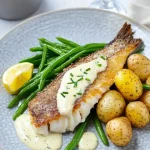


Sea bass isn’t just tasty; it’s also incredibly nutritious. Rich in omega-3 fatty acids, it supports heart health, brain function, and can even help reduce inflammation. It’s also an excellent source of lean protein, essential vitamins, and minerals. Introducing sea bass into your family’s diet is a delicious way to boost their overall well-being.
One of the greatest advantages of sea bass is its adaptability. It holds up beautifully to a wide array of cooking methods, from baking and roasting to pan-searing and grilling. This versatility means you can prepare it in countless ways, ensuring that dinner never gets boring and always caters to different family preferences.
Understanding Your Catch: Types of Sea Bass
Before diving into recipes, it’s helpful to understand the different types of sea bass you might encounter. While often used broadly, the term ‘sea bass’ typically refers to a few distinct species, each with its own characteristics. Knowing what you’re buying can help you choose the best fish for your desired recipe and ensure a delicious outcome.
Chilean Sea Bass, properly known as Patagonian Toothfish, is famous for its rich, buttery flavor and firm, white flesh. It’s a premium fish that can be quite pricey, but its exquisite taste and texture make it a favorite for special occasions. Due to sustainability concerns, always look for responsibly sourced Chilean sea bass.
European Sea Bass, often sold as Branzino, is another popular choice. It’s smaller than Chilean sea bass, with a delicate, sweet flavor and tender, flaky flesh. Branzino is frequently cooked whole, often roasted or grilled, making for an impressive presentation and allowing its subtle flavors to shine.
When selecting sea bass, whether fillets or a whole fish, always look for clear, bright eyes (if whole), firm flesh that springs back when pressed, and a fresh, mild sea scent – never fishy. The skin should be shiny and intact. For fillets, avoid any discoloration or strong odors. Freshness is key to a truly delicious sea bass dish.
Essential Preparation: Getting Started with Sea Bass
Proper preparation is the first step to a successful sea bass meal. While many fish counters will fillet and skin the fish for you, knowing a few basics can enhance your cooking experience and results.
If you’re starting with a whole fish, you’ll need to scale, gut, and fillet it. For fillets, a quick rinse under cold water and patting dry with paper towels is usually sufficient. Ensuring the fish is dry before cooking is crucial for achieving crispy skin and even cooking.
The decision to keep the skin on or remove it often depends on the cooking method and personal preference. For pan-searing or grilling, keeping the skin on can provide a wonderful crispy texture and help the fillet hold its shape. For baking or poaching, the skin can be removed if desired. If keeping the skin, make sure to score it lightly with a sharp knife a few times to prevent curling during cooking.
Sea bass has a naturally delicate flavor, so it doesn’t require heavy seasoning. A simple sprinkle of salt and freshly ground black pepper is often enough. Lemon, herbs like dill, parsley, thyme, and rosemary, and a touch of garlic or shallots are classic complements that enhance, rather than overpower, its natural taste.
Recipe 1: Classic Lemon-Herb Roasted Sea Bass
Roasting is perhaps one of the easiest and most forgiving ways to cook sea bass, making it perfect for busy weeknights. It locks in moisture, infuses flavor, and requires minimal hands-on time, allowing you to focus on side dishes or family time.
Ingredients: 2 sea bass fillets (about 6-8 oz each), 1 tbsp olive oil, 1 lemon (half sliced, half juiced), 2 sprigs fresh rosemary, 2 sprigs fresh thyme, 1 clove garlic (minced), salt and freshly ground black pepper to taste. Optional: A few cherry tomatoes or thin asparagus spears.
Step-by-Step Roasting Guide: 1. Preheat your oven to 400°F (200°C). Line a baking sheet with parchment paper for easy cleanup. 2. Pat the sea bass fillets dry with paper towels. 3. Place the fillets on the prepared baking sheet. Drizzle with olive oil, then season generously with salt and pepper. 4. Scatter the minced garlic, rosemary, and thyme sprigs over and around the fish. Arrange lemon slices on top of each fillet. 5. If using, add cherry tomatoes or asparagus around the fish. 6. Roast for 12-18 minutes, depending on the thickness of the fillets, or until the fish is opaque and flakes easily with a fork. 7. Squeeze fresh lemon juice over the cooked fish before serving.
Expert Tip: Avoid overcrowding the baking sheet. If cooking more than two fillets, use two separate sheets or roast in batches to ensure even cooking and a beautiful golden finish. Overcrowding can steam the fish instead of roasting it.
Recipe 2: Pan-Seared Sea Bass with Crispy Skin & Garlic Butter
For those who love a textural contrast, pan-searing is the way to go. Achieving perfectly crispy skin alongside tender, flaky flesh is easier than you think and creates an incredibly satisfying dish.
The secret to crispy skin lies in a hot pan, dry fish, and not moving it too much during the initial searing. The skin provides a protective layer, locking in moisture and flavor while developing a delightful crunch.
Ingredients: 2 sea bass fillets (about 6-8 oz each, skin on), 1 tbsp olive oil (or grapeseed oil for higher smoke point), 2 tbsp unsalted butter, 2 cloves garlic (minced), 1 tbsp fresh parsley (chopped), 1 lemon (half for juice, half for wedges), salt and freshly ground black pepper.
Step-by-Step Pan-Searing Technique: 1. Pat the sea bass fillets very dry with paper towels. Score the skin lightly a few times. Season both sides with salt and pepper. 2. Heat olive oil in a heavy-bottomed skillet (cast iron or stainless steel works best) over medium-high heat until shimmering. 3. Carefully place the fillets skin-side down in the hot pan. Press gently with a spatula for the first 30 seconds to ensure even contact with the pan and prevent curling. 4. Sear for 4-6 minutes on the skin side, or until the skin is golden brown and crispy. The fish should be cooked about two-thirds of the way through. 5. Flip the fillets and cook for another 2-4 minutes on the flesh side, or until cooked through and opaque. 6. While the fish finishes cooking, add butter and minced garlic to the pan. Let the butter melt and garlic become fragrant (about 30 seconds). Spoon the garlic butter over the fish.
Creating the Garlic Butter Sauce: Once the fish is cooked, remove it from the pan and keep warm. Add a splash of white wine or chicken broth to the pan, scraping up any browned bits (deglazing). Stir in the fresh parsley and a squeeze of lemon juice. Drizzle this quick pan sauce over the sea bass before serving.
Recipe 3: Mediterranean Baked Sea Bass En Papillote
Cooking ‘en papillote’ (in parchment paper) is a brilliant technique for fish, especially sea bass. It’s incredibly healthy, locks in all the moisture and flavors, and makes for a beautiful presentation. Plus, cleanup is a breeze!
This method essentially steams the fish and vegetables in their own juices, creating a moist, flavorful, and incredibly tender result. It’s a fantastic way to infuse the sea bass with aromatic Mediterranean flavors without added fats.
Ingredients: 2 sea bass fillets (about 6-8 oz each), 1 cup mixed Mediterranean vegetables (e.g., cherry tomatoes halved, sliced zucchini, thinly sliced bell peppers, Kalamata olives), 2 tbsp olive oil, 1 lemon (thinly sliced), 2 sprigs fresh oregano or dill, salt and pepper, a pinch of red pepper flakes (optional).
Assembling Your Parchment Packets: 1. Preheat oven to 400°F (200°C). Cut two large pieces of parchment paper (about 15×15 inches). 2. In the center of each parchment square, place a bed of mixed vegetables. Drizzle with 1 tbsp olive oil, season with salt and pepper. 3. Place one sea bass fillet on top of the vegetables. Season the fish. 4. Top the fish with lemon slices and a sprig of fresh herb. 5. To seal the packet, bring the two long edges of the parchment paper together over the fish and fold them down tightly several times to create a seal. Then, fold and crimp the other two ends to form a half-moon shaped packet, ensuring no steam can escape.
Baking and Serving Tips: Place the sealed parchment packets on a baking sheet. Bake for 15-20 minutes, or until the packets are puffed up and the fish is cooked through. Carefully open the packets (watch out for hot steam!) and serve directly in the parchment or transfer to plates. The aroma released when opening the packets is part of the experience!
Recipe 4: Zesty Grilled Sea Bass Tacos
Who doesn’t love tacos? Grilling sea bass adds a smoky depth of flavor and a lovely char, making it an exciting and interactive meal for the whole family. It’s fresh, vibrant, and customizable.
Tacos are inherently fun and family-friendly. Setting up a ‘taco bar’ with various toppings allows everyone to build their perfect meal, catering to individual tastes and making dinner an engaging activity.
Ingredients for Fish: 1 lb sea bass fillets (cut into 1-inch strips or small chunks), 1 tbsp olive oil, 1 lime (juiced), 1 tsp chili powder, 1/2 tsp cumin, 1/4 tsp smoked paprika, salt and pepper. For Tacos: 8-12 small corn or flour tortillas, your favorite toppings (see below).
Grilling the Sea Bass Fillets: 1. In a bowl, toss the sea bass pieces with olive oil, lime juice, chili powder, cumin, smoked paprika, salt, and pepper. Let marinate for 15-20 minutes. 2. Preheat your grill or grill pan to medium-high heat. Lightly oil the grates. 3. Grill the sea bass pieces for 2-3 minutes per side, or until cooked through and slightly charred. Be careful not to overcook, as fish cooks quickly on the grill.
Building Your Tacos: Toppings Galore: Warm your tortillas. Set out a spread of toppings for a build-your-own taco experience:
- Crunchy Slaw: Shredded cabbage with a light lime vinaigrette.
- Fresh Salsa: Pico de gallo or mango salsa.
- Creamy Sauce: A drizzle of sour cream, Greek yogurt, or a zesty avocado cream.
- Avocado: Sliced or mashed.
- Cilantro: Freshly chopped.
- Pickled Red Onions: For a tangy kick.
Assemble your tacos by placing grilled sea bass in a warm tortilla, then adding your favorite toppings.
Making Sea Bass Kid-Friendly
Sea bass is an ideal fish for children due to its mild flavor and lack of strong ‘fishy’ taste. To make it even more appealing, focus on simple preparations and fun presentations.
Keep seasonings light and avoid anything too spicy or overpowering. Flaking the cooked fish into small pieces makes it easier for little ones to eat. Serving it with familiar sides like roasted potatoes or a mild rice pilaf can also help. Consider cutting the fillets into ‘fish sticks’ before cooking and serving with a favorite dipping sauce.
Sea bass can easily be incorporated into dishes where vegetables might otherwise be overlooked. Flake cooked sea bass into a mild tomato sauce for pasta, or mix it into a fish cake patty with grated zucchini and carrots. The mild flavor of the fish won’t compete with the hidden goodness.
Perfect Pairings: What to Serve with Sea Bass
The beauty of sea bass lies in its versatility, allowing it to pair wonderfully with a wide range of side dishes that complement its delicate flavor without overwhelming it.
Lightly steamed or roasted vegetables are always an excellent choice. Think asparagus with lemon zest, green beans sautéed with garlic, broccoli florets, or a colorful medley of bell peppers and cherry tomatoes. These add freshness, nutrients, and vibrant color to your plate.
For wholesome starches, consider quinoa, brown rice, couscous, or roasted baby potatoes. A simple risotto or a light pasta dish with olive oil and herbs can also be a delightful accompaniment. These provide a satisfying base without being too heavy.
A simple sauce can elevate your sea bass. A classic lemon-butter sauce, a fresh salsa verde, a light dill cream sauce, or even a simple drizzle of good quality extra virgin olive oil can enhance the flavor profile. Avoid heavy, creamy sauces that might mask the fish’s natural deliciousness.
Top Tips for Sea Bass Success Every Time
Even with the best recipes, a few universal tips can ensure your sea bass turns out perfectly every single time, making you a confident seafood chef.
This is the golden rule for cooking any fish. Sea bass is delicate and can become dry and rubbery if overcooked. It’s better to undercook it slightly and let it finish cooking with residual heat, than to overcook it. Look for opaque flesh that flakes easily with a fork.
Just like meat, fish benefits from a brief resting period after cooking. Remove it from the heat source and let it sit for 2-3 minutes. This allows the juices to redistribute, resulting in a more tender and flavorful fillet.
A meat thermometer is your best friend. Fish is safely cooked when its internal temperature reaches 145°F (63°C). Insert the thermometer into the thickest part of the fillet for an accurate reading.
When buying sea bass, always inquire about its origin and sustainability practices. Look for certifications like the Marine Stewardship Council (MSC) or consult seafood guides like Monterey Bay Aquarium’s Seafood Watch to make environmentally responsible choices.
Conclusion: A Family Favorite Awaits
Sea bass is a truly remarkable fish, offering a winning combination of exquisite flavor, impressive nutritional benefits, and incredible versatility. With the recipes and tips provided in this guide, you now have all the tools to confidently prepare delicious sea bass meals that your entire family will love. Experiment with different seasonings, cooking methods, and side dishes to discover your family’s new favorite way to enjoy this ocean-to-table delight. Happy cooking!